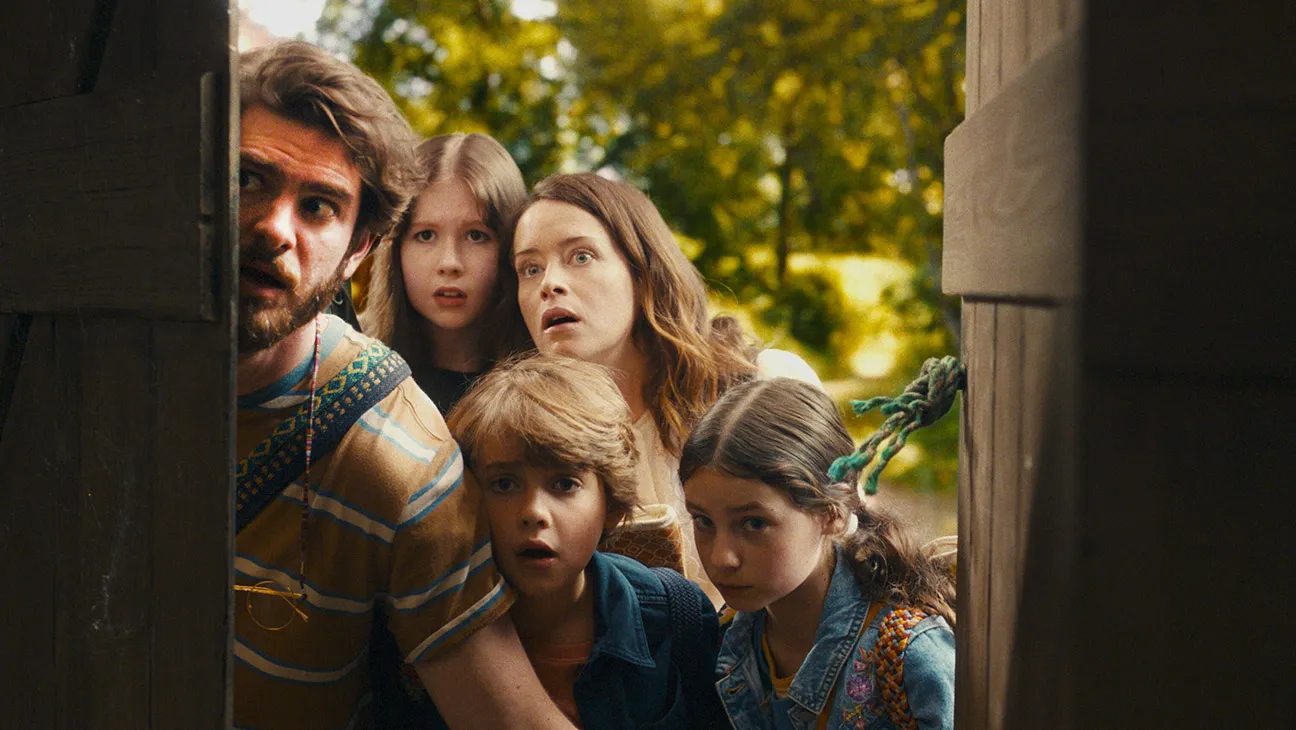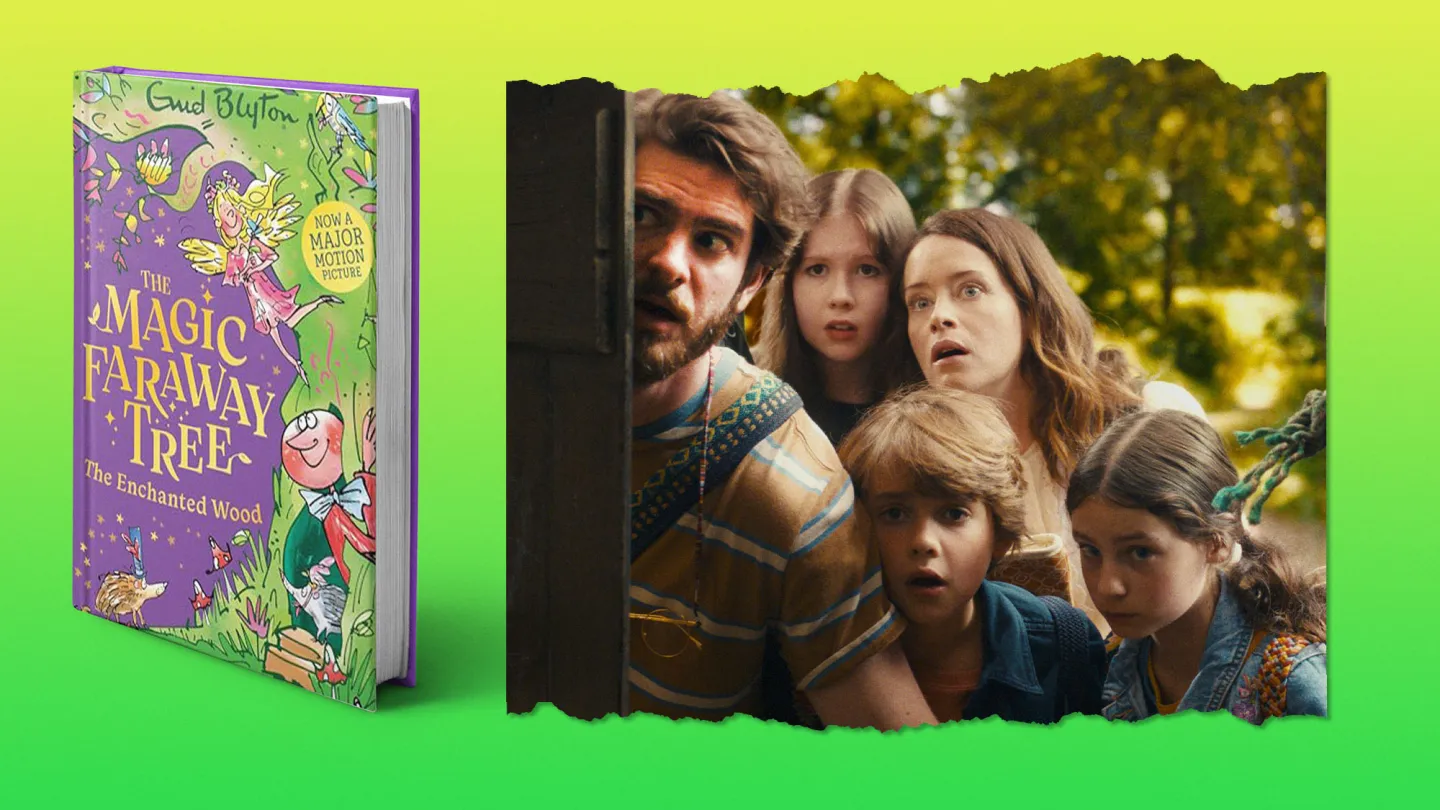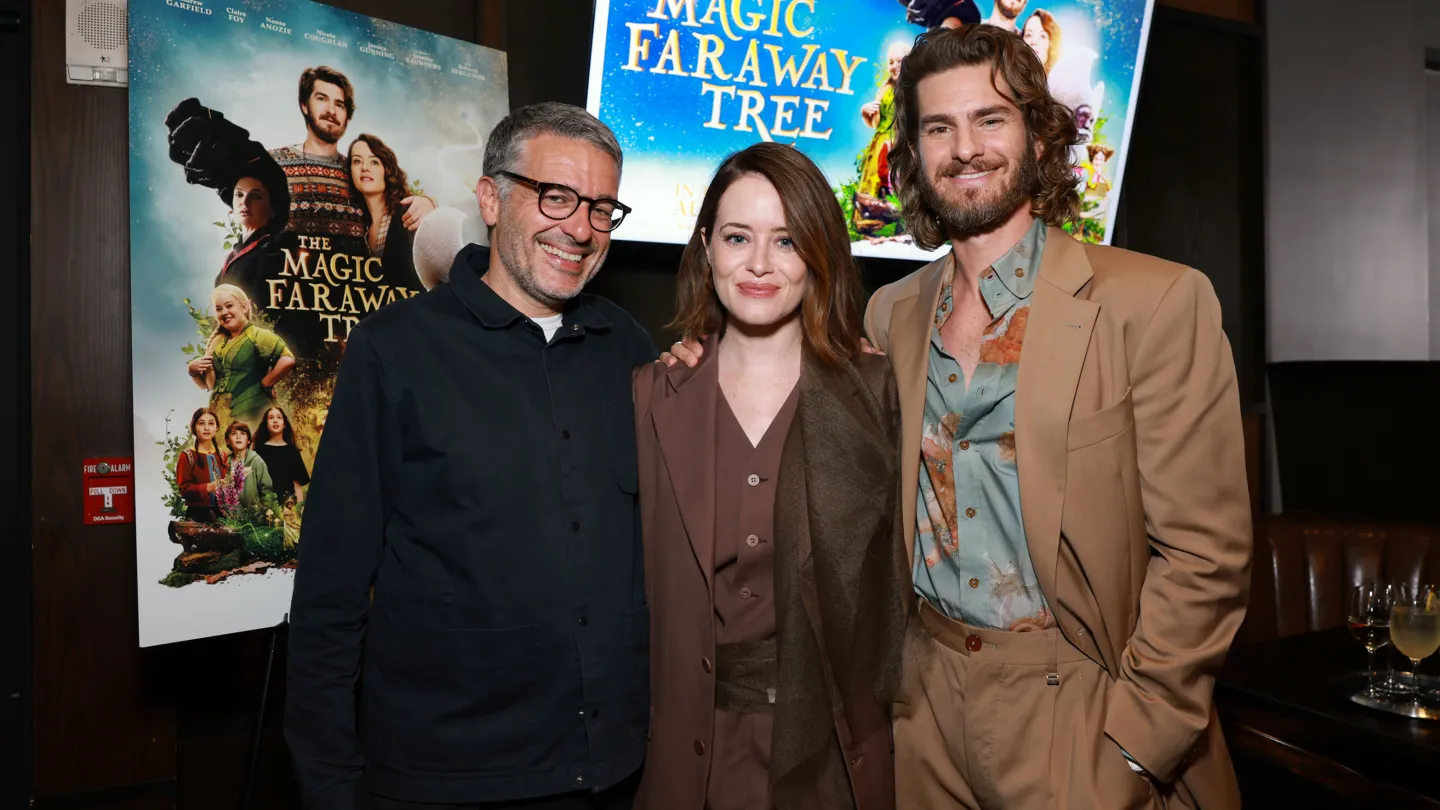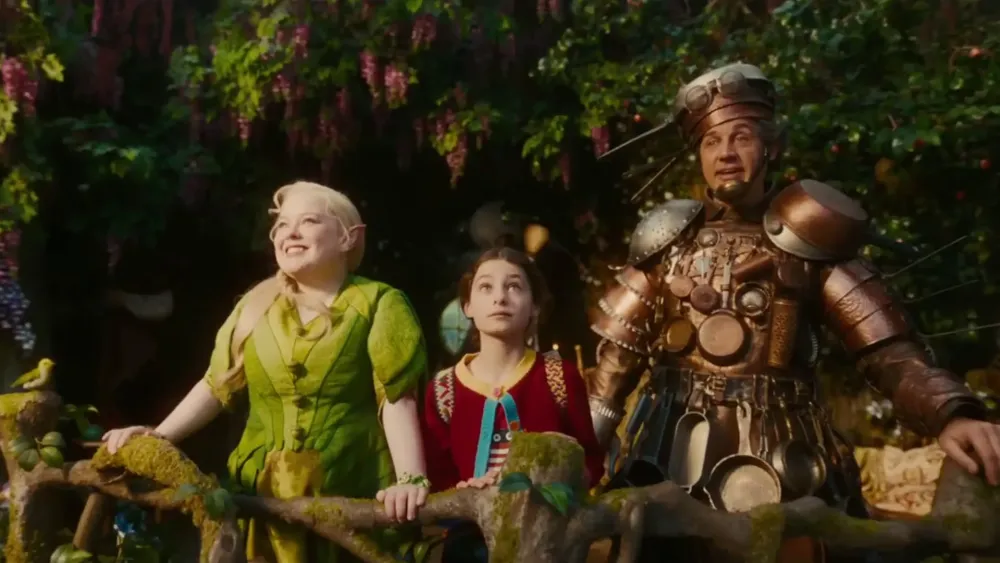
If the children’s books of Enid Blyton have fallen out of fashion in classrooms and libraries — largely due to the racism and regressive gender politics throughout the British author’s oeuvre — they remain ripe for rehabilitation through adaptation. The BBC has churned out seven series of “Malory Towers” since 2020; in 2023, “The Famous Five” got a glossy TV makeover under the unlikely direction of Nicolas Winding Refn. Though big-screen success has largely eluded the Blyton brand up until now, “The Magic Faraway Tree” changed that in the spring. Based on Blyton’s series of fairy-folk fantasy adventures, Ben Gregor‘s amiably sparkly, necessarily modernized film wound up outgrossing Pixar’s “Hoppers” on U.K. screens back in March; whether or not American kids concur when the film releases Stateside this weekend, two sequels have already been greenlit.
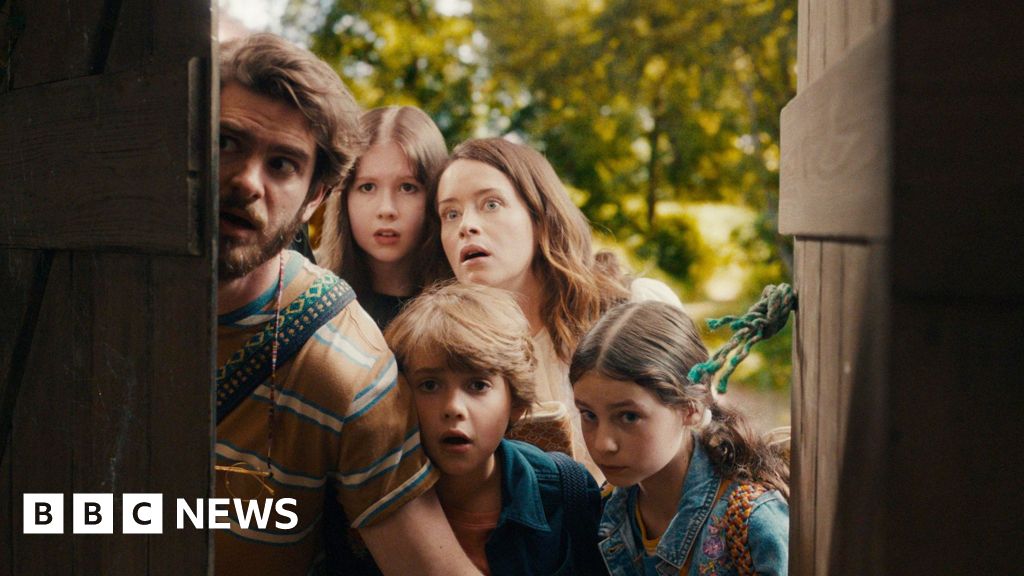
For the nostalgically inclined, the film’s domestic success reps a victory for old-fashioned family entertainment with old-fashioned family values. It is, after all, a story of a disconnected urban brood whose move to the countryside forces them to put down their phones and engage with both the natural and magical worlds — and, in the process, with each other. As commendably as “The Magic Faraway Tree” celebrates the virtues of wonder and imagination, however, the film is not itself all that wondrous or imaginative: Alongside Blyton’s source text, its creative DNA jumbles elements from the most recent film adaptations of “The Secret Garden,” “The Chronicles of Narnia” and, especially, the “Paddington” films, with which it shares a screenwriter in comedian Simon Farnaby.