Introduction to strokes.js
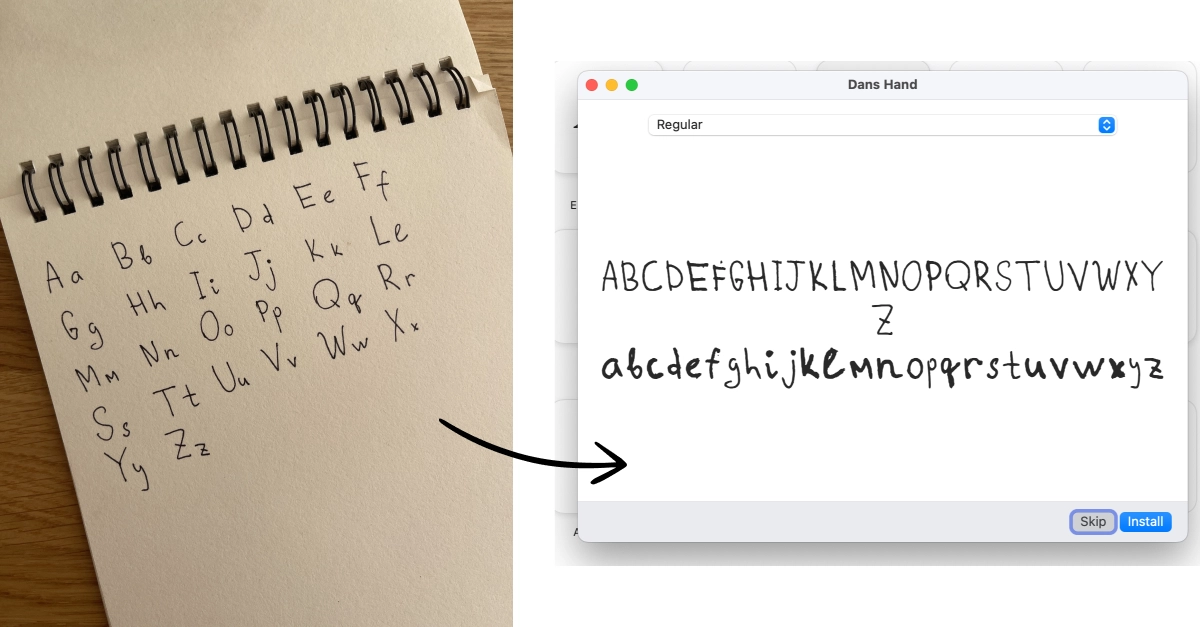
In the quest for more expressive and personalized web typography, strokes.js emerges as a groundbreaking solution. Traditional webfonts, while versatile, suffer from an inherent limitation: their static nature. Every instance of a webfont renders identically across devices and browsers, stripping away the uniqueness and variability inherent in human handwriting. strokes.js tackles this problem head-on by replacing static glyphs with dynamically rendered SVG paths, mimicking the fluidity and imperfection of hand-drawn text.
The Problem: Static Webfonts and Their Limitations
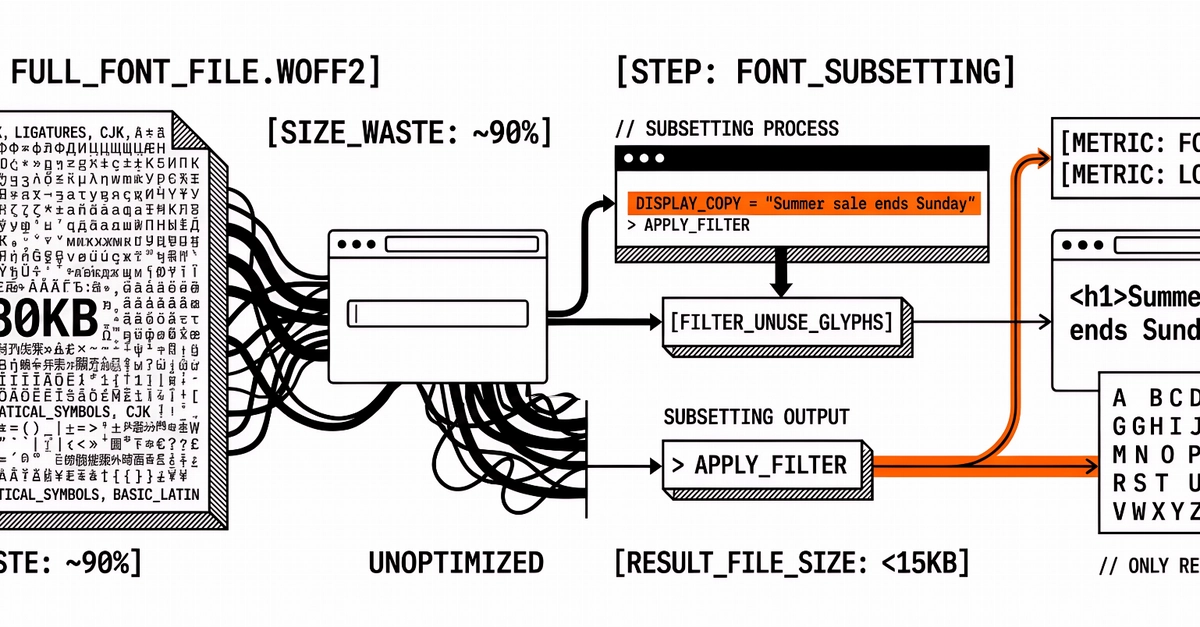
Static webfonts are essentially fixed vector outlines. When rendered, they follow a predetermined shape without variation. This uniformity is efficient for consistency but fails to capture the natural randomness of handwriting. For example, the letter "a" in a handwriting font will look identical every time it’s used, regardless of context or position. This lack of variation makes the text feel mechanical and detached from the organic quality of human writing.
The strokes.js Solution: SVG Paths with Dynamic Variation