When Chevron reported its highest quarterly profit in six years on July 31, 2026, it was just one detail in a larger picture: Analyst firm Wood Mackenzie estimates the global oil and gas industry is on course for a cash windfall of US$495 billion in 2026. That’s profit above and beyond what the industry expected before the U.S.-Israel war with Iran began.
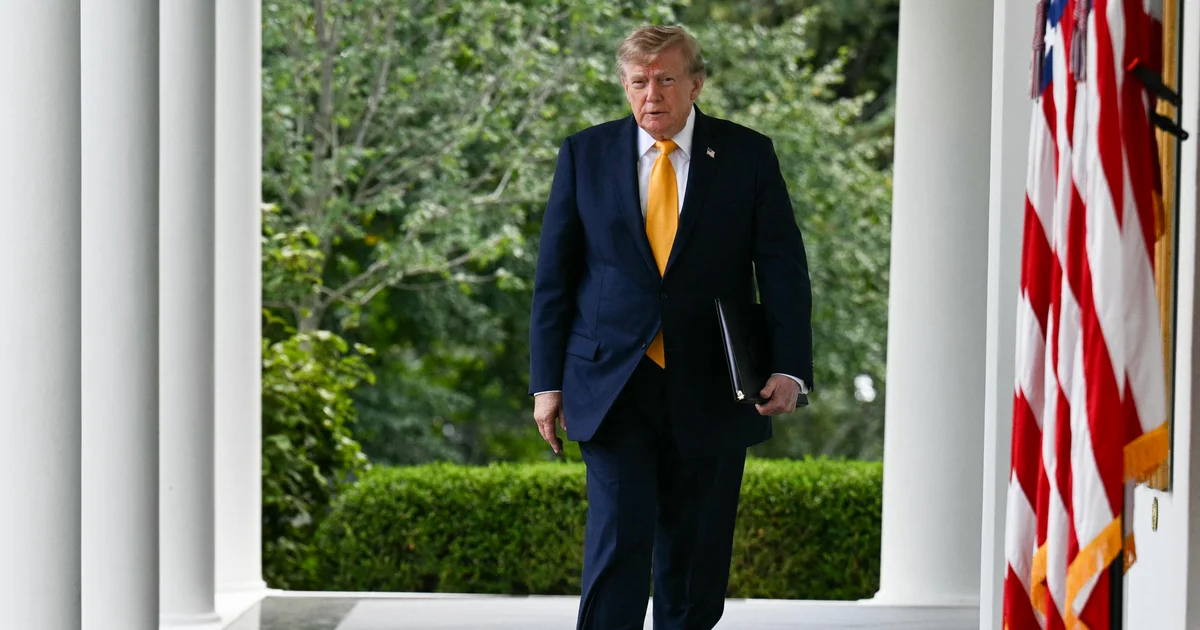
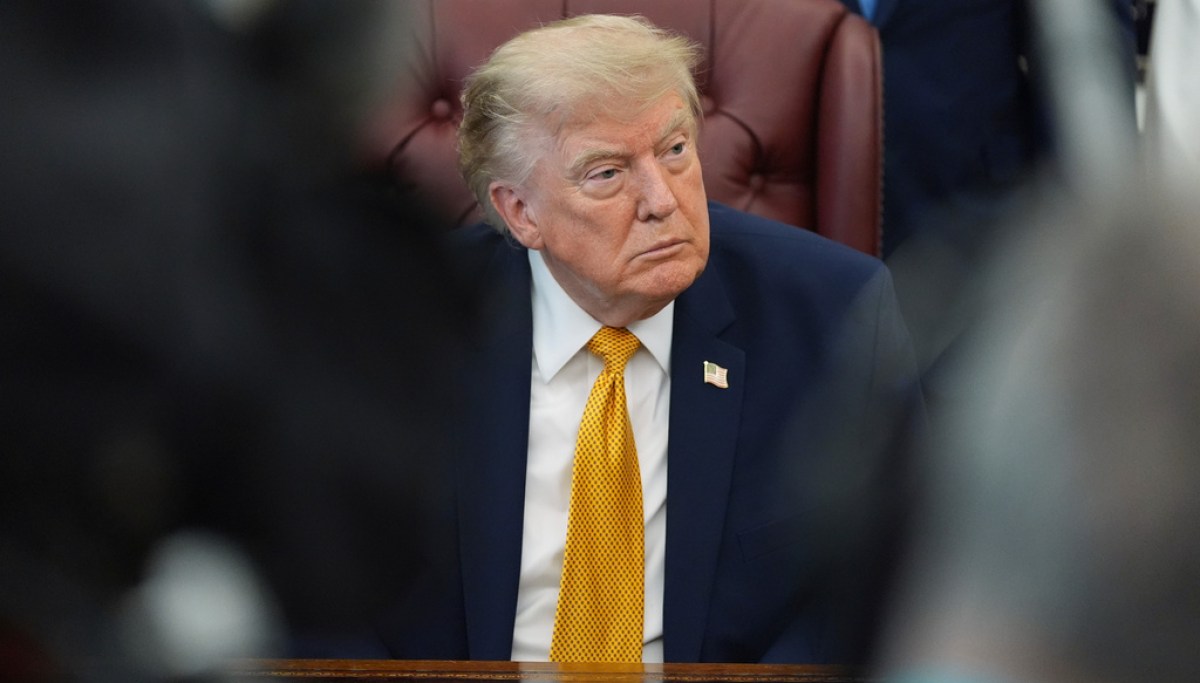
Three separate bills seeking to tax those profits are now in Congress, and President Donald Trump has even said the oil companies are “making too much money.”
As an applied microeconomist, I am often asked how taxes affect economic activity. Economists have long held a more nuanced view of windfall taxes than either side of the current debate suggests. Advocates often make overly optimistic revenue projections, and opponents often overstate how much such a tax might discourage investment. A 1980s U.S. windfall-tax experiment is instructive on both counts.
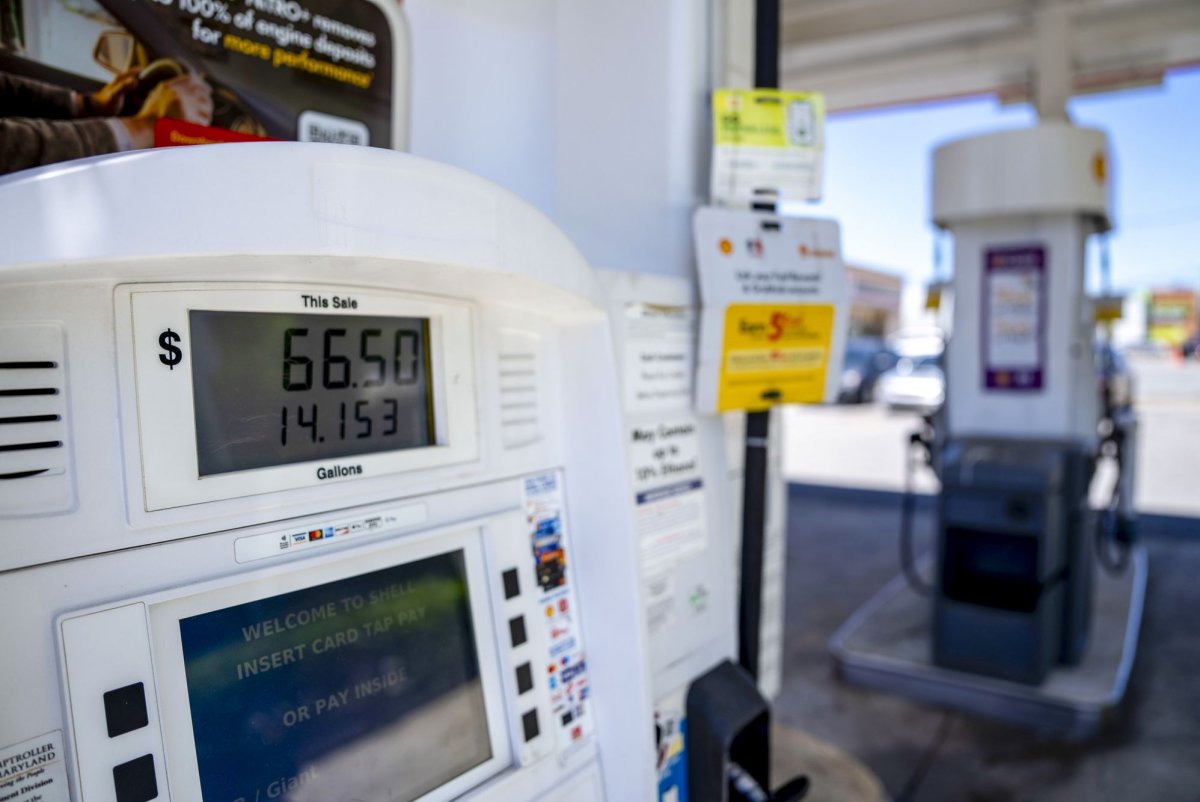
As customers pay more, oil giants are raking in the cash. Brandon Bell/Getty Images
Other nations have this type of tax