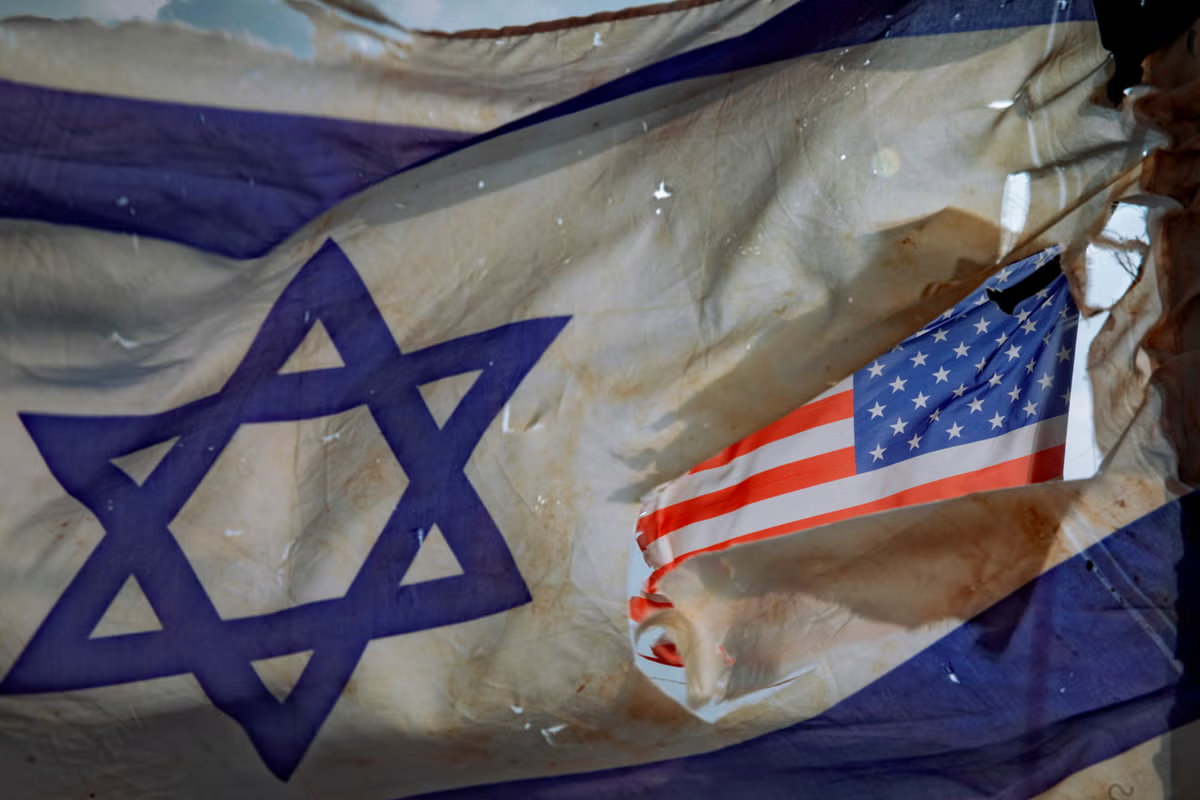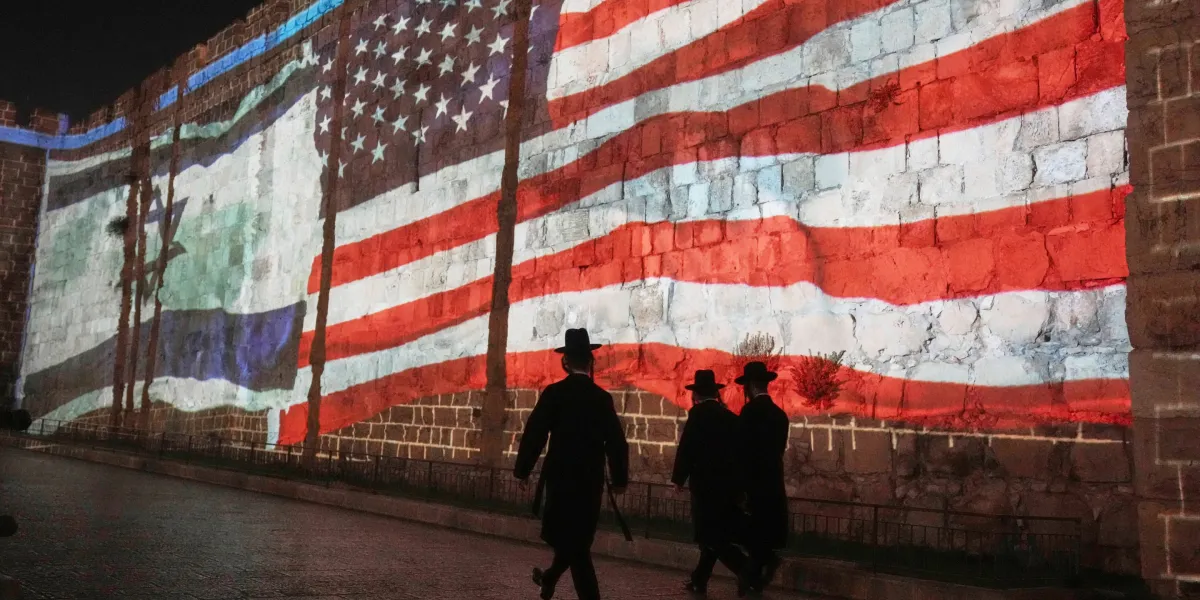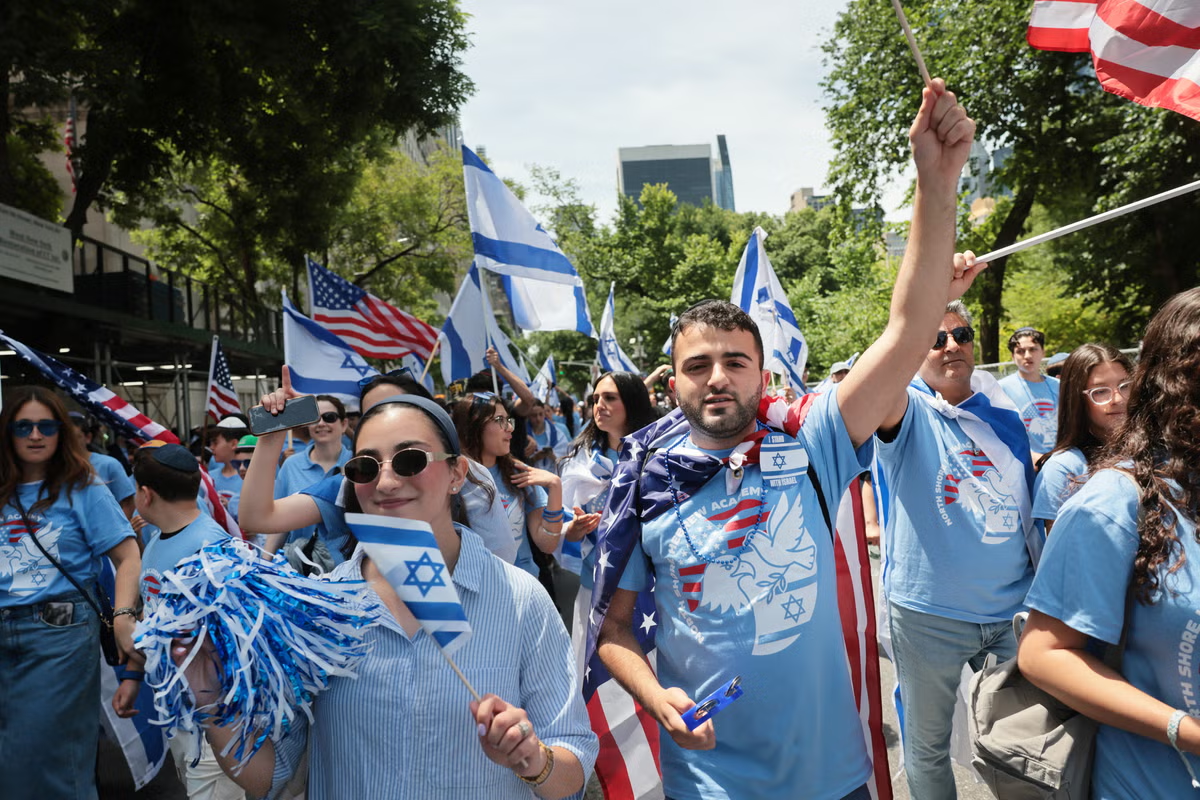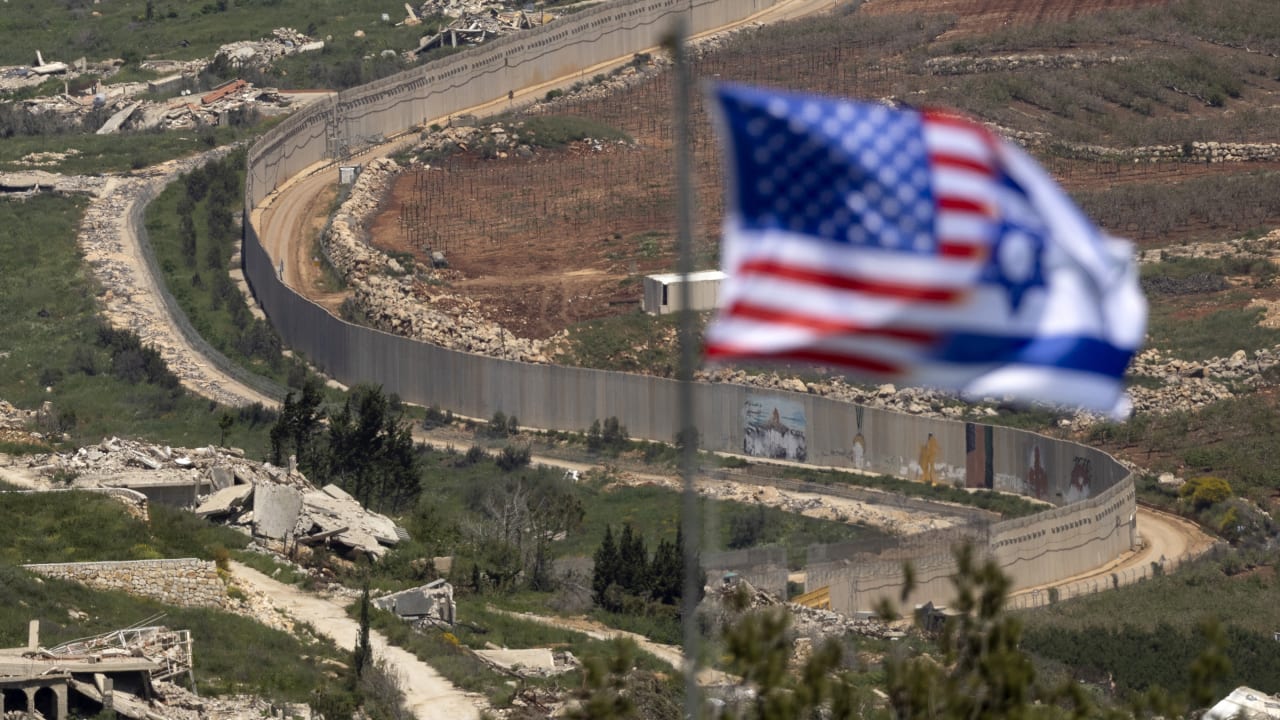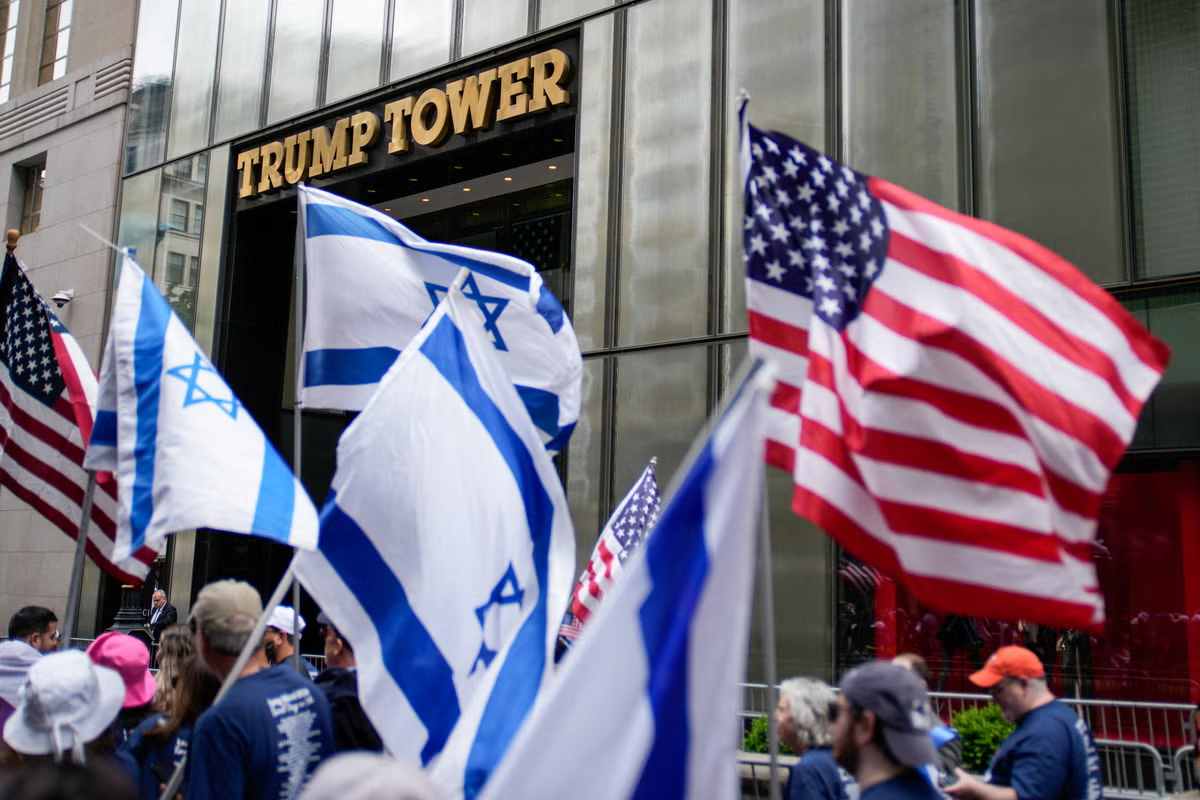
Concerns are growing among Israelis across the political and religious spectrum over a fraying bond with younger Jewish Americans, who place less importance on supporting Israel as part of their identity compared to older generations, a recent AP-NORC survey reveals."It’s extremely important to us," stated Itai Nixon, the head of the diaspora department at Israel's Ministry of Diaspora Affairs. "We’re the state of the Jewish people, not just Israelis."Lesley Sachs, chair of the Israel Movement for Reform and Progressive Judaism and a critic of the current Israeli administration, similarly views a close working relationship with diaspora Jews as a "strategic asset" for Israel and the global Jewish population.Consequently, she expresses deep apprehension that Jewish people abroad are losing their feeling that Israel serves as a sanctuary, particularly at a time when growing antisemitism impacts them irrespective of their political or religious beliefs."That was always really, really important that everybody around the world, especially after the Holocaust, knows that there is a country that will always take them," Sachs remarked while at her Tel Aviv synagogue. "This is already a few generations after, and this is less prominent in their DNA. And I think that this is really a failure on the part of both Israel and world Jewry, that we have not managed to keep that prominent."Taglit-Birthright Israel has provided free 10-day "discovery" trips to Israel for one million young Jewish adults from the United States and other nations since 2000. According to the organization's chief executive, demonstrating how a personal bond with Israel transcends contentious political debates has become more necessary than ever."That really increases the importance of my job to expose people to what they give up on," explained Gidi Mark. "What we give them is a mirror."Cracks appear in the long-standing Israel-US allianceWhile Israel and the United States share a historical alliance, President Donald Trump met with Israel's Prime Minister Benjamin Netanyahu in Washington earlier this week to confer on the conflict with Iran that both nations initiated five months prior."The United States is perceived as the best friend of Israel in the entire world, and that’s still the case," noted Tamar Hermann, director of the Viterbi Center for Public Opinion and Policy Research at Jerusalem's Israel Democracy Institute.(Reuters)However, disagreement surrounding a potential ceasefire in the conflict with Iran has eroded faith among Jewish Israelis that Trump places Israel's security first, falling sharply from 64% in March down to 26% by June, research from the institute indicates.Against this backdrop of diplomatic strain, Israelis note that the influence of American Jews, who have traditionally advocated for military, financial, and political assistance to Israel, is becoming increasingly vital. This amplifies anxiety that progressive youth in the U.S., including young Jews, view any allegiance to Israel as incompatible with their personal principles.This drop in affinity has grown sharper following the October 7, 2023 attack, in which militants led by Hamas killed 1,200 individuals, predominantly civilians, in southern Israel and seized 251 hostages. Israel's subsequent military campaign against Hamas in Gaza has resulted in over 73,000 deaths, based on figures from the Gaza Health Ministry. Operating under the Hamas-administered government, the ministry keeps detailed logs that international entities and U.N. bodies generally consider dependable. Its tallies do not differentiate combatants from non-combatants, though it states that women and children constitute roughly half of those killed.The war subsequently triggered widespread demonstrations throughout the U.S., particularly across university campuses."Holocaust, refugees, the importance of Israel in times of need abroad, and the fact that Israel is a small country fighting for its existence … that’s history they read in a book," Sachs observed regarding younger Jewish Americans. "They weren’t emotionally part of it in any way or any form. And so they look at their values and the things that they believe in. And they don’t see it in Israel."Complex ties define the relationship between Jewish Americans and IsraelData from the AP-NORC survey shows that roughly four out of ten religious Jewish adults under the age of 45 in the United States regard backing Israel as "extremely" or "very" central to their Jewish identity, compared to approximately half of older religious Jewish adults.The poll of 1,022 Jewish adults—encompassing those identifying as Jewish by faith alongside culturally, ethnically, or secularly affiliated individuals—revealed that just around half of religious adults believe Israel's ongoing military operations in Gaza are justified. Among Jewish adults without a religious affiliation, that proportion drops to just two in ten.Meanwhile, approximately six in ten Jewish adults view anti-Jewish bias as an "extremely" or "very" severe issue facing the United States today.To many Israelis, growing safety threats faced by Jews make it all the more tragic that younger Jewish Americans no longer perceive the state of Israel as a refuge or even an ally."Antisemitism sadly helps us to explain why a Jewish homeland is not a bad idea," stated Asaf Zamir, a deputy mayor of Tel Aviv and former consul general in New York. "Opposing the government is fine, but you cannot understand your history as a Jew without understanding the part of Israel in it."Israel seeks to engage secular and progressive North American JewsTo foster stronger bonds with diaspora communities, both Israeli state institutions and faith-based groups are expanding exchange initiatives. For decades, young Israelis have worked at North American Jewish summer camps, while Jewish individuals outside Israel receive complimentary visits to the country."To see Israel and meet Israelis is the gold standard," Nixon remarked regarding youth trips to the nation.Gidi Mark of Taglit-Birthright noted that ongoing conflicts since 2023 have reduced trip attendance and altered how visitors experience the country. He described an instance where a visitor shouted "Israel! Israel!" outside a hotel simply because he felt secure enough to express his identity."These people don’t feel free to experience who they are in the places that they are coming from," Mark said.These and other initiatives focus on non-religious Jews and members of Reform Judaism, which represents the largest Jewish branch in North America and emphasizes progressive values such as social justice.Orthodox Jews living abroad tend to maintain stronger connections to Israel, while Orthodox Israelis typically report feeling closer to diaspora Jews than secular Israelis do, Hermann noted.Within the Israeli Reform movement, which constitutes a minor segment of Judaism in the country, there is a distinct push to send more young Israelis overseas to work as camp counselors."That kind of action is important, that one-on-one connection saying, ‘You know what, we believe in the same things you do. Really, we have the same ideology in general, and we feel we need to change Israel together,'" Sachs said. "We need to be partners in making Israel the country that we all need."Eighteen-year-old Alma Edry is spending two months serving as a counselor at a progressive Jewish summer camp in Ontario alongside teens and young adults from Canada and the United States. She noted her primary surprise was "that Israel is such a big deal for people outside the country.""Most of their friends are anti-Israel," she observed concerning the campers. "This is their chance to celebrate their connection."
Fraying bond between Israel and young American Jews sparks deep concern
Within the Israeli Reform movement, which constitutes a minor segment of Judaism in the country, there is a distinct push to send more young Israelis overseas to work as camp counselors
1,174 words~5 min read