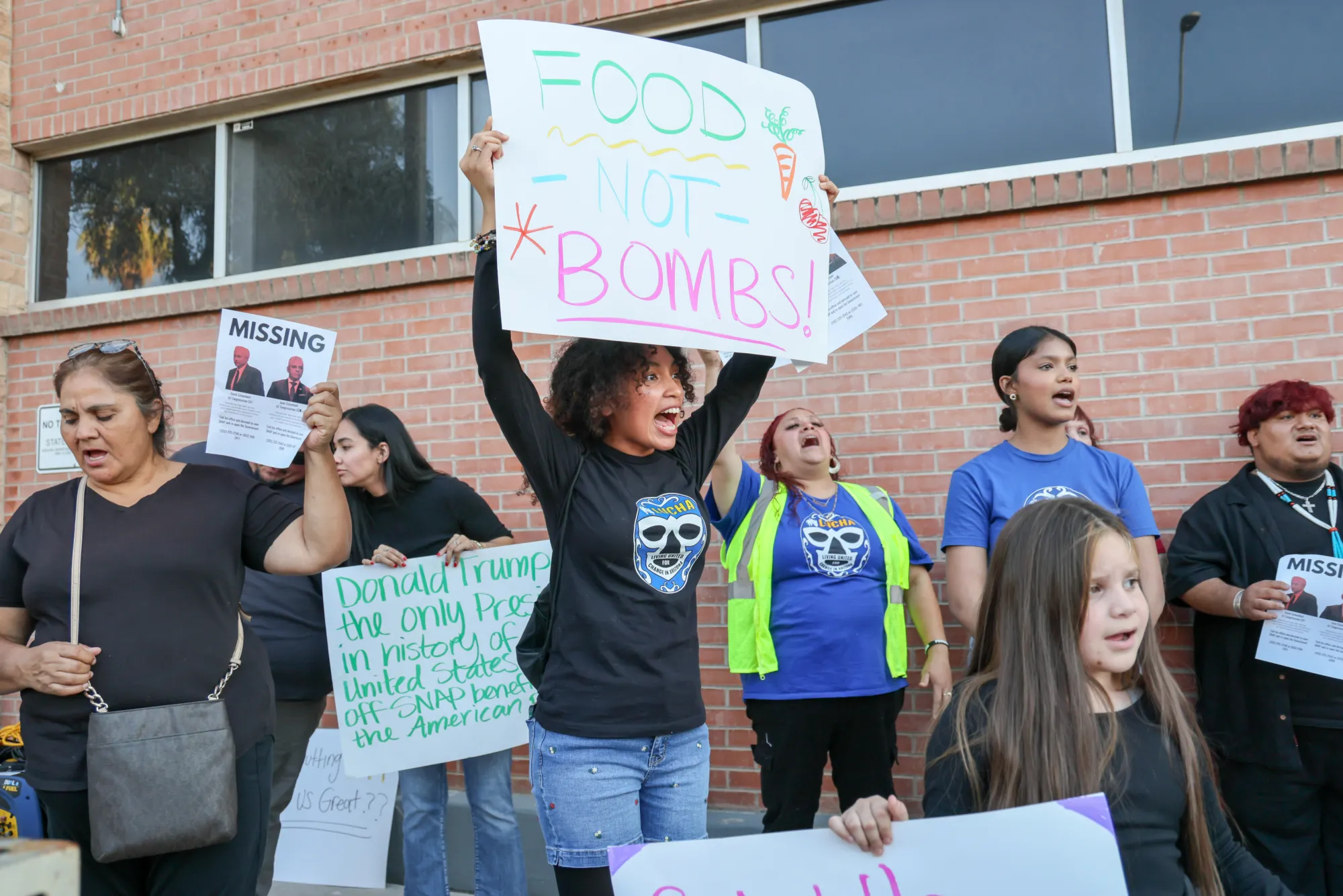
Enrollment in the biggest federally funded food aid program in the U.S. dropped by more than 13% in a 12-month span — a decline far steeper than the government estimated as work requirements and other provisions of President Donald Trump’s “big beautiful bill” take hold.
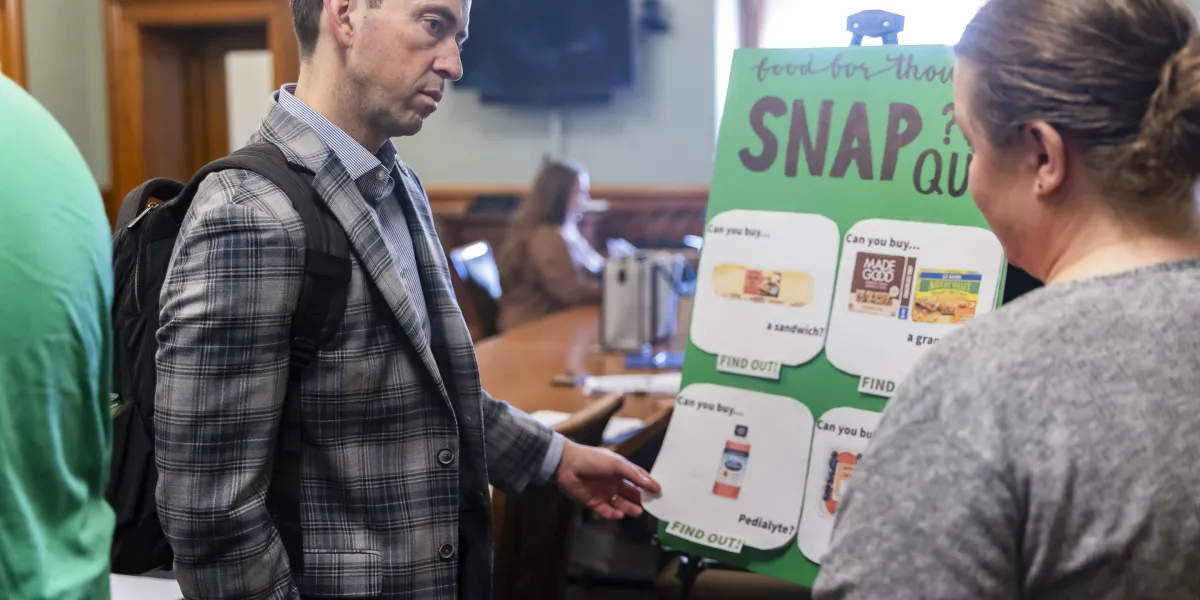
Those losing coverage in the Supplemental Nutrition Assistance Program, or SNAP, include people who don’t meet the tightening requirements to participate, and, advocates say, some who qualify for the help but are rejected because they miss deadlines or don’t have the needed documentation handy. It’s too early to tell exactly how many fall into each group.
It’s also unclear how many have lost coverage because some state agencies that run the programs are overwhelmed trying to keep up with changes. That was the case in Arizona, which saw the nation’s largest enrollment drop.
Tia Fields, who analyzes social safety net policies at the advocacy group Invest in Louisiana, said the main reason she’s seeing people lose coverage is not failure to meet work requirements. “A lot of it is administrative paperwork,” she said.
Proponents of welfare reform hope the roll reductions are driven by people earning too much to keep qualifying — a sign that policy changes are behaving as intended for a program they assert is riddled with fraud.