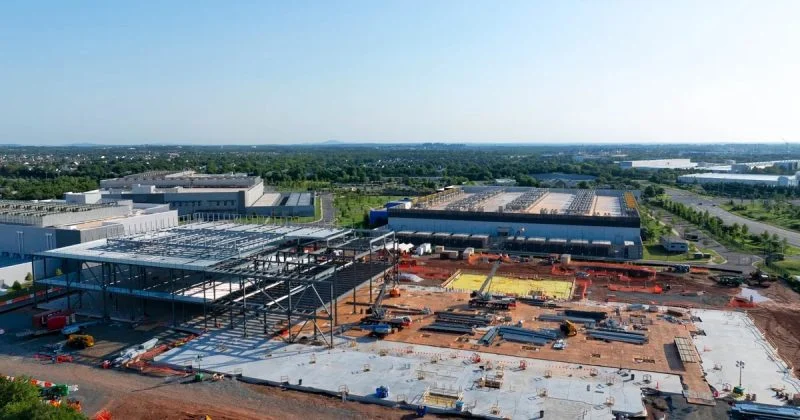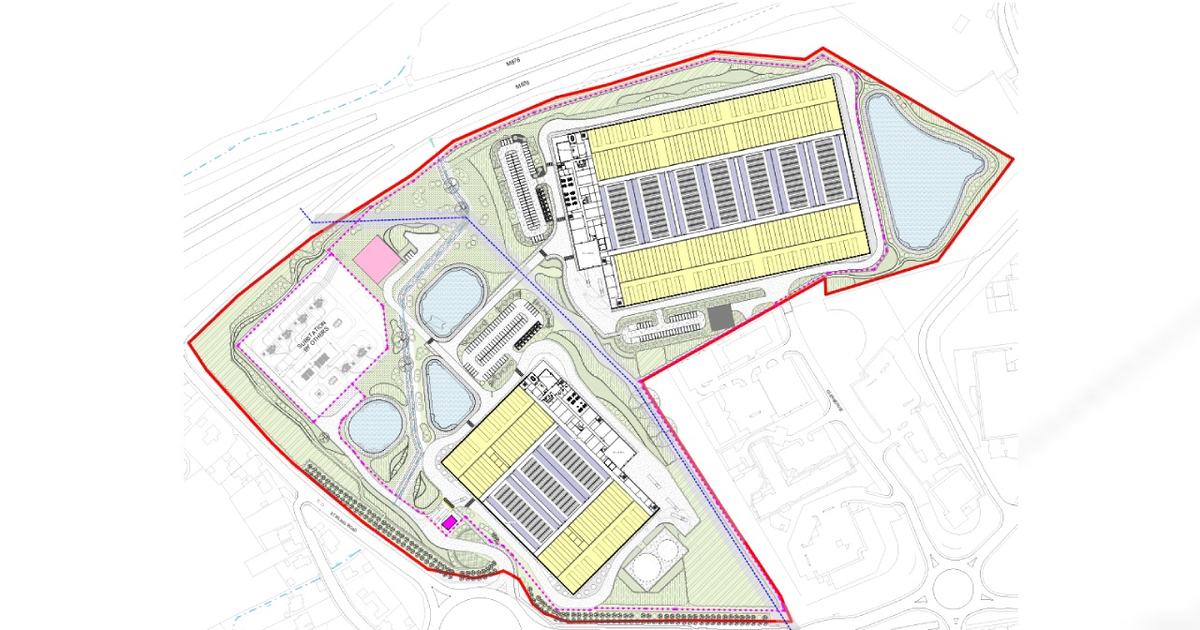
In the Lammermuir Hills of the Scottish Borders, a developer is proposing to build three data center buildings, each up to 24 meters tall, on land where the loudest sound has typically been wind. The £2 billion ($2.7bn) investment project is still in the pre-application phase, but it has already prompted a 10,000-signatures-strong public petition and organized local opposition.
This is increasingly the opening chapter for hyperscale developments around the world: a proposal, followed by resistance, followed by delays that often prove harder to overcome than the engineering itself.
AI is driving an unprecedented need for compute capacity, while governments increasingly view digital infrastructure as a strategic asset rather than simply another real estate class. Analysts expect global demand for data center capacity to continue rising sharply over the remainder of the decade, fueled largely by AI workloads. Meeting that demand will require new facilities at a scale the industry has never attempted before.
For many communities, that investment brings genuine opportunity. Large-scale developments create construction jobs, attract long-term capital and support local businesses throughout the supply chain. Regions that have experienced decades of industrial decline can benefit from a new generation of infrastructure investment, while operational facilities create skilled technical roles that contribute to local economies long after construction has finished.