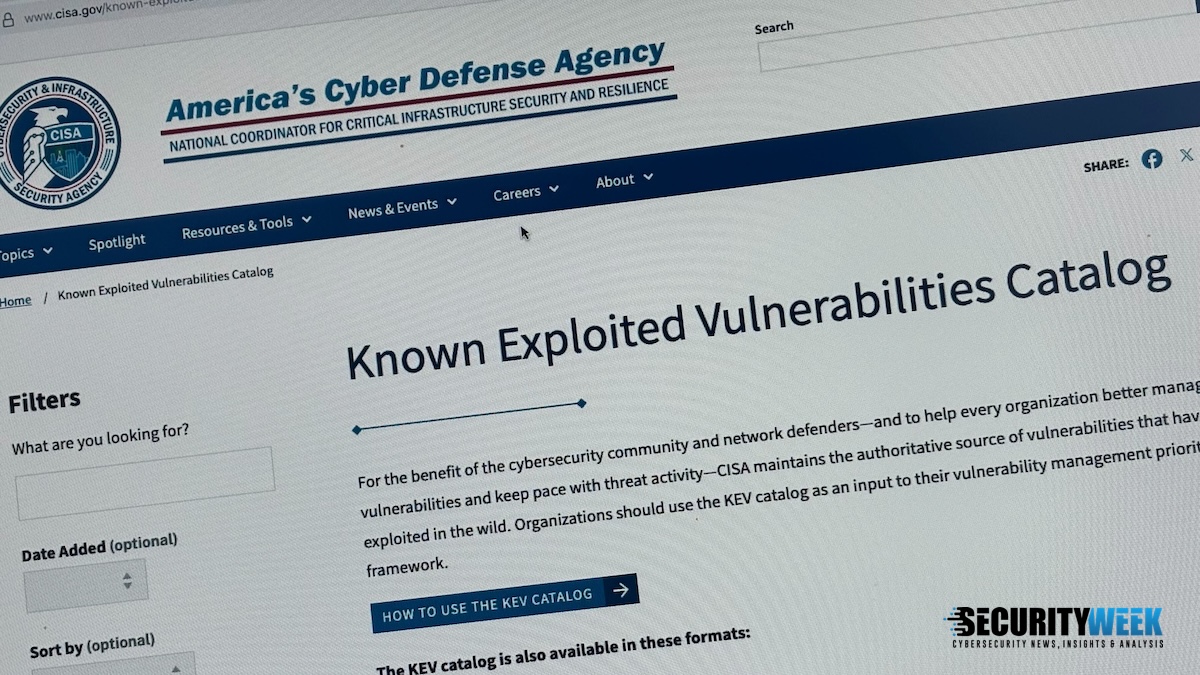
On July 30, 2026, JFrog's security team published something that should worry anyone whose build pipeline opens tickets automatically from a vulnerability scanner. A newly created GitHub account had submitted a batch of SQLite vulnerability advisories. NVD quickly flagged them as critical. CISA's ADP enrichment program agreed. Red Hat initially assigned one of them, CVE-2026-51302, a perfect 10.0 CVSS score.
None of it was real.
JFrog's investigation found that the referenced functions did not exist in the SQLite versions the advisories claimed to target. Cited line numbers pointed past the end of the file. The "patched in 3.51.3" claims were ghost fixes, a diff between 3.51.2 and 3.51.3 shows zero changes to the file the advisory named. Of 55 advisories published by the same account, 54 were completely fabricated, machine-generated text designed to look like security research. When JFrog combined the advisories into one file, AI-generated content detectors lit up immediately.
Red Hat quietly downgraded that 10.0 to 7.6 after the pushback. But by then the fake advisories had already flowed through the standard pipeline: MITRE form, NVD, GHSA, and from there into every enterprise scanner that syncs those feeds.