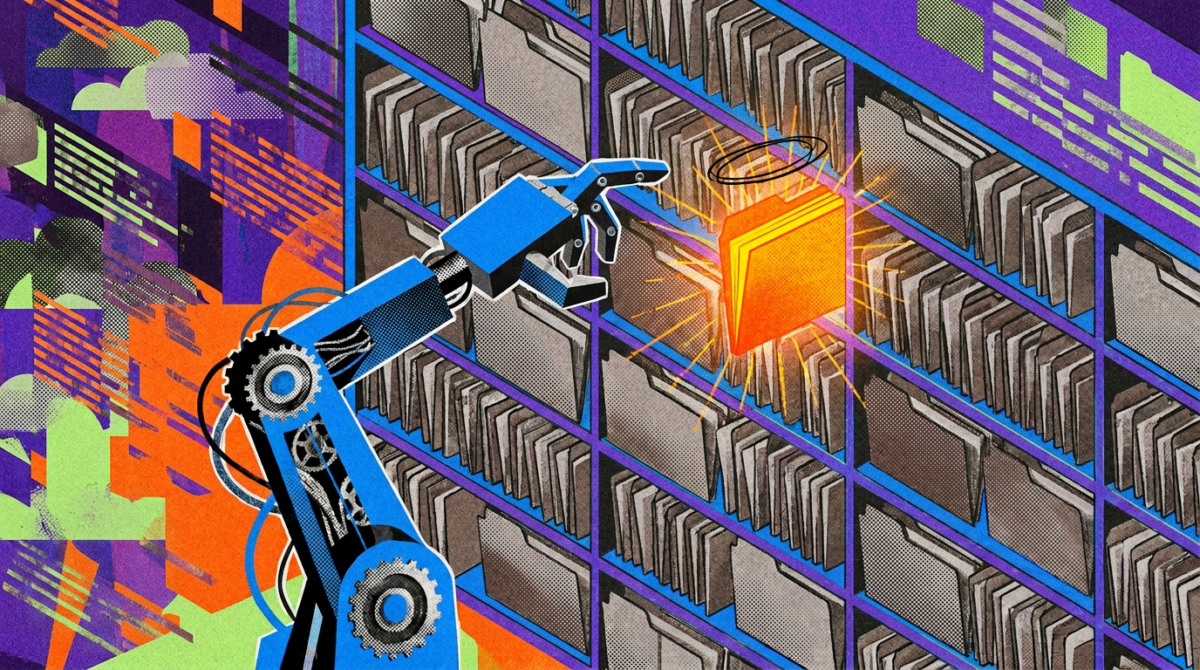
Skills are seen as a practical way to make AI agents more capable without retraining them. A new study shows why they work and where they fall short.
At its core, a skill is a compact set of instructions. It spells out the steps an AI agent should follow for a task, what it needs to check, and which common mistakes to avoid. Instead of starting from scratch on every new task, the agent pulls from these stored experiences. Until now, according to a new study, their value was measured only by whether an agent with skills solved more tasks. Why that happened stayed unclear.
A team of researchers from Princeton University, UC San Diego, and other schools dug into that question through controlled experiments. The authors compared how agents behaved with and without a skill on identical tasks across 8,135 test runs.
Skills are a playbook, not a knowledge base
The main finding: skills help mostly because they give agents a reliable process to follow, not because they supply missing facts. This "procedural grounding" accounted for 65.7 percent of the cases where an agent with a skill did better than one without. Directly supplying knowledge helped in just 4.5 percent of the tested cases.