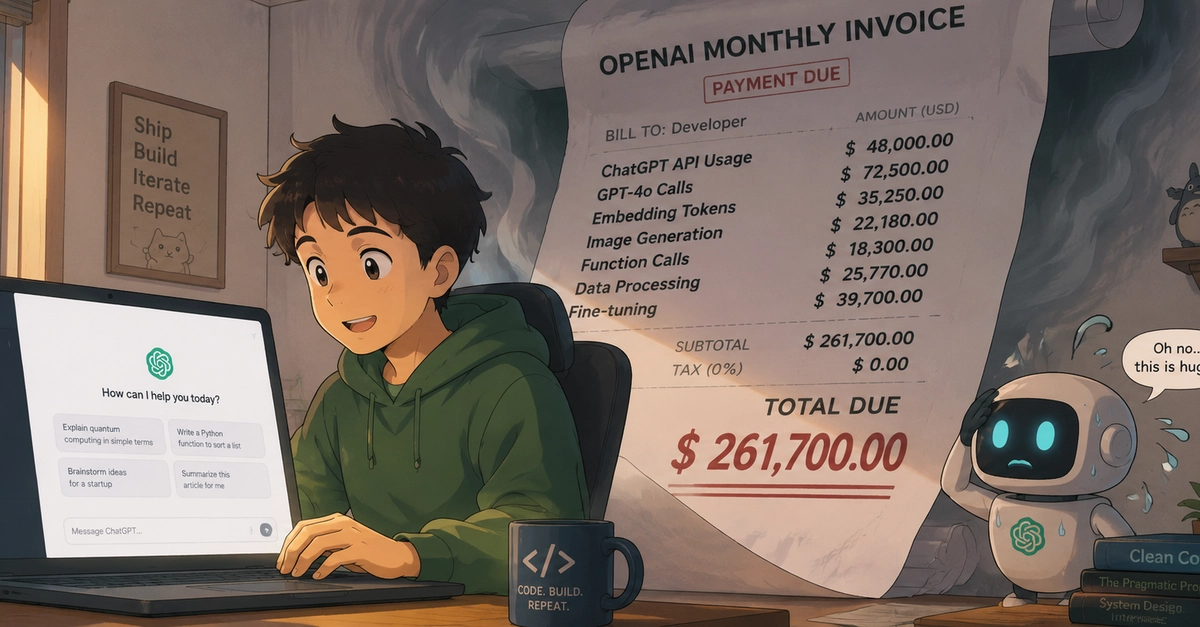
Branden Jenkins was out to dinner when he pulled out his phone, glanced at his AI usage dashboard, and realized his weekend coding session had just cost him $1,000 — charged automatically, in $1,000 increments, to a card set on auto-renew.
Jenkins is the CEO of Maxio, a private-equity-backed software company headquartered in Atlanta that’s on a path toward $100 million in annual revenue over the next couple of years. He’s also, by his own admission, near the top of his company’s internal AI spending leaderboard — an odd place for the chief executive to land. “A thousand is not that much, I would say, but for one weekend, it’s pretty annoying,” he said in an interview with Fortune. Describing his agent as “cooking away,” he described his response as “Wow, I just got here quickly.”
The episode has become something of a parable inside his company — and inside corporate America more broadly — for how quickly “agentic” AI tools can consume money without anyone quite noticing until the bill lands. But Jenkins said the surprise invoice isn’t what’s keeping him up at night. The deeper problem is something messier and more human: his own employees’ “insecurity” about being outpaced by the technology — and by him.