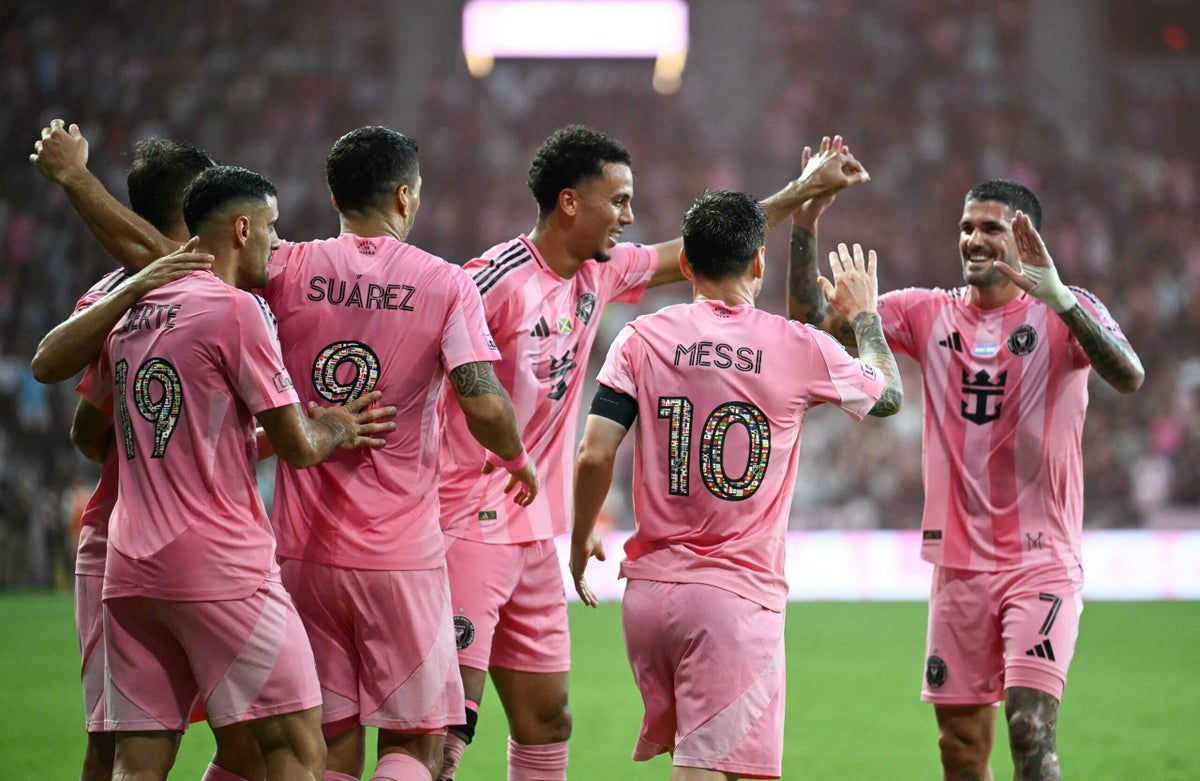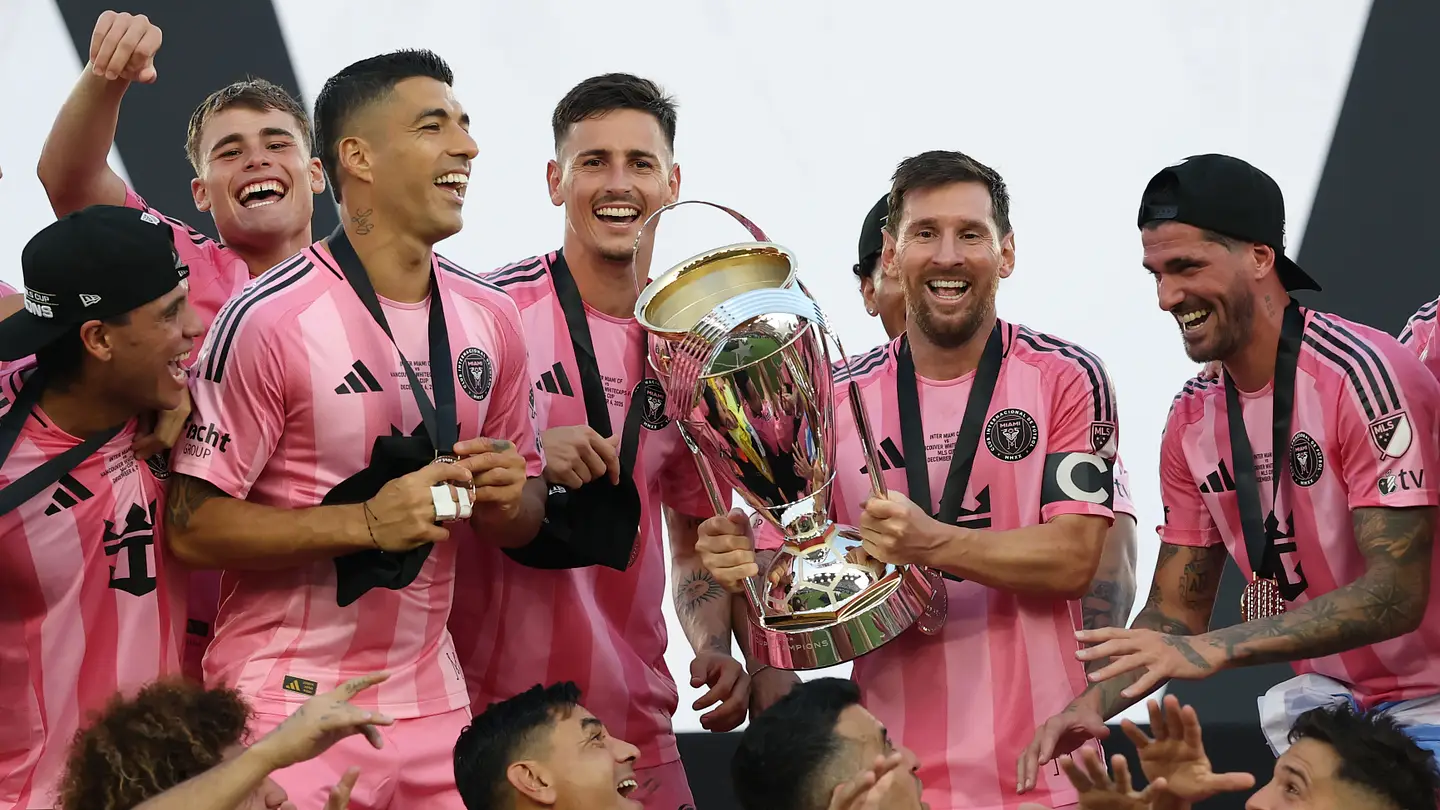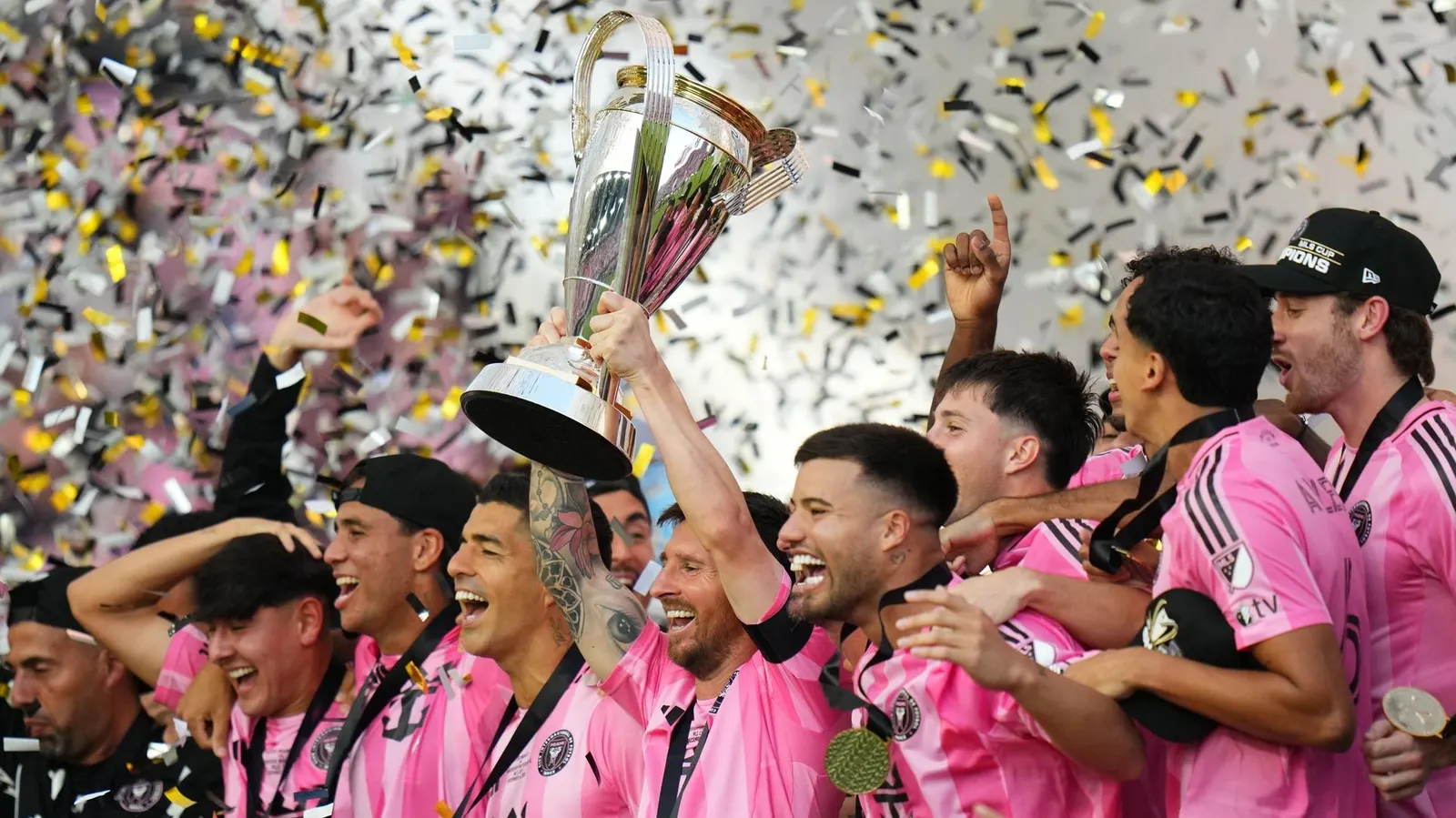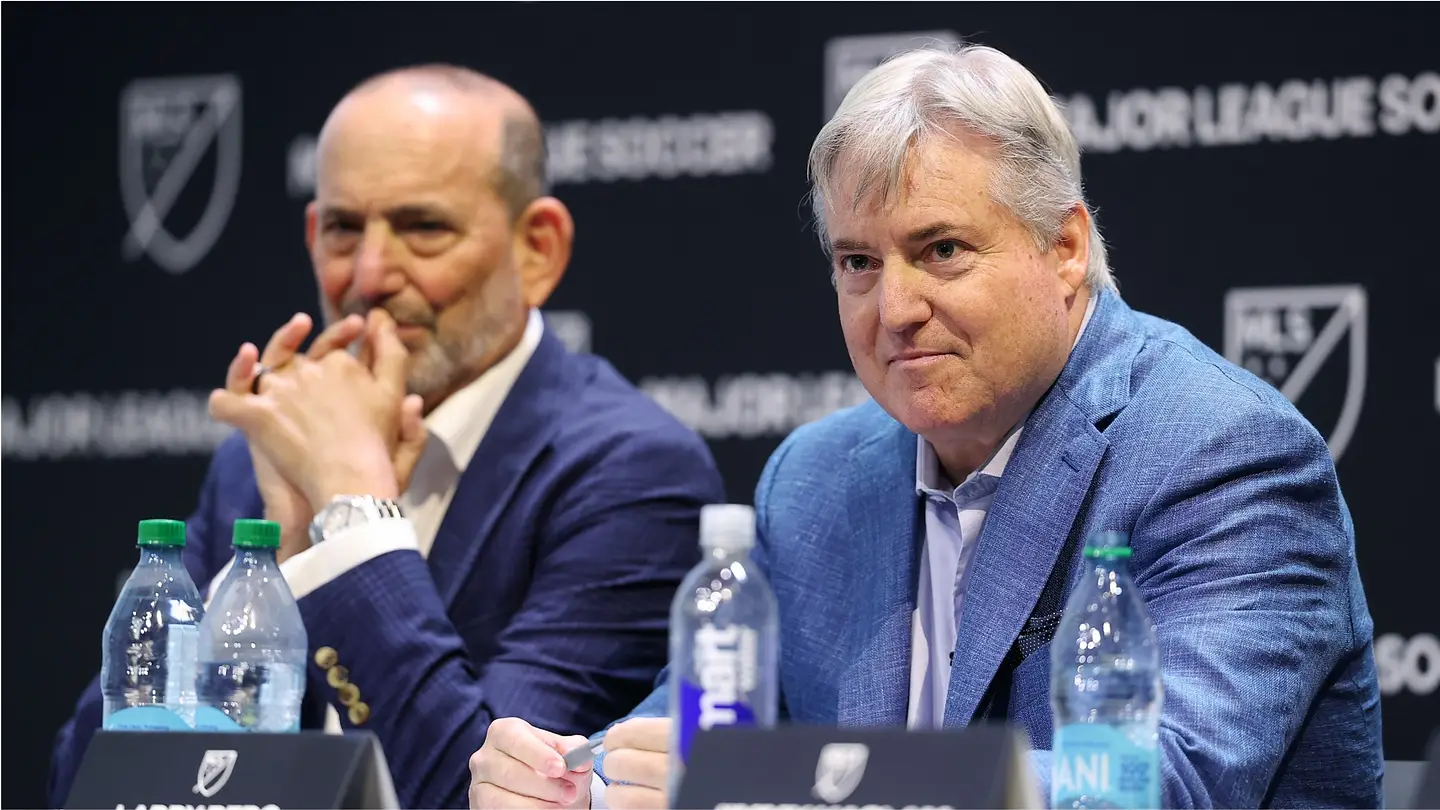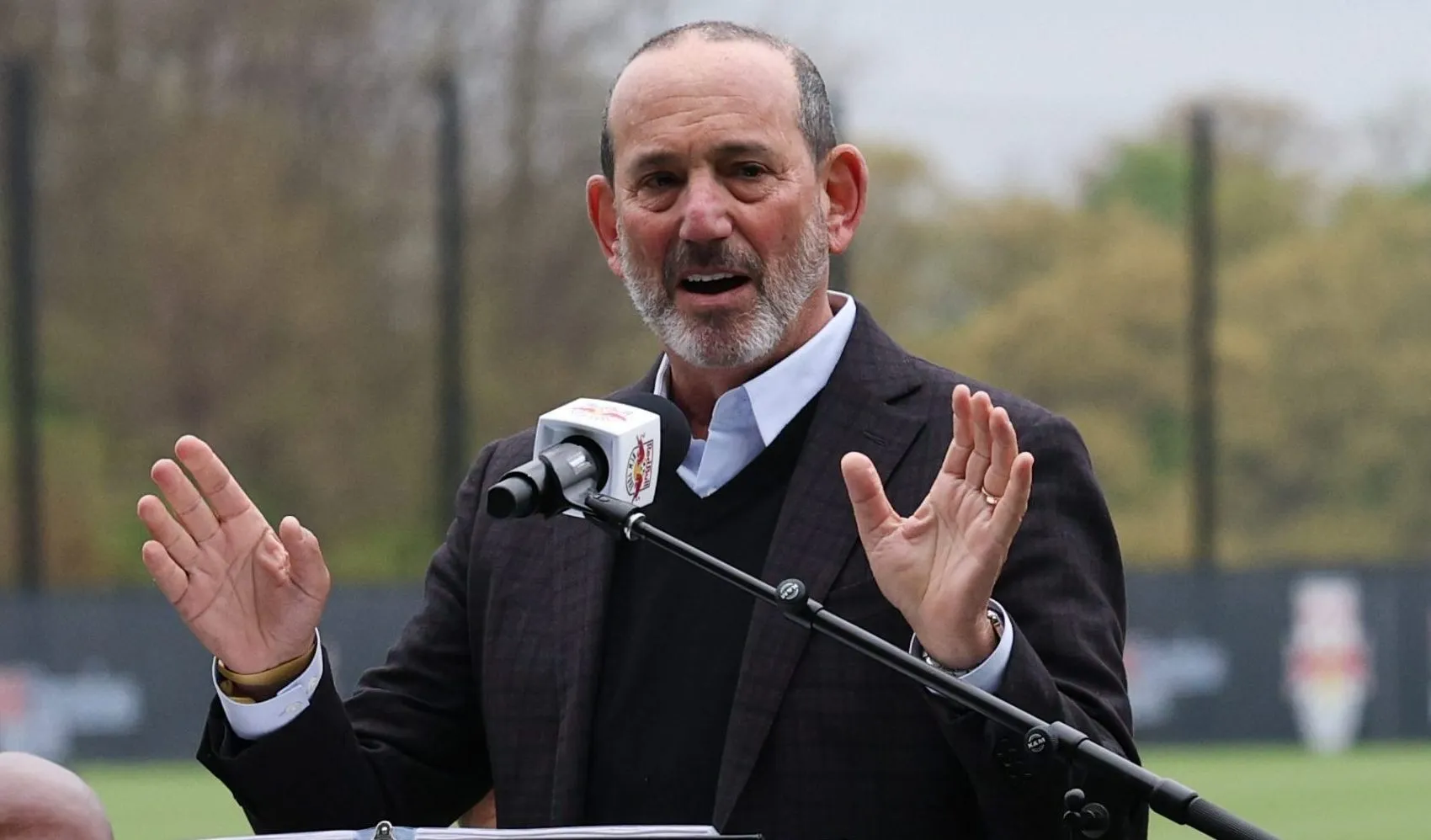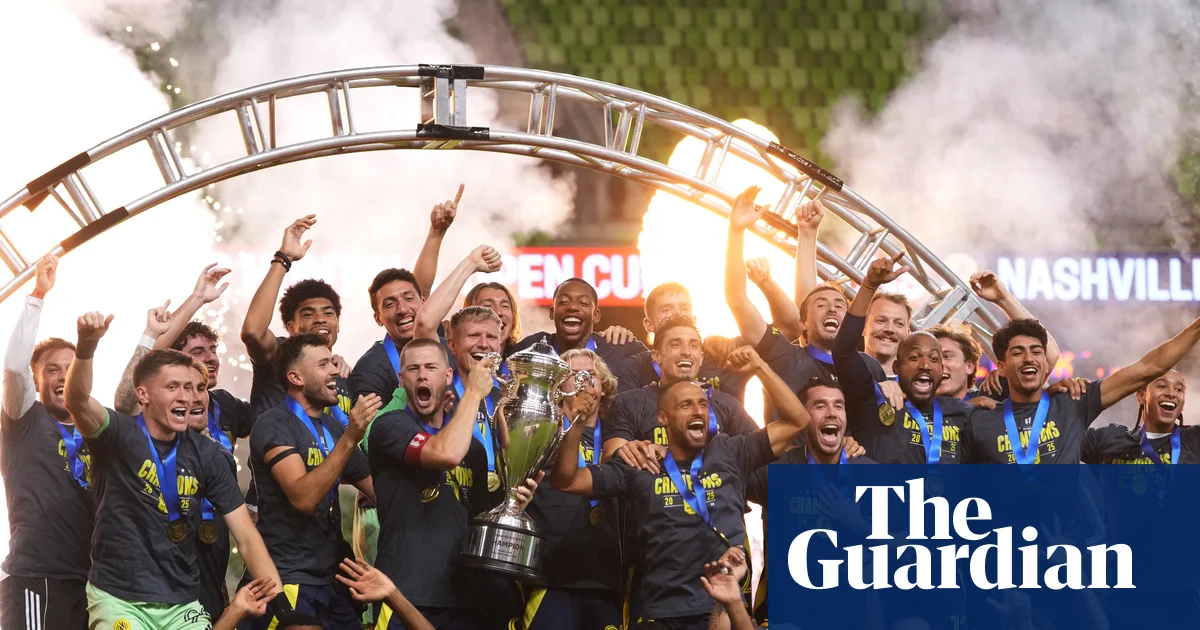
The new commissioner of Major League Soccer, Larry Berg, isn’t keen on the idea of promotion and relegation, but he is a fan of jeopardy. When asked the obligatory pro/rel question in his introductory press conference, Berg responded, “I don’t think it’s appropriate for our league, but I think there are other ways to create jeopardy during the regular season, [and] again in the playoffs.”He referred to this summer’s World Cup, which was co-hosted by the US, and the excitement it provided, adding, “Millions of people across North America experienced that passion firsthand. They fell in love with the drama, the atmosphere, the supporter culture and the emotion that makes soccer unlike anything else. In the World Cup, we all enjoyed knockout games after the group stage. I call those games of consequence or games of jeopardy.”What if the US already had something similar in its domestic game?A cup competition open to amateur and professional teams across the country, older than the World Cup itself, offering underdog drama, a platform for diverse supporter cultures, and the emotion and jeopardy of knockout soccer.Established in 1913, the US Open Cup has stuck around while professional leagues have come and gone. Today, it endures as US soccer’s most prestigious cup competition, equivalent to famous competitions such as England’s FA Cup, Germany’s DFB Pokal, and the Copa do Brasil. Given that US professional sports leagues operate closed, franchise-based divisions, it is a rare professional tournament that is open to teams from various leagues at all levels across the country. In recent years, though, it has reached a crisis point.As the two main men’s professional leagues, MLS and USL, move to expand their own operations, seemingly in competition with each other, there has been a danger the Open Cup could get left behind. MLS has already tried to leave it altogether.By 2023, the Open Cup had reached a sound state in which all eligible professional teams were entering, a record 71 that year.The Open Cup’s stories, such as El Farolito (born out of a San Francisco burrito bar) being the best-performing amateur team in two of the last three editions, and second-tier team Sacramento Republic making it all the way to the final in 2022, are unusual in US sport and were starting to attract mainstream nationwide coverage as a result. In 2023, US Soccer took control of the marketing of the tournament from MLS’s marketing arm, Soccer United Marketing (SUM), and Lionel Messi was about to grace the competition. There was a positive platform from which to build.Then – coinciding with Messi’s arrival, the expansion of the SUM-marketed Leagues Cup, and the end of SUM’s involvement in the Open Cup – MLS announced at the end of 2023 that it would no longer enter its teams into the tournament. The backlash eventually led to a compromise in which a handful of MLS teams entered the Open Cup, but it has not been the same since.For the 2025 edition, the most recent not to be affected by the World Cup, just 16 of MLS’s 27 US-based teams entered the tournament. The increase in the number of professional teams combined with the World Cup’s introduction to the domestic calendar meant that in 2026, USL also sent just 17 of its then 24 USL Championship teams.There is hope that the cup will return to full professional participation, or at least better, more merit-based avenues of qualification, including the top teams.MLS’s switch to a fall-spring season next year and USL’s planned evolution into a three-tier professional league system may also affect the cup, but there are ways for those to be a positive alignment. MLS playing its Open Cup games at the beginning of its season would add some jeopardy to a period of the regular season where losing the odd game here or there doesn’t matter so much. Lose a game in the Open Cup, however, and you’re out.USL is looking to the cup to complement its move to “complete” its new, self-contained professional league pyramid, which it will achieve by adding a new “Premier” league at the same Division I sanctioned level as MLS, in 2028.“The introduction of Premier is really about completing the men’s professional structure,” says USL president and CEO, Paul McDonough.skip past newsletter promotionafter newsletter promotion“Over time, the vision is for both Premier and the Championship to operate as single-table national leagues with approximately 20 clubs each, while League One continues to grow through a regional model. That structure provides the foundation for promotion and relegation and creates a connected professional pathway with more meaningful competition across all three divisions.”USL’s introduction of promotion and relegation, and McDonough’s comments about meaningful competition aren’t too far removed from Berg’s talk of games of consequence and jeopardy. MLS and USL will go down different routes to create this within their leagues, but the Open Cup will, again, rather uniquely in US sport, offer the chance for the respective leagues to test themselves against each other.If there is to be some form of qualification based on the previous season for the Open Cup going forward, USL wants that to be based on merit. “We think there’s value in earning those spots through competitive performance,” adds McDonough. “When Open Cup qualification is on the line, more matches matter, and more clubs have something to play for throughout the season. We think that’s good for the competition and ultimately good for the game.”MLS’s method of Open Cup qualification in recent years has been more a case of entering the teams left over after Leagues Cup and Concacaf Champions Cup participants have been decided, rather than sending its best teams. It has been more of a consolation prize rather than a place for the top teams to compete for another trophy. This qualification method has meant the last two champions, Los Angeles FC and Nashville SC, have not been able to defend their trophy, and that Messi has not been able to compete for this trophy in his two full seasons in MLS to date and isn’t doing so in 2026. The Open Cup needs these top MLS teams and players as much as it needs the charming lower-league storylines.For USL, it is also its only current path to continental competition. “We think the Open Cup is an important part of the fabric of soccer in this country, and we’ve always been committed to supporting it,” McDonough says.“We want to continue contributing to its growth and to the growth of the game, and for our clubs, it’s also a chance to dream a little. Win the Open Cup, and you’re playing for the opportunity to compete in Concacaf. That’s something every club can aspire to.”Jeopardy, meaningful competition, games of consequence. This is what the Open Cup offers. If American soccer wants to build on the excitement created by the World Cup, there is no better competition in which to do so than the Open Cup, and it should prioritize it, investing in it however and wherever it can.
US soccer wants excitement after the World Cup – the Open Cup provides it
MLS wants to build on the momentum of the World Cup. America’s top domestic cup competition is an obvious place to start
1,168 words~5 min read