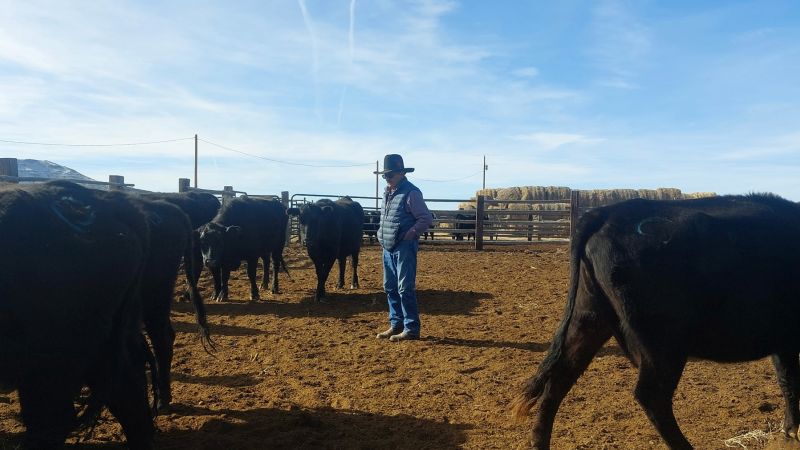
Cattle rancher Johnny Mestas doesn’t want to get too worked up about New World screwworm, a fly whose parasitic larvae can eat cattle alive. The 74-year-old says he’s already had two heart attacks over the long course of his career farming in the parched San Luis Valley of southern Colorado.
“Not everybody is meant to be a farmer,” said Mestas. “You’ve got to be half-crazy. There’s three elements you fight: the market, the weather and your neighbors.”
Half-crazy or not, Mestas is uneasy about a new development in the ongoing saga of the screwworm: the US government’s plan to reopen part of the southern border to Mexican livestock on Monday.
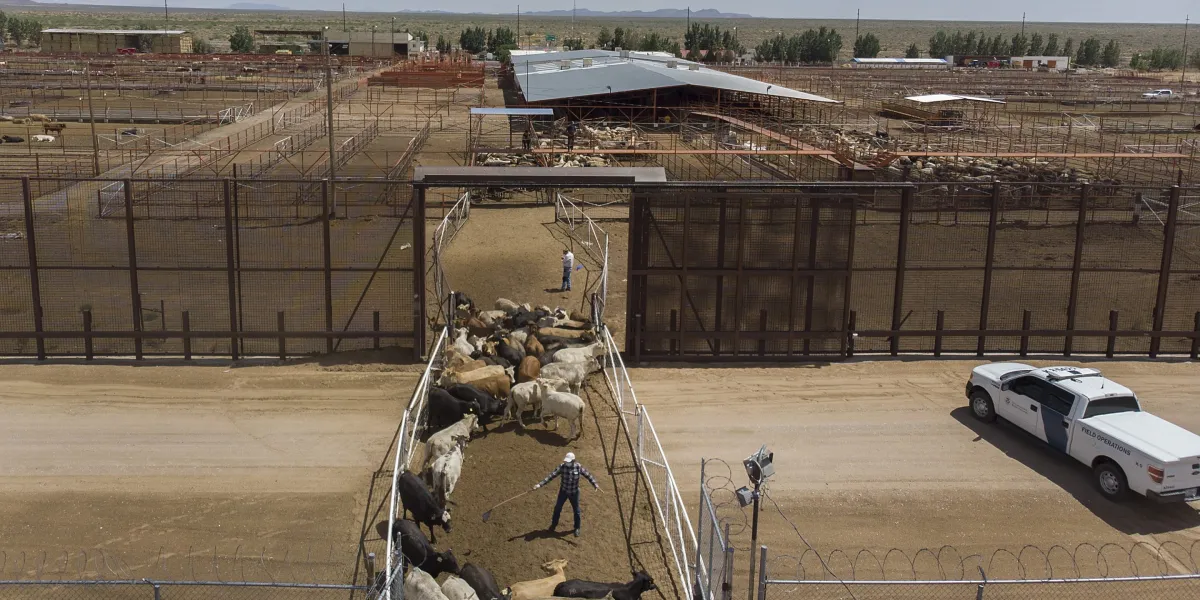
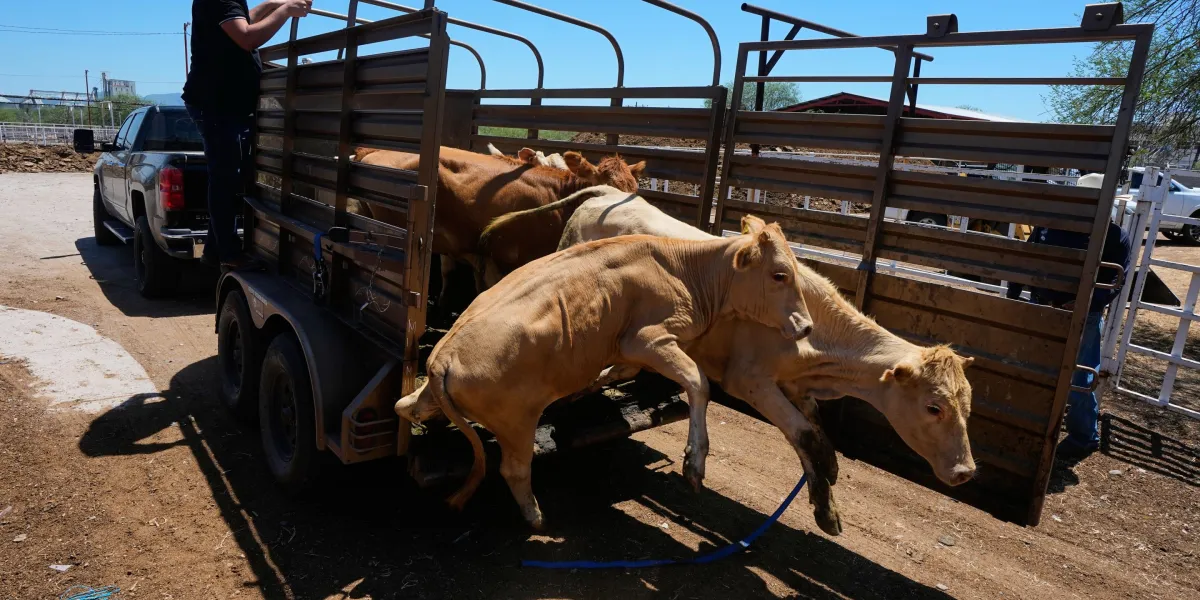
To prevent the spread of screwworm, the cattle trade with Mexico has been shuttered on and off since November 2024, with the current border closure put in place in July 2025. But next week, the border will reopen in Douglas, Arizona for cattle from Sonora, Mexico.
The issue has reanimated a decades-old debate over protectionism within the cattle industry. Several US cattle producers say they are being pitted against Mexican ranchers and American meatpackers amid soaring beef prices for US consumers.