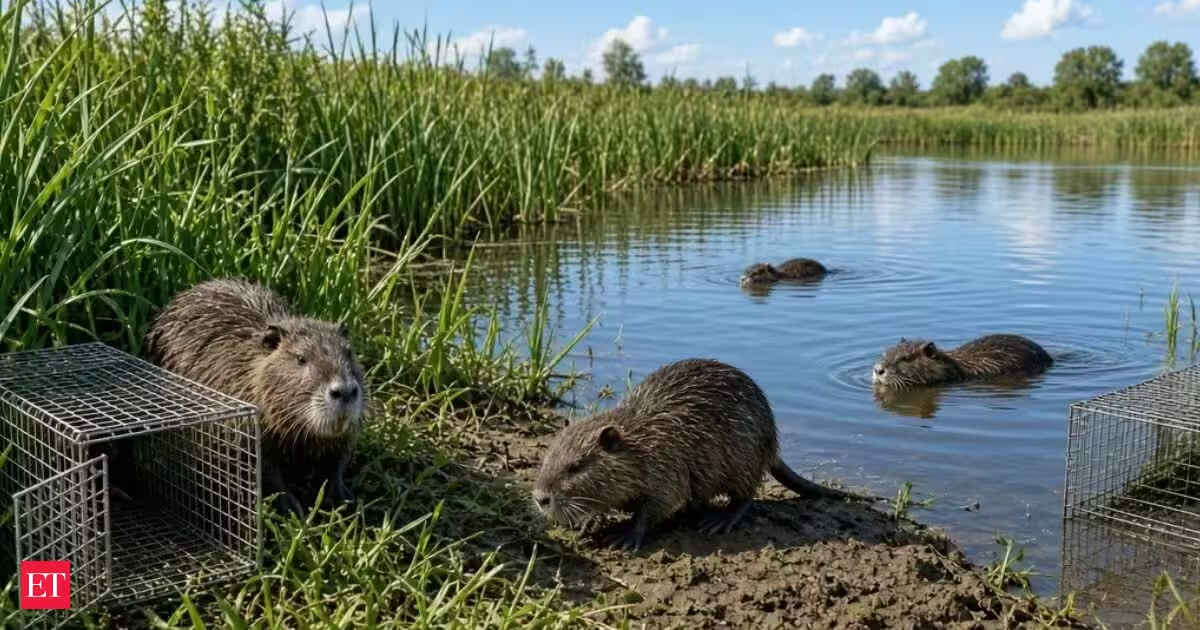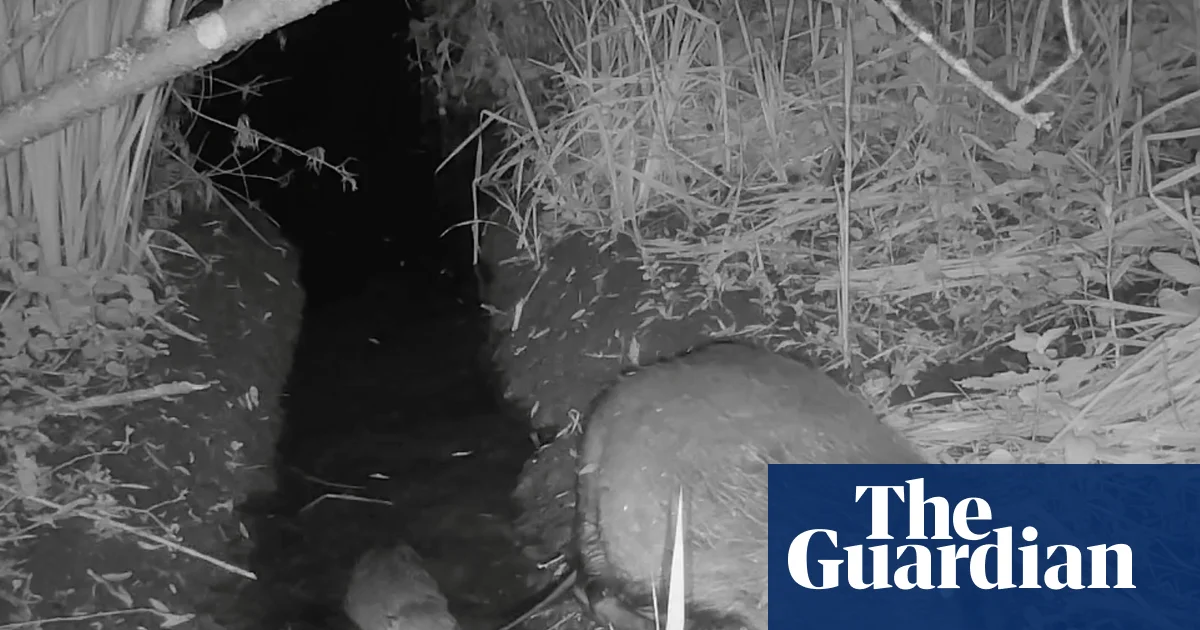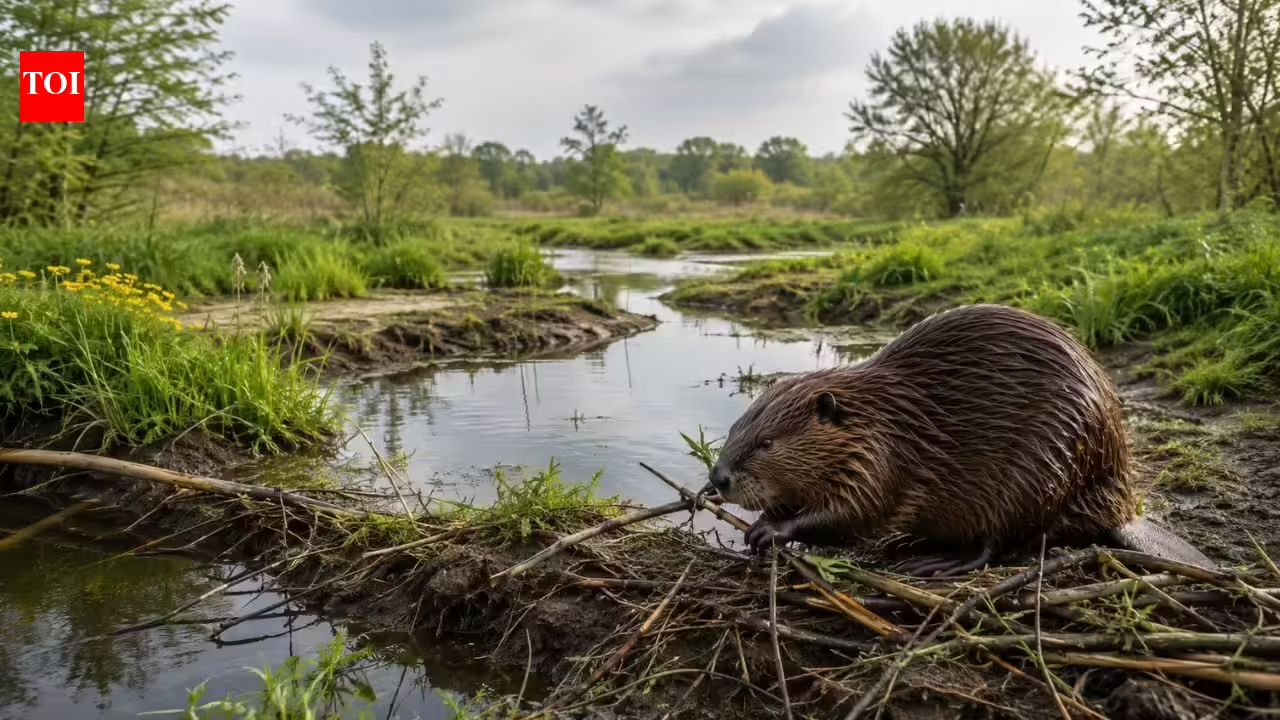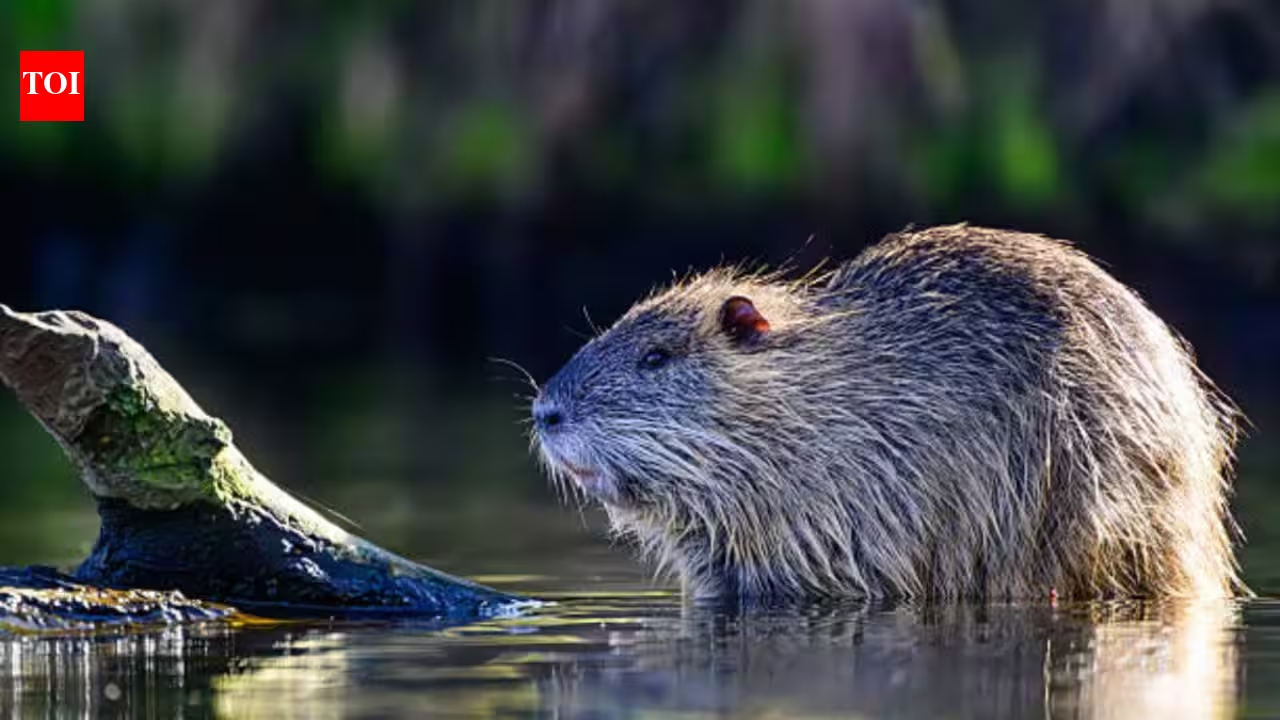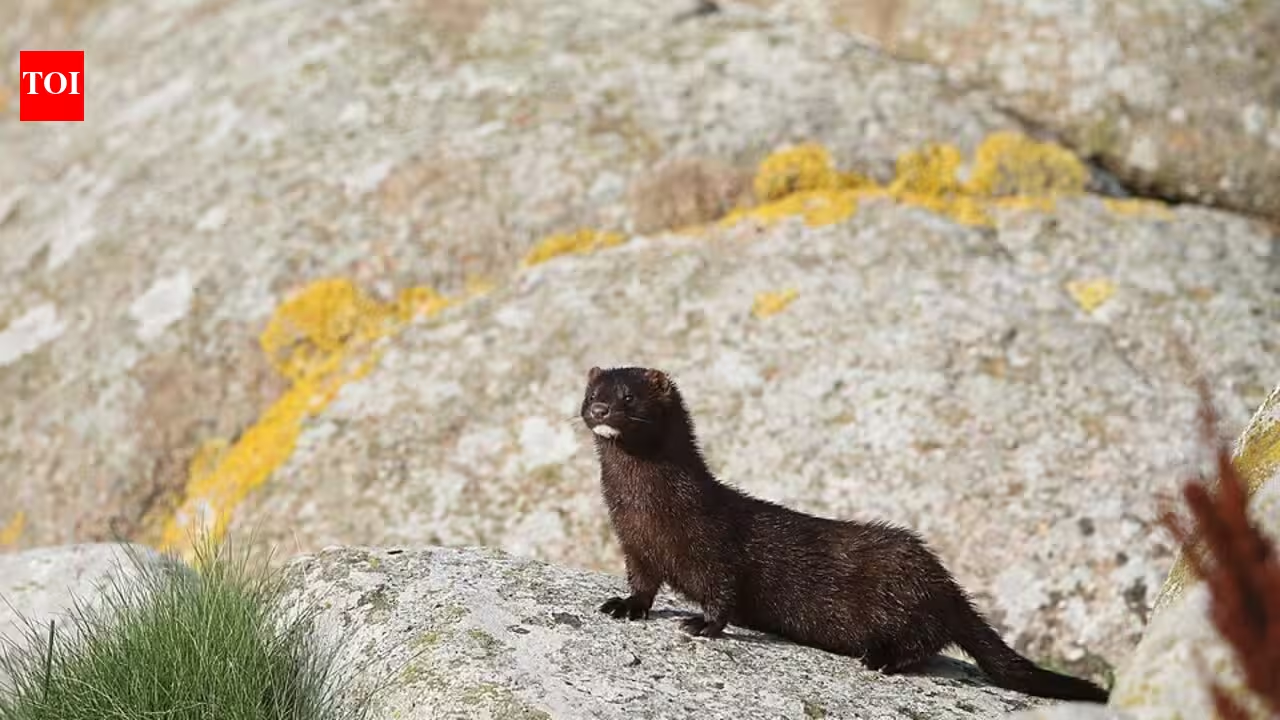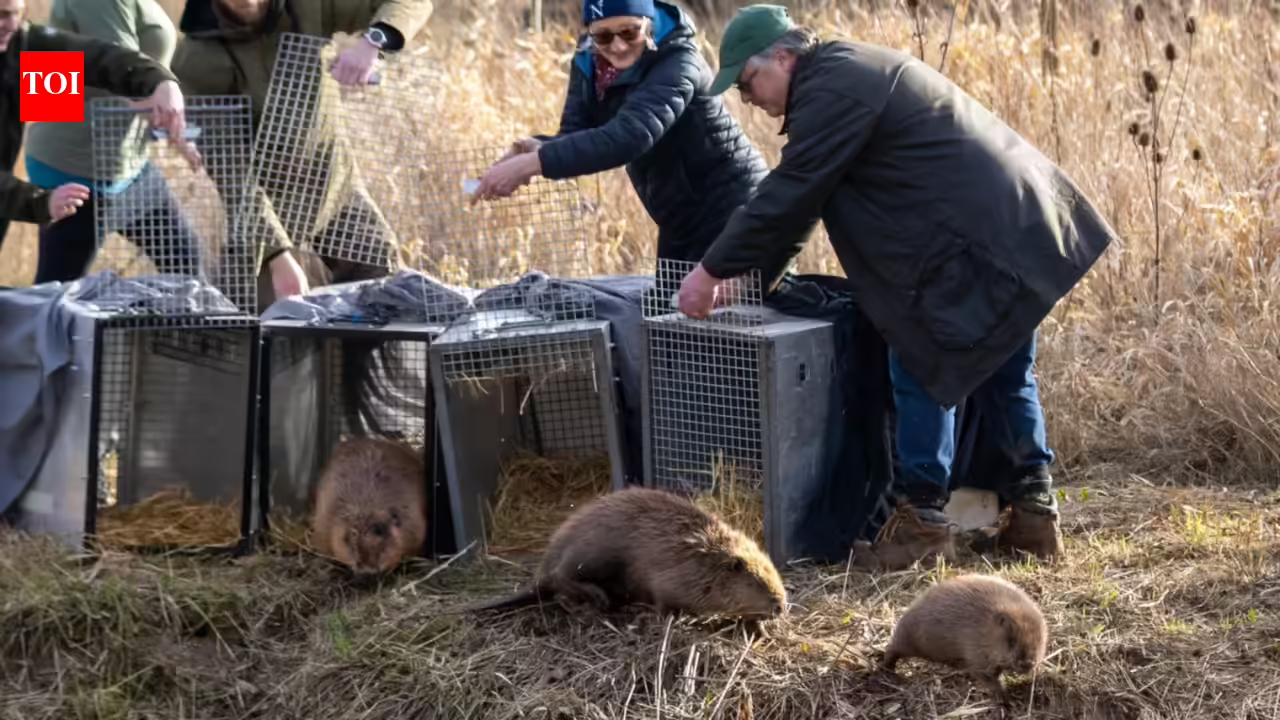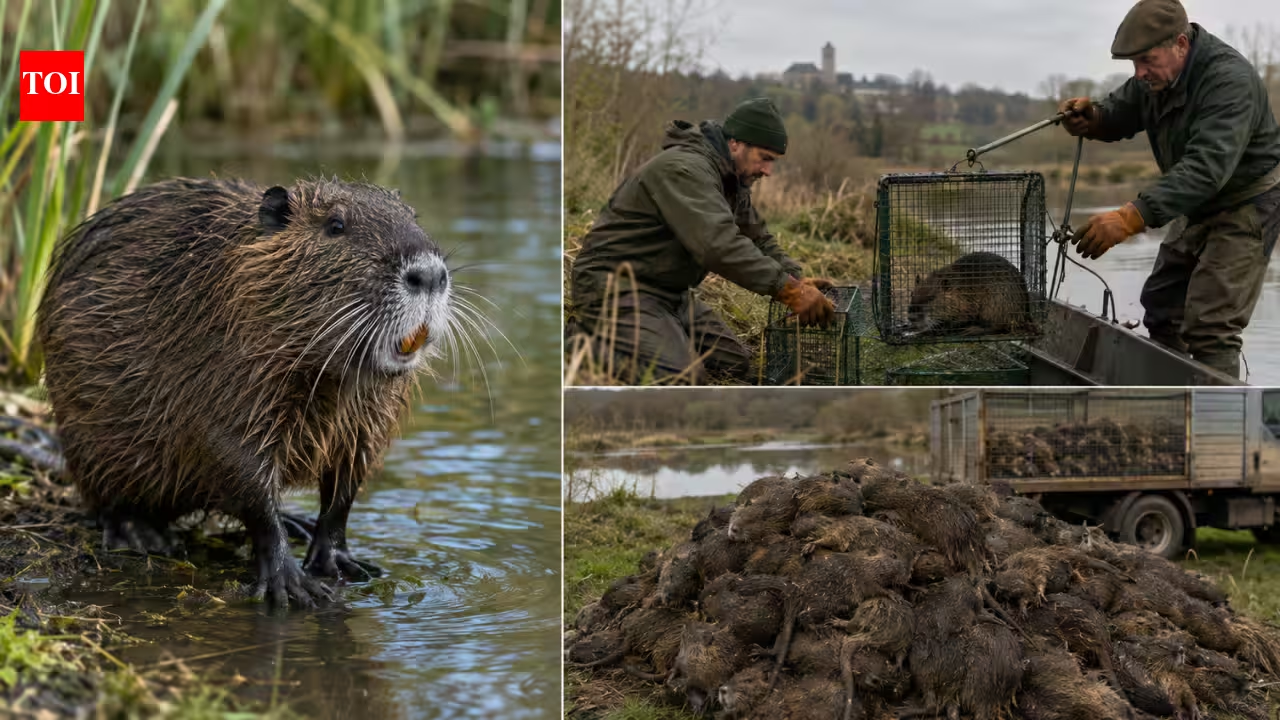
Image AI generatedBritain once had an estimated 200,000 coypus roaming its wetlands, a population that had grown from animals imported for the fur trade decades earlier. The large South American rodents escaped from farms and found the waterways of East Anglia well suited to them, spreading through rivers, marshes and surrounding farmland. By the 1950s, they were damaging crops and eating away at wetland vegetation, while earlier attempts to control their numbers had failed to stop the population recovering. Then Britain changed tack. In 1981, a carefully planned eradication campaign began, combining intensive trapping with population research, weather data and mathematical modelling to work out where and how hard the animals needed to be targeted. Within six years, the once-large population had been reduced to almost nothing. Officials kept checking for survivors, and in 1989 the government finally brought the campaign to an end.How coypu were introduced to Britain in the late 1920sCoypu were brought to Britain in the late 1920s to be farmed for their fur. More than 50 farms were established, particularly in southern and eastern England, but keeping the animals contained proved difficult. Escapes were common, and some of the animals released into the countryside found conditions in East Anglia particularly suitable. According to the study published in ResearchGate, titled ‘The eradication of muskrats and coypus from Britain’, a population associated with farms near the Rivers Yare and Wensum became established around the late 1930s and spread into adjoining waterways.The population grew over the following decades. The first recorded complaints about damage appeared in the 1940s, and numbers rose sharply during the late 1950s. A figure of around 200,000 coypus was subsequently given for the population at its peak, although Gosling and Baker cautioned that this may have been an overestimate. Even with that qualification, the animals had become widespread enough for organised control to be attempted. Around 100,000 were killed during 1961–62, but the huge removal effort did not eliminate the population.Image AI generatedHow invasive coypu damaged Britain’s wetlands and cropsCoypu were not merely living alongside Britain's wetlands. They were feeding heavily on vegetation, including plants growing in the Norfolk Broads, and their feeding could destroy the plant rather than simply remove leaves. Large areas of reedswamp were lost during the 1950s, while some individual wetland species became extremely scarce. Sugar beet was among the crops they favoured, but cereals, brassicas and other root crops were also eaten.The early control campaigns had difficulty keeping the population down because killing animals was not the same as stopping the population from recovering. A particularly cold winter could cause a sharp decline, but numbers could rise again afterwards. The scientific work that eventually led to eradication was based on a much closer examination of population size, reproduction, trapping pressure and the effect of winter weather. Gosling and Baker later described the earlier attempts as inadequate in part because there was not enough biological information to plan them properly.Britain launched its decisive coypu eradication campaign in 1981The decisive campaign began in April 1981 with 24 trappers. Instead of relying simply on a large number of people catching animals wherever they found them, the programme used population models to estimate how much trapping would be needed under different conditions. The researchers also worked out how many trappers would be required and how long eradication might take. Between 1981 and 1986, the trapping effort averaged hundreds of thousands of trap-nights each year.The campaign also dealt with an unusual practical problem. If the trappers succeeded, they would eventually eliminate the population they depended on for work. An incentive bonus was therefore incorporated into the scheme to encourage them to finish the job rather than simply maintain a low population. The research programme also improved equipment and trapping methods, while field staff monitored progress and used capture rates to decide where effort was most needed.Britain’s coypu population fell from 3,000 adult females to just 20 by 1986The change in numbers was substantial. The estimated number of adult females fell from roughly 3,000 when the campaign began in 1981 to about 20 by April 1986. The combination of sustained trapping and several cold winters accelerated the decline, although the researchers stressed that cold weather alone could not have removed coypu from Britain.By 1987, the population had effectively been reduced to the point where no breeding population was thought to remain. A later parliamentary account described the eradication as having been achieved in six years, following the campaign's start in 1981. But officials did not immediately treat the absence of regular catches as proof that every animal had disappeared. The government continued to regard isolated survivors as a possibility.In January 1989, the government finally announced that the trapping programme had been declared a success and was being wound up earlier than the planned 1991 deadline. More than 10,000 coypu had been eradicated during the campaign, according to the statement, although ministers still warned that isolated animals could remain in the wild and asked the public to report sightings. According to The National Archives, the Coypu Control Organisation was operating from 1971 to 1989, with its work ending after the feral coypu population had been eradicated.
Britain once had 200,000 invasive coypus rodents, but a six-year trapping campaign reduced the population to almost nothing by 1987
Britain once had an estimated 200,000 coypus roaming its wetlands, a population that had grown from animals imported for the fur trade decades earlier. The large South American rodents escaped from farms and found the waterways of East Anglia well suited to them, spreading through rivers, marshes and surrounding farmland.
859 words~4 min read