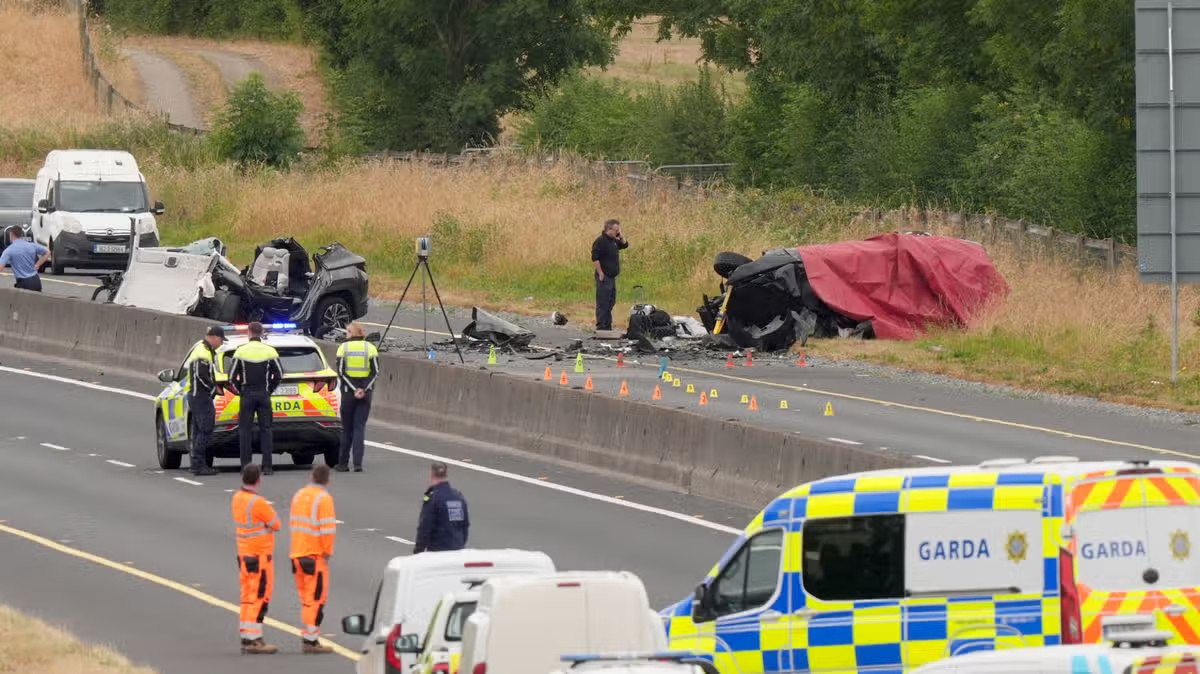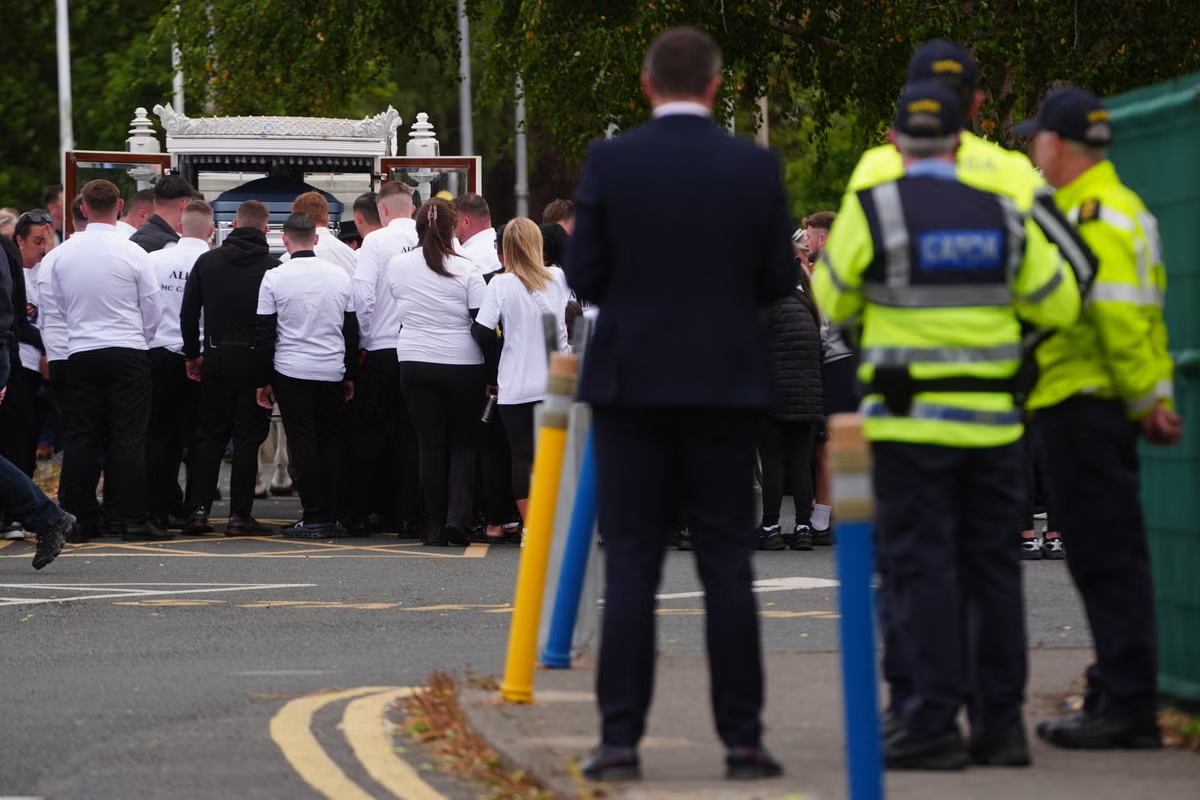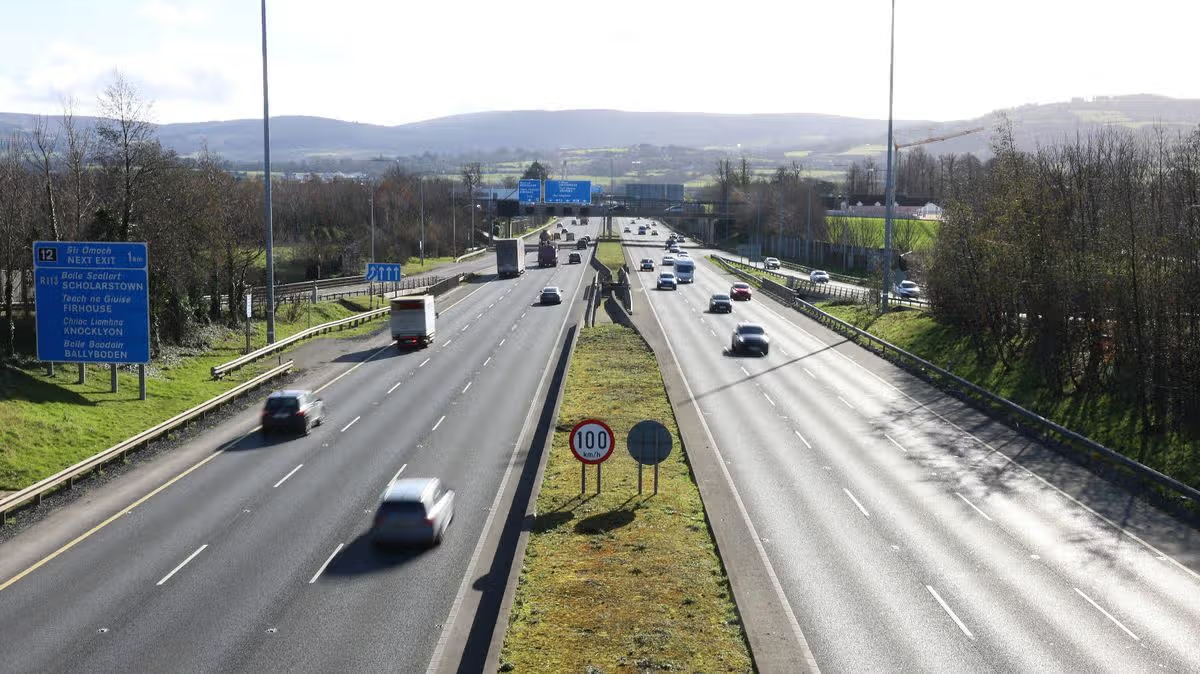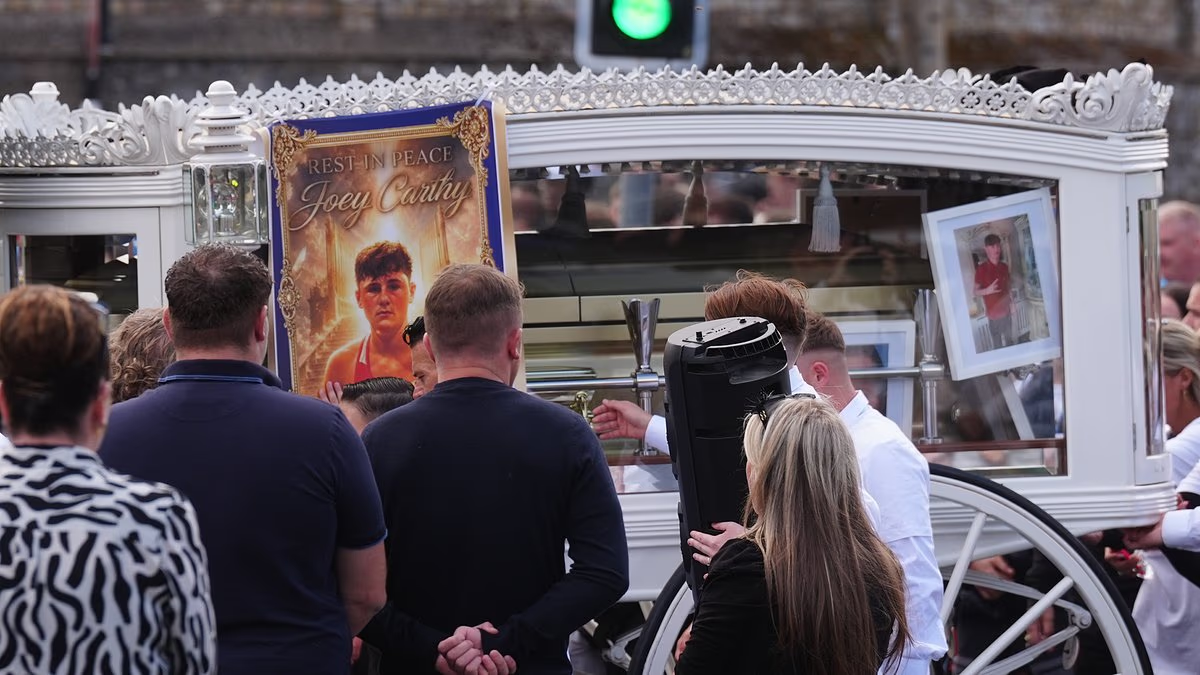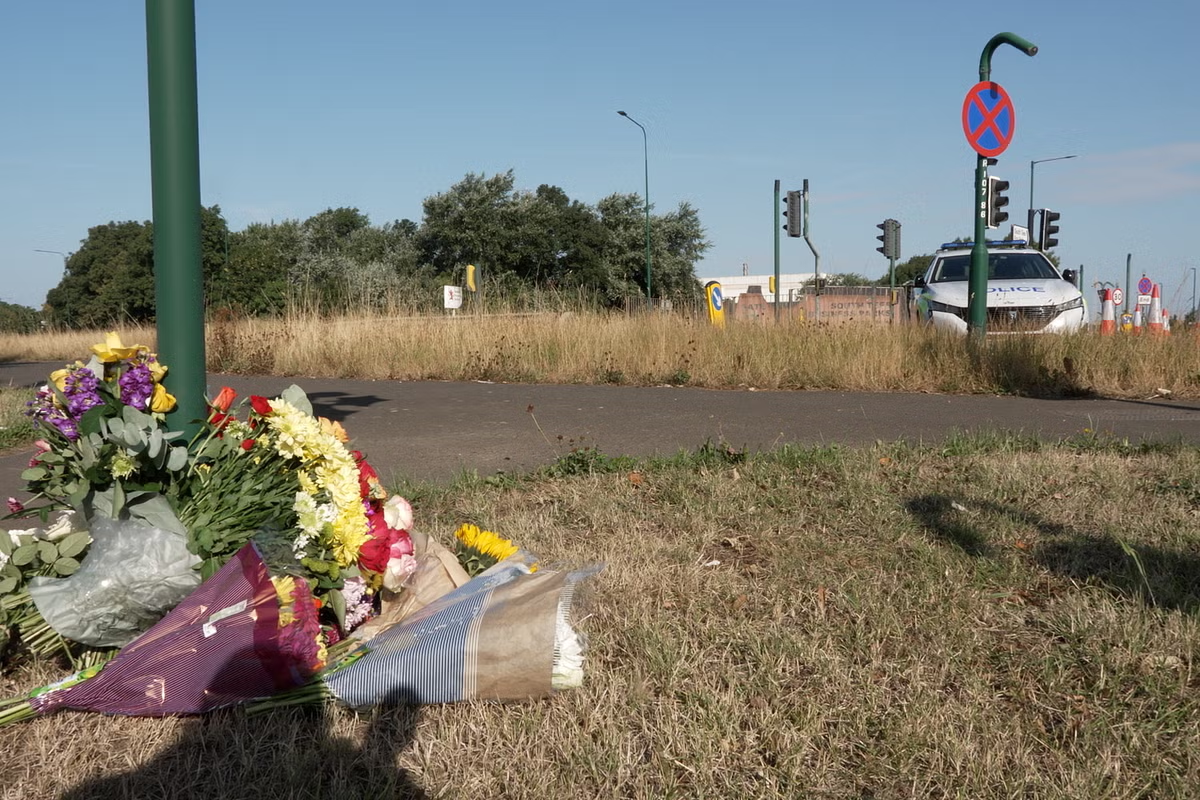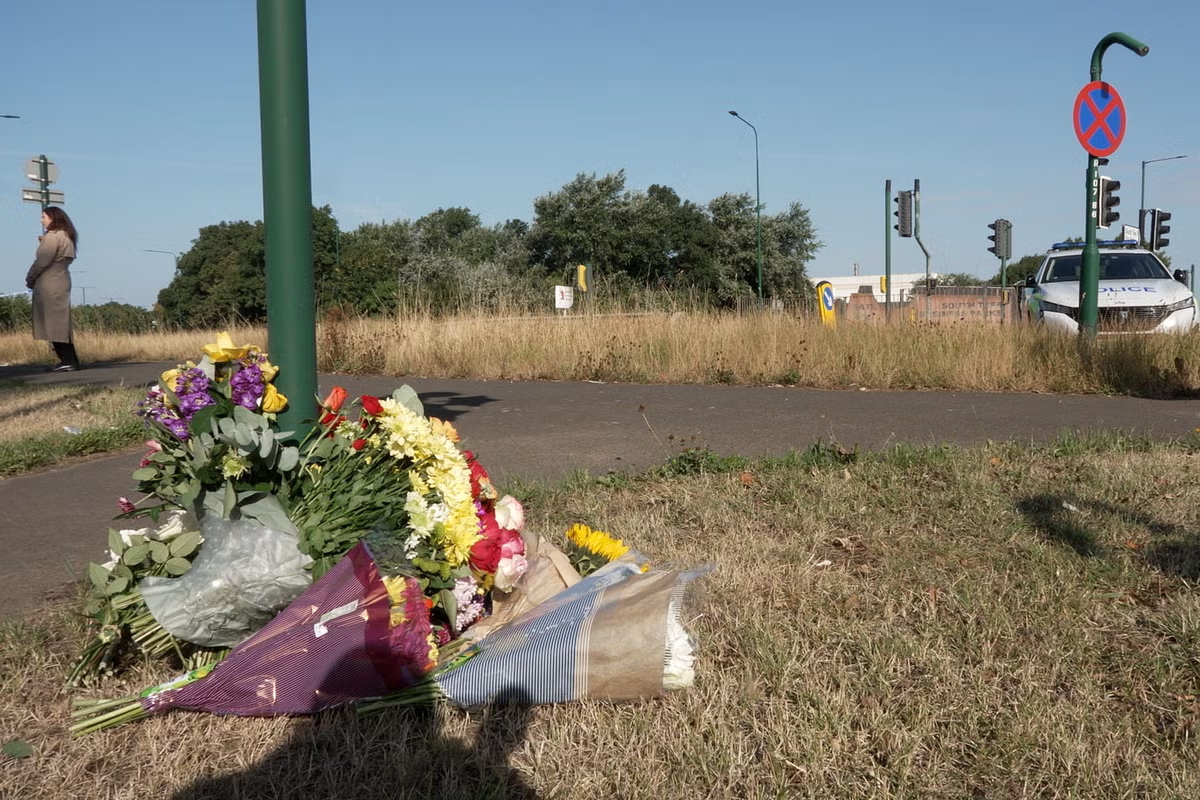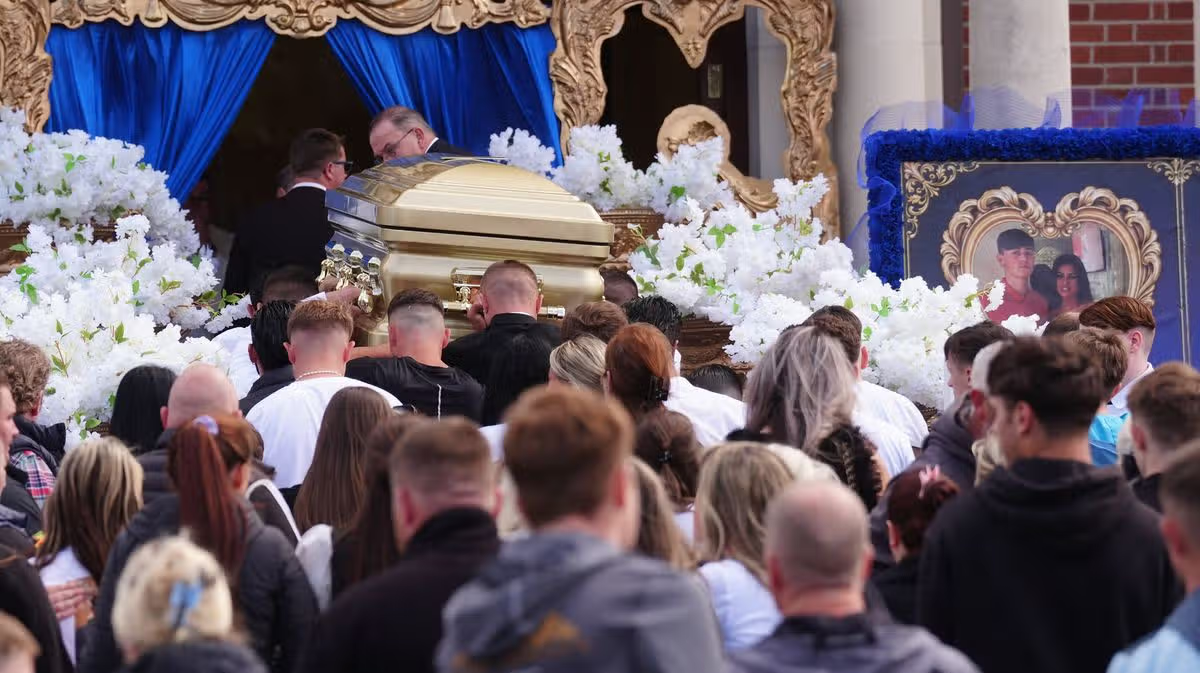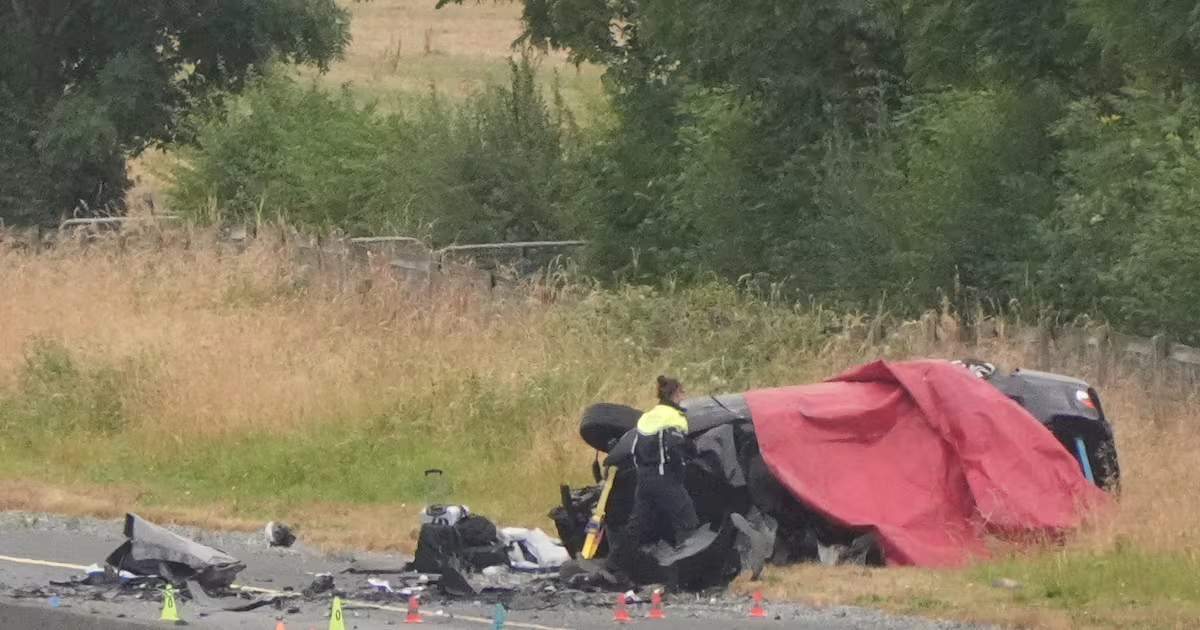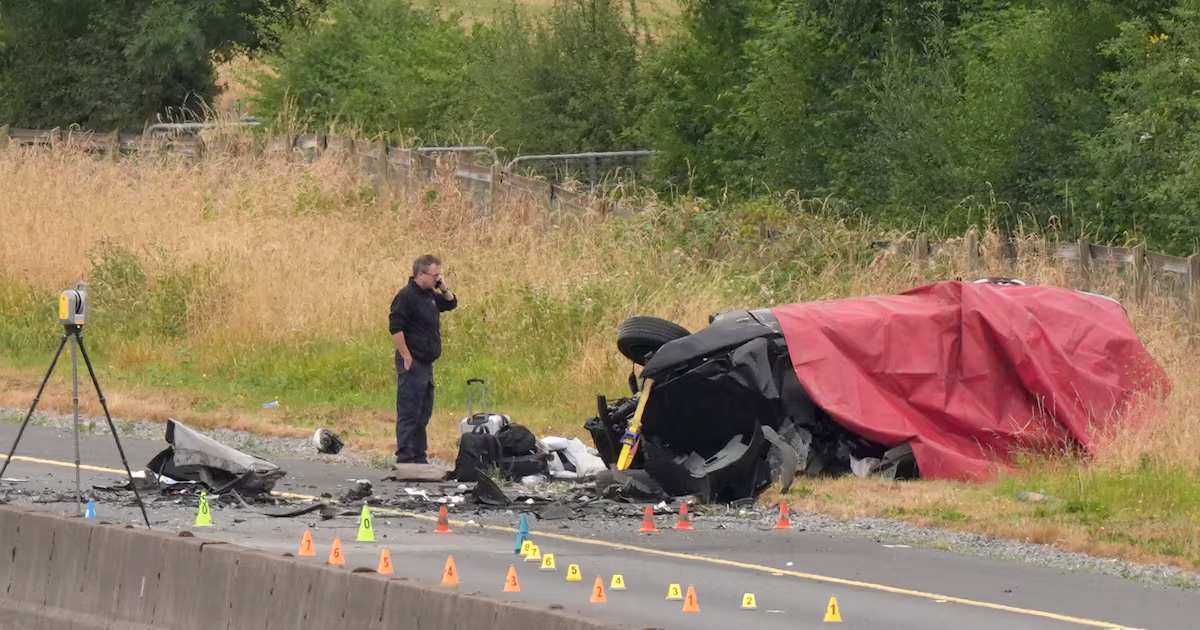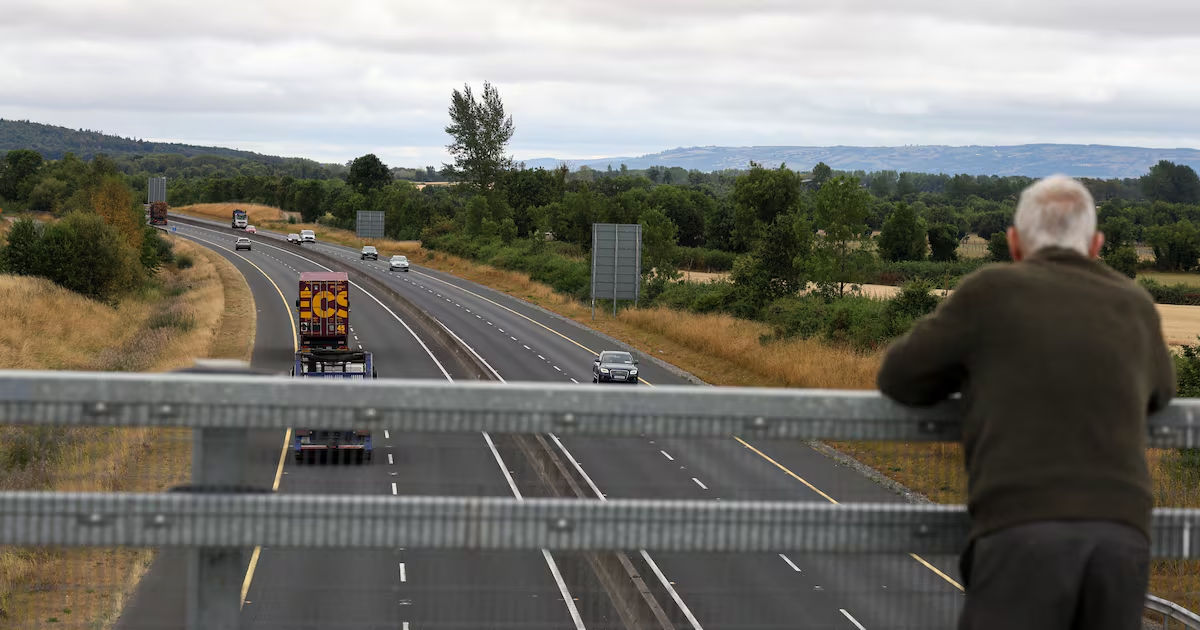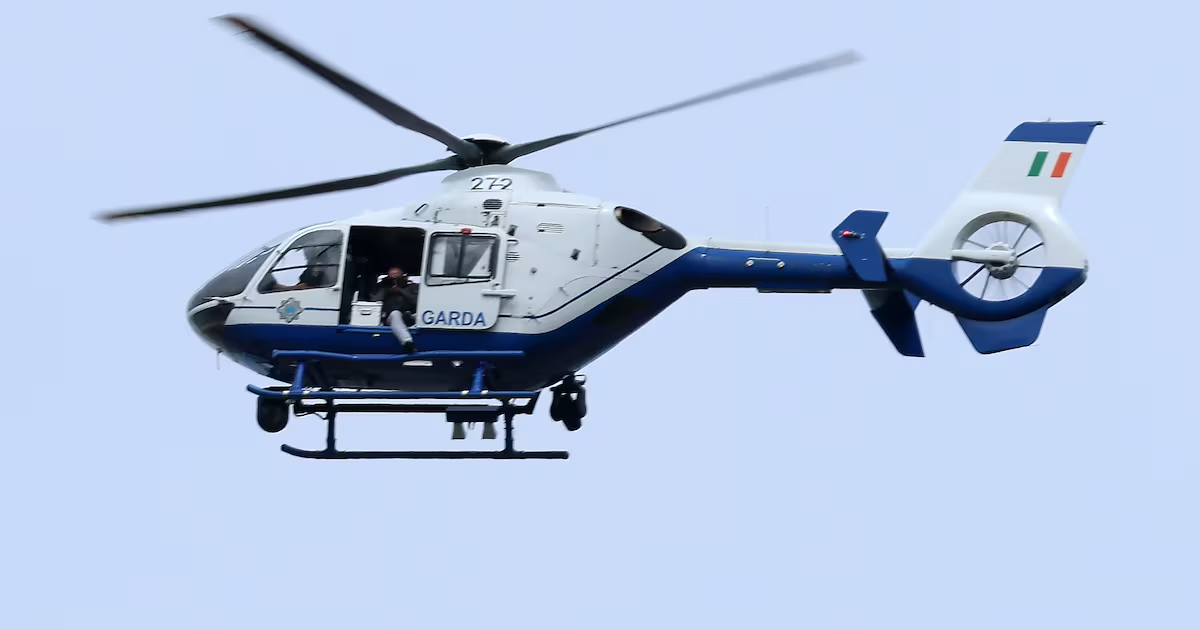
Crew shortages meant neither of the Garda’s two helicopters were available to assist in the pursuit of the car which caused the fatal M9 crash last week.Five teenage boys were killed when their BMW, which was being driven the wrong way down the M9 motorway, collided with another vehicle near Moone, Co Kildare. The occupants of the other car – three sisters and a seven-year-old boy – suffered serious injuries and remain in hospital.Gardaí believe the youths had been searching for burglary targets in the Kildare area earlier in the night. They came to the attention of gardaí and were pursued by Garda vehicles. However, official policy prevented gardaí continuing the chase when suspects began driving the wrong way down the motorway.The helicopters operated by the Garda Air Support Unit (GASU) have previously proven useful in pursing suspect vehicles on the motorway and alerting ground units to their movements.However, in the early hours of last Sunday, neither of these helicopters was available due to a lack of crew to provide night-time air support, The Irish Times has established.The GASU operates out of the Irish Air Corps’ headquarters in Baldonnel, in West Dublin, operated by pilots from the Air Corps and serviced by military technicians.A shortage of pilots and technicians means the helicopters are frequently unavailable to provide air cover at night. There has also been a shortage of Garda airborne surveillance specialists at times.There are six pilots assigned to the GASU’s helicopter unit, though there should be at least 10. The unit has roughly half the number of required technicians.Often there are too few personnel to provide night-time air cover; sometimes such cover is available only 50 per cent of the time, sources said. This was the case in the early hours of last Sunday before the fatal crash on the M9.[ M9 crash: What happened when? From attempted break-ins to the fatal collisionOpens in new window ]Open source aircraft trackers show one of the Garda helicopters took off from Baldonnel around 9am on Sunday morning and flew towards the area of the crash, which had occurred about six hours earlier.The GASU also operates a newly acquired fixed-wing aircraft. However, despite being fitted with advanced sensors, it is unable to operate at night.The Representative Association for Commissioned Officers, which represents military pilots, has previously said a lack of overtime payment, poor pensions and the lack of a specified establishment strength for the GASU all contributed to a shortage of personnel.An Garda Síochána said it did not comment on the operational detail of the GASU “in order not to inform criminals”.
No Garda helicopters available to pursue M9 crash car due to crew shortages
A lack of pilots and technicians means the helicopters are frequently unavailable to provide air cover at night
430 words~2 min read