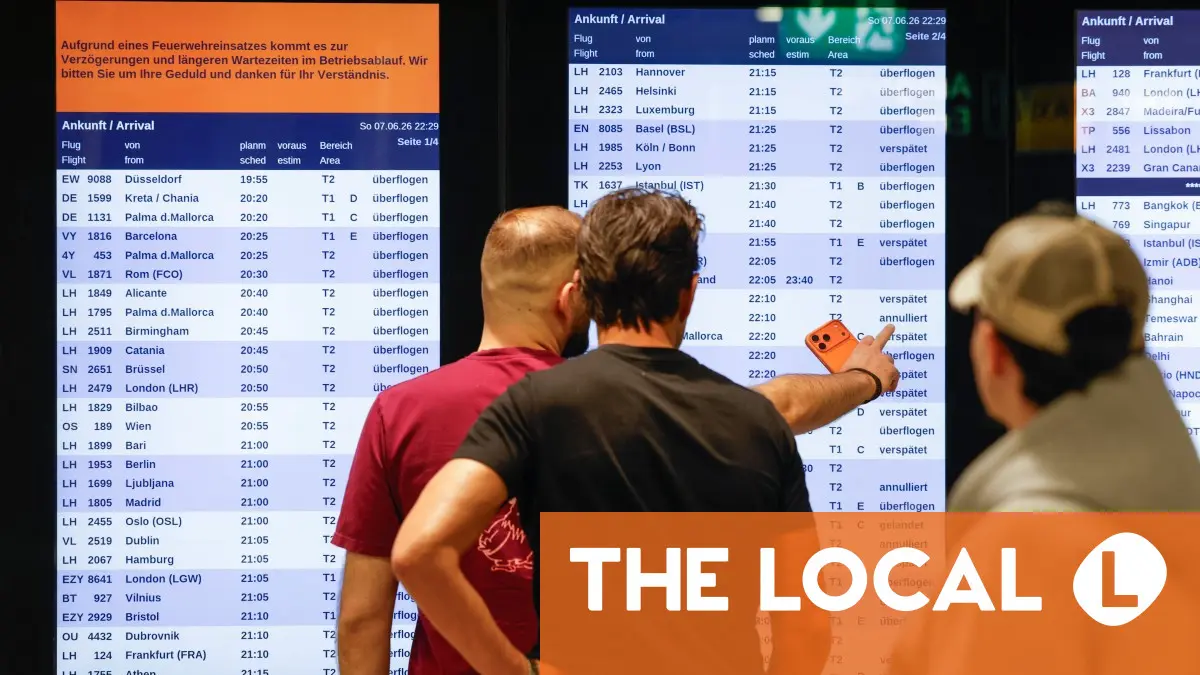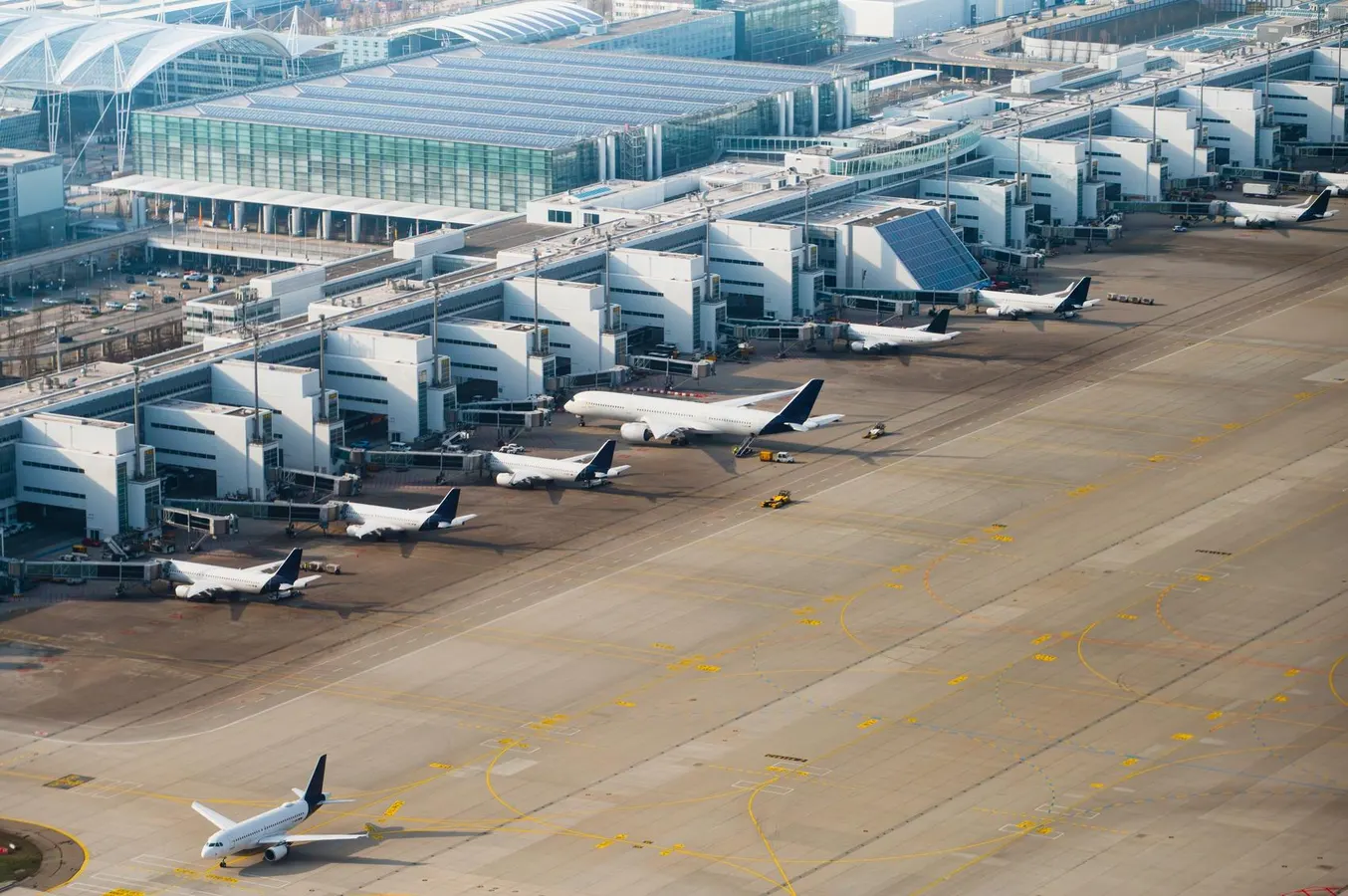
Airlines operating out of major European hubs, like Munich International Airport pictured here, will soon face stricter compensation rules for delayed and canceled flights.gettyWhen Sofia Calvin's flight to Spain landed about five hours late, she filed a claim under Europe's passenger rights law and was promised 400 euros (about $466). She spent a little over a year trying to collect the money.Her airline wouldn’t send the required compensation to her U.S. bank account. Calvin, who runs Storied Travel, a luxury agency in Brookline, Mass., finally opened a Revolut account so she could take the payment in euros."Having a right to compensation and actually receiving that compensation can be two very different experiences," she says.Europe upgraded its airline consumer laws this summer to eliminate cases like hers.In June, negotiators for the European Parliament and the Council of the EU struck a deal on the first real overhaul of Regulation 261/2004 in more than two decades. The Council signed off on the revisions in July. The new rules enter into force 12 months and 20 days after publication in the Official Journal, which means they take effect late next summer.Airlines spent 13 years trying to weaken Europe's consumer protections. Some of what they got could cost you money, but many of the changes will help passengers bound for Europe next year. For Calvin, the changes would have required her airline to answer her within 30 days. But that's not the biggest change, by far.What the new EU 261 flight compensation rules changeCash compensation doesn't change. Delays of three hours or more at your final destination still pay 250 to 600 euros depending on distance. Airlines pushed to raise that trigger as high as nine hours and they lost.A nine-month filing deadline replaces the patchwork. Right now the clock runs on each country's limitation period, anywhere from a year to several years. Airlines get 30 days to answer you. Today there's no deadline at all, which is how a claim disappears into a queue for a year.Self-booked rerouting becomes reimbursable. If the airline can't get you moving within three hours of a cancellation, you can book your own flight, train or bus and claim up to 400 percent of your fare, payable within 14 days.Skipping your outbound leg won't cancel your return. The no-show penalty is banned.A carry-on has to be in the advertised fare. No more discovering the bag fee at checkout.Sitting with your child under 14 is free. No seat-selection charge.Erika Josefsson, legal strategist and air passenger rights expert at AirHelp, says one of the most significant shifts involves self-booked rerouting. If an airline fails to offer a viable alternative within three hours of a cancellation, passengers can book their own ticket on a rival airline, train, or bus and claim reimbursement up to 400% of their original fare."A passenger who paid $100 for a low-cost ticket could get back up to $400, which is often enough to cover a same-day alternative," Josefsson notes. "But a passenger who paid $25 for a heavily discounted fare would only be entitled to $100 back—and that frequently isn't enough to cover the cost of the replacement flight, train, or bus they actually need to book."Airlines will also have to tell you within 96 hours of a disruption that you may be owed money. And the rules governing food and hotels get specific: a refreshment for every two hours of waiting, a meal after three hours and then every five, plus hotels for overnight delays.Here's the concession to the airline industry that broke a 13-year deadlock: You'll have nine months from your departure date to file a compensation claim with the operating airline. (Today there's no EU-wide deadline.) Claims currently run on each member state's limitation period, which stretches from a year to several depending on where you file. German passengers have effectively had close to four years; Danish passengers, at least three.Where the airlines will dig inThe airline industry isn’t hiding its displeasure. The European Regions Airline Association has argued the reform will push the annual cost of EU 261 compliance from 8.1 billion euros to more than 15 billion euros, and that passengers will pay for it in higher fares.Josefsson expects friction in a few places.The revision writes a list of extraordinary circumstances into the regulation, the narrow set of events that let an airline refuse to pay. The list codifies 20 years of European court rulings, which is progress. It's also non-exhaustive, and it leaves room to argue if a borderline case qualifies. AirHelp says airlines wrongly reject 58 percent of valid claims on first response, and Josefsson doesn't expect that to change.And she anticipates a wave of form rejections timed to the new deadline."Airlines might resort to sending standard rejection emails on day 29 as a matter of course, putting the burden back on the passenger to appeal," she says.The mistake that costs American passengers the mostAmericans assume U.S. carriers aren’t bound by European law. But they are, at least in certain instances, and every new protection in the revision of the EU law applies. The moment a Delta, United or American Airlines flight lifts off from a runway in an EU country, it's subject to EU 261. So a delayed Delta flight from Rome to New York can qualify for up to 600 euros. But that same Delta flight from New York to Rome doesn't qualify.Thousands of travelers abandon legitimate claims on the flight home because nobody told them they had a valid claim.The second expensive mistake happens at the gate. Accept a meal voucher or a goodwill gift card, and the fine print can waive your right to cash compensation worth many times more.Amanda Persi, founder of The Getaway Co., says the damage rarely stops with the flight. A five-hour delay on the way to a group trip in Europe can mean a missed connection, a missed transfer, a lost first night, or arriving after everyone else has started without you."They shouldn't have to become experts in aviation regulations to know what they're entitled to when things go wrong," Persi says.How to claim EU 261 compensation for a delayed flightThe new European consumer protections may not take effect until 2027, but you can take steps now to keep your flight on track.Photograph the departure board before you leave the airport. Take an image of the delay, flight number and time in one frame.Ask a gate agent for the reason in writing. "Operational issues" is not a reason. Push for specifics.Keep everything. Boarding passes, booking confirmation, airline emails and texts, claim numbers, receipts.Note your actual arrival time at your final destination. You can do that on FlightAware or a similar app showing the flight's departure and arrival times. Compensation depends on when the door opened, not on the scheduled arrival time.Refuse the voucher until you know what cash you're owed. Read the waiver language before you sign or tap anything.File early, but no later than nine months from your departure date. Sooner is better, even under today's longer deadlines.Treat the first rejection as an opening position. Appeal it, escalate to the national enforcement body, or bring in a claims service.What the new rules won't do for youThe new rules are better than what they replace, but claiming the protection they offer still takes some homework.Europe told airlines to email you within 96 hours and answer you within 30 days. It didn’t tell them to stop saying no. Calvin finally got her 400 euros because she wouldn't go away. She had to open a foreign bank account to be paid what a regulation already said was hers.Next summer, airlines are betting you'll take the first no and get on with your life.
How Europe’s Flight Compensation Changes Will Affect Your Next Trip
Europe is overhauling its EU 261 flight compensation rules. Here is how stricter airline deadlines and new cancellation protections affect your next trip.
1,281 words~6 min read