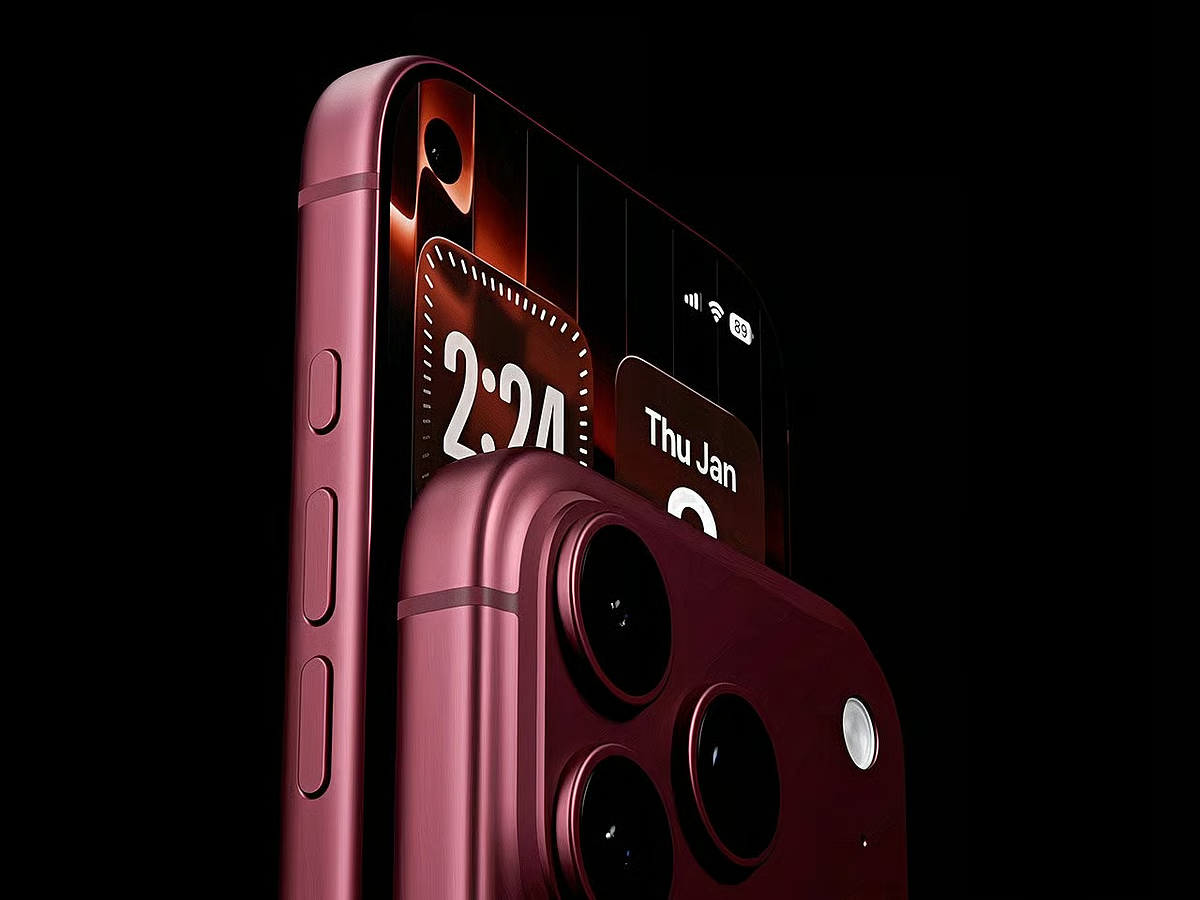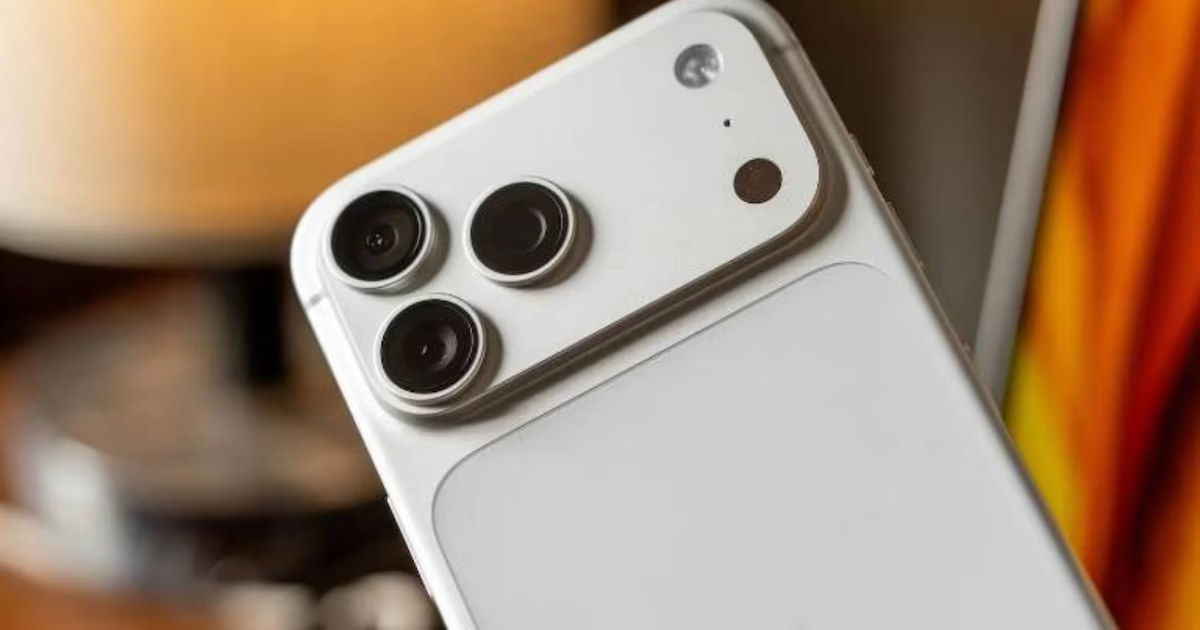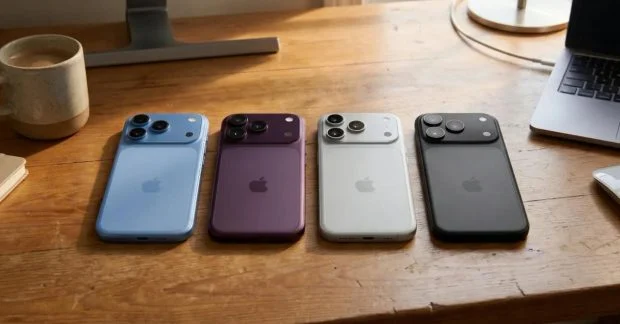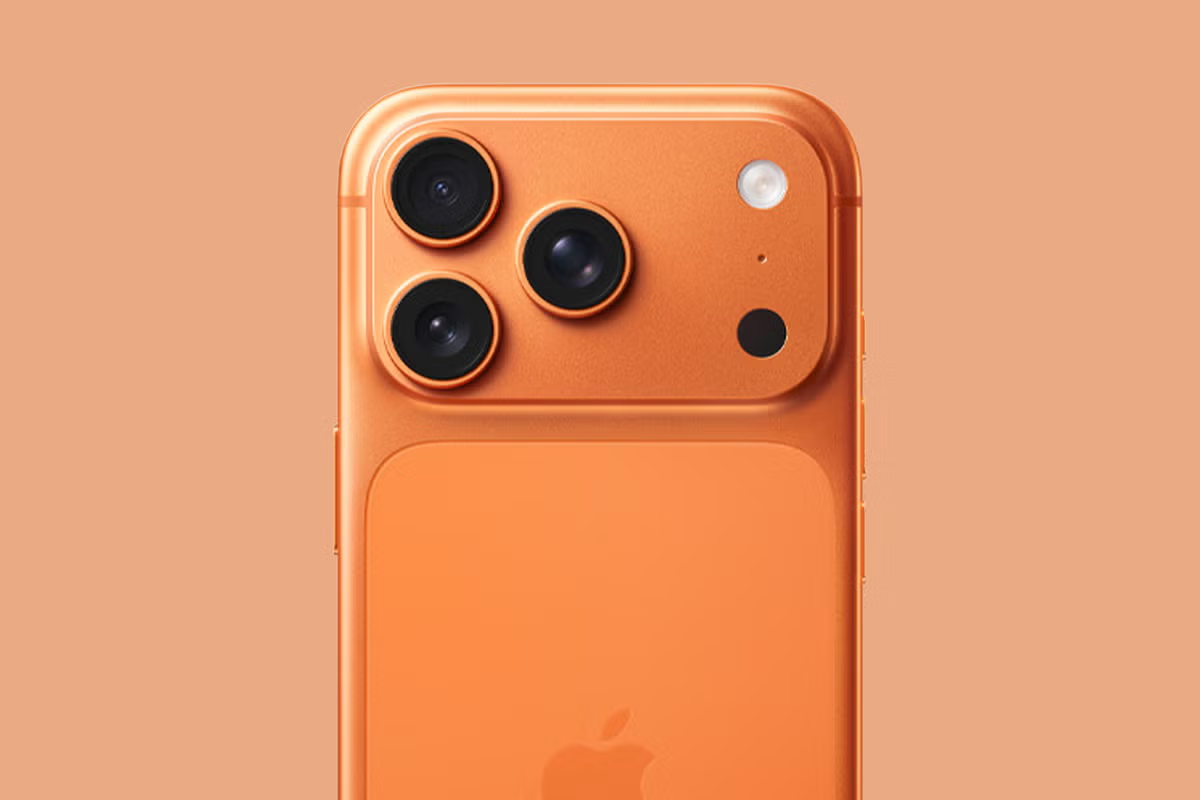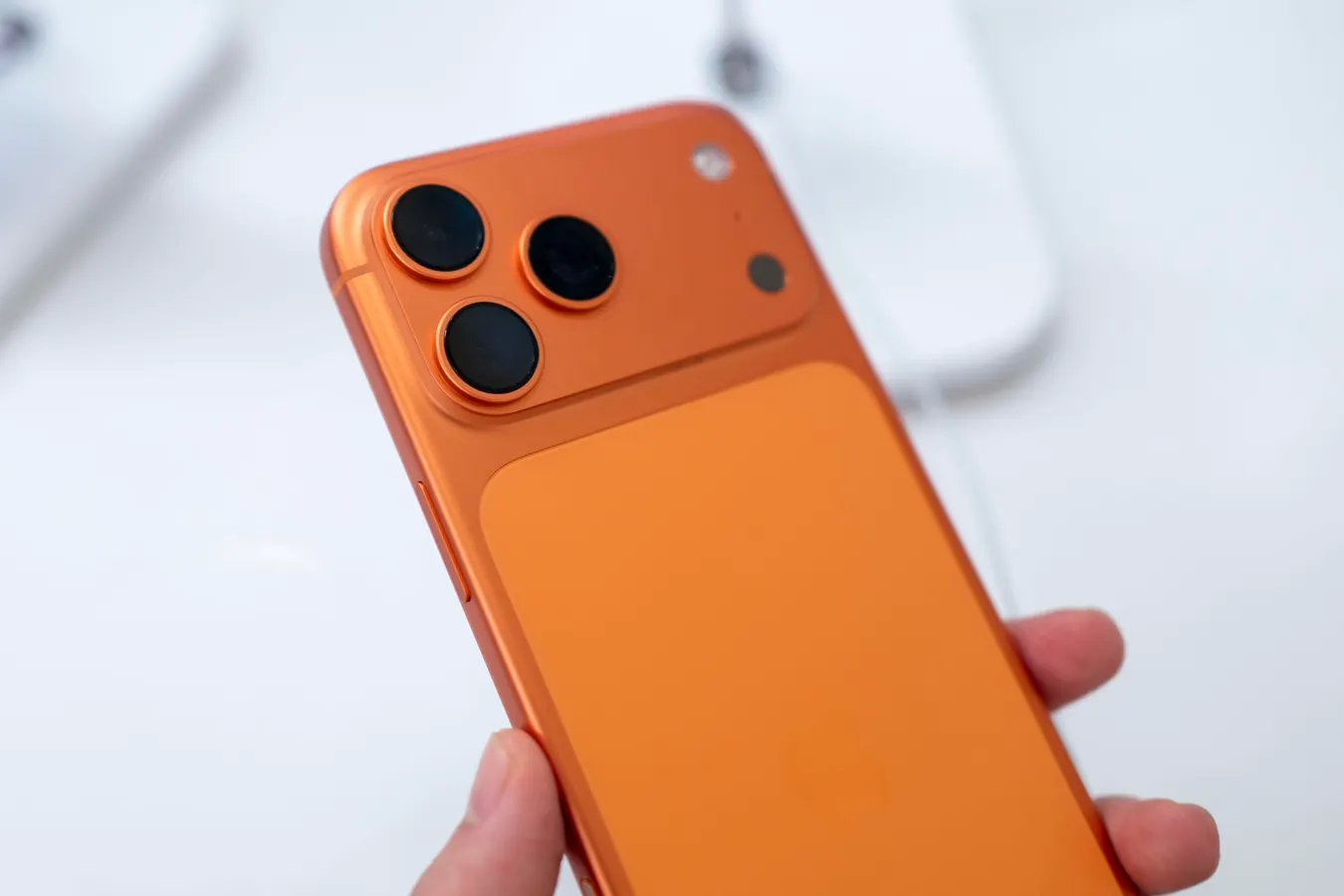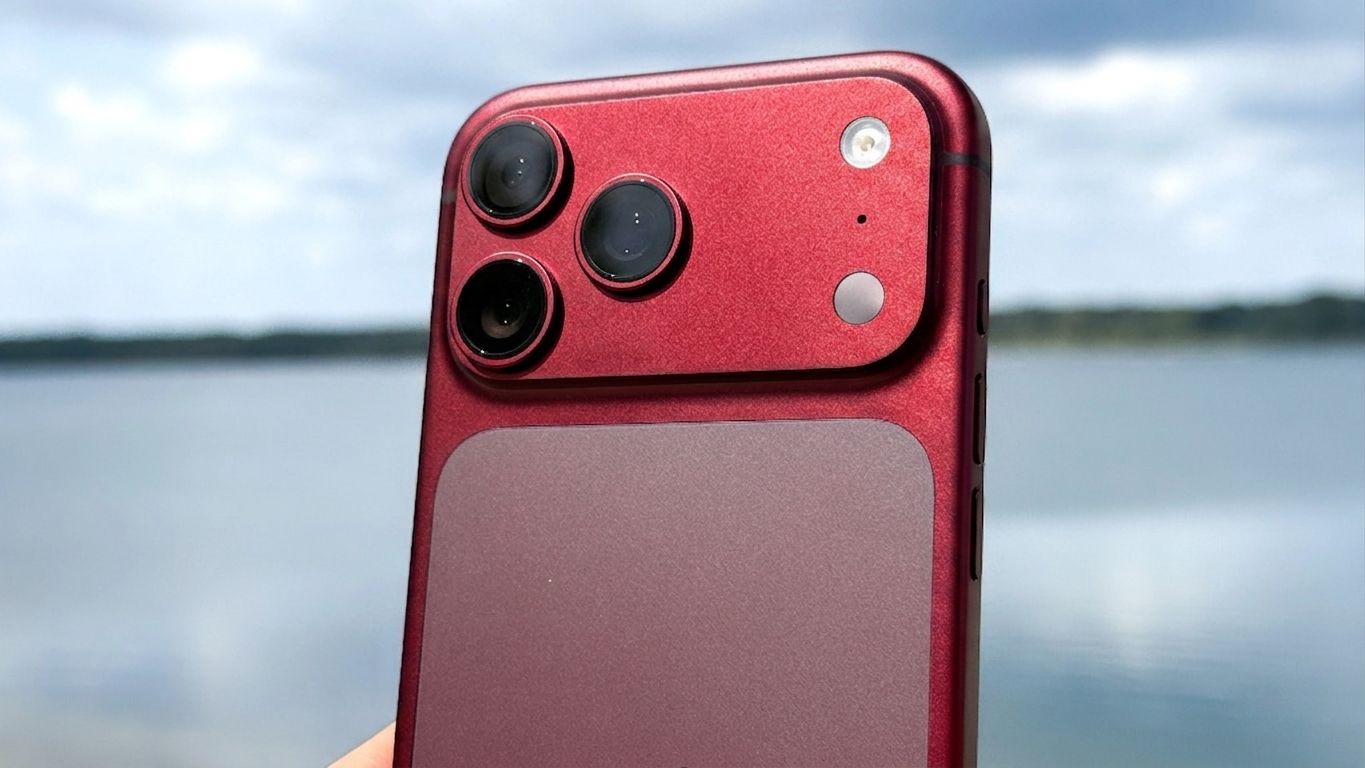
(Image credit: Tom's Guide / edited with Gemini AI)
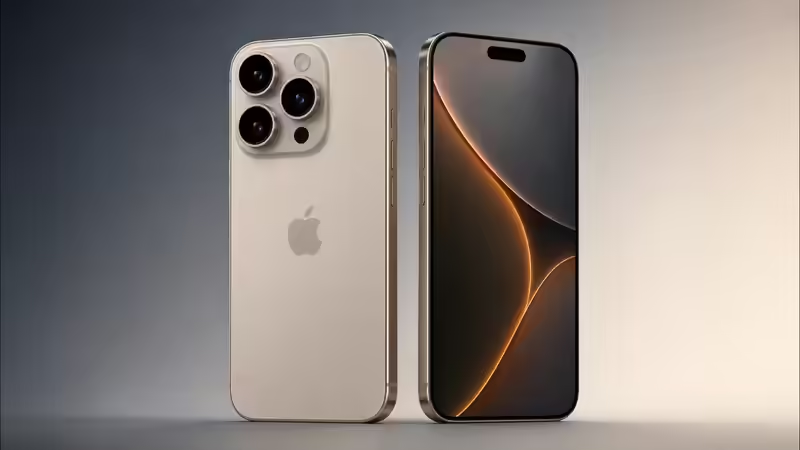
Variable apertures might sound unfamiliar to the average person, but they’re not necessarily new in the smartphone world. Still, Apple could make a compelling case for the technology, with rumors hinting that the upcoming iPhone 18 Pro Max will feature a mechanical variable-aperture camera.I remember how Samsung tried to popularize the concept with dual-aperture lenses on the Galaxy S9 and Galaxy S10 years ago, before quietly phasing out the hardware in favor of software-driven computational photography. But as mobile sensors have grown larger and computational photography has pushed its physical limits, Apple’s attempt at reviving the feature could yield big rewards.Apple has already proven it makes some of the best camera phones around, but a physical variable aperture could finally deliver what earlier iterations couldn't. Still, as a videographer, I have my reservations — so I asked professional photographers exactly how a variable-aperture iPhone could be beneficial (or not).What is a variable aperture and why should you care?
(Image credit: Tom's Guide)For photographers who use elaborate, dedicated cameras to make a living, picking up a lens means having total control over its aperture ring. Turning that dial expands or contracts the mechanical blades inside the barrel, directly controlling how much light reaches the sensor and how dramatically the background softens.Smartphone cameras, by contrast, have historically been locked into a single fixed opening, relying almost entirely on computational algorithms and simulated portrait modes to mimic what high-end glass accomplishes naturally.In layman’s terms, think of the aperture like the iris of a human eye. The size of this opening is measured in f-stops, where a smaller number represents a wider physical opening.That’s why photographers often recommend shooting “wide open” (dialing down to an f-stop value like f/1.4 or f/1.8) to flood the sensor with light in dim settings, or creating an authentic background blur with portraits. But altering that opening triggers a ripple effect across the entire exposure triangle.Get instant access to breaking news, the hottest reviews, great deals and helpful tips.