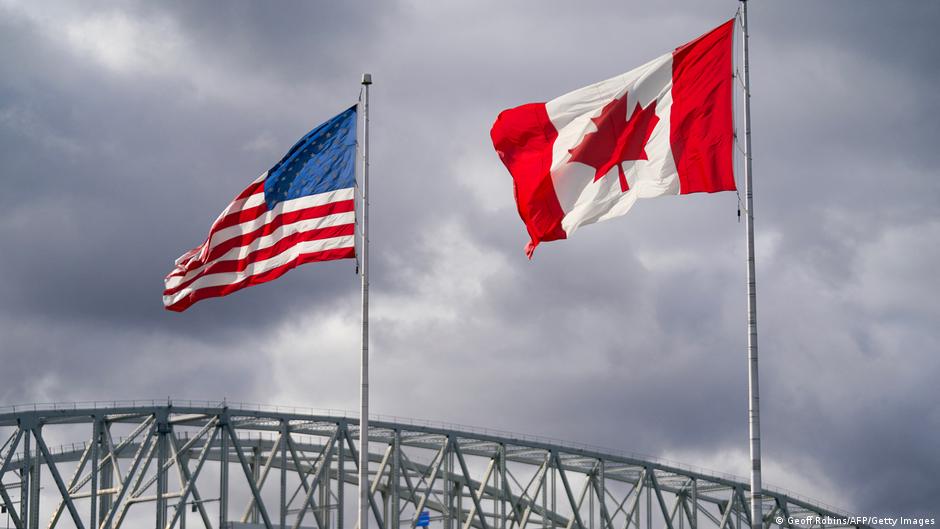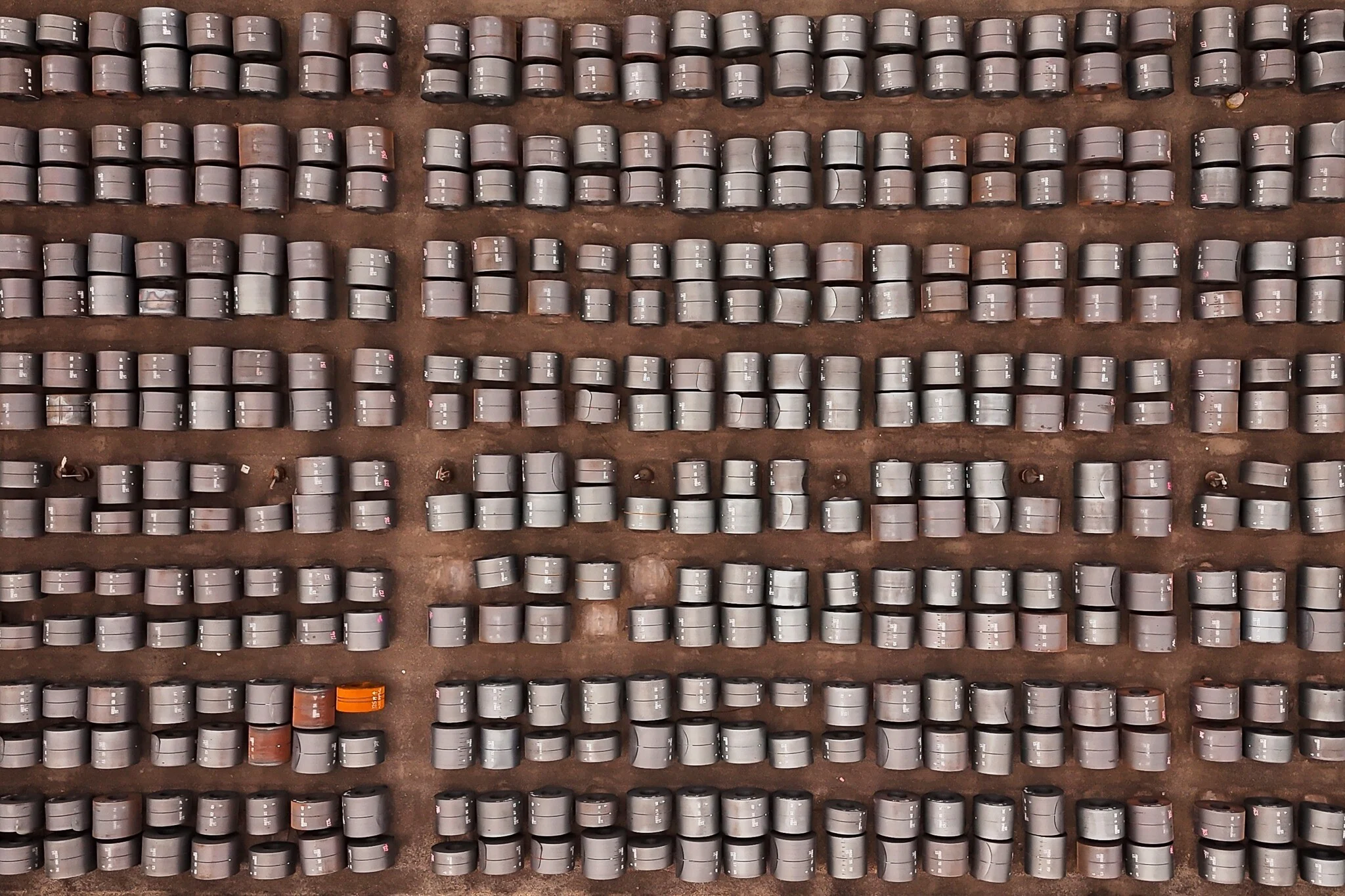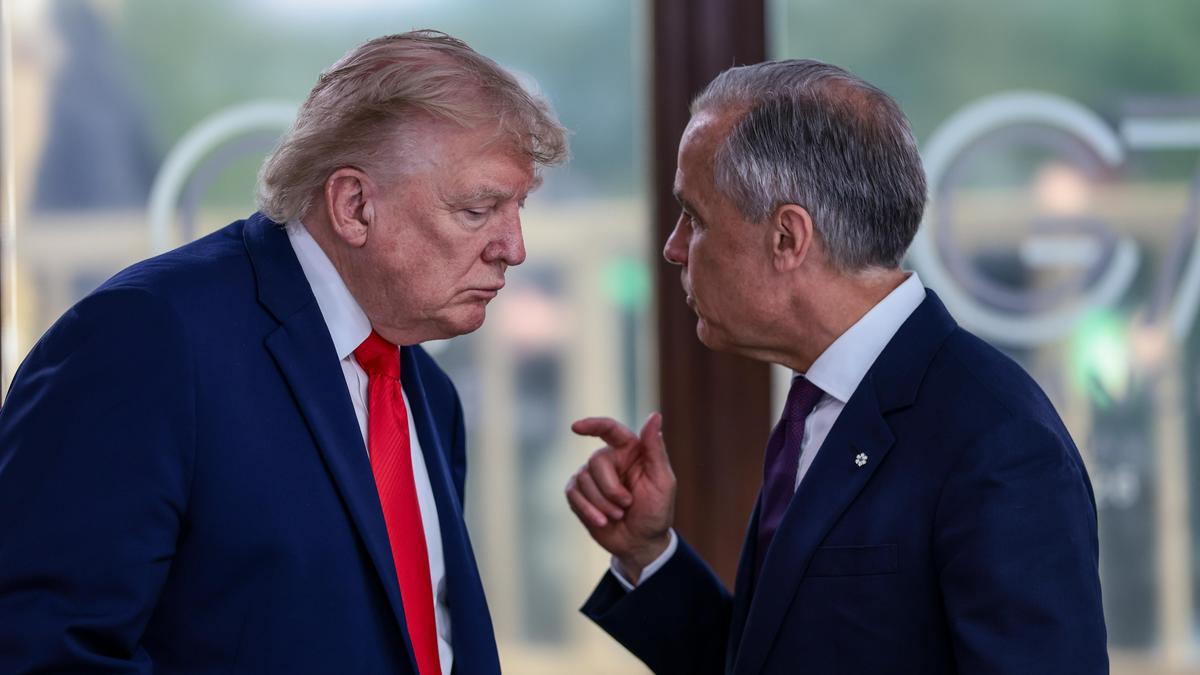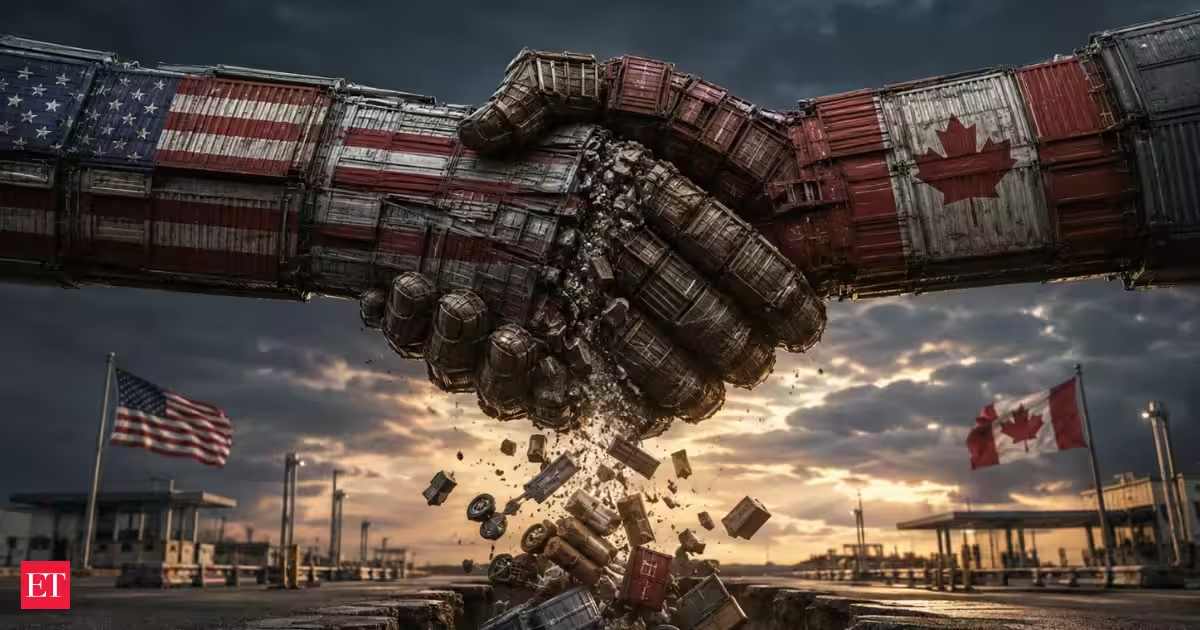
The United States is set to impose 50% tariffs on nearly $20 billion of Canadian imports from Saturday after last-ditch talks between the two historic allies failed to produce a trade agreement, US Trade Representative Jamieson Greer said.Greer said Canada had declined to finalise a deal despite a US offer that would have provided Ottawa with more favourable access to the American market, while accusing Canada of continuing its retaliation against US goods.Also Read: Donald Trump says Canada trade deal moving forward, new Mexico pact in worksA senior Trump administration official said the Section 338 tariffs of 50% on certain Canadian imports would take effect at 12:01 a.m. EDT on Saturday. The official said the US offer would have "reduced tariffs substantially" and put Canada "into the best position of any exporter to the United States."“Tonight, Canada declined to finalize the trade deal under the terms agreed earlier this week. Despite the U.S. offer to Canada to receive the best treatment of any major exporter to our market, new demands and walk backs of other commitments by Canada have upended the careful balance reached in the past days,” U.S. Trade Representative Jamieson Greer said in a statement read to reporters on a press call shortly before midnight.Canadian Prime Minister Mark Carney responded, “Last-minute changes in the U.S. proposed terms were unfair, uneconomic, and called into question the reliability of any deal.”The breakdown came after three straight days of intensive negotiations in Washington, with the two sides racing to reach an agreement before the tariff deadline. The talks had shown signs of progress, including discussions over reducing US tariffs on Canadian-built vehicles from 25% to 15% and cutting tariffs on Canadian steel and aluminium from 50% to 25%.But key differences remained. Washington has pressed Canada to dismantle what it considers discriminatory barriers to US exports, including restrictions on American alcohol, dairy market access and vehicle trade. Canada, meanwhile, has maintained retaliatory measures imposed in response to US tariffs.But the political impact will likely be even bigger than the economic fallout. The countries sold each other $880 billion worth of goods and services last year.The United States and Canada came close to a trade agreement but failed to bridge differences over relief from U.S. Section 232 tariffs, with a senior Trump administration official saying Ottawa sought more exemptions in a few areas than Washington was willing to provide.The Trump administration added the new tariffs were aimed at protecting American jobs, strengthening domestic supply chains and encouraging manufacturing to return to the United States, while signalling it did not expect Canada to retaliate against the measuresGreer said the United States had offered Canada a substantially better trading position but Ottawa had chosen not to complete the agreement.The tariffs stem from President Donald Trump's July decision to invoke the rarely used Section 338 of the Tariff Act of 1930. Under the provision, the president can impose duties of up to 50% on imports from countries deemed to have imposed unequal or discriminatory treatment on US commerce.Also Read: Canada, US ‘very close’ to trade deal as tariff deadline loomsThe measures are aimed at nearly $20 billion of Canadian goods and were originally scheduled to take effect in July. Trump subsequently paused the tariffs for three days to allow negotiators more time to reach a deal.A senior Trump administration official said Canada was seeking additional concessions from Washington beyond those already offered, contributing to the failure to finalise a trade agreement.The official added there were no further negotiations scheduled between the two countries, leaving the trade dispute at an impasse as the US moved ahead with plans to impose 50% tariffs on about $20 billion of Canadian imports.The latest impasse marks another escalation in an increasingly strained trade relationship between the two neighbours, despite their deeply integrated economies and decades of close cooperation.Canada's Trade Minister Dominic LeBlanc had acknowledged that more work remained even as negotiators pushed towards a final agreement on Friday.The new tariffs could further disrupt supply chains across North America and increase pressure on Canadian exporters, while Ottawa faces the prospect of responding with additional measures against US goods.
Canada refuses to finalise US trade deal, Trump official Jamieson Greer says
The United States will impose fifty percent tariffs on Canadian imports starting Saturday. This action follows failed trade negotiations between the two nations. Canada declined a US offer for better market access and faced accusations of retaliation. Intensive talks aimed to resolve differences over trade barriers and existing tariffs. The new measures could disrupt North American supply chains and impact exporters.
686 words~3 min read