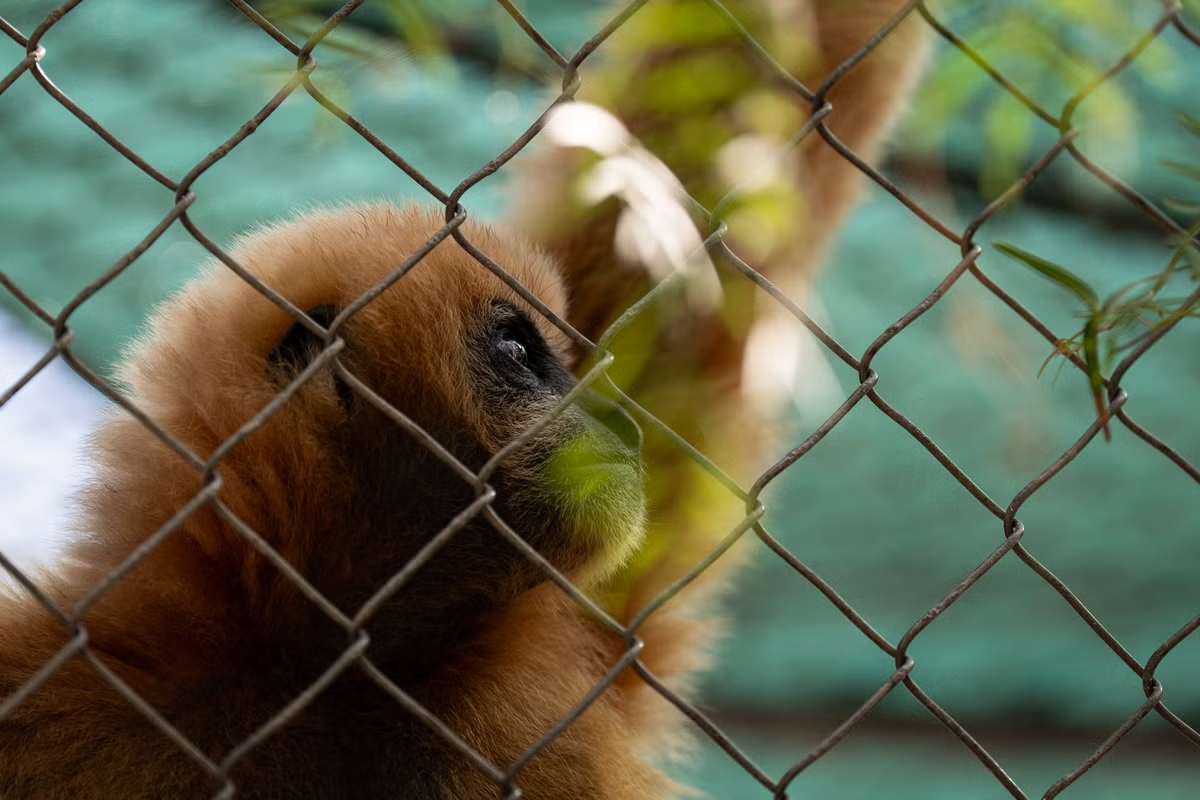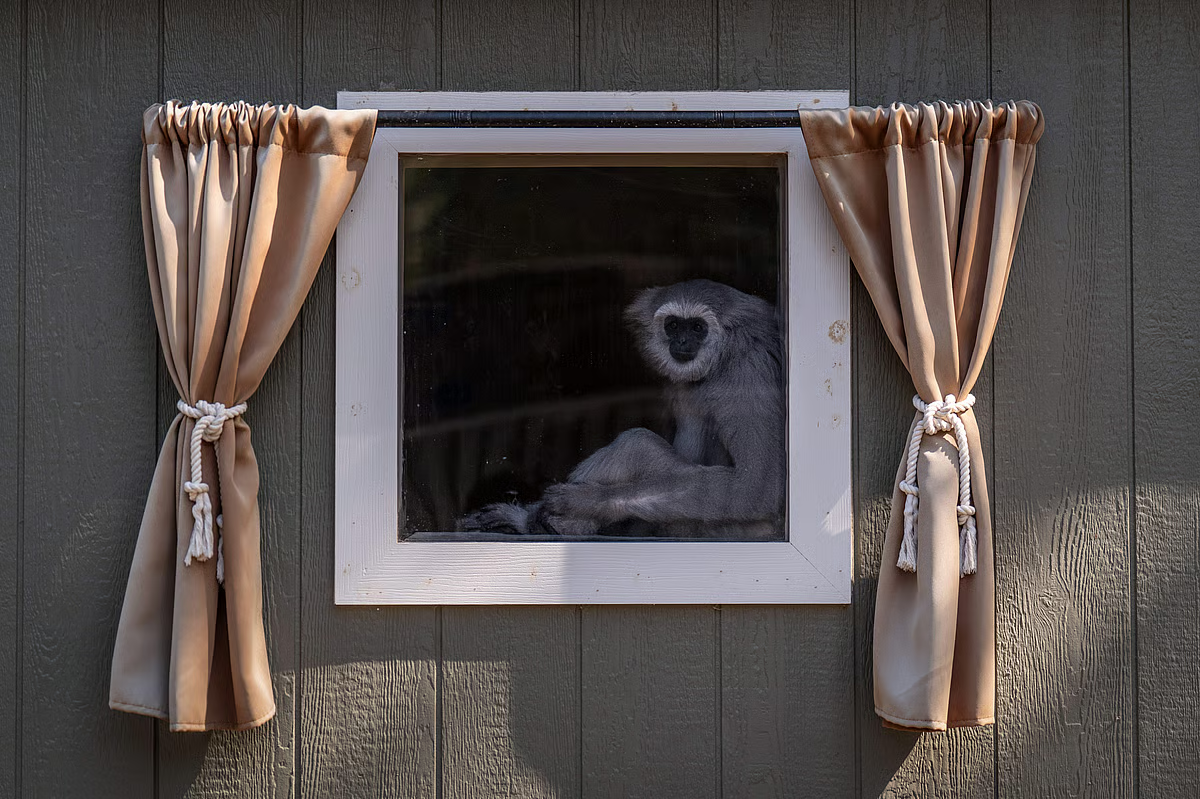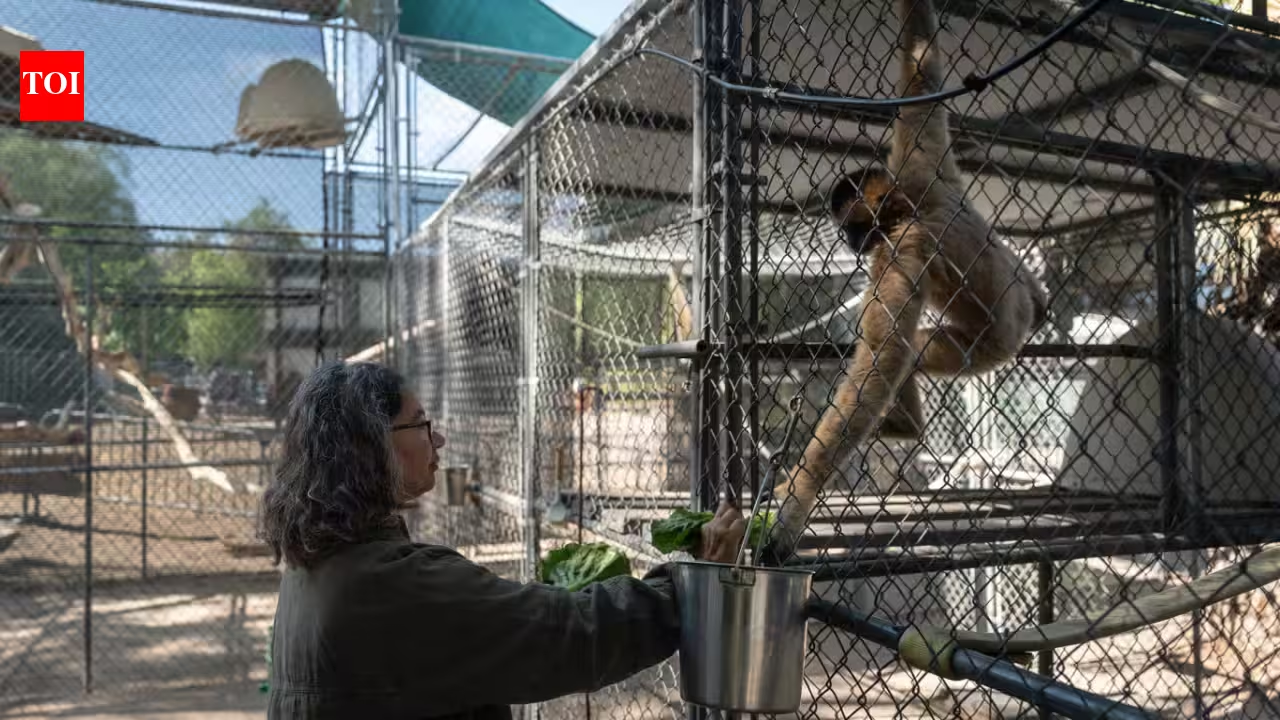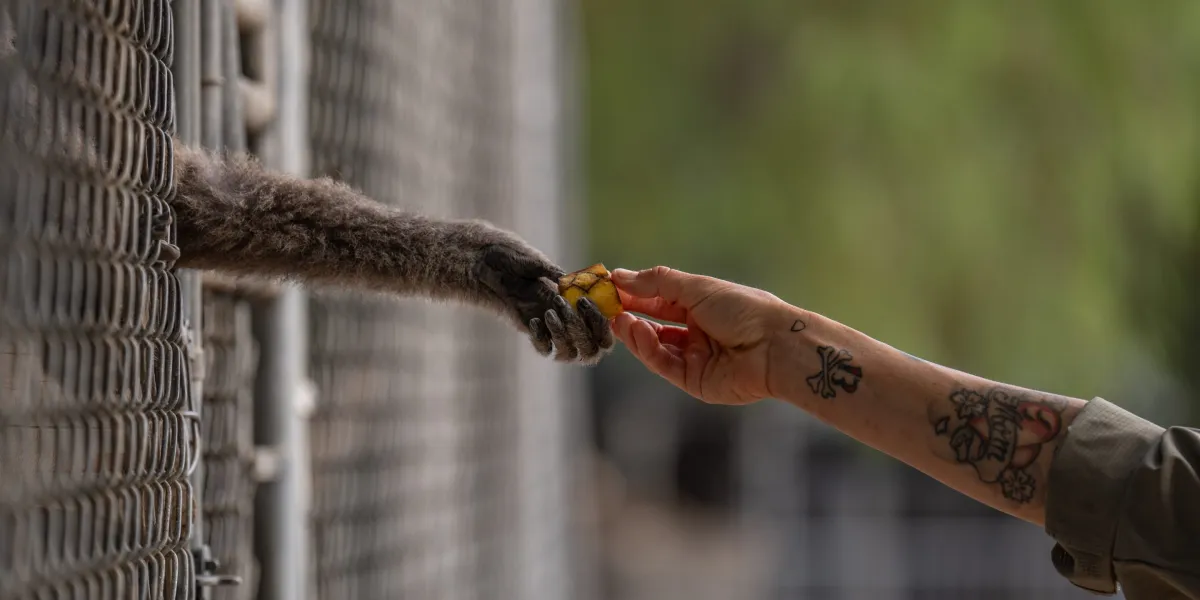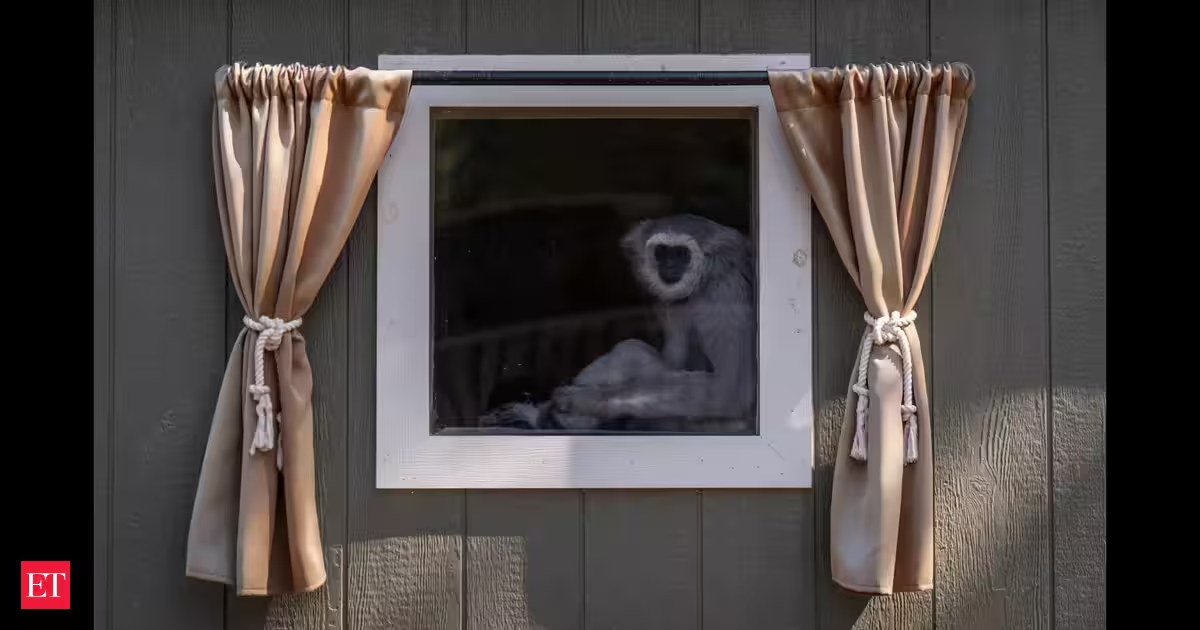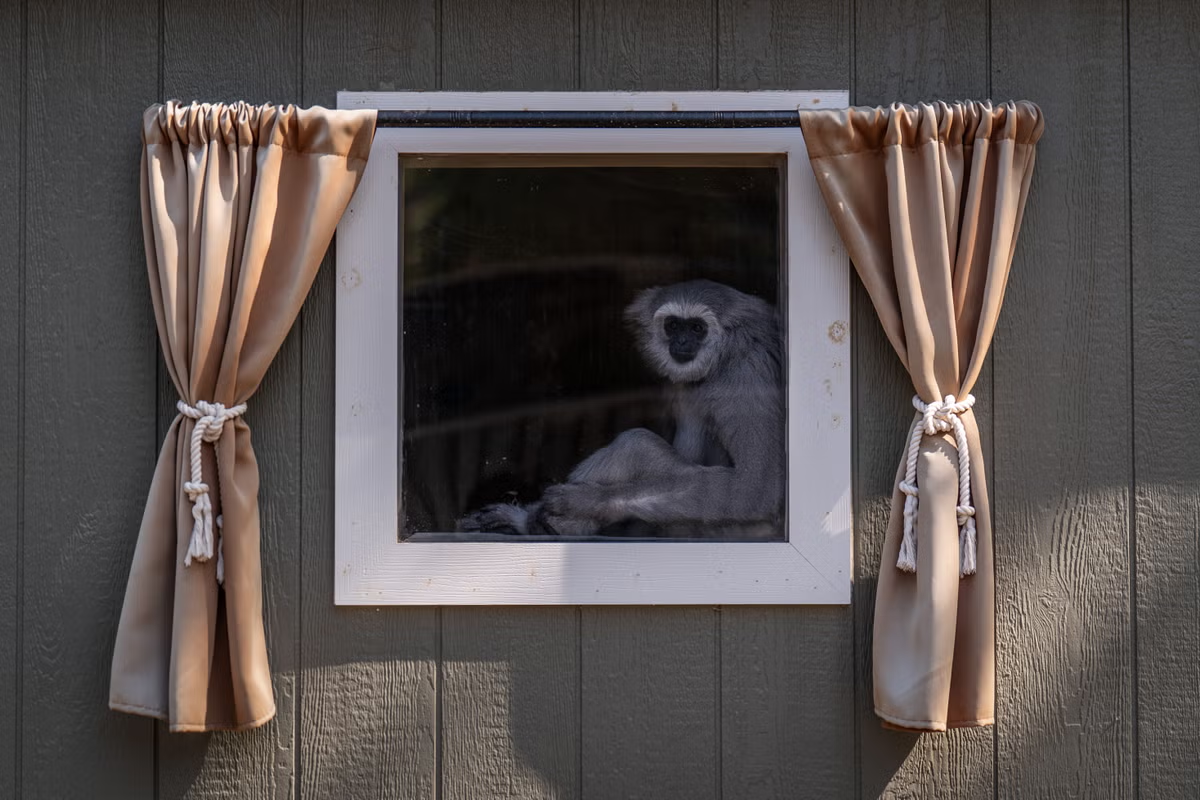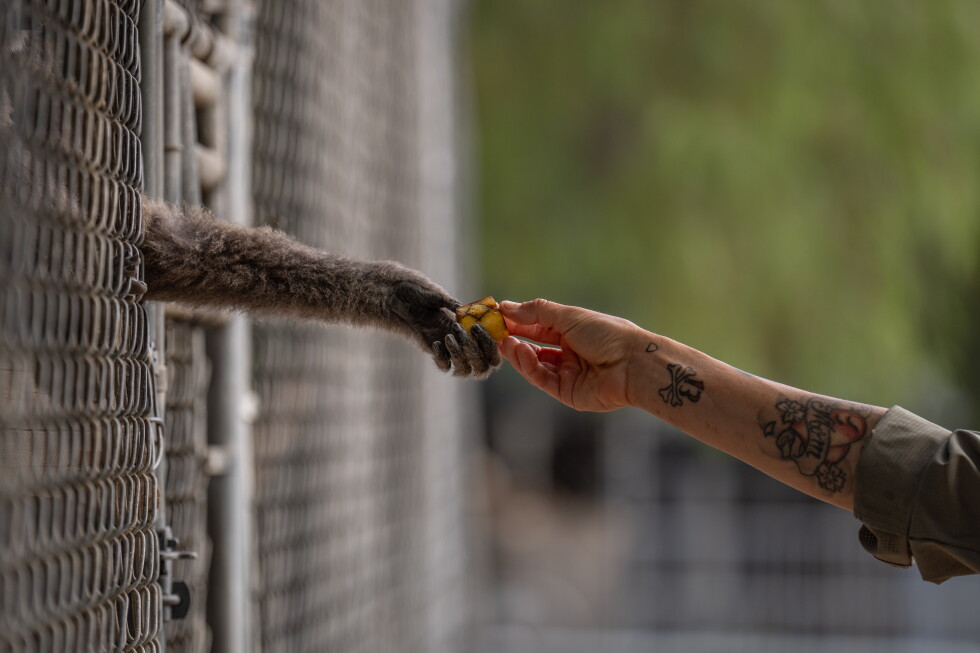
LOS ANGELES (AP) — In between morning feedings, the gibbons begin to sing — loudly. Ranging from the sound of emergency sirens and birds screeching to low grunts and guttural hoots, their vocalizations reverberate from a sanctuary in the hot, dry hills of the Santa Clarita Valley, north of Los Angeles. Over the past 50 years, the Gibbon Conservation Center has transformed from housing a small assortment of animals to becoming a globally recognized institution dedicated solely to the care and well-being of gibbons. Known for their signature singing, they are among the rarest and most critically endangered primates on Earth.Today the center cares for some 40 gibbons across five species. Their singing can sometimes be heard a mile away by the few neighbors in the sparsely inhabited outskirts of Santa Clarita.The center was founded by the late Alan Mootnick, a self-taught primatologist who would go on to become a leading expert on gibbons, all while running a home painting and remodeling business. He published papers in scientific journals, hosted researchers from around the world, and fielded questions from other scientists about gibbon care and identification.
“Sometimes they would just send him a picture of a rescued gibbon asking what species, or they will play him a vocalization,” Director Gabi Skollar said.Skollar moved from Hungary to the U.S. in 2005 to learn from Mootnick and work at the center. She has carried on his mission since his sudden death from heart surgery complications in 2011.