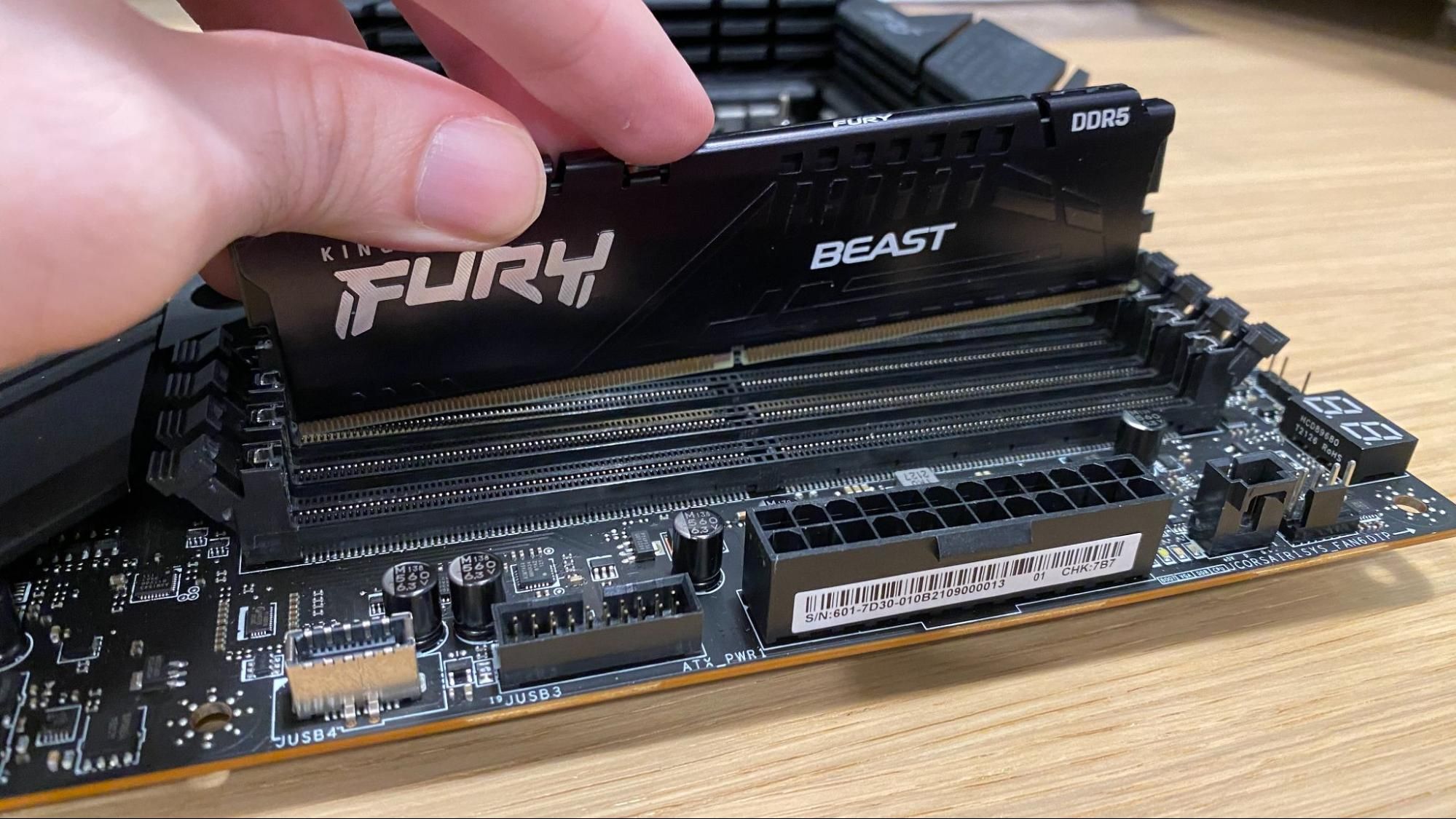
Microsoft has quietly deleted an official advice article recommending up to 32 gigabytes of random-access memory (RAM) for optimal Windows 11 performance, a move that comes as the tech giant pushes budget Surface devices equipped with just 8GB of memory amid soaring global component prices.The pulled post on the Windows Learning Centre previously advised that 16GB of system memory should serve as the baseline requirement for Windows 11, while 32GB was recommended for peak performance, particularly when running AAA video games or heavy multitasking workloads. Visitors attempting to access the page are now redirected to the main learning hub.
The removal coincides with a sharp increase in Double Data Rate 4 (DDR4) and Double Data Rate 5 (DDR5) memory prices, driven by booming demand across the enterprise artificial intelligence (AI) and server markets and pushing up personal computer (PC) manufacturing costs industry-wide.
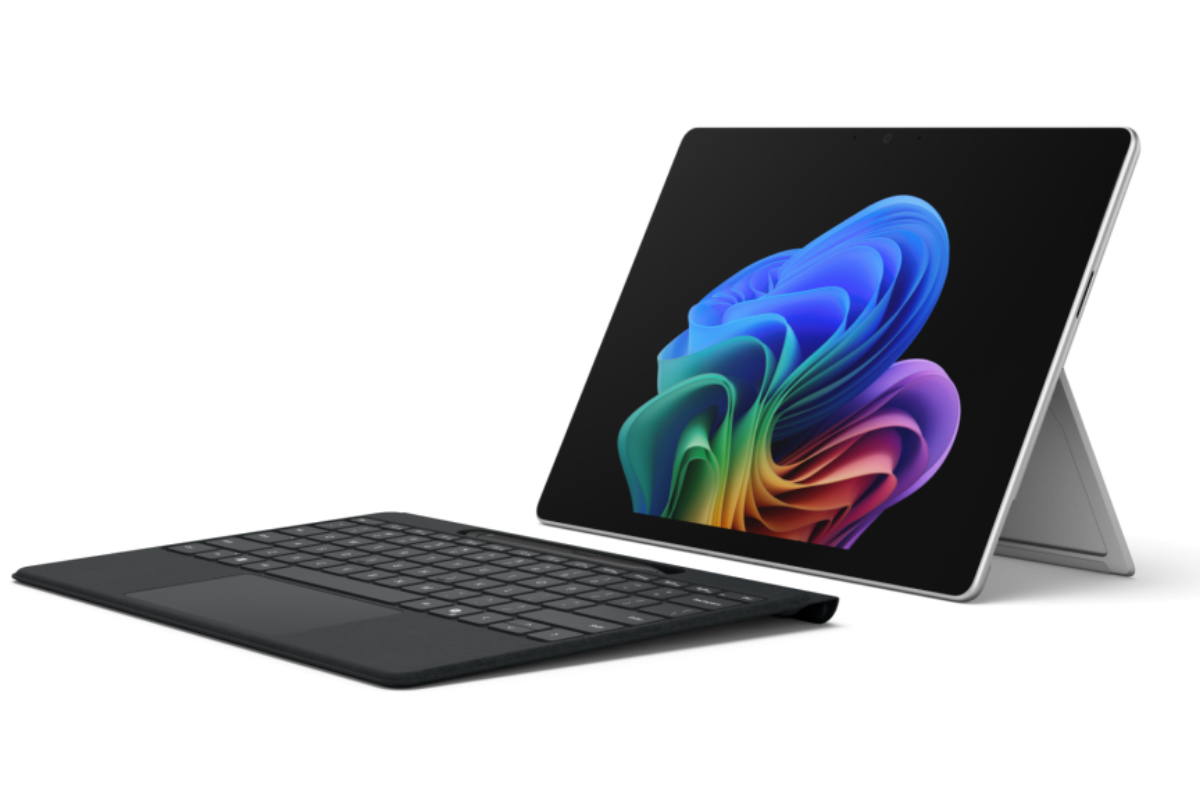
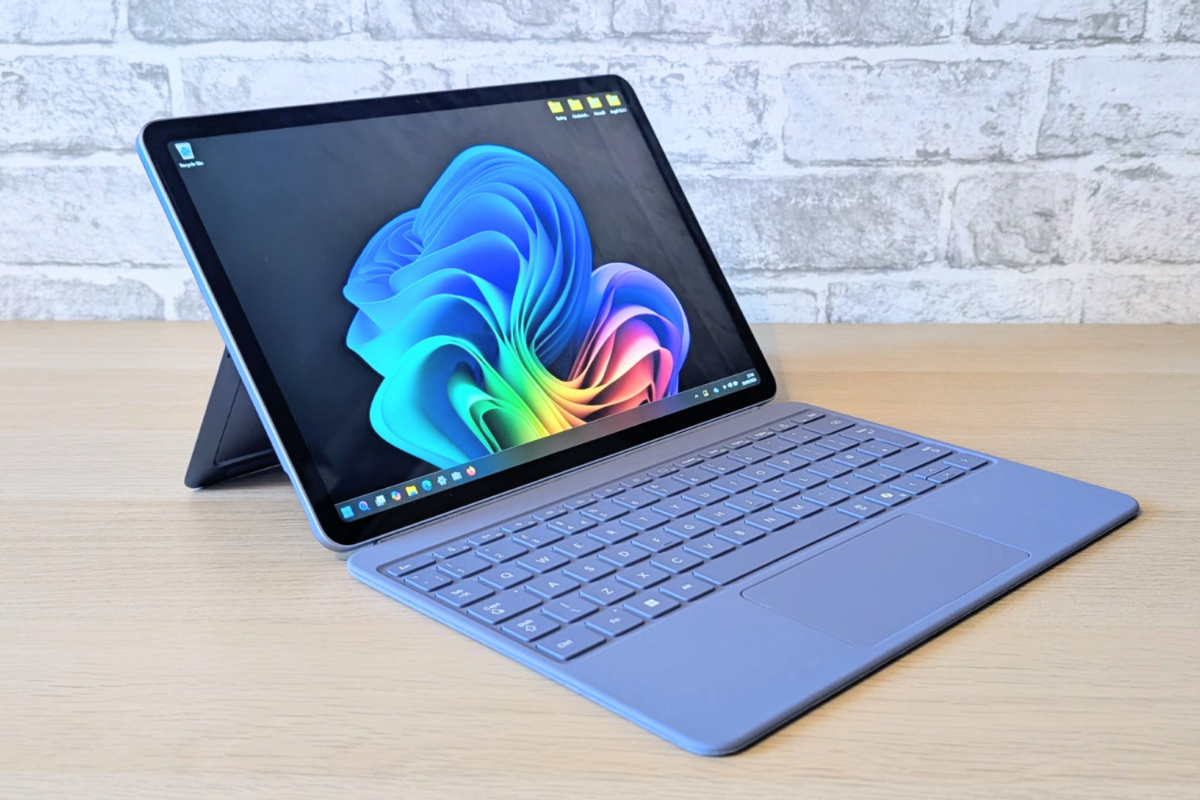
The decision has raised eyebrows as Microsoft continues selling entry-level hardware such as the 12-inch Surface Pro and 13-inch Surface Laptop with 8GB of RAM, priced at US$849 and $949, respectively. By comparison, competing 8GB models such as the MacBook Neo retail for $599 and $799, while the Acer Swift Air 14 starts at $699.