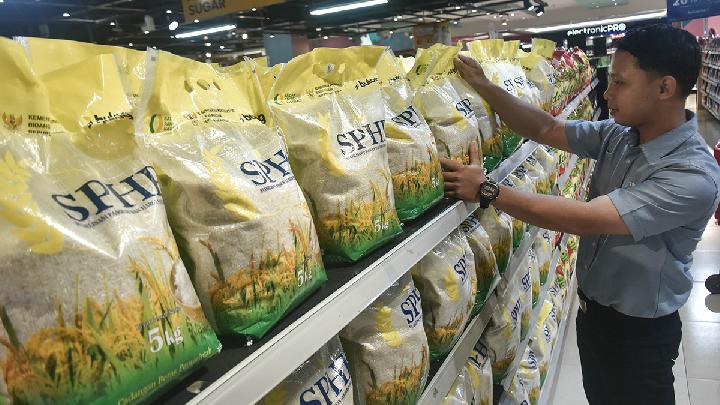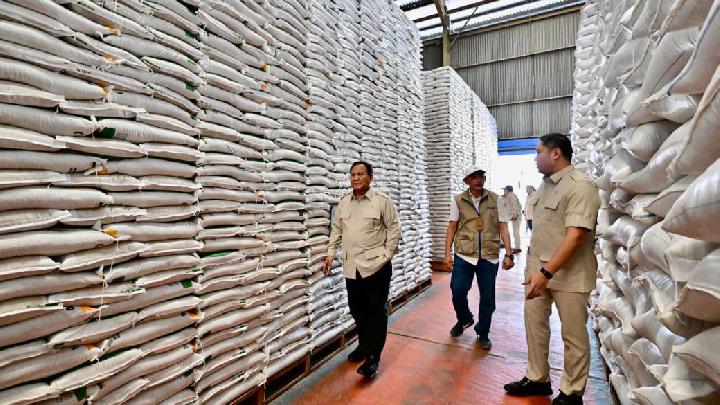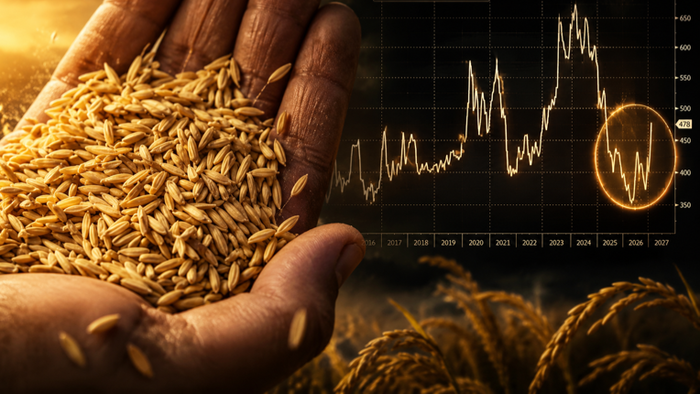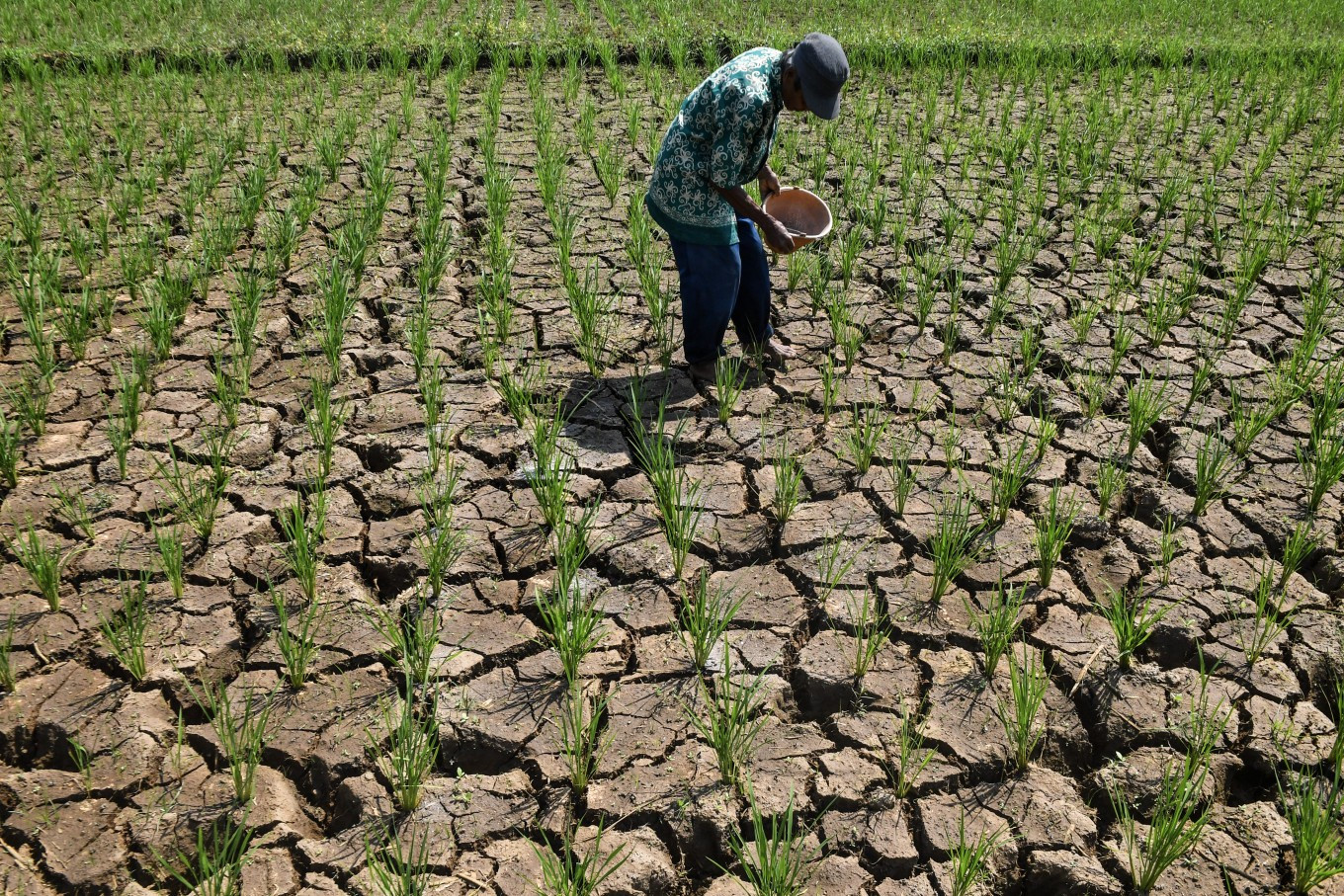
Rice prices have trended upward for the past seven months despite the Prabowo Subianto administration’s claim that Indonesia has achieved rice self-sufficiency. The price increase has occurred even as rice stocks held by the State Logistics Agency (Bulog) remain high. The trend could intensify as an El Niño-induced dry season brings worsening drought conditions, potentially disrupting harvests and putting further upward pressure on rice prices.The dry season, intensified by the El Niño phenomenon, has triggered drought conditions across several regions of Indonesia. In West Java, drought had affected 214,381 people as of July 29, as prolonged dry conditions disrupted access to clean water. Dry conditions have also heightened the risk of forest and land fires. By July 29, West Kalimantan had recorded 28,680 hectares of burned land and approximately 200 hotspots across 12 regencies. In response, the government has carried out weather modification operations, which generated an estimated 40.52 million cubic meters of rainfall across Aceh and Palembang as of July 30.
Beyond the immediate risk of fires, water shortages pose a more direct threat to agricultural production. Strong El Niño conditions could suppress food production by increasing the risk of crop failure, particularly in eastern Indonesia. Second-season rice output is projected to decline by 2.6 percent nationwide. Water shortages could lower productivity, reduce planting areas, and raise farmers’ production costs in key rice-producing regions across Java, Sumatra, and Kalimantan. A decline in supply could, in turn, push up food prices and inflation, weaken the purchasing power of vulnerable households, and increase the need for subsidies, social assistance, or imports.