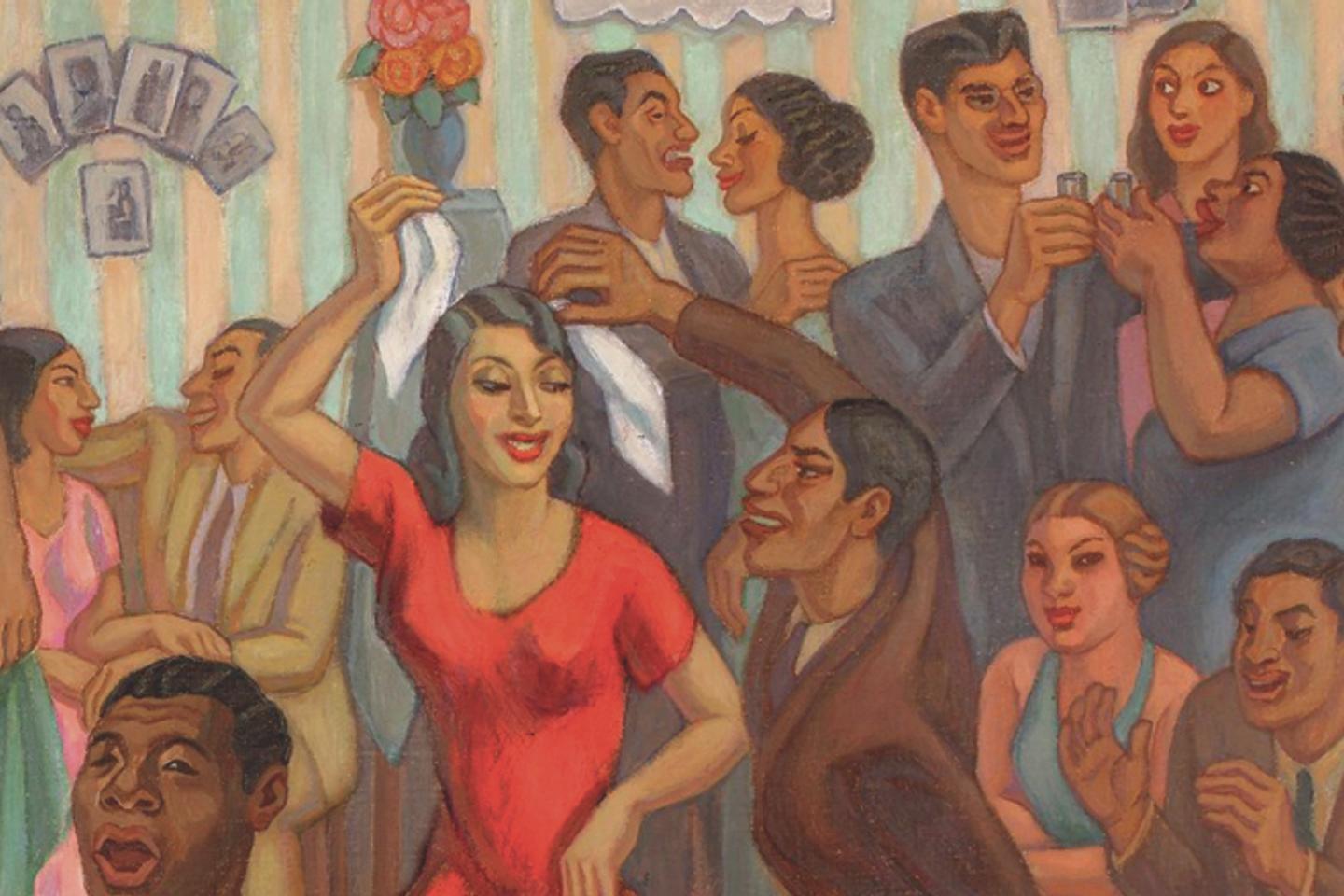
I Give You My Silence Author: Mario Vargas Llosa, translated Adrian Nathan West ISBN-13: 9780571392377Publisher: Faber & FaberGuideline Price: £290; 256ppIn Mario Vargas Llosa’s final novel, partly a homage to the music and culture of his native Peru, the intriguing title phrase is uttered by a character who appears only once: Lalo Molfino, a poverty-stricken young guitarist whose dazzling virtuosity captures the imagination of the novel’s anxious and disappointed hero, Toño Azpilcueta. An expert in Peruvian folk music and a failed academic, tormented by a phobia of rodents, Toño is inspired by Lalo’s brilliant performance to reimagine his music, the creole vals, as the essence of the soul of Peru. On learning that Lalo has died, Toño resolves to write his biography and sets out on a journey to investigate the young man’s origins. This book, he decides, will explain Creole music as the melding of many musical and social influences and promote his own theory of music as a vehicle for political and social change, transcending and healing divisions wrought by race, class, poverty and terrorism in this “mongrel country”.The chapters recounting Toño’s quest alternate with extracts from the book he is obsessively writing and rewriting, the language in part scholarly, in part imbued with extravagant huachfería, a peculiar brand of pretentiousness which Toño sees as the heart of Peruvian society. Almost from the outset, his theories collide with reality. Far from promoting harmony, his obsession threatens his marriage and friendships. Lalo himself, he learns, was an individualist who refused to co-operate with other artists. Toño’s material soon expands far beyond Lalo and the vals, to encompass the entire history of Peru, starting with the Incas. In the end, this vast, unwieldy, romantic endeavour, which Toño believes will secure his legacy and fulfil his fantasies of posthumous glory, collapses under the weight of its grandiosity. For a writer of the stature of Vargas Llosa, whose lifelong dedication to literature has borne witness to historical and contemporary struggles against injustice, this novel is a poignant farewell, and a humble one. In Toño’s thwarted search for unity and healing, there are echoes of the novelist reconciled to the limits of artistic endeavour as a force for change. Yet the quest is necessary, heroic, even if destined to end in silence, for it is a silence that will resonate far beyond Vargas Llosa’s final page. Elizabeth McSkeane is director of Turas Press
I Give You My Silence by Mario Vargas Llosa: A poignant farewell
In his protagonist, there are echoes of the novelist reconciled to the limits of artistic endeavour as a force for change
400 words~2 min read