By Dr. Gani Enahoro
Nigeria is a country of paradoxes. We boast one of Africa’s largest populations, a youthful demographic, and a livestock sector that is valued at an estimated ₦30 trillion.
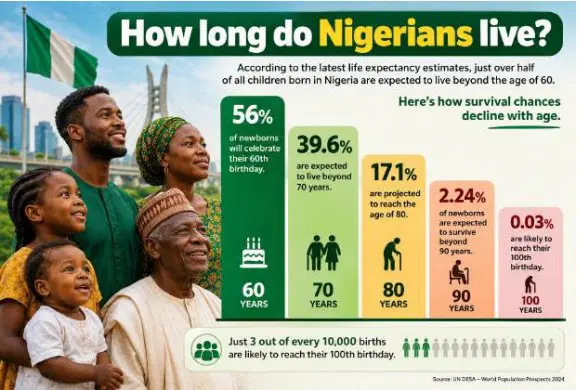
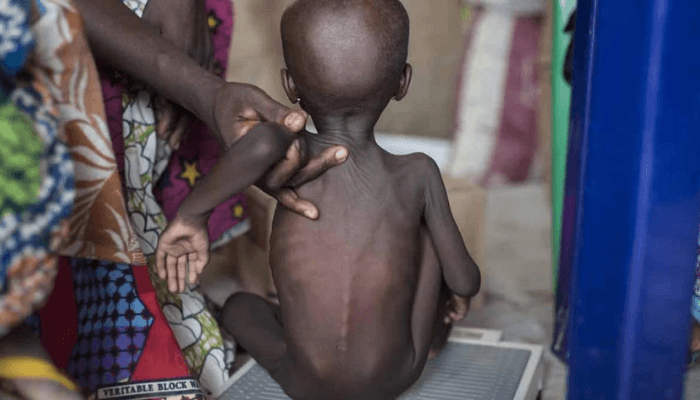
Yet, we also carry the grim badge of having the lowest life expectancy in the world, a mere 55 years from an average of 73.8, according to the United Nations World Population Prospects (2026). It is a statistic so jarring that it forces us to confront uncomfortable truths about how Nigerians live, suffer, and die.
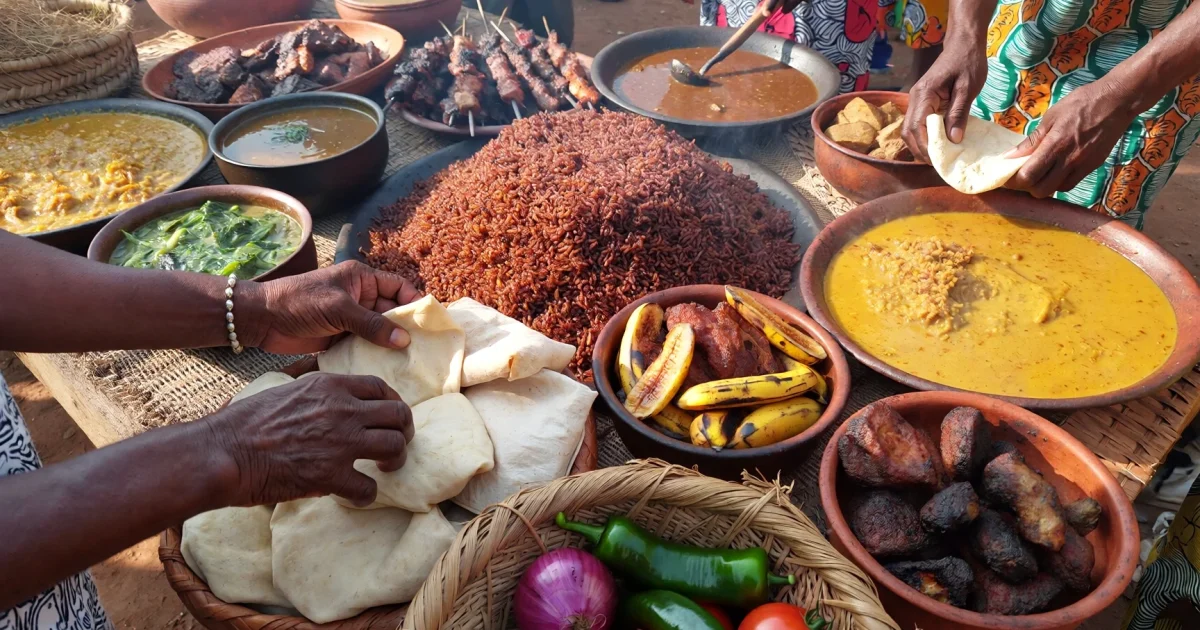
We often attribute our low life expectancy to malaria, childbirth complications, infectious diseases, insecurity, and the psychological trauma of banditry and kidnapping. But buried beneath these headline causes is a quieter, more pervasive threat, the food we eat, especially the meat that forms a central part of our diet. Unknown to many, a lot of people die from food poisoning traceable to meat sources, or in some cases had contracted viral or bacterial diseases through wrong processing of meat and its byproducts. This is not an exaggeration. It is a national emergency hiding in plain sight.
The hidden link between food safety and life expectancy