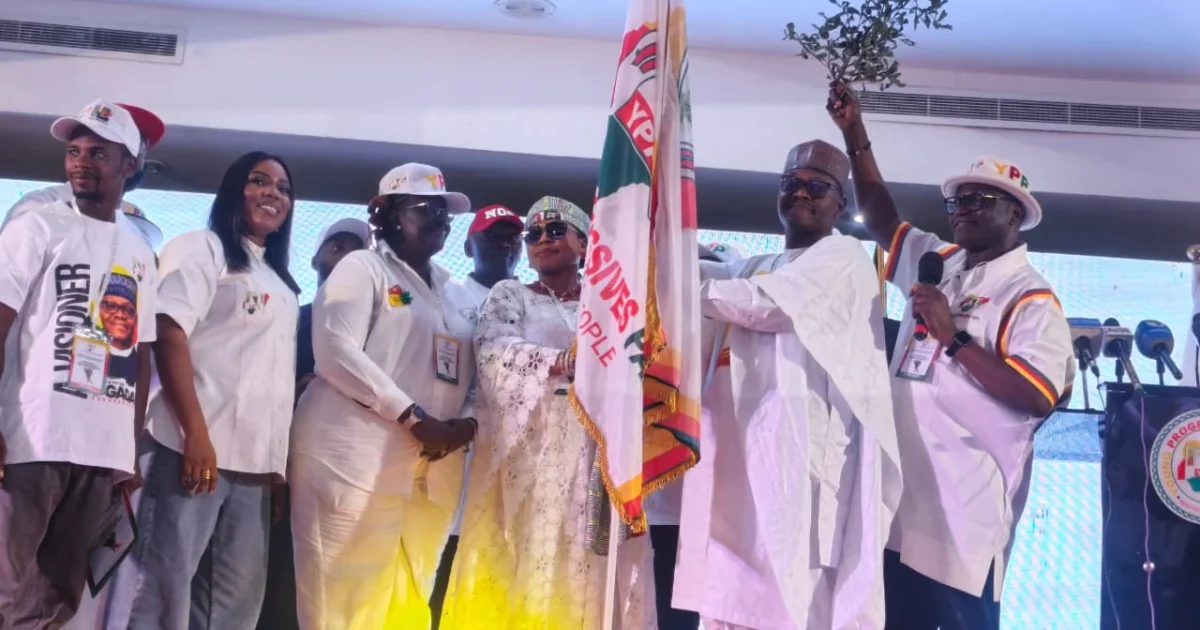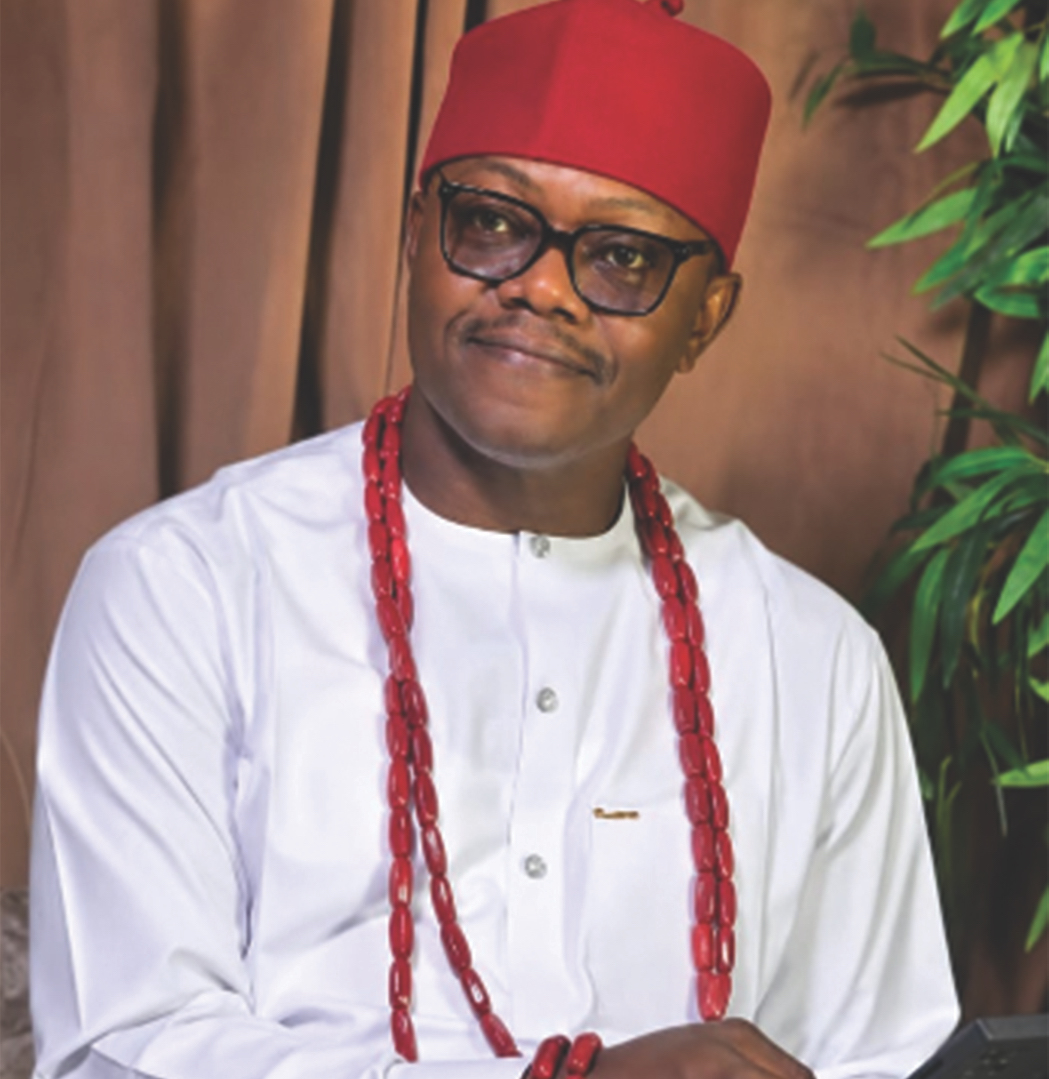
As the Young Progressives Party conducted its final substitution primary for the 2027 presidential election yesterday, architect, entrepreneur and former Labour Party presidential aspirant, Peter Agada, emerged as the party’s presidential candidate. In this interview, Agada explains his decision to join the YPP, rejects coalitions without ideological compatibility, and outlines his vision of lean governance, reduced borrowing, ‘ward capitalism’ and broader economic inclusion. Chuks Okocha brings the excerpts:
What challenges have you faced ahead of the substitution primary in the YPP?
The Young Progressives Party (YPP) is a veritable ideology-driven political party, which has been registered for years. It has an ideologically brilliant and potent constitution vital to the rescue of Nigeria from its chronic leadership failures of many years. That is very important for me. From the leadership I have interacted with —the National Chairman, Bishop Amakiri; the National Secretary; the Deputy National Chairman, Amb. Dr. Nana Aisha Mahmoud, and members of the National Working Committee — I have encountered people who, in my assessment, genuinely want to build their party and build this nation. When you have a leadership that is concerned about the quality of people coming into a political party and what they intend to offer the country, you are already taking the necessary steps towards nation-building. They don’t simply ask what you have, financially speaking. They want to know: Who are you? What do you represent? What do you intend to do for Nigeria? What impressed me particularly is the premium the party leadership places on ideas and values. I presented myself and my programme. I explained what I believe Nigeria requires and the reforms I intend to pursue. What became evident was that there was substantial compatibility between my programme and the philosophy of the YPP. It fitted almost like a jigsaw puzzle. My political ideology filled a space within what the party itself was seeking in a presidential candidate. Since then, several support groups and individuals have begun identifying with the programme. A political party must have the capacity to separate serious nation-builders from people who merely want a platform.