Originally published on tamiz.pro.
The term "AI Agent" has become the default marketing suffix for nearly everything LLM-connected today. But for a software engineer standing in front of a production pipeline, marketing fluff doesn't execute tasks, reduce latency, or handle state management. The real question isn't whether these tools exist, but whether their underlying architectures can survive the jump from a demo environment to a distributed system.
This article moves beyond the hype cycle to conduct a technical audit of two distinct archetypes in the current agent landscape: the deterministic-adjacent operational agent (represented by tools like OmniRoute) and the conversational persona framework (represented by Eliza). By dissecting their architectural patterns, tooling constraints, and failure modes, we can determine where each truly belongs in a modern stack.
The Architecture of Intent: Deterministic vs. Probabilistic
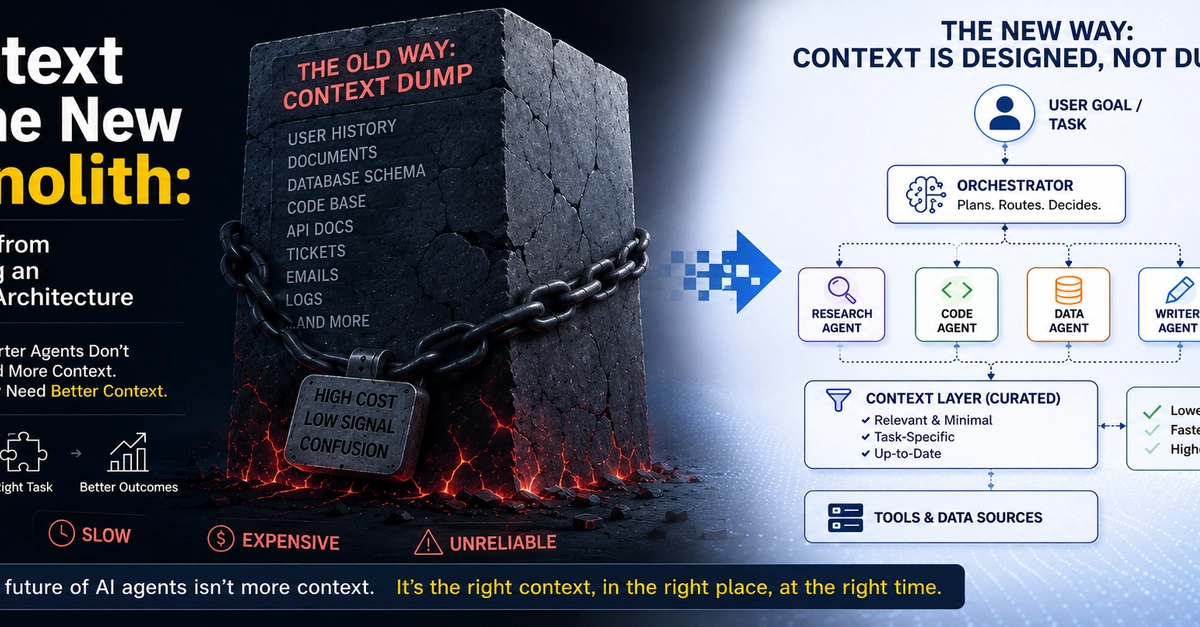
To compare these systems fairly, we must first categorize them by their fundamental operational model. Most "agents" fall into one of two buckets: those designed to orchestrate state through a defined graph and those designed to react to context through probabilistic completion.