Free daily briefing on global business news.
Limping that starts mid-walk, licking that won't stop, blisters that don't show up until hours later — the specific signs of pavement burn, and what to do the moment you notice one
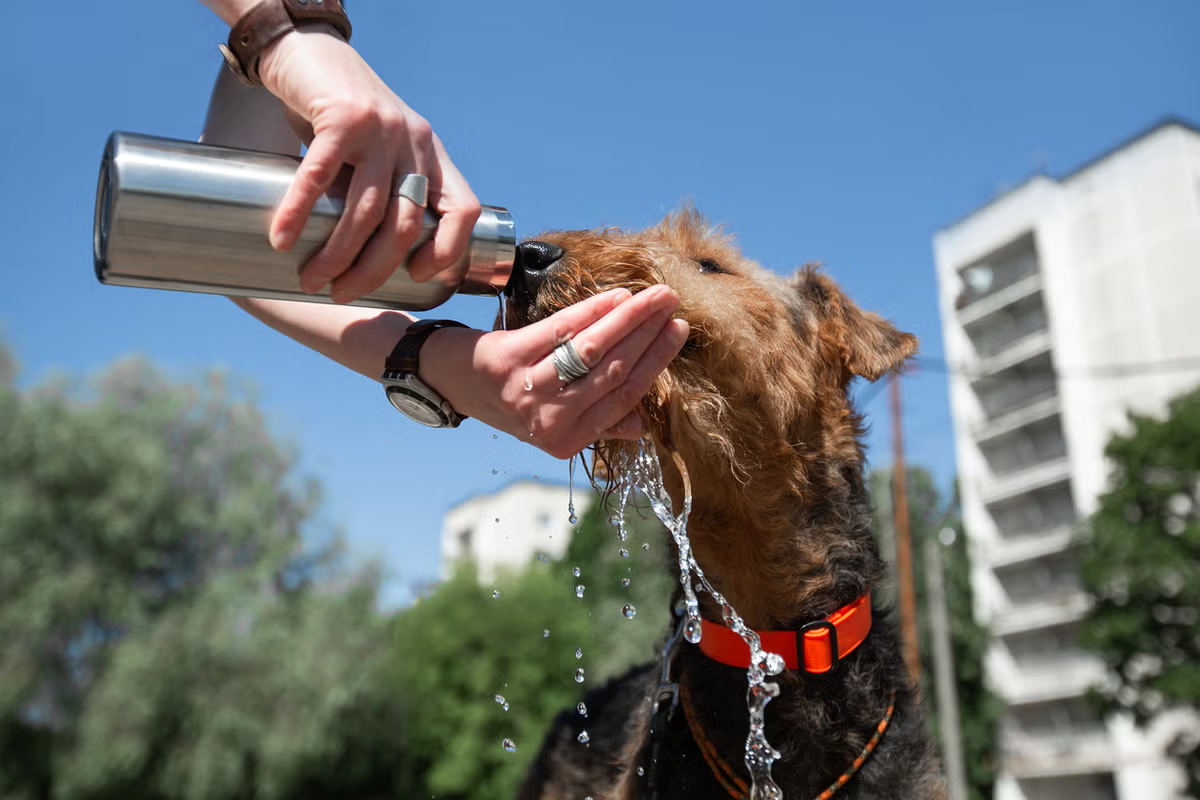
Christopher Ayme / Unsplash
Asphalt and concrete absorb and radiate heat far more intensely than the surrounding air temperature suggests, and pavement can reach temperatures 40 to 60 degrees hotter than the actual air temperature on a sunny day, meaning a comfortable-feeling 85-degree afternoon can produce pavement hot enough to burn a paw pad within seconds of sustained contact.
Each entry in this list covers a specific sign that a pet's paws are already being affected by hot pavement, what's actually happening physically, and what to do the moment that sign appears.