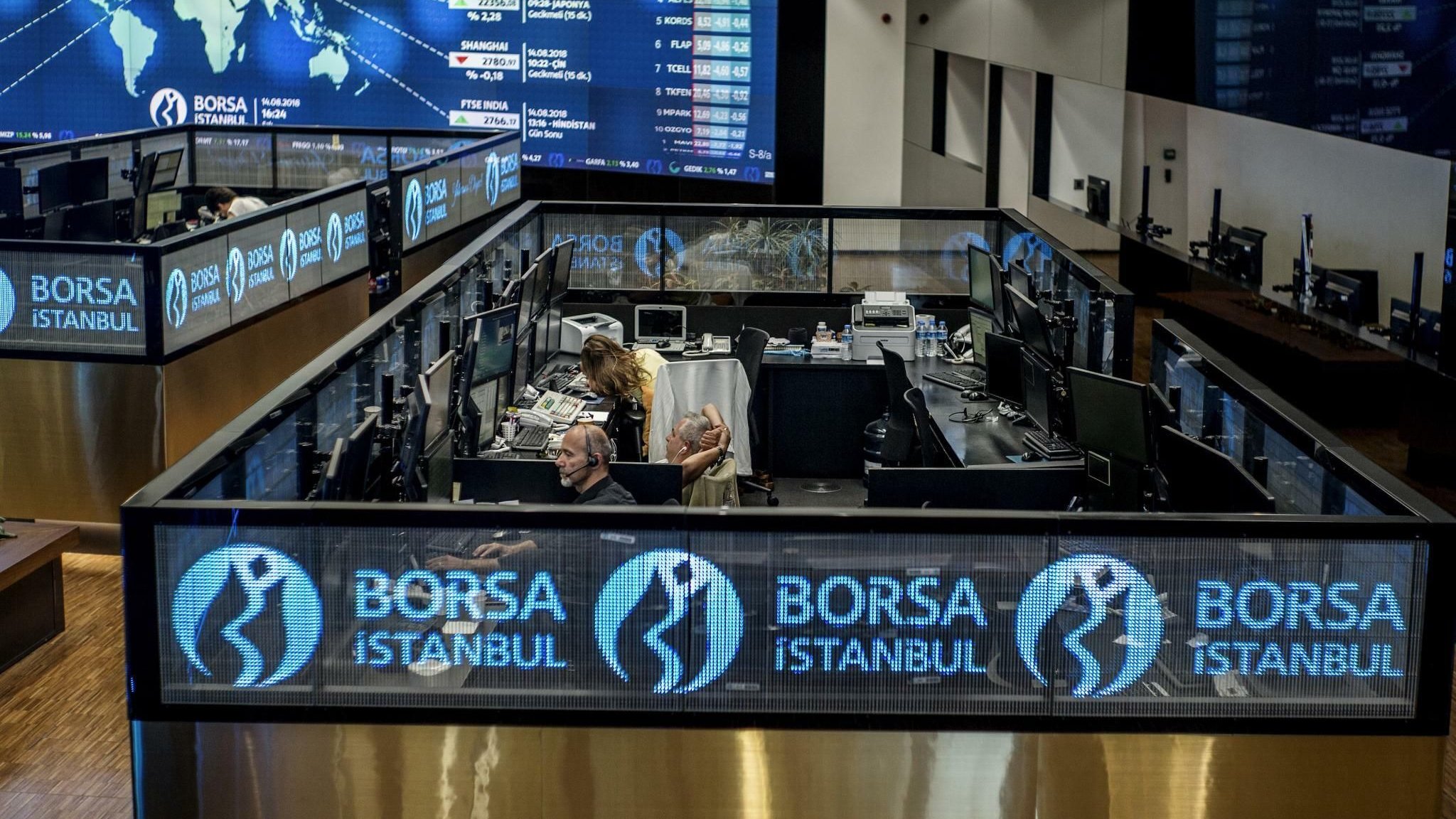
In recent years, Türkiye's capital markets have undergone a remarkable transformation. Initial public offerings have reached record numbers, the ranks of retail investors have swelled, and for the first time in decades, capital markets have captured the attention of broad segments of society. Yet the question worth asking today is no longer how many million investors we now have, or how much daily trading volumes have grown. The real question is why Türkiye still is not yet one of global capital's natural destinations.
Why do the world's largest pension funds, insurers, sovereign wealth funds and other long-term institutional investors continue to keep their allocations to Türkiye limited?
The answer, more often than not, lies not in individual companies but in market architecture.
Many companies operating in Türkiye are stronger than their emerging-market peers in growth potential, export capacity, operational efficiency and profitability. And yet a significant share of our companies trade at steep valuation discounts relative to their international counterparts. The reason is rarely company-specific risk; it is market risk. Investors do not price companies alone; they price rules, institutions and regulatory quality as well.