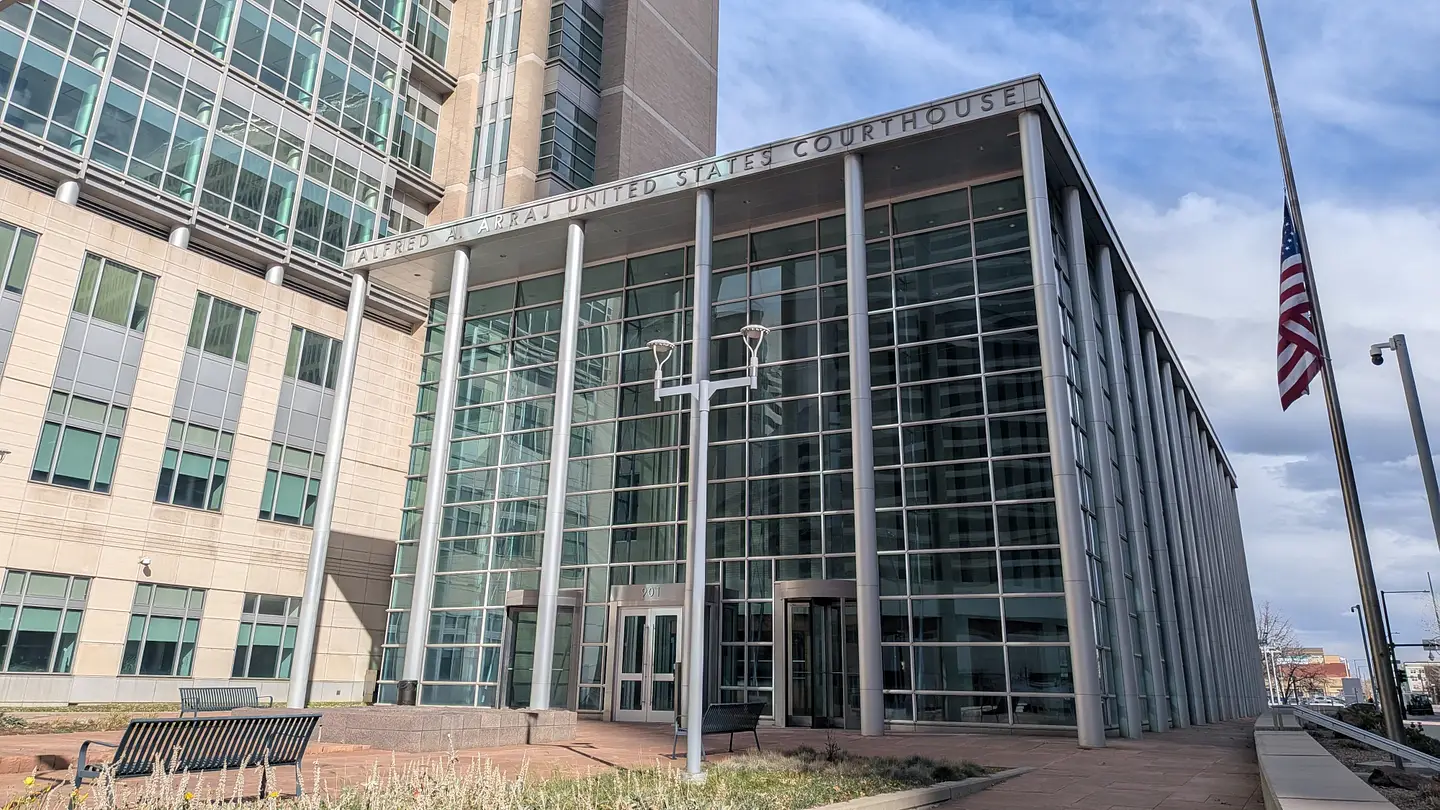
On Friday, the Tenth Circuit Court of Appeals granted the NCAA's motion for a stay in the case of Wisne v. NCAA.After a string of defeats at the federal and state court levels, the NCAA prevailed in the Tenth Circuit, at least temporarily, in their bid to enforce their age-based eligibility model and deny fifth-year eligibility for the Class of 2022. On July 31, 2026, Colorado U.S. District Court Judge Charlotte N. Sweeney issued a decision in a case that challenged the NCAA's age-based eligibility model. Judge Sweeney ruled against the NCAA and issued a sweeping preliminary injunction which granted Class of 2022 athletes nationwide an extra year of eligibility. The NCAA appealed Judge Sweeney's ruling to the Tenth Circuit Court of Appeals. They also asked that Judge Sweeney's ruling be stayed while the appeal issues are decided.In today's ruling by the appeals court, Judge Sweeney's decision was not necessarily overturned, but it was halted pending a final decision on the NCAA appeal. Thus, Class of 2022 athletes who relied on being members of the affected class are now frozen in a state of uncertainty. BREAKING: The Tenth Circuit has GRANTED the NCAA’s stay request in Wisne v. NCAA.Judge Sweeney’s nationwide injunction is now stayed pending appeal, meaning qualifying Class of 2022 athletes lose its federal fifth-season protection for now. pic.twitter.com/i3ASE2TmHi— Austin Massey (@austinmasseySBI) August 21, 2026Many athletes in various sports, including softball, are dependent on the Wisne case to obtain fifth-year eligibility status. Now they are in a state of uncertainty as they await a final determination of the appeal at the federal level.South Carolina catcher Jame Mackay announced her intention to return for a fifth year via Instagram on Thursday. One day later, Mackay and the Gamecocks are in a holding pattern as they too await a determinate ruling.Other athletes are protected from the federal fallout, at least for now, by temporary restraining orders (TRO) obtained in state court venues. Once such lawsuit challenging NCAA eligibility rules was heard recently in a Texas state court. The lawsuit was a separate, targeted action against the NCAA and did not rely on the broader federal class action status declared as a result of the Wisne decision. A TRO was issued by the McLennan County District Court in Texas on August 14, 2026. The order which is independent of the Colorado case, enabled 39 listed plaintiffs to regain their eligibility and obtain transfer portal freedom. One of the listed plaintiffs in the Texas case is former Princeton University pitcher and 2025 Ivy League Pitcher of the Year, Brielle Wright, who is seeking a fifth year of eligibility as a graduate student. She immediately posted her intentions on X after the TRO was issued in Texas.I am officially in the transfer portal looking to play my 5th year as a Graduate! (Protected through Texas lawsuit)LHP- 4x Ivy League Champion- 2026 Team Captain- 2025 Ivy League Pitcher of the Year- Ivy League record in Career Saves (16) - 2 NCAA Regional Saves pic.twitter.com/kBKd57iGx1— Brielle Wright (@BrielleWright20) August 14, 2026The Texas case is now heading to a formal preliminary injunction hearing, which will involve full legal arguments and the hope of a permanent order enabling Wright to play. Whether she eventually gets to play as a graduate transfer is an open question.Additional state cases continue across the country. In their response to today's decision, the NCAA appears to be determined to continue its fight to enforce the eligibility model it approved in June 2026. NCAA statement:The Tenth Circuit’s decision to stay the preliminary injunction issued by a Colorado federal district court judge in Wisne permits Division I to return to the status quo before the district court intervened. Effective immediately, the age-based eligibility rules…— NCAA News (@NCAA_PR) August 21, 2026Add us as a preferred source on GoogleFollow
Class of 2022 Softball Players’ Fifth Season Put on Hold by Federal Appeals Court
Today, the Tenth Circuit Court of Appeals granted the NCAA's motion for a stay in the case of Wisne v. NCAA. After a string of defeats at the federal and state
633 words~3 min read