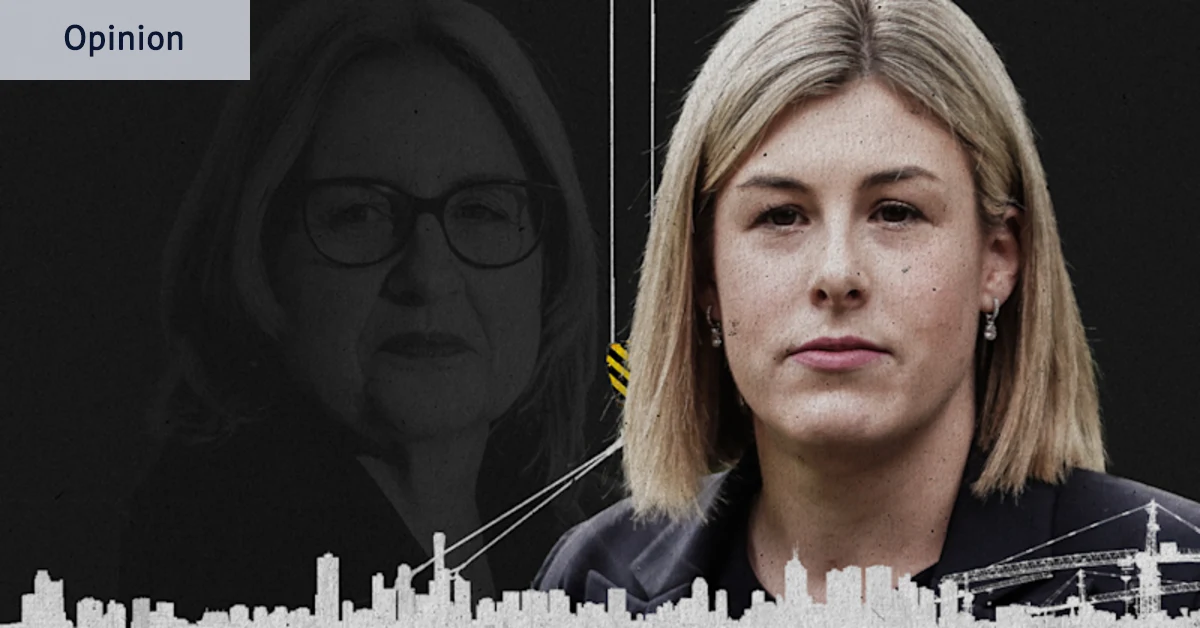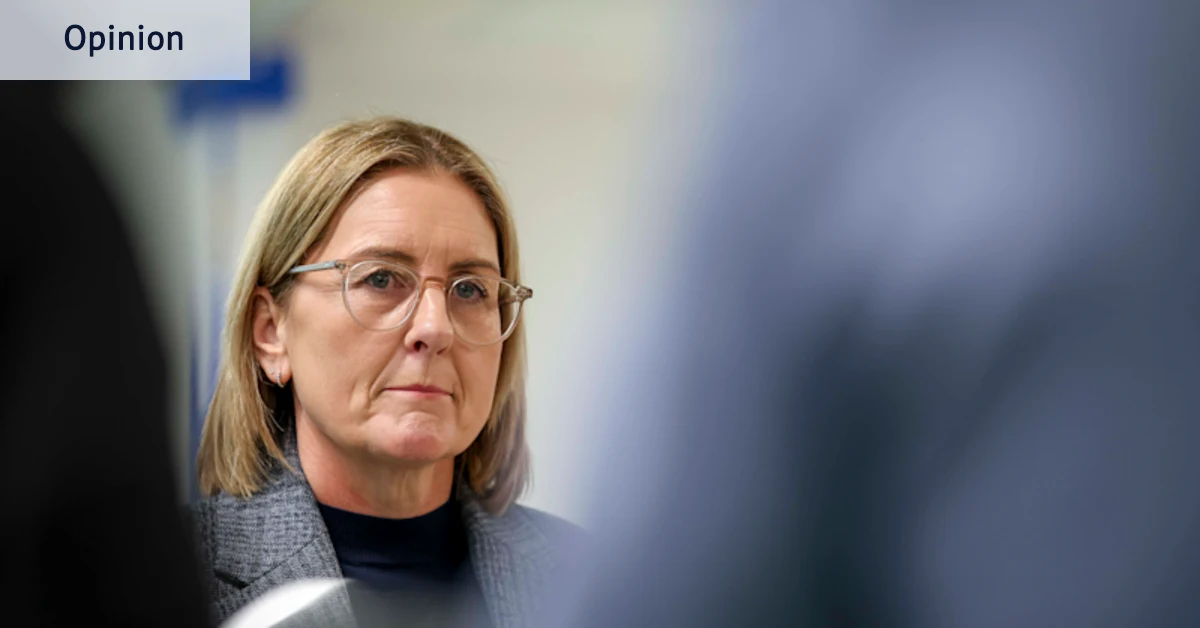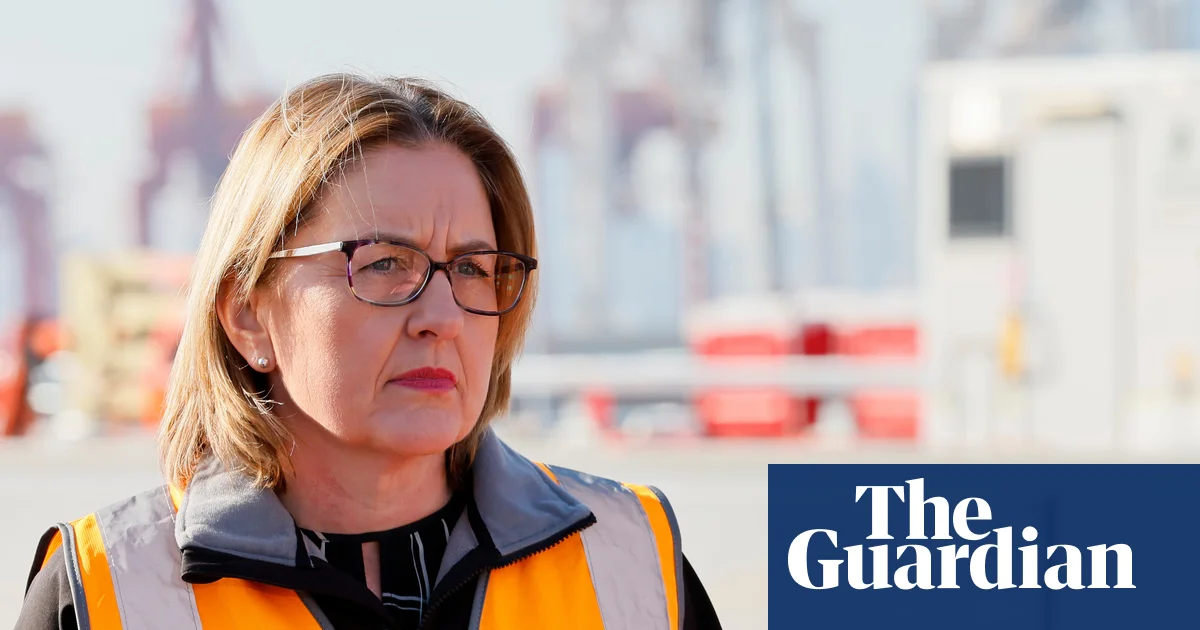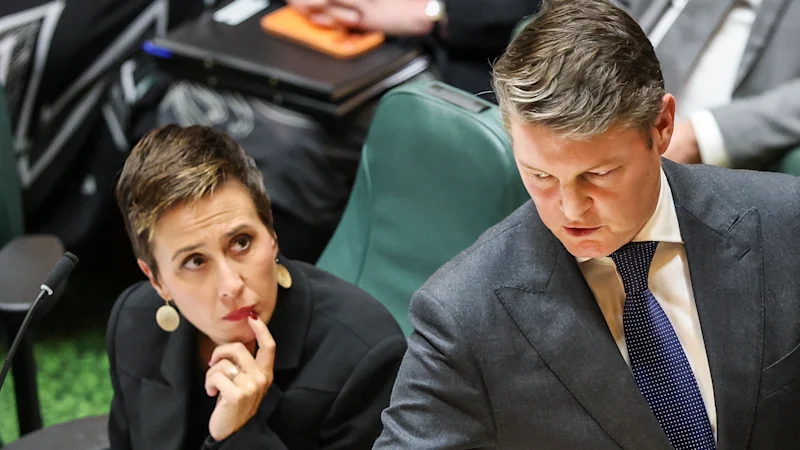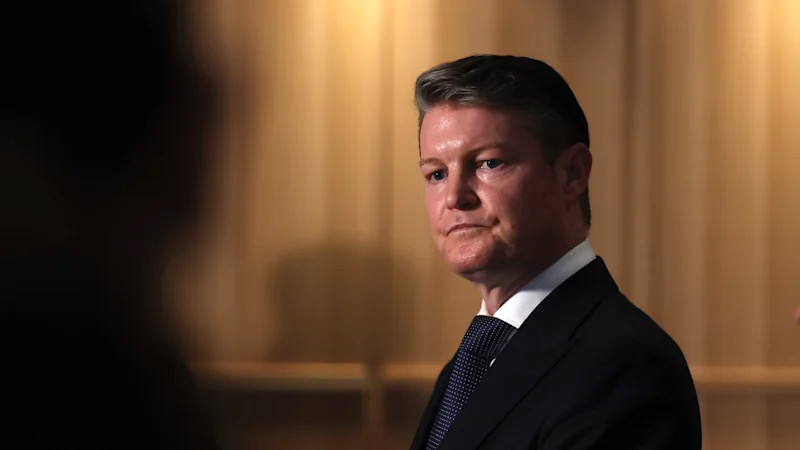
EditorialAugust 22, 2026 — 5:00am“As early as 2010, [The Age] and the ABC were reporting that crime intelligence linked building industry corruption to bikie gangs, the narcotics trade and the CFMEU. If the press knew, then the public knew. If the public knew, then the government must have known.”So wrote Geoffrey Watson, SC, who was assigned to investigate corruption in the CFMEU’s Victorian branch and quickly came to the conclusion that “this was a uniquely Victorian problem ... the problems in Victoria were exponentially worse and far more dangerous than elsewhere”.It was a view built on years of this masthead’s reporting, as we sought to establish the connections between the giant union’s construction arm and organised crime on the taxpayer-funded Big Build. A vital part of our investigations was establishing the extent to which those connections led into the heart of Victoria’s Labor government.In June, we said that neither the Allan government nor any that succeeded it could be taken seriously until it came clean on what was known and when. Jacinta Allan staked her credibility on the claim that our Building Bad series in July 2024 was the first indication her government had of such corruption. It cost both her credibility and her job.Her successor as premier, Ben Carroll, has made a different kind of wager. It began on Thursday with a welcome admission: “It is clear – and I want to acknowledge the role of both investigative journalism and whistleblowers – that there was grift, there was thuggery, there was misogyny, and there was violence on taxpayer-funded construction sites.”Carroll promised he would set up an unfettered royal commission as his first act in government, and the terms of reference set out on Thursday live up to that commitment, taking in not only construction and labour-hire firms but also the role of Victoria Police and “whether the executive government of Victoria, and/or delivery authorities, adequately adhered to their roles and responsibilities in the oversight and governance of major construction projects”.That line puts both Carroll’s predecessors, Allan and Daniel Andrews, as well as former and current ministers and public servants, squarely in commissioner Chris Kourakis’ sights.The Age welcomes the premier’s commitment to give this inquiry the time and money it needs and to give the Independent Broad-based Anti-corruption Commission powers to pursue “grey corruption”, where there is not an identifiable criminal offence.We also applaud the decision to empower a special prosecutor to work alongside the commission who won’t have to wait for its report to act, a move that echoes Queensland’s Fitzgerald inquiry in the 1980s, often held up as a gold standard for corruption-busting.But as our reporter Nick McKenzie – who has uncovered grift and thuggery that is still going on – has argued, these welcome steps may come too late and there are measures that could be taken immediately, such as Labor returning donations from labour-hire firms linked to gangland activity and removing them from sites pending inquiries.Like all politicians, Carroll has one eye on the electoral calendar and the likely impact of his announcements on the fortunes of the Labor Party in November’s state election. But the mechanics of setting up a royal commission mean little progress in terms of actual investigation, much less hearings, is likely to have occurred by that time.Should Jess Wilson and the Coalition prevail on polling day, we can expect Kourakis might be replaced and the commission’s parameters revised, perhaps to allow more public airing of Labor’s dirty laundry.The Age has done a great deal of reporting about what happened on taxpayer-funded work sites. The royal commission is vital to establishing how it was allowed to happen and who in positions of authority knew and when (we already know, through our own journalism, that Allan knew long before 2024). Watson called his report on corruption in the CFMEU’s Victorian branch Rotting from the Top, and that’s where the doors need to be flung open.But there is a larger question that confronts Victorian governments of whatever stripe we may see in future. In their joint response to Carroll’s announcement, former Victorian ombudsman Deborah Glass and former IBAC commissioner Robert Redlich said that the commission’s scrutiny of governance “should encompass the requirements of a proper business case, consultation, integrated planning and transparency … the absence of which contributed to the risk of corruption”.The Public Transport Users Association also emphasised this question, noting that “since 2010 Victoria has been required by law to develop an integrated land use and transport plan. Instead, we have major developments without a proper land use planning process. We have transport projects, but no plan – the Big Build is the plan.”When the Cross Yarra Partnership building the Metro Tunnel reported to the Allan government about cost blowouts caused by abnormal labour hire requirements, it described caving in to demands for additional workers on site as something that happened with government approval as part of “adopting a ‘best for project’ attitude”.But with taxpayers still on a multibillion-dollar hook for infrastructure projects including the controversial Suburban Rail Loop – devised in secret, outside official development channels – the question becomes whether this royal commission can steer this government and those to come back towards a best-for-Victorians attitude.If one of its outcomes is legislation binding governments to transparency and full public consultation on planning and costs for infrastructure, this royal commission will be a ride well worth taking.Get a weekly wrap of views that will challenge, champion and inform your own. Sign up for our Opinion newsletter.From our partners
Finally, the royal commission Victoria desperately needs
The move is vital to establishing how corruption on Big Build sites was allowed to happen, and who in positions of authority knew and when.
917 words~4 min read