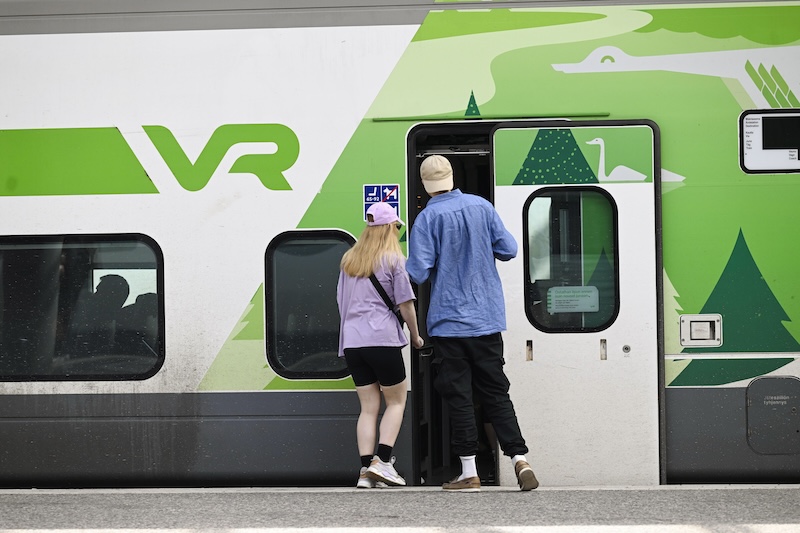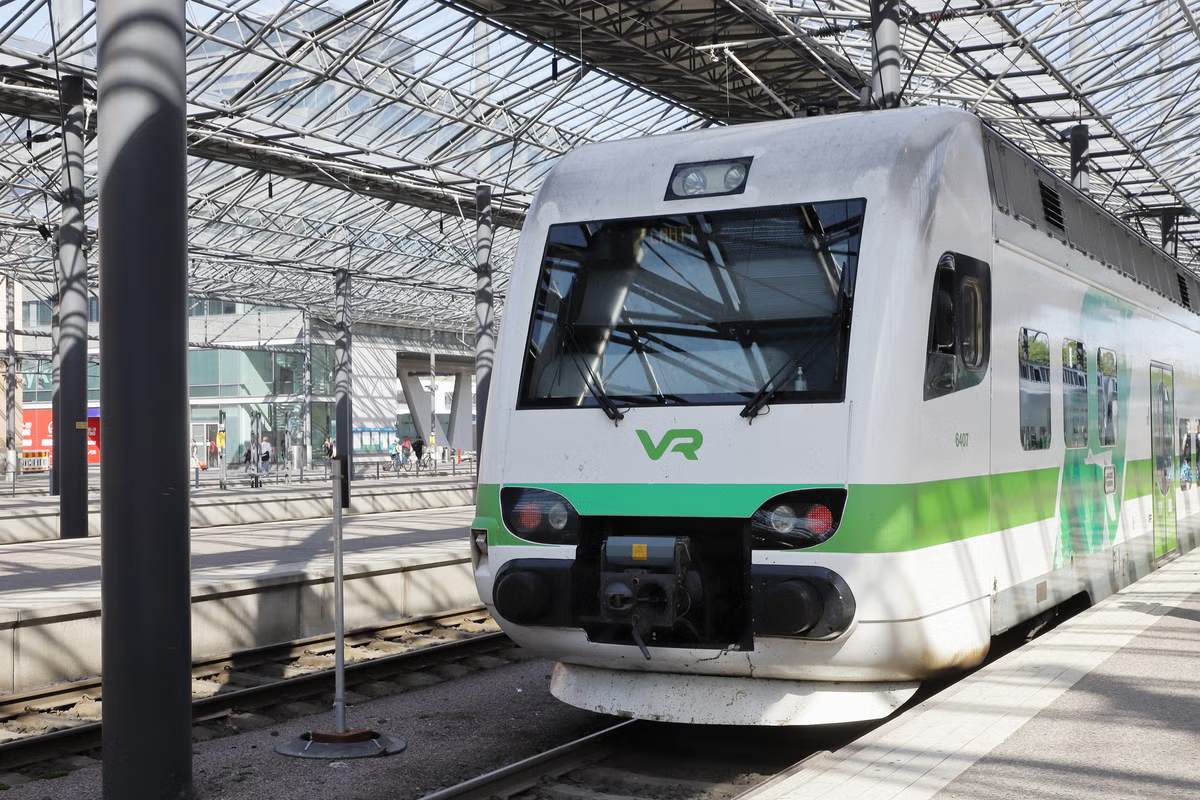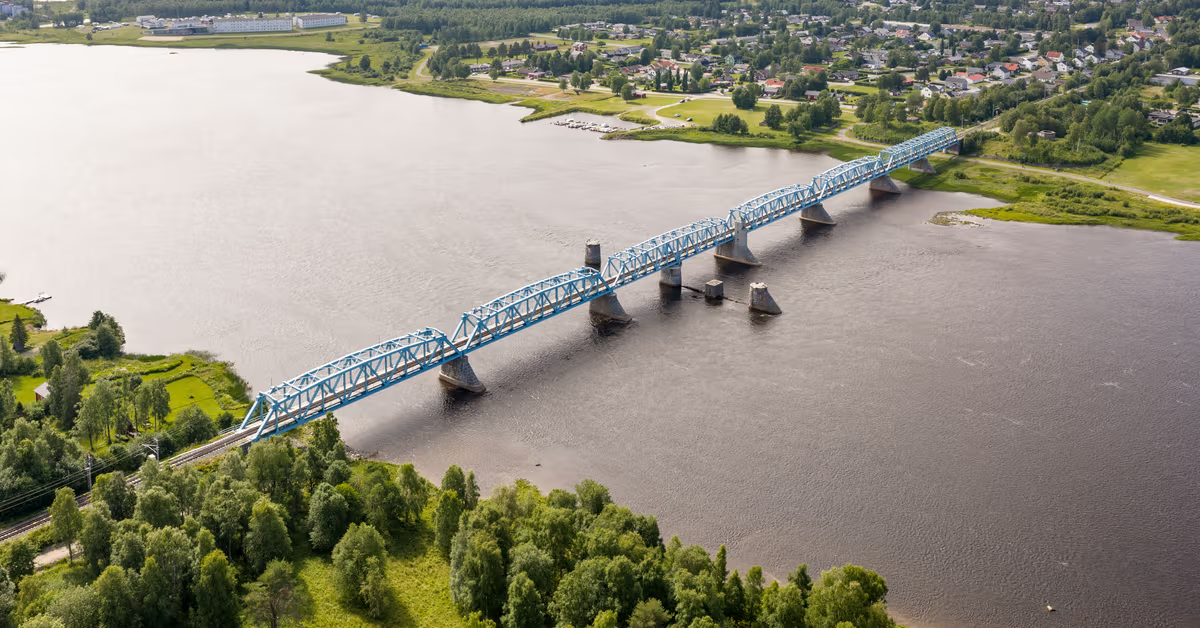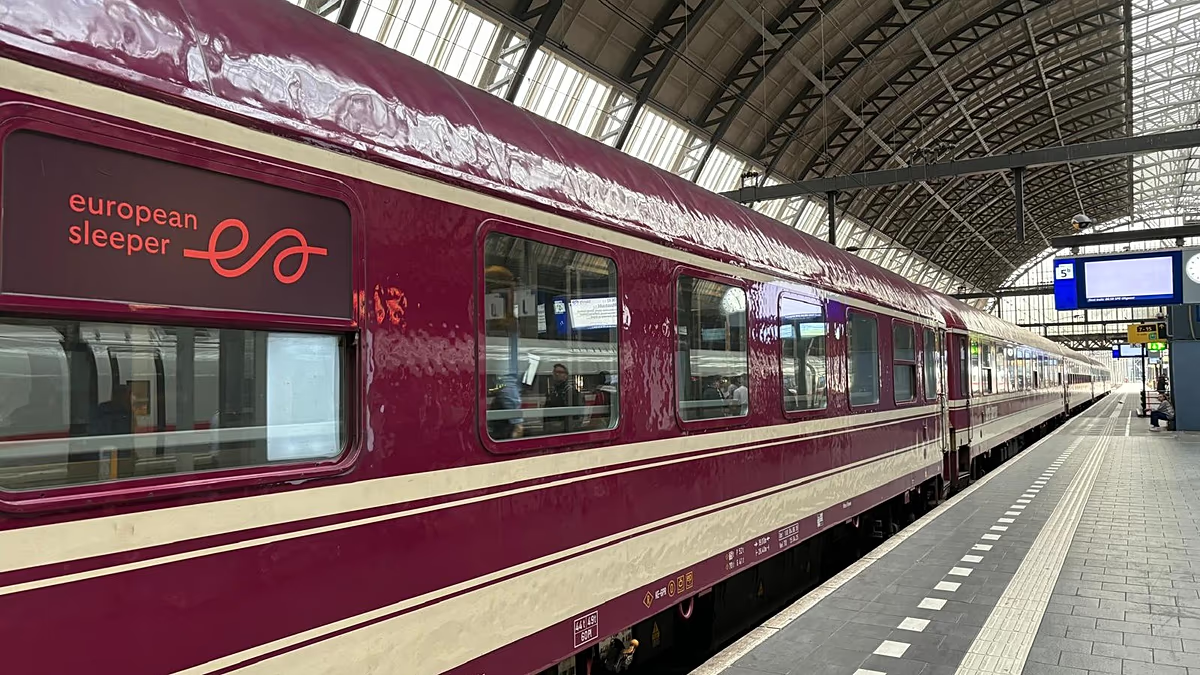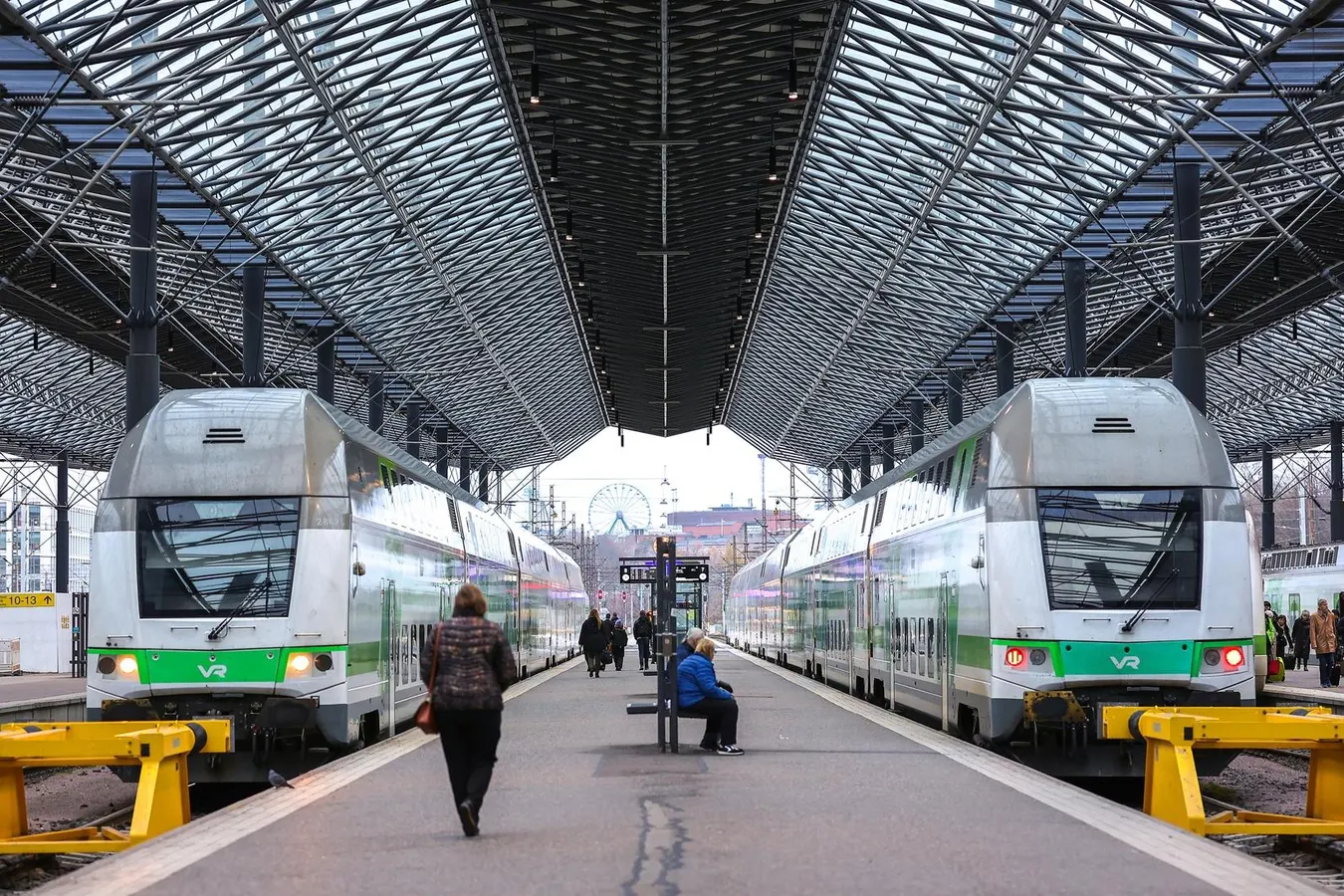
A new VR service in Finland is part of a wider investment in train routes across the Nordic region.SOPA Images/LightRocket via Getty ImagesA passenger train rolled across the Finnish-Swedish border this month for the first time in decades.On August 10, Finnish operator VR began services from Oulu and Kemi through Tornio to Haparanda, Sweden, restoring passenger rail across the border after a lengthy absence. VR is operating 28 services per week, with better connections into the Swedish rail network planned from December.On its own, the restored connection is a small development in a remote corner of Northern Europe. Look farther south, though, and it becomes part of something much bigger. Across the Nordic region, 2026 is shaping up to be an important year for international rail.New Direct Trains Across ScandinaviaIn May, Swedish operator Snälltåget introduced a direct daytime train linking Stockholm, Malmö, Copenhagen and Hamburg. In June, it added a direct service between Malmö, Gothenburg and Oslo.Denmark has gained new connections too. Direct trains now link Copenhagen with Berlin and Prague following a partnership between Danish, German and Czech rail operators. The Copenhagen-Berlin journey takes about seven hours, while Prague is approximately 11 hours away.None can compete with flying on journey time alone. But removing a change of train matters, especially for leisure travelers carrying luggage or families navigating unfamiliar stations.That is particularly relevant in Scandinavia, where international rail has often felt fragmented despite relatively good domestic networks.The Return Of Night Train TravelOvernight rail is part of the story too. The Stockholm-Hamburg-Berlin night train continues to operate, although responsibility for the service transfers from SJ to RDC EuroNight on September 1. Snälltåget also operates an overnight Stockholm-Berlin service.Norway could be next. Swedish operator SJ has notified the Norwegian Railway Authority of plans for a night train from Oslo, either to Copenhagen via Stockholm or all the way to Berlin, with a proposed start in December 2026.That remains a proposal rather than a confirmed timetable addition, but it illustrates how quickly the conversation around Nordic international rail has changed.From ‘Flygskam’ To ConvenienceSweden was at the center of the flygskam, or “plane shame,” debate that gained international attention in 2018 and 2019. The idea encouraged travelers concerned about aviation emissions to choose trains instead.Swedish flying fell by just over 4% in 2019 as interest in rail travel grew. Yet there was an obvious weakness in the argument: wanting to take the train and having a practical train to take were not always the same thing.That is what makes the current changes more interesting. The pitch today is less about guilt and more about convenience. A traveler can board in Stockholm and stay on the same train to Copenhagen or Hamburg. From Copenhagen, Berlin and Prague are now direct destinations. That may prove a stronger argument than flygskam ever was.Norway Looks Toward EuropeNorway remains something of an outlier because of its geography, but changes are coming.The Meråker Line from Trondheim to the Swedish border was fully electrified this spring, allowing electric trains to operate across the border at Storlien. The work improves the prospects for international passenger services, although long-discussed direct Trondheim-Stockholm trains remain uncertain.Much more concrete is a new Oslo-Europe route planned for 2028. Norwegian operator Vy, Denmark’s DSB and Deutsche Bahn have announced two daily direct trains from Oslo through Copenhagen and Hamburg to Berlin.Vy says Oslo-Copenhagen should take about seven hours, with Oslo-Berlin around 14 to 15 hours. It will be the first direct train between Norway and Denmark in more than 20 years.Nordic Rail Network Still Under ConstructionThe Nordic rail revival should not be overstated, however. The new Finland-Sweden service does not yet create a seamless Helsinki-to-Stockholm rail journey, some international services remain seasonal and trains can still struggle to compete with low-cost flights.Infrastructure remains a constraint too, but one major project could eventually transform the map.The Fehmarnbelt tunnel between Denmark and Germany is designed to cut Copenhagen-Hamburg rail journeys to about 2.5 hours, strengthening the main land route between Scandinavia and continental Europe.Although that remains a future promise, the more immediate change is already visible on timetables.Seven years after flygskam made Scandinavia the center of a global debate about flying less, travelers finally have a growing number of practical alternatives.The Nordic rail network is far from finished. For the first time in years, though, it increasingly looks like a network.MORE FROM FORBESForbesOn Norway’s Golden Train, Every Mountain Tells A StoryBy David NikelForbesHow To Plan The Perfect Trip On Norway’s Incredible Flåm RailwayBy David NikelForbesFrom Fjell To Fjord: 5 Must-Do Train Journeys In NorwayBy David Nikel
Why 2026 Is A Turning Point For Nordic Train Travel
New cross-border trains, night services and major rail projects are making 2026 a turning point for train travel across Scandinavia and the Nordic region.
757 words~3 min read