In brief
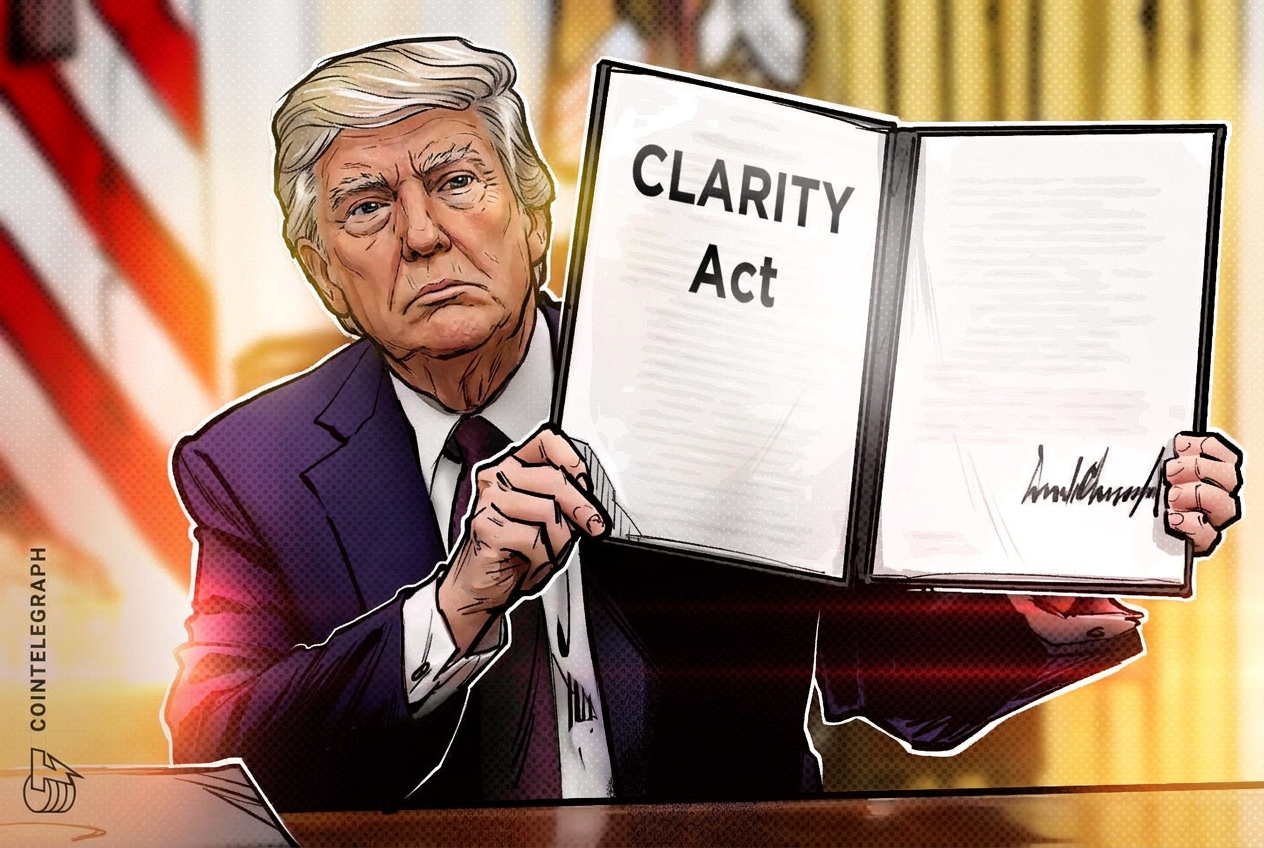
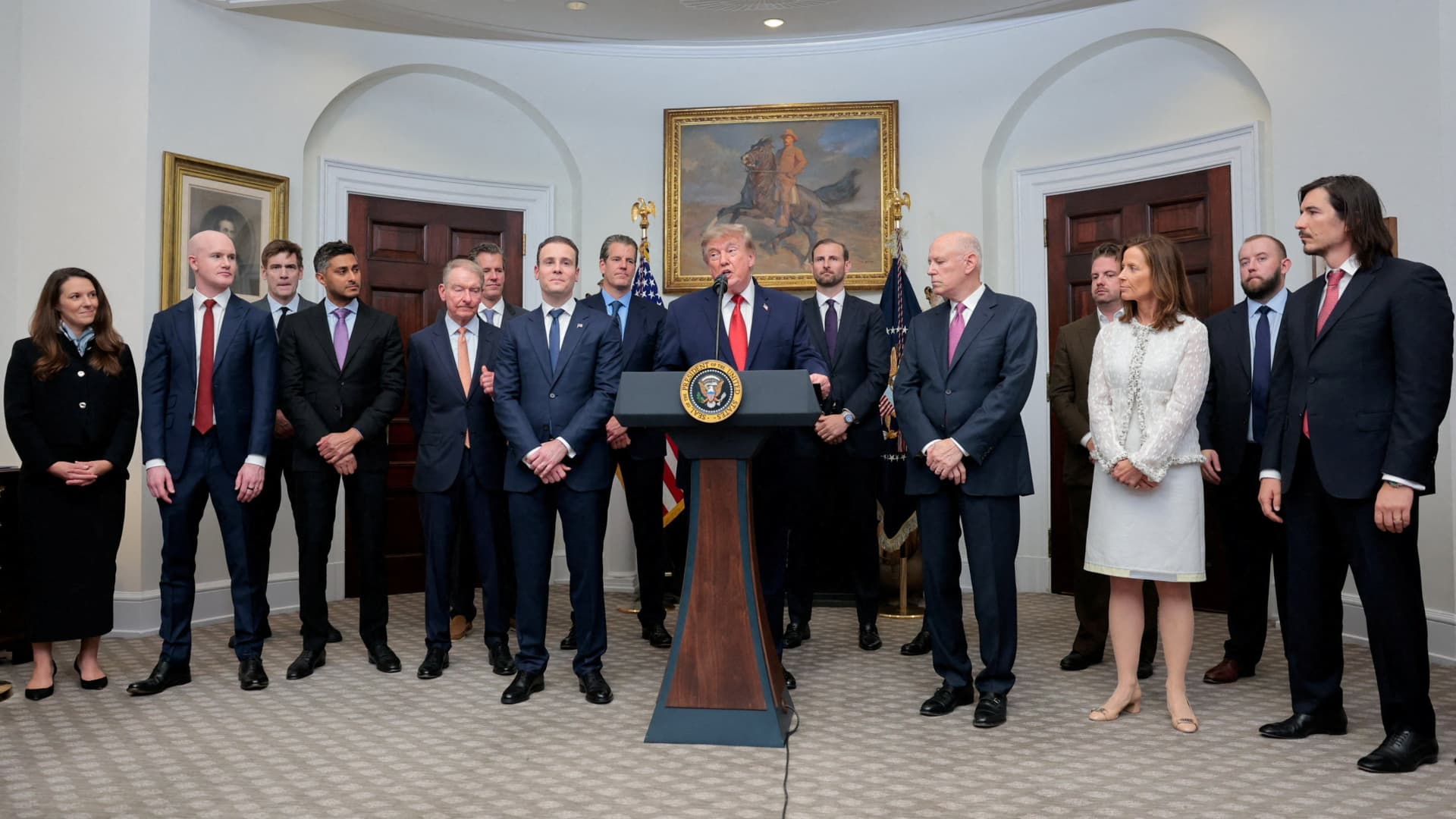
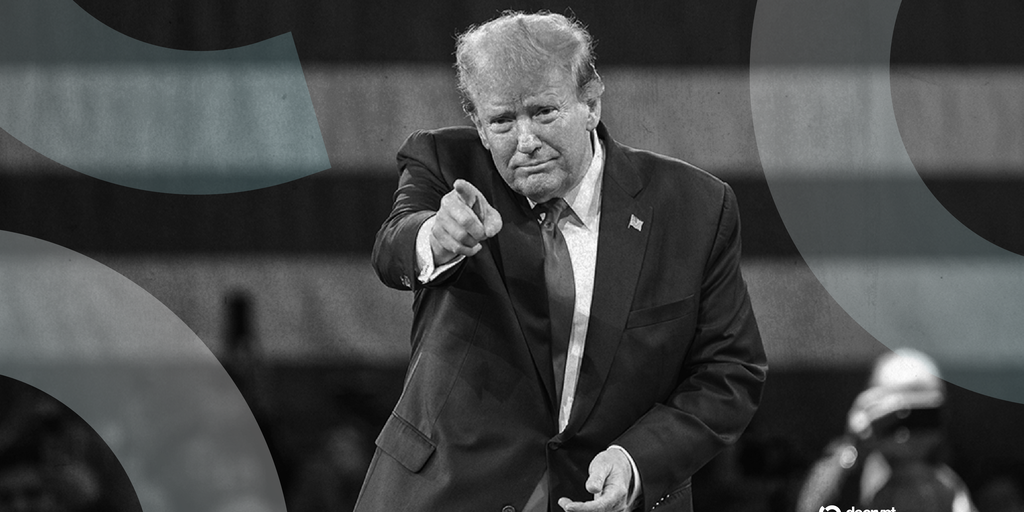
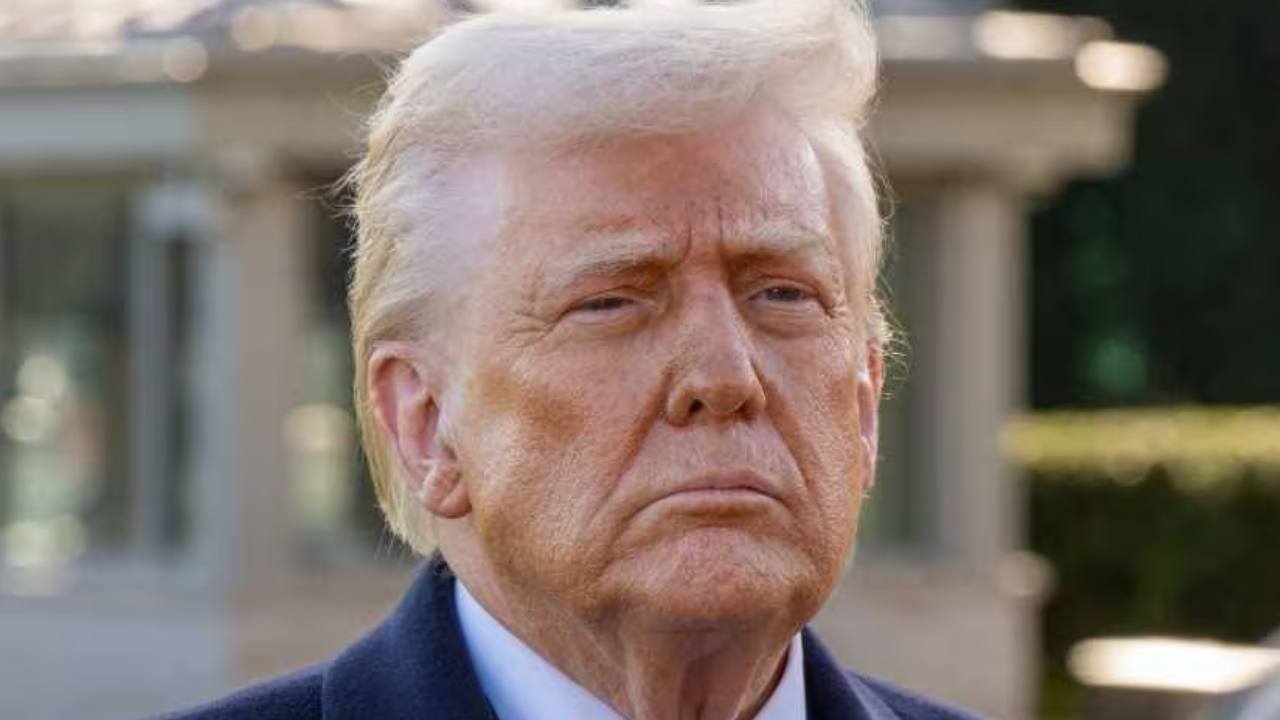
In a packed week, Trump hosted crypto executives at the White House and pressed Congress to pass a "fair version" of the Clarity Act—a nod to disputed ethics provisions he says single him out.
At the CFTC's inaugural Innovation Advisory Committee meeting, Chairman Mike Selig framed the bill as protection against "another Gary Gensler" but warned that if Clarity stalls over "Democratic obstruction," the agency will use existing authorities to build its own crypto regime, having already directed staff to explore rules.
The SEC formally proposed Regulation Crypto Assets—allowing certain offerings up to $5 million over four years or $75 million annually without full registration, plus a conditional safe harbor.
Washington’s usual August lull disappeared this week.The SEC unveiled its first crypto-specific rulemaking proposal on Tuesday, President Donald Trump hosted industry executives at the White House on Wednesday, and the CFTC convened the inaugural meeting of its Innovation Advisory Committee on Thursday.Myriad: Will the Clarity Act be signed into law in 2026? Click to make your prediction.President Trump had a clear message for the crypto execs invited to the oval office: Pass the Clarity ActIndustry executives left Wednesday’s White House meeting with renewed optimism about the Clarity Act’s prospects. Trump urged Congress to pass a “fair version” of the bipartisan bill when lawmakers return next month, a reference to ethics provisions proposed by Sens. Thom Tillis (R-NC) and Ruben Gallego (D-AZ). Trump has argued that some of the provisions unfairly single him out, while the dispute over them has become the main obstacle to securing bipartisan agreement.Ethics was also a focus behind closed doors. Ahead of the public remarks, Coinbase CEO Brian Armstrong, a16z Managing Partner Chris Dixon, Ripple CEO Brad Garlinghouse and Kraken co-CEO Arjun Sethi met privately with Commerce Secretary Howard Lutnick, according to two sources familiar with the meeting.The discussion focused on the importance of passing the Clarity Act, including what it could mean for U.S. jobs, economic growth, and bringing crypto entrepreneurs and companies back onshore. The group also discussed the remaining hurdles, including ethics, and how the White House could help chart a path toward bipartisan agreement.