TL;DRRobots and autonomous machines on peaqOS can now verify whether they are interacting with a real human through World ID, using zero-knowledge proofs instead of names, faces, or documents. The integration, available through robotic.sh, requires no API key or verification fee. A medication delivery scenario demonstrates the concept: a patient verifies at order, a pharmacist verifies at loading, and the recipient proves they are the same human at delivery, all without the robot learning anyone’s identity.
It lets autonomous machines confirm they are interacting with real people without learning their identities
August 21, 2026: Robots and autonomous machines running peaqOS can now verify whether they are interacting with a real human through World ID, following a new integration available through robotic.sh.
The integration brings proof of human directly into peaqOS, allowing machines to request and verify World ID proofs without requiring an API key or charging a fee for each verification.
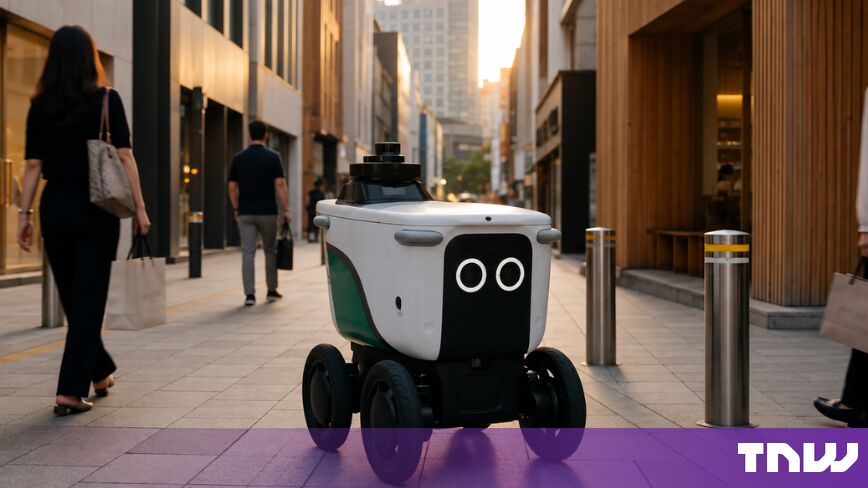
The development addresses a growing challenge as robots move beyond controlled industrial environments and begin interacting directly with people. Delivery robots, shared machines and other autonomous systems increasingly need ways to determine whether the person requesting or completing an action is a real human, while avoiding unnecessary collection of personal information.