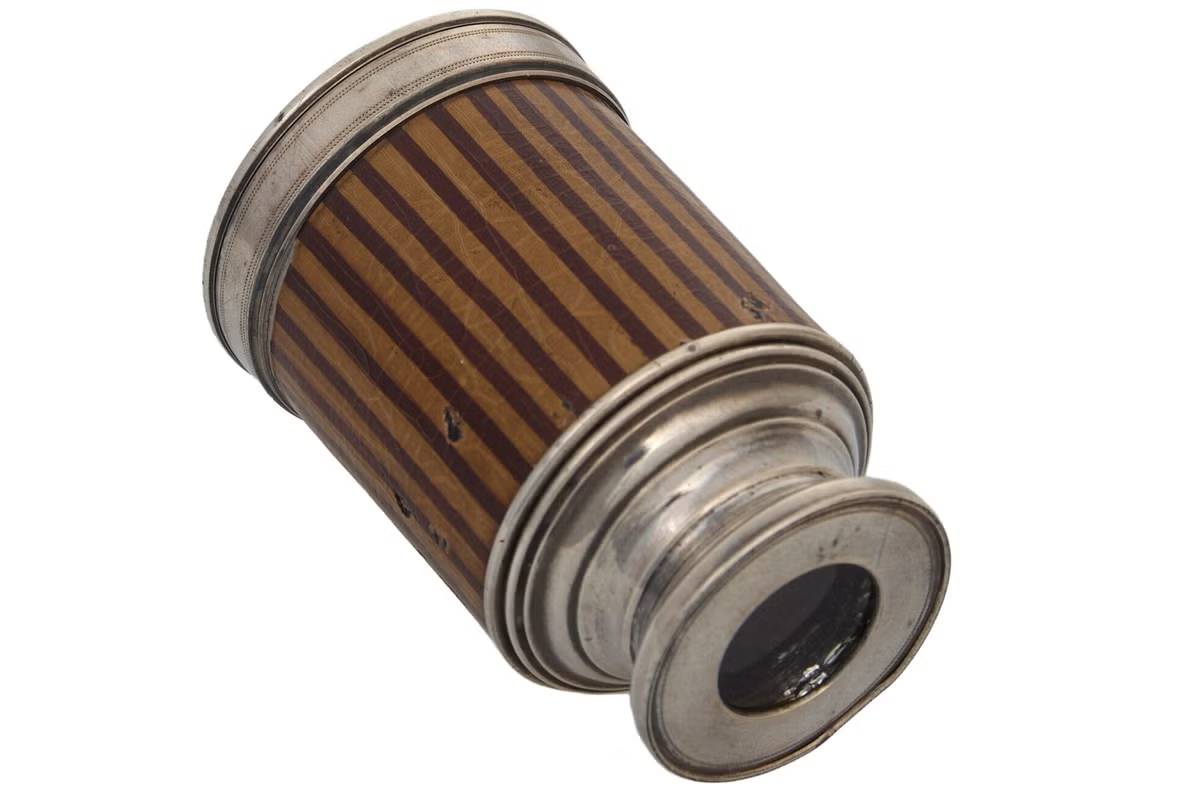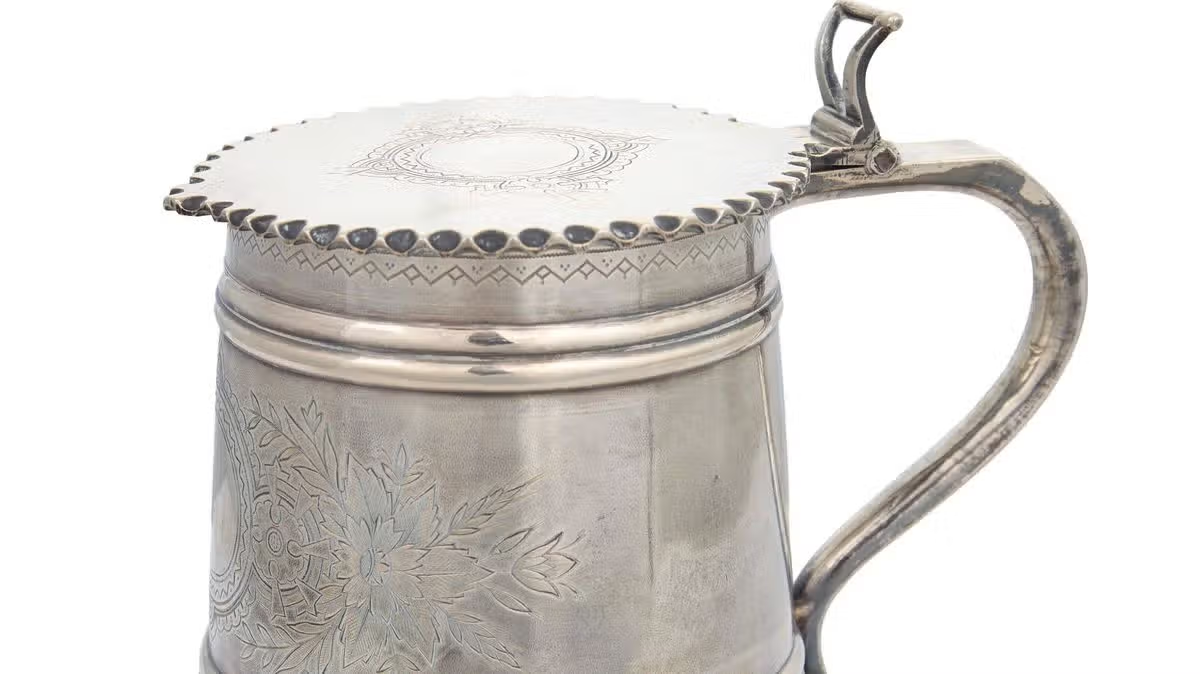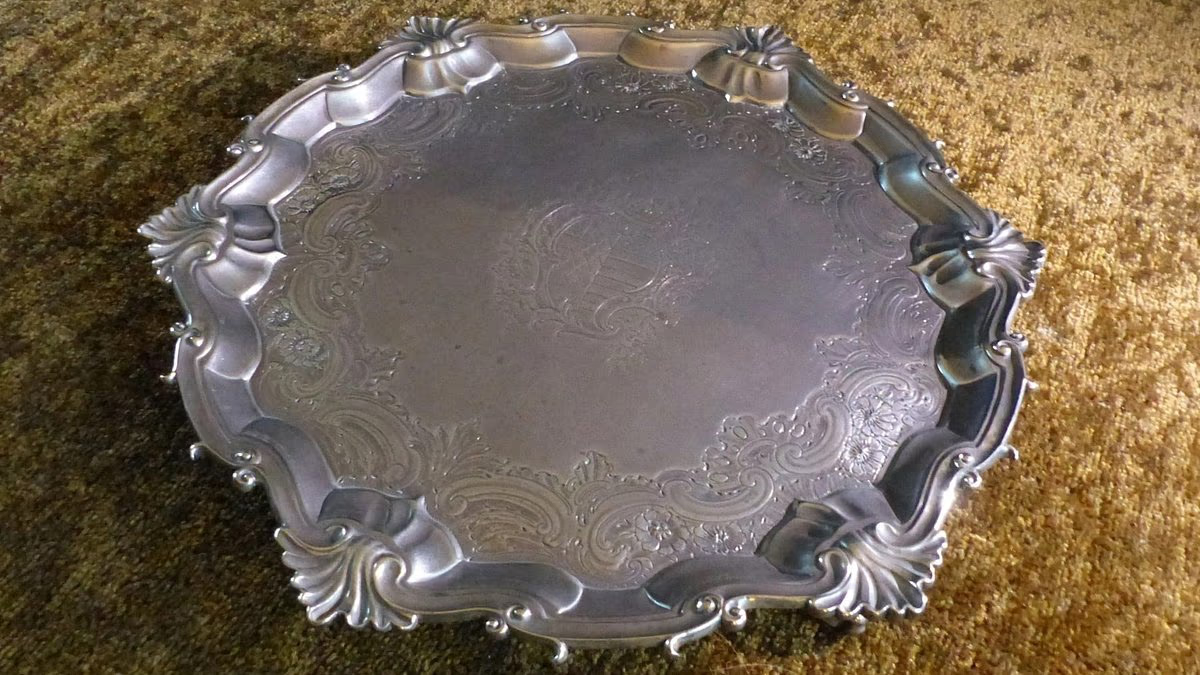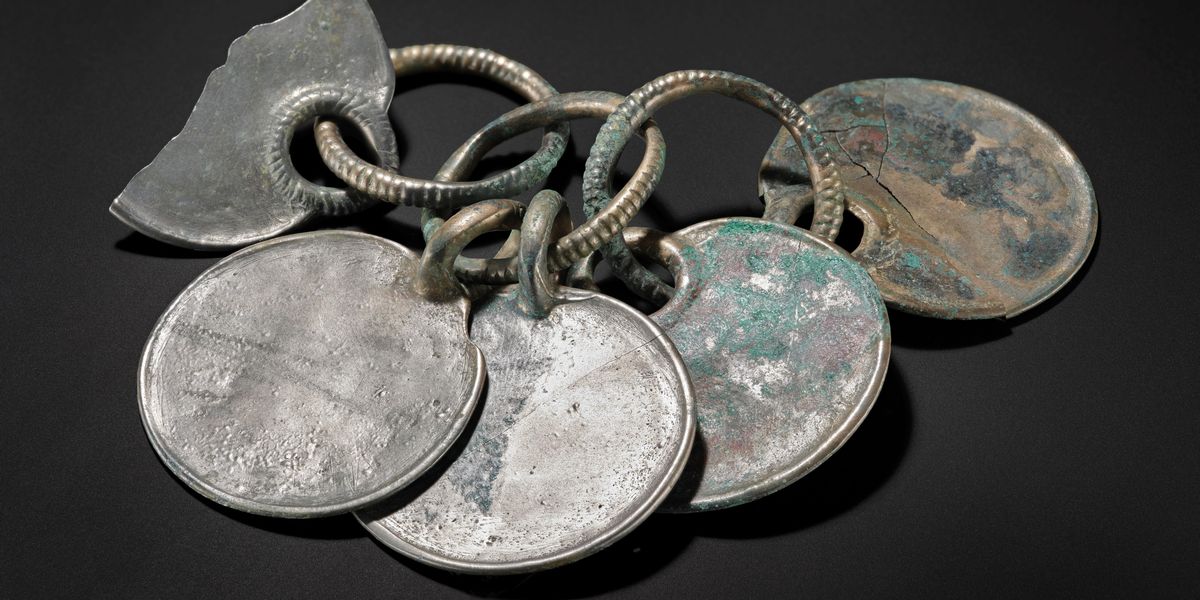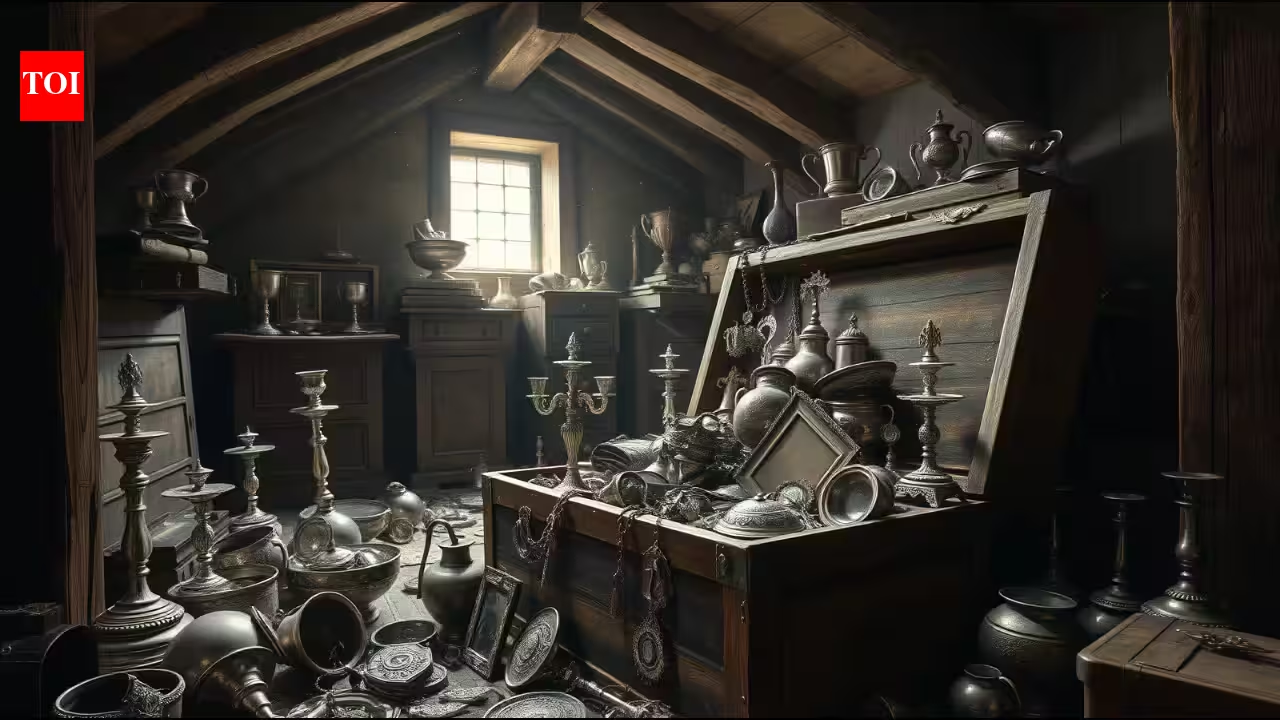
Representative Image of a dusty attic filled with wooden chests overflowing with antique silver artifacts (AI-generated image)A family preparing to sell their home in Edinburgh discovered more than 100 pieces of antique British and continental silver hidden inside several old wooden chests in the attic. The collection, which had apparently been assembled by different members of the family over several generations, included pieces dating from the early 18th century to the early 20th century, but its significance had been largely forgotten by the time the current owners found it. The items were taken to Elmwood's auctioneers for assessment and given a pre-sale estimate of about £23,000. When the collection was eventually offered at auction, however, competitive bidding pushed the combined sale total to £59,761, more than two and a half times the original estimate. The unexpected discovery transformed what had initially appeared to be an attic clearance into a major auction success, with individual pieces attracting thousands of pounds from buyers interested in their craftsmanship, rarity and history.What was inside the chests found in the Edinburgh family's atticAccording to a report by The Independent, carried via AOL, the collection contained an unusually varied assortment of silver objects accumulated over several generations. Among the pieces were a Victorian travelling shaving brush made by silversmith Frances Douglas, an Imperial Russian tankard and an Edwardian jewellery box, alongside numerous other examples of British and continental silver. One of the strongest individual results came from Lot 15, a set of Danish vintage cutlery that sold for £5,200. The collection's appeal came partly from its variety, but also from the fact that the objects had remained together in private family storage rather than being repeatedly traded through the antiques market. The family members who discovered the chests had reportedly been unaware of the extent or value of what they contained until the house-clearance process brought the forgotten collection to light. Its eventual auction therefore offered bidders an unusual opportunity to acquire pieces that had spent decades outside the normal antiques market.Why the forgotten collection attracted strong biddingJoe Kendrick, head of sale at Elmwood's, said the auction house recognised the collection's potential when the pieces were first brought in, although the final result exceeded expectations. The collection's original estimate was around £23,000, while the combined realised price reached £59,761, demonstrating how strongly bidders responded once the objects were offered individually at auction. The fact that the silver had remained in the family for generations also gave the collection an unusual provenance and a compelling discovery story. Rather than being assembled recently for resale, the objects had effectively disappeared from the antiques market while sitting inside the Edinburgh property. That combination of age, variety, craftsmanship and previously overlooked provenance helped turn an initially modest estimate into a substantially larger final result.How an attic clearance became an unexpected £60,000 discoveryFor the family, the auction represented the unexpected conclusion to what had begun as a routine process of preparing their Edinburgh home for sale. The contents of the chests had survived for generations without their full value being recognised, leaving the current owners with little indication of what they would find when the attic was finally cleared. After specialists examined and catalogued the objects, the collection was divided into auction lots and offered to bidders, with the final £59,761 total demonstrating just how dramatically an overlooked family collection can exceed expectations once it reaches the specialist market. The discovery is also a reminder that the value of inherited possessions is not always obvious from their appearance or storage history: objects that have spent decades wrapped in newspapers and linen can sometimes turn out to be significant examples of craftsmanship, historical collecting and material culture.
Edinburgh family finds over 100 pieces of antique silver in attic; collection expected to fetch £23,000 sells for nearly £60,000
A family preparing to sell their home in Edinburgh discovered more than 100 pieces of antique British and continental silver hidden inside several old wooden chests in the attic. The collection, which had apparently been assembled by different members of the family over several generations, included pieces dating from the early 18th century to the early 20th century, but its significance had been largely forgotten by the time the current owners found it.
615 words~3 min read