The AI bubble argument got louder this week because it stopped being only about Nvidia's chart.
Axios framed the U.S. as being in a capital squeeze, with federal debt, entitlement spending, defense, reindustrialization, housing, grid work, and AI data centers all competing for money at the same time. Yahoo Finance ran the sharper version from Benzinga: you are already funding the AI bubble, and you will pay for the bust.
That sounds like market drama. For developers, the useful read is simpler. AI compute is becoming infrastructure, and infrastructure bills do not stay neatly inside the companies that ordered the GPUs.
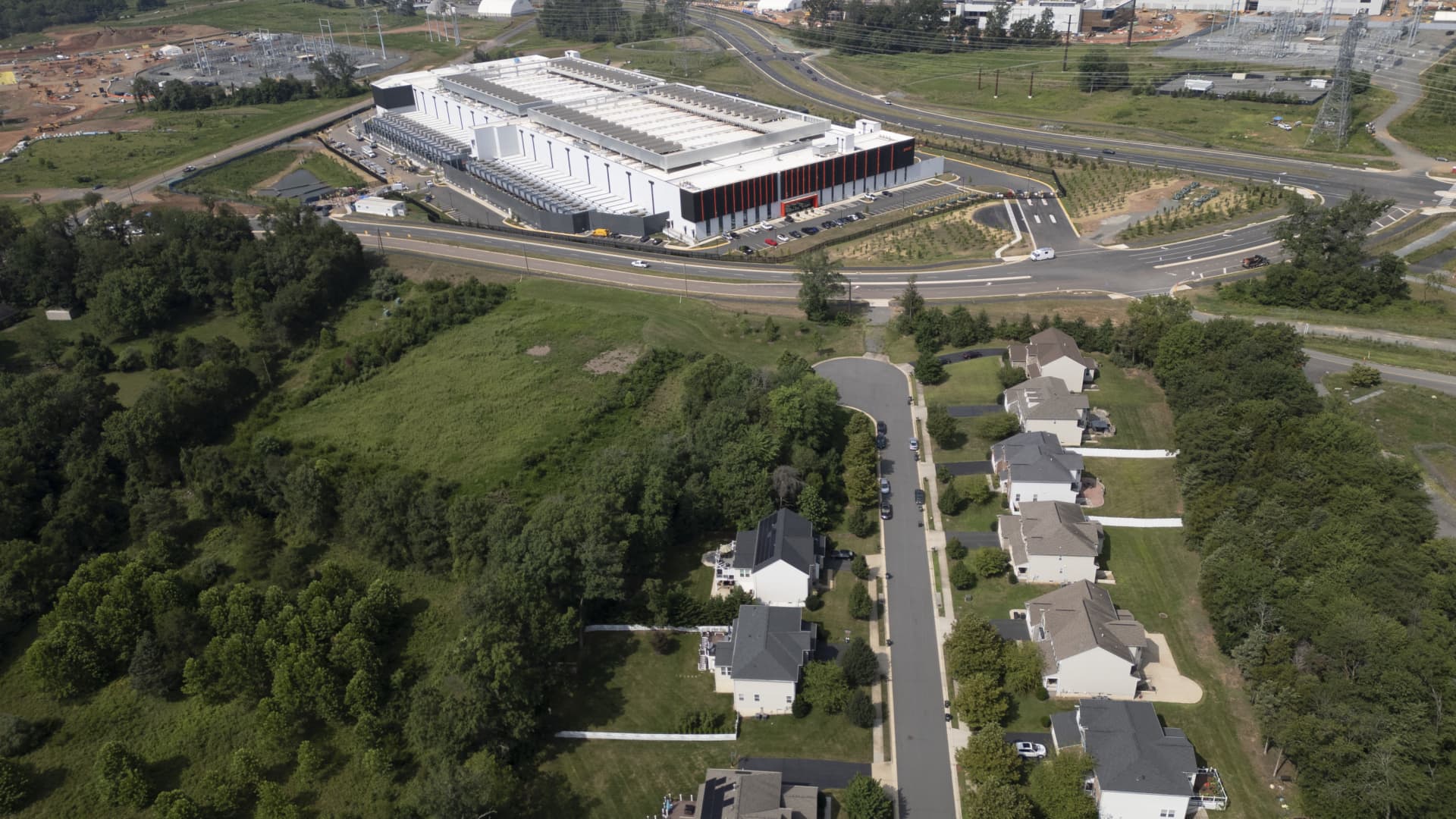
Data centers need land, power, cooling, fiber, transformers, debt, tax breaks, and long contracts. The model lab gets the launch post. The grid operator, utility customer, municipal planner, and cloud buyer get the side effects.
The industry still has a credible bullish case. JPMorgan argued this week that faster revenue growth at AI companies makes the capex cycle look more economically viable than it did six months ago. That matters. If AI revenue keeps scaling into the buildout, the spending looks less like a bonfire and more like the ugly first phase of a real platform shift.