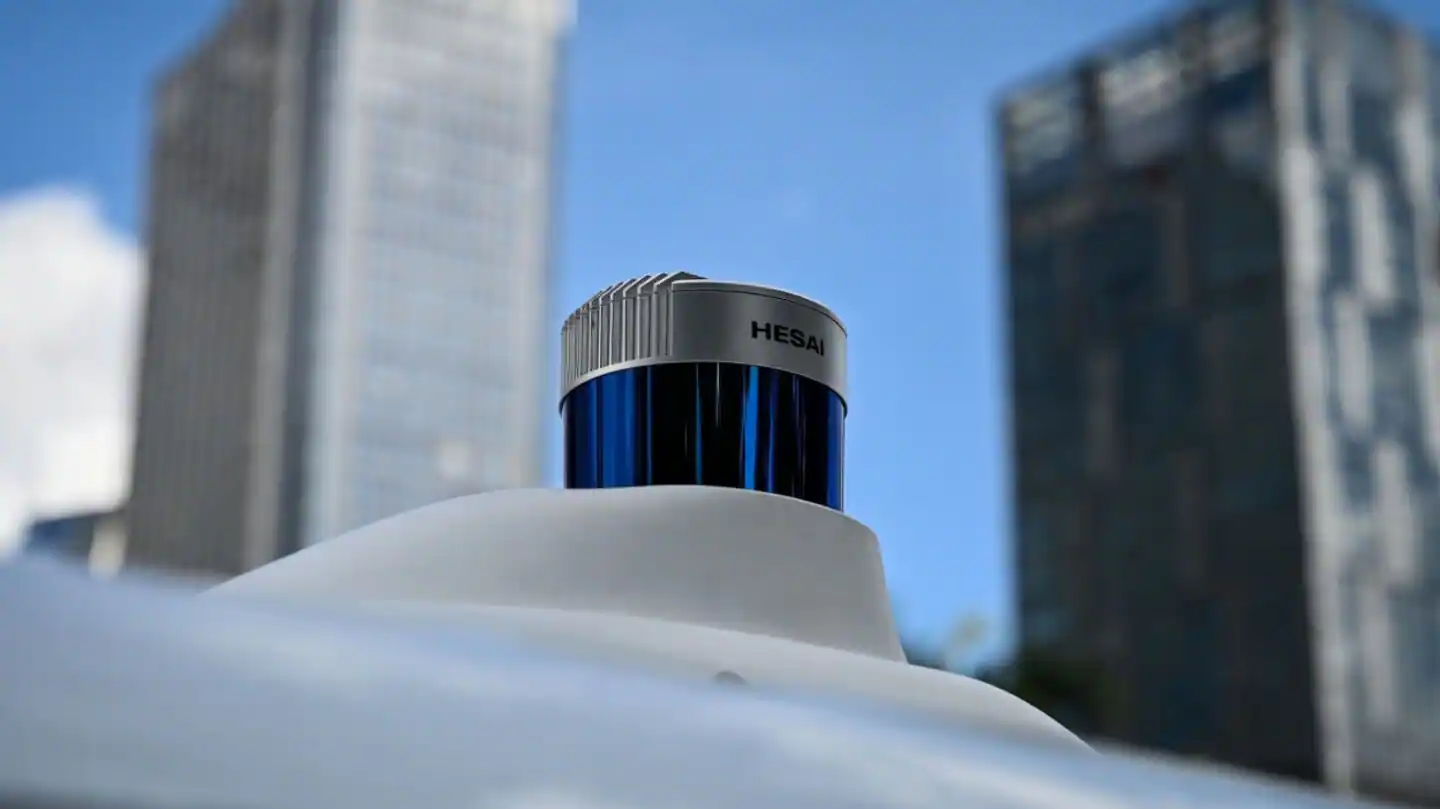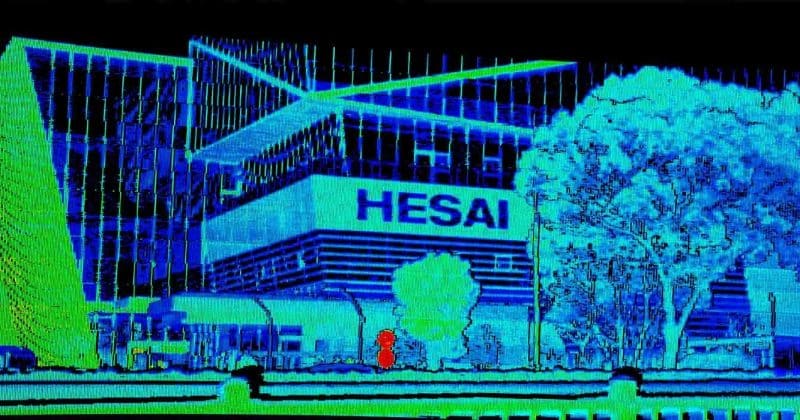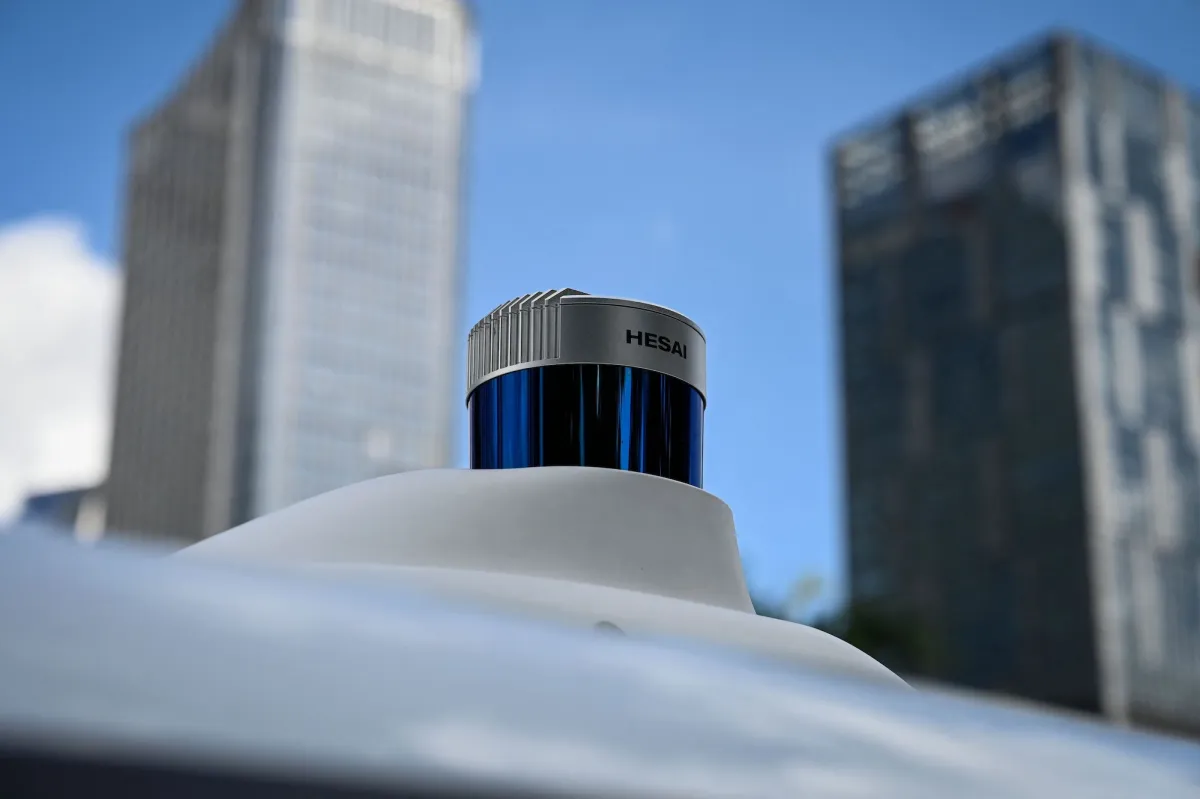
A Department of Energy lab is investigating whether Chinese lidar sensors might pose a security risk if they become widely used on vehicles in the United States, TechCrunch has learned.
The review is being performed by the Idaho National Laboratory, according to two people familiar with the effort, who were granted anonymity to discuss it. The lab has said the research is being funded by a company — or a group of companies — in the electric and autonomous vehicle industries, the sources told TechCrunch.
It’s not immediately clear which companies are supporting the review. Representatives for Rivian, General Motors, Ford, Kodiak, Lucid Motors, Nuro, and Uber – companies that are reported to be considering Chinese lidar – told TechCrunch they weren’t aware of the review. Nvidia, Zoox, and Aurora didn’t respond to questions about whether they are involved.
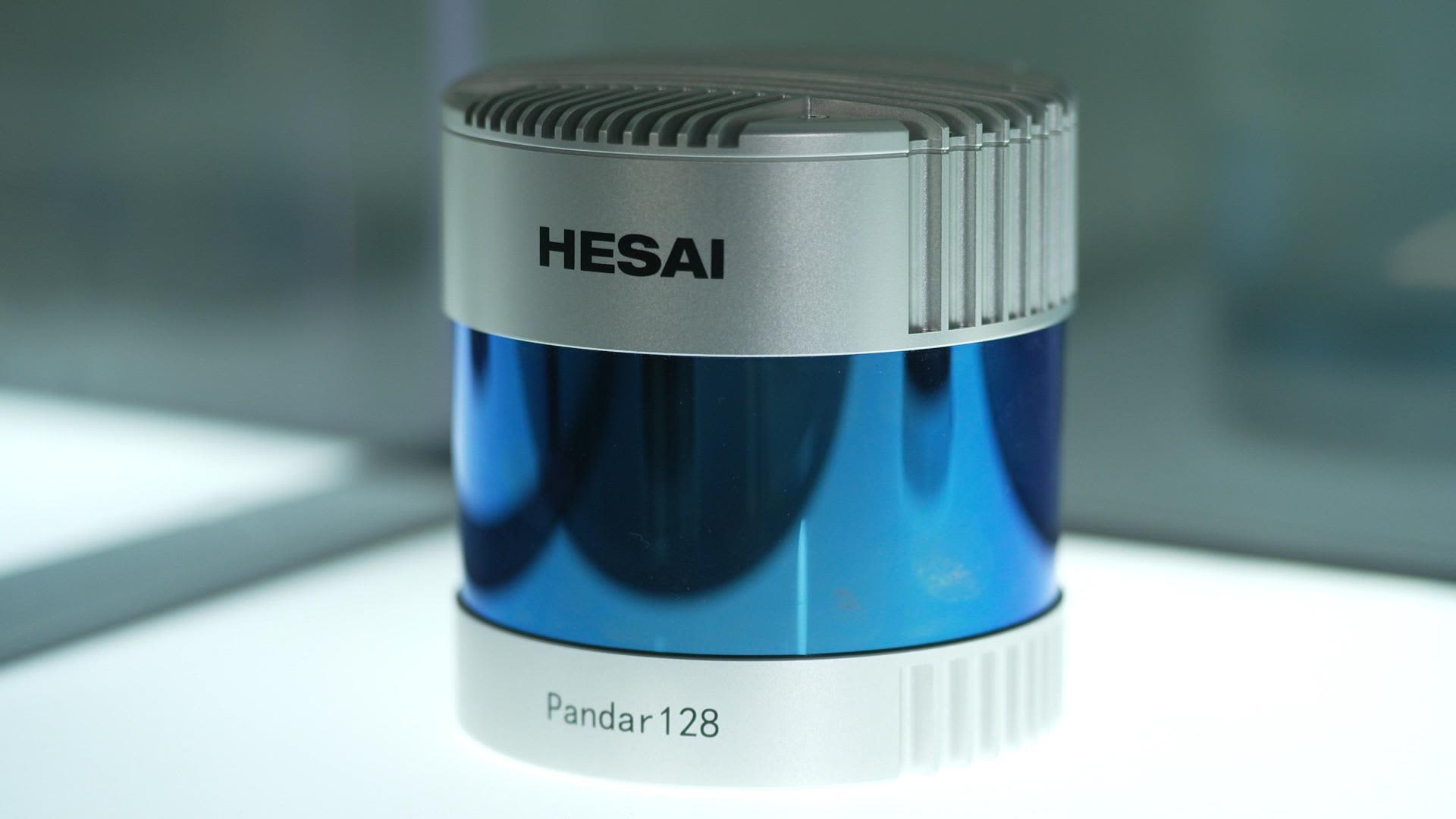
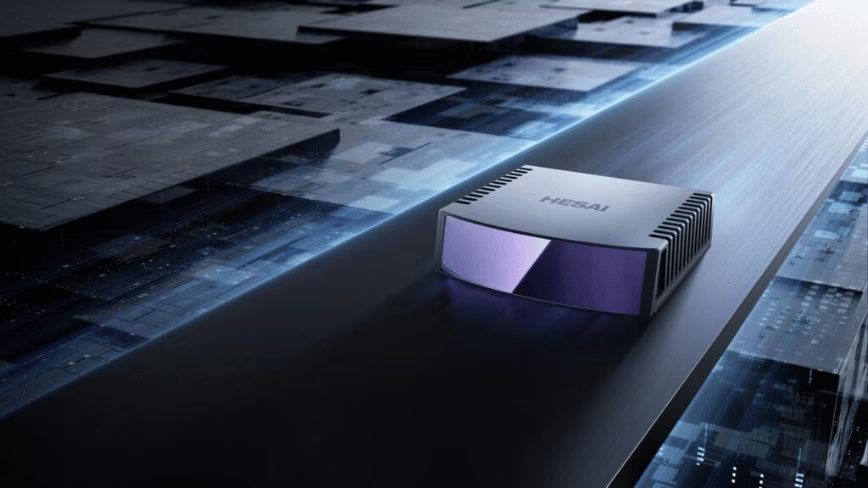
Idaho National Laboratory declined to comment on the review. A spokesperson told TechCrunch in June, and again in July, that “this isn’t a project that we’re at liberty to discuss with reporters.” China’s leading lidar suppliers, Hesai and RoboSense, did not respond to multiple requests for comment.
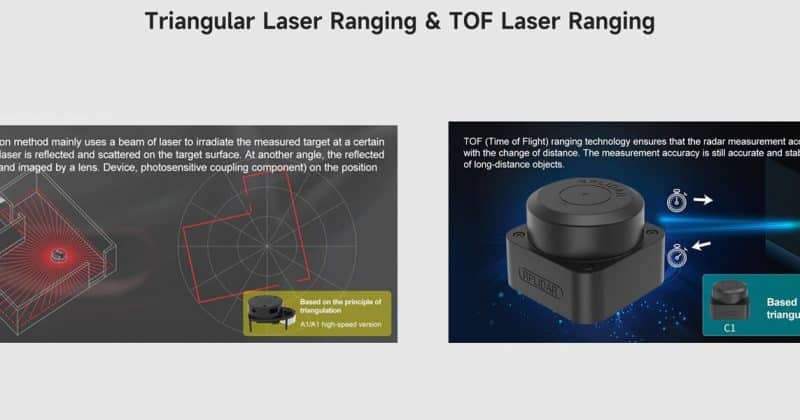
Lidar, which stands for light detection and ranging, is a sensor technology that uses laser pulses to measure the distance to nearby objects. It has long been a popular tool for companies working on autonomous vehicles because it offers a high-resolution picture of a self-driving car’s immediate surroundings.