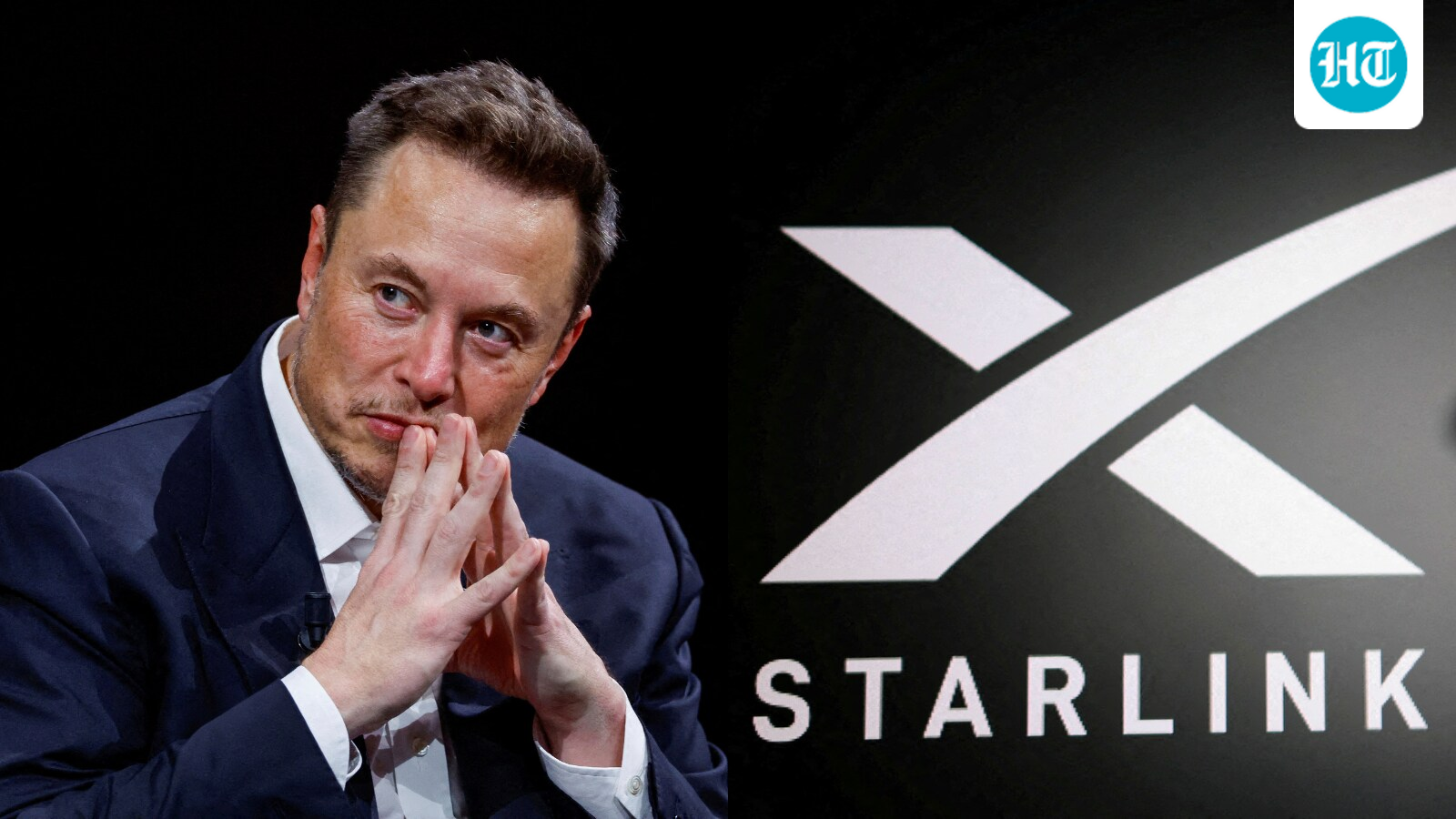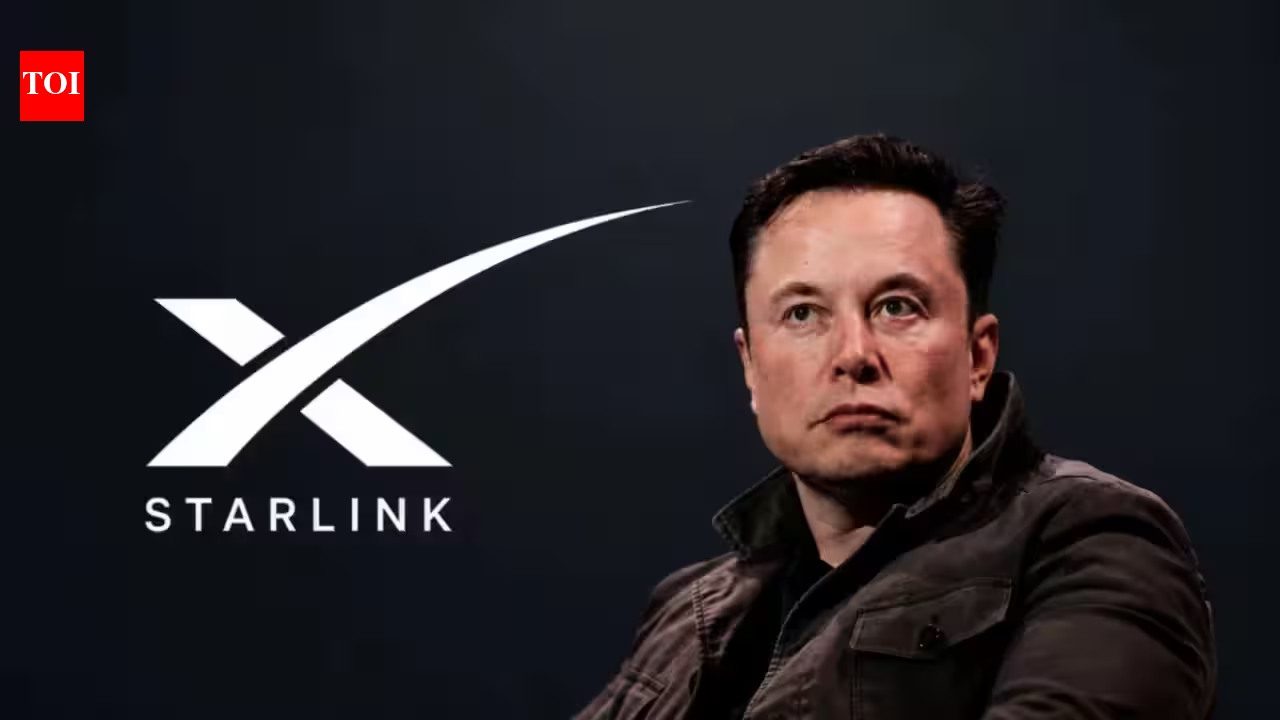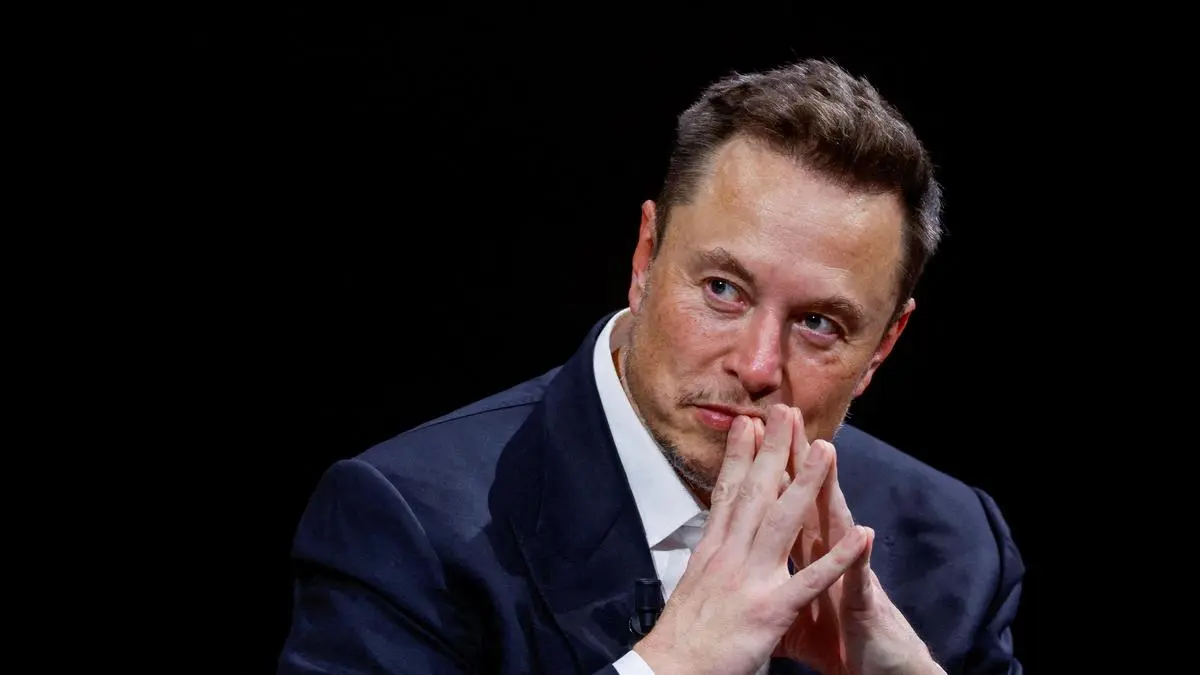
Elon Musk, CEO of Tesla and SpaceX
| Photo Credit:
Satellite communication service provider Starlink will connect the hinterlands of India, as per Founder Elon Musk in an X post on Friday even as the company continued to struggle with required approvals to start operations in the country.“Starlink would help the least served in India, especially in rural areas,” said Musk, in response to another post on the platform that urged the government to grant required clearances to the company and connect remote villages, mountains, islands and disaster-hit areas.The development comes just as the satcom company resubmits a request to India’s space regular to leverage its next-generation Gen 2 satellite constellation in the country. Musk’s attempt to portray satellite broadband as the connecting link in underserved areas aligns well with India’s digital-inclusion priorities. So, the rural push could improve political and regulatory optics, while helping Starlink position itself as complementary to Indian-backed players, as per Nithya S, Senior Analyst for IT services at Everest Group.However, the authorisation clearance will still depend on spectrum usage, security requirements, data routing, sovereignty, and compliance with India’s satellite regulations.“The rural push helps the case around why India needs Starlink but does not necessarily make the regulatory hurdles around how Starlink operates any easier,” said Nithya.Pricing challengeA rural focus also raises questions of the company’s pricing strategy. India as a market is extremely crucial for satcom players like Starlink owing to their the sheer number of users in the hinterlands of India. The company has also subsidised prices in regions like Kenya at $10 per month.Considering the company is owned by one of the world’s richest persons, Starlink can afford to provide subsidised services to gain market share, said Mahesh Uppal, Director at CommFirst India. Satellite technology is developing and advancing at a very fast pace, strengthening possibilities of improving economics.“Starlink’s interest will not come just from marginal users. There are a number of places like oil rigs, where satcom is the only realistic option. While capex is high, the opex is very low. Unlike cellular satcom players do not have to pay exorbitant prices for RoW infrastructure, beyond earth stations. This will significantly improve the economics of the business,” said Uppal.Even so, Everest Group estimated subsidies in India will still very selective and targeted.“Any government-backed subsidy for rural satellite access, should be seen as an upside rather than the foundation of Starlink’s India strategy,” said Nithya.The global player also faces real competition with local service providers that already have enterprise relationships, terrestrial networks, and regulatory familiarity. Eutelsat OneWeb, backed by Bharti Airtel, is already targeting similar enterprise and remote-connectivity opportunities. Despite operating the largest satellite constellation in the world, Starlink also faces serious competition from Jio that can build its own LEO satellite capabilities and combine with its fibre, 5G/FWA, and enterprise connectivity services.Market vacuumDespite the hurdles, industry sources stress the inevitability of global satcom players entering India. Musk’s rural push only underlines that over 50 per cent of the Indian population remains net-unconnected.“Policy and regulation cannot stop tech especially if it is beneficial to customers. The rural areas offer 1-2 lakh crore of users that want broadband, not just dial-up connection. The market abhors a vacuum,” an industry source told businessline.Published on August 21, 2026