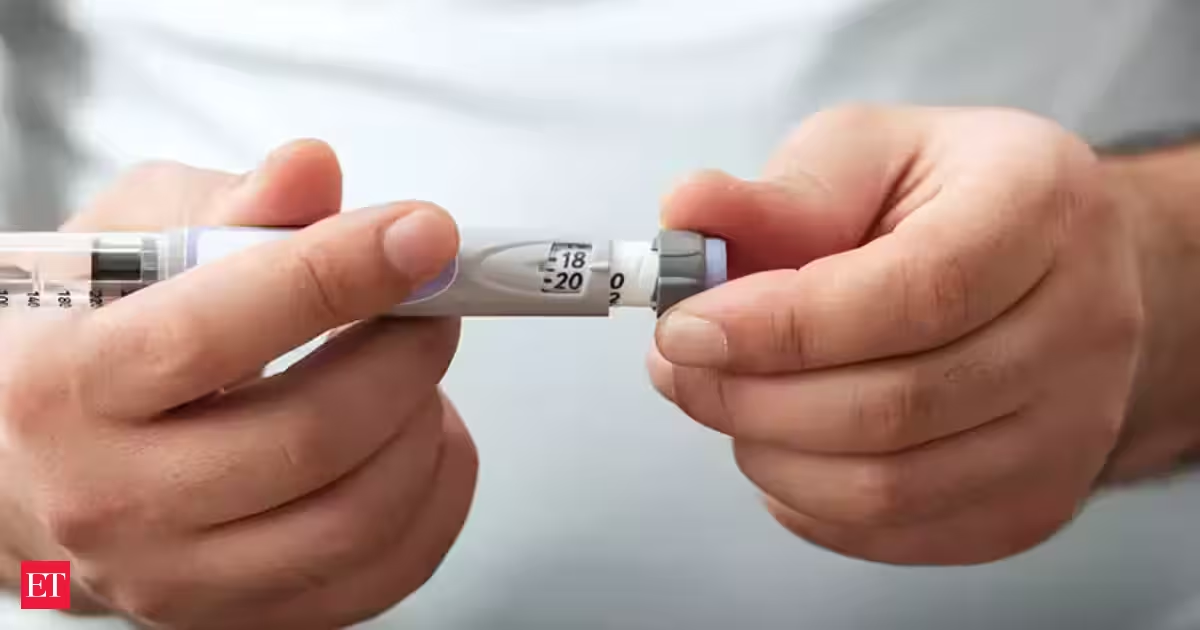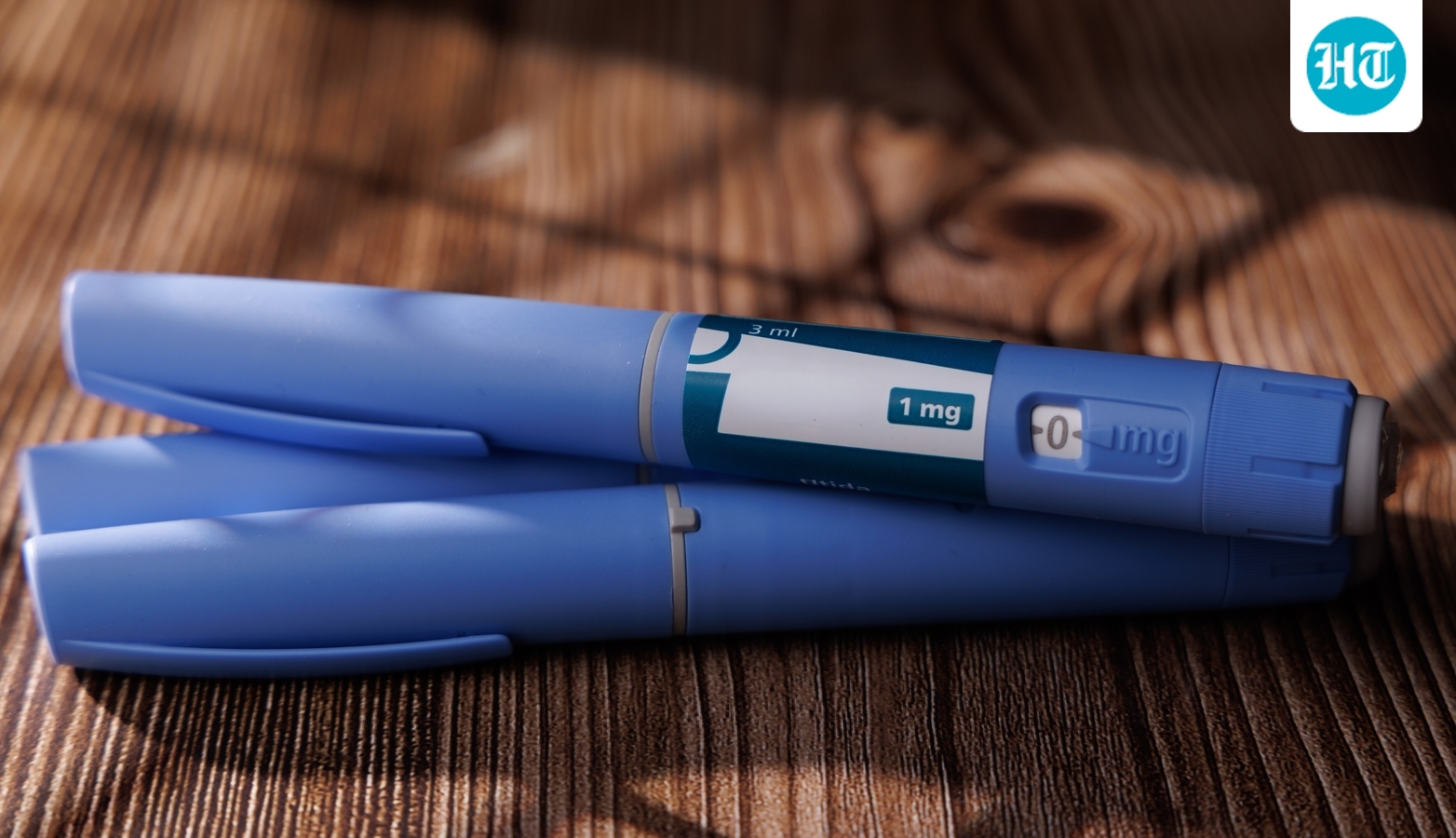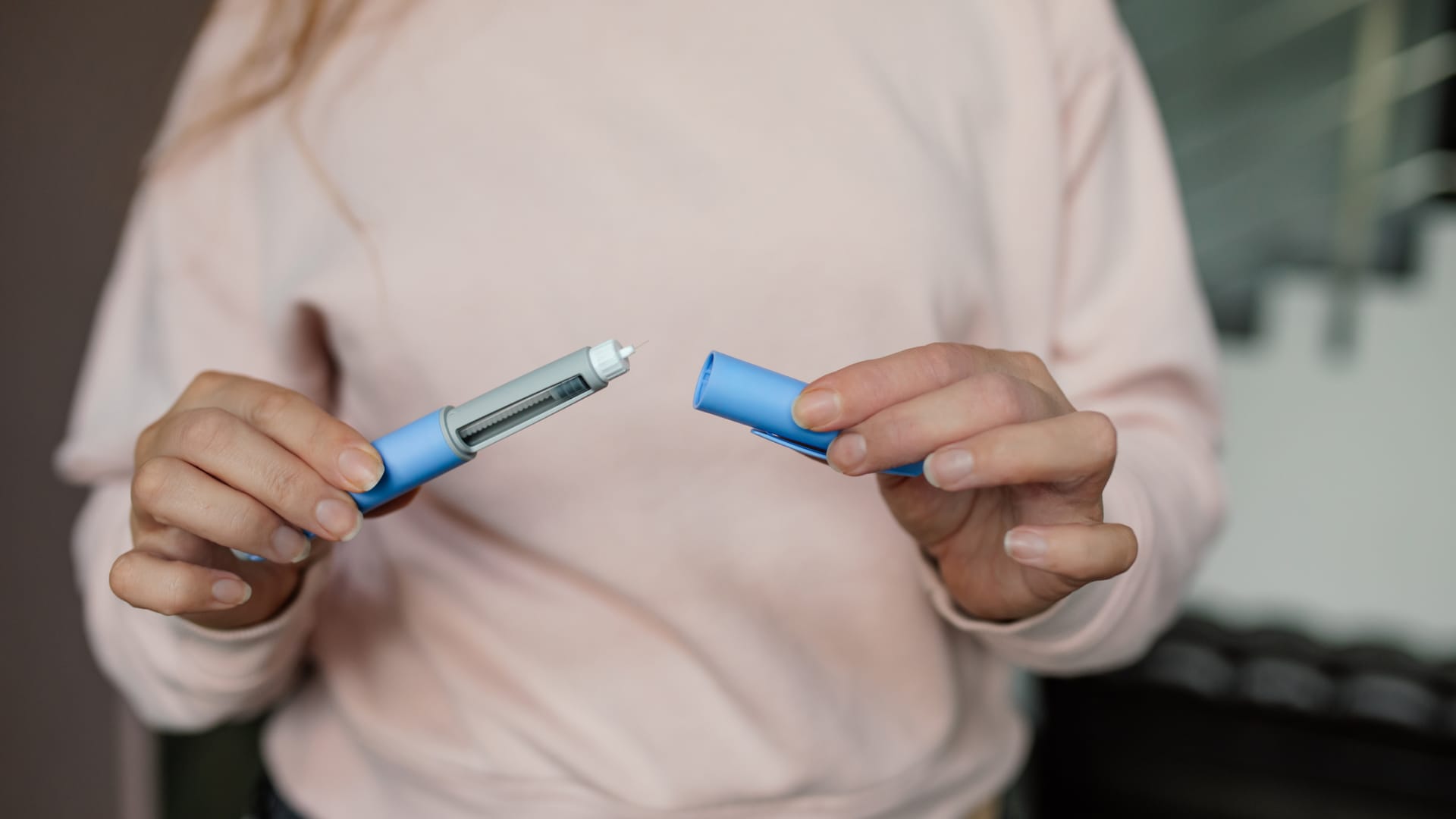
India’s GLP-1 boom is creating more than demand for a new class of medicines. An entirely new healthcare-services layer is taking shape around GLP-1 drugs, bringing together doctors, telehealth platforms, obesity clinics, diagnostics, nutritionists, health coaches and pharmacies.The distinction matters because a GLP-1 prescription is only the starting point. Patients may need dose titration, monitoring for side effects, nutrition support, strategies to preserve muscle during weight loss and, eventually, a plan for maintaining their results.What are GLP-1 drugs and how do they work?GLP-1 drugs mimic the action of glucagon-like peptide-1, a naturally occurring hormone involved in appetite and blood-glucose regulation. They can increase feelings of fullness, reduce appetite and slow gastric emptying. These are prescription medicines that require appropriate patient selection and medical supervision.Which GLP-1 drugs are available in India?The Indian market includes several molecules, brands and formulations, with approved indications differing by product.Specific indications and availability depend on the individual product and regulatory approval. CDSCO has approved semaglutide formulations for chronic weight management in appropriate adults.Why has demand for GLP-1 drugs exploded in India?According to the NFHS-5, 24% of women and 22.9% of men aged 15–49 were overweight or obese using its BMI classification. ICMR-INDIAB research involving more than 113,000 adults across India has also highlighted the country’s large burden of diabetes, prediabetes and obesity.GLP-1 drugs have arrived at a time when millions of Indians are looking for more effective approaches to obesity and metabolic disease.How much do GLP-1 drugs cost in India?Prices vary considerably by molecule, brand and dose. The March 2026 expiry of the Indian semaglutide patent has also brought lower-priced products into the market.The medicine can now range from around ₹1,300–₹1,800 per month for some lower-dose semaglutide products to ₹14,000–₹27,500 or more for higher-priced branded tirzepatide treatment. These do not include consultation, diagnostics or other healthcare services.The healthcare layer forming around GLP-1 drugsThis is where the Indian market is changing most significantly.Supervised programmes: Instead of being left with just a prescription in hand, patients can access structured programmes combining medical consultations, monitoring and lifestyle support.Telehealth: Remote doctor consultations, digital follow-ups, prescription management and at-home diagnostics allow treatment to continue outside a physical clinic.Dose titration: The dose may be changed gradually over time to find what works best for you.Doctors can assess response and tolerability before determining whether and when a dose should change.Side-effect management: Nausea, vomiting, constipation and other gastrointestinal symptoms can occur and when they do, medical programmes can help patients distinguish expected effects from those requiring clinical attention.Nutrition and dietetics: Consuming adequate protein, fibre and micronutrients when on GLP-1 can become a challenge due to a reduced appetite. Nutrition support therefore becomes part of treatment rather than an optional add-on.Keeping muscle: Losing a lot of weight can also mean losing muscle. Protein-rich foods, strength training and other strategies can help you maintain muscle as you lose weight.Keeping the weight off: Reaching your goal is just the start. Ongoing support can help you stay on track, decide what to do about your medication, and get back on track if you regain weight.Together, these services turn a drug into a care pathway.What does a supervised GLP-1 programme provide that a prescription alone doesn’t?Companies such as MetaGO represent this emerging model, offering GLP-1 weight loss programs that combine physician-led care with diagnostics, nutrition and health coaching and both online and in-person support.Do you need a prescription for GLP-1 drugs in India?Yes. GLP-1 medicines are prescription therapies. Patients should be assessed by a qualified clinician before starting treatment, and should not independently buy, dose, switch or discontinue injectable medicines.Why do people regain weight after stopping GLP-1 drugs?Weight regain is common because the appetite-regulating and metabolic effects of treatment diminish after discontinuation. However, the amount regained varies between individuals. This is why maintenance planning is increasingly becoming part of obesity treatment rather than an afterthought.What happens now that semaglutide is off patent?A major change came in the month of March 2026, when Novo Nordisk’s key Indian semaglutide patent expired. Indian pharmaceutical companies have since introduced lower-cost versions, potentially expanding access while increasing the need for appropriate prescribing and monitoring.The bigger opportunity, therefore, may not be the medicine alone. As access expands, India’s healthcare system will need services capable of supporting patients before, during and after GLP-1 treatment.The emerging category is broader than GLP-1 drugs: it is a new model of obesity care built around medical supervision, dose management, diagnostics, nutrition, muscle retention, behavioural support and long-term maintenance.“This article is part of the sponsored content programme.”
How GLP-1 Drugs Are Building an Entirely New Healthcare Services Layer in India
How GLP-1 Drugs Are Building an Entirely New Healthcare Services Layer in India
746 words~3 min read