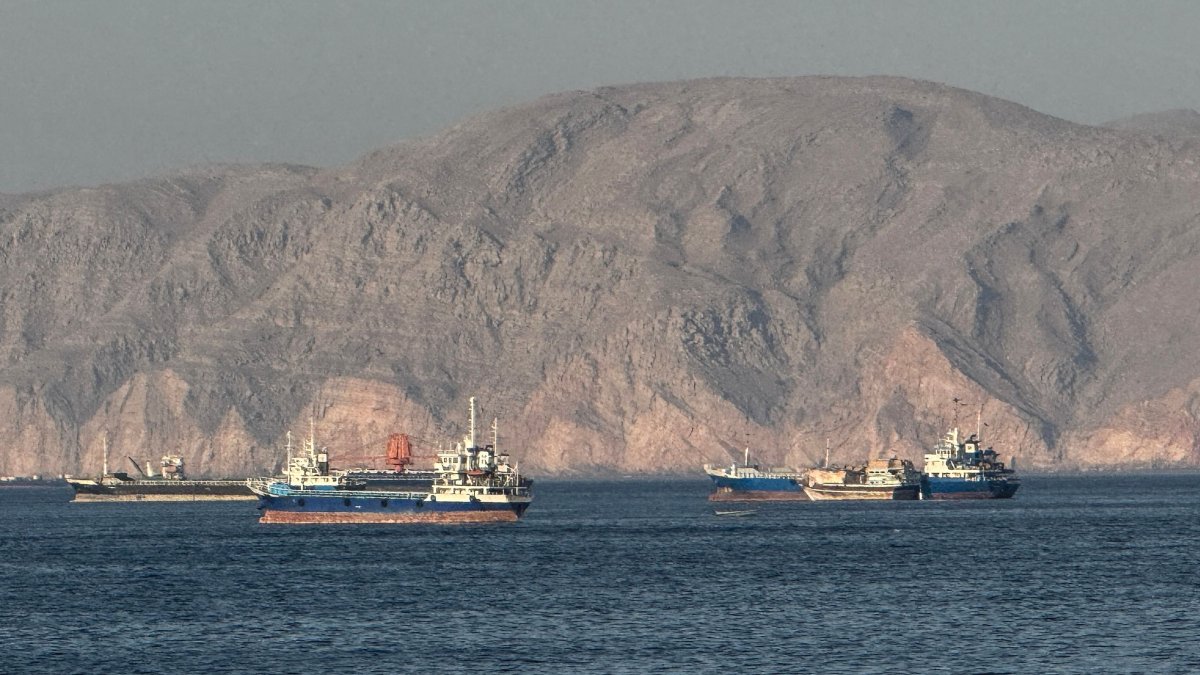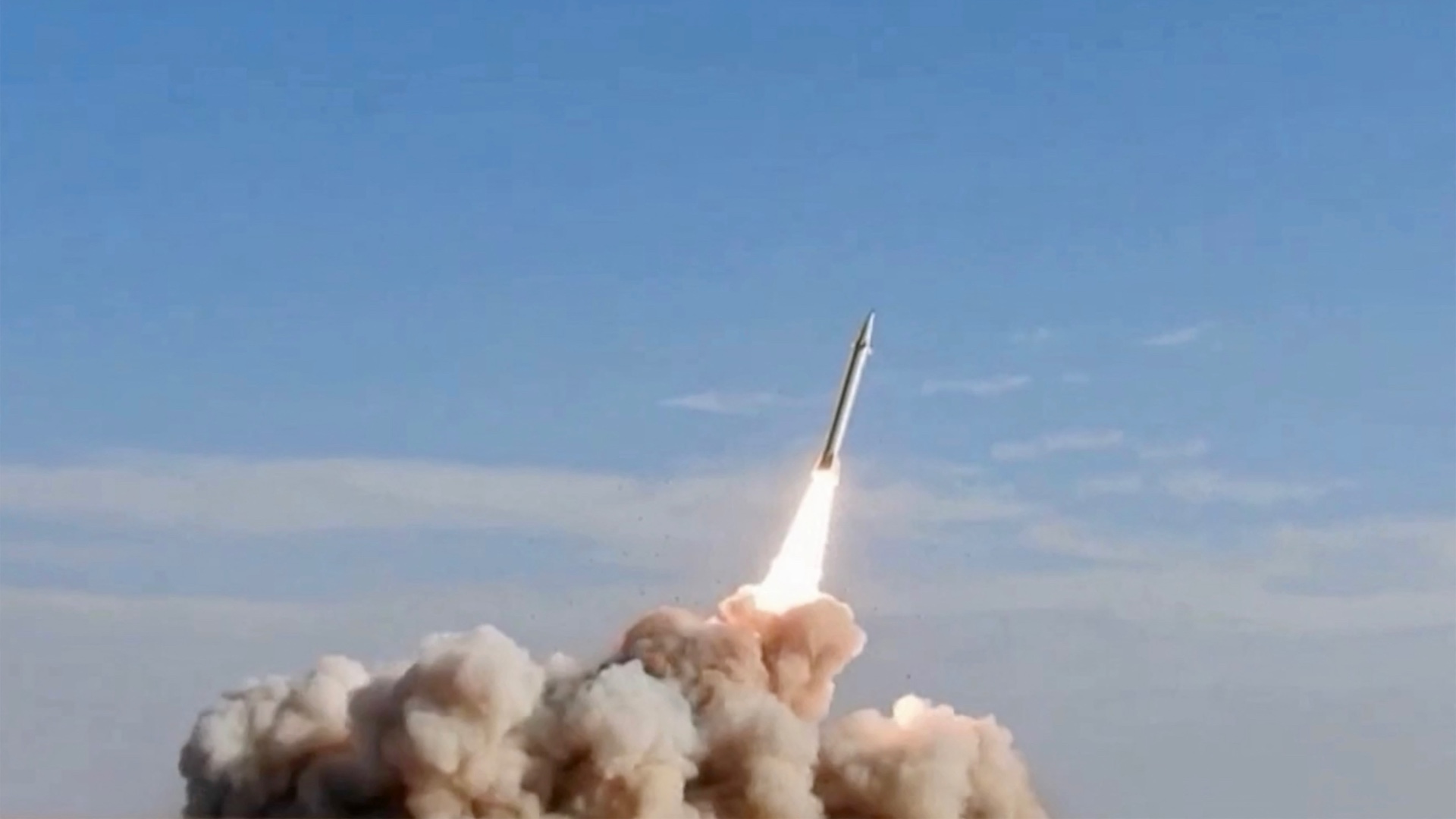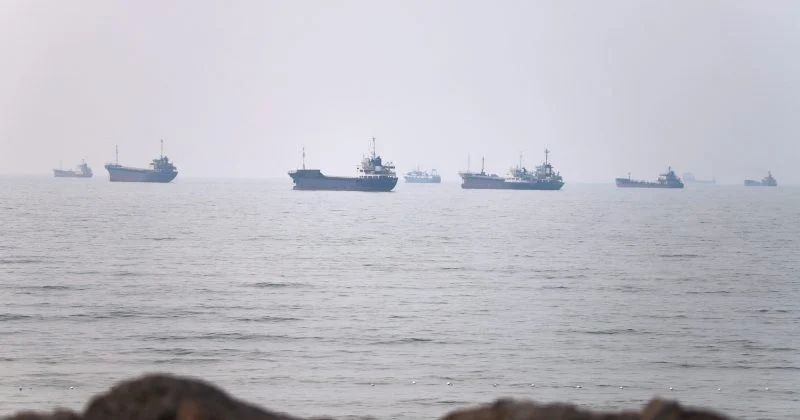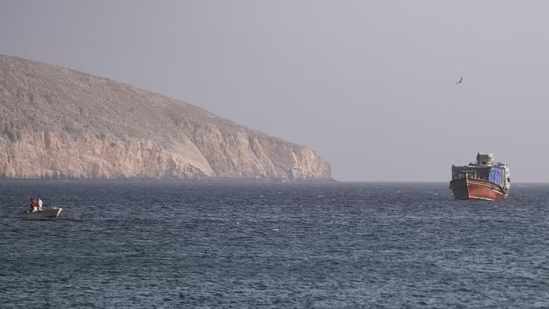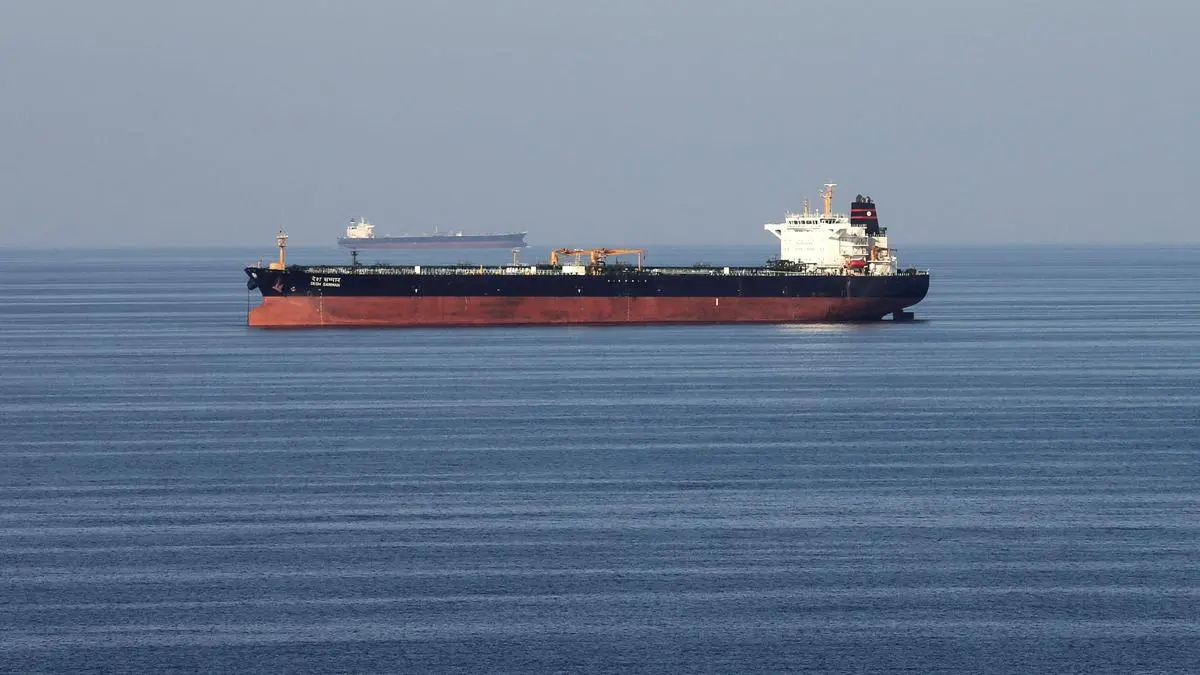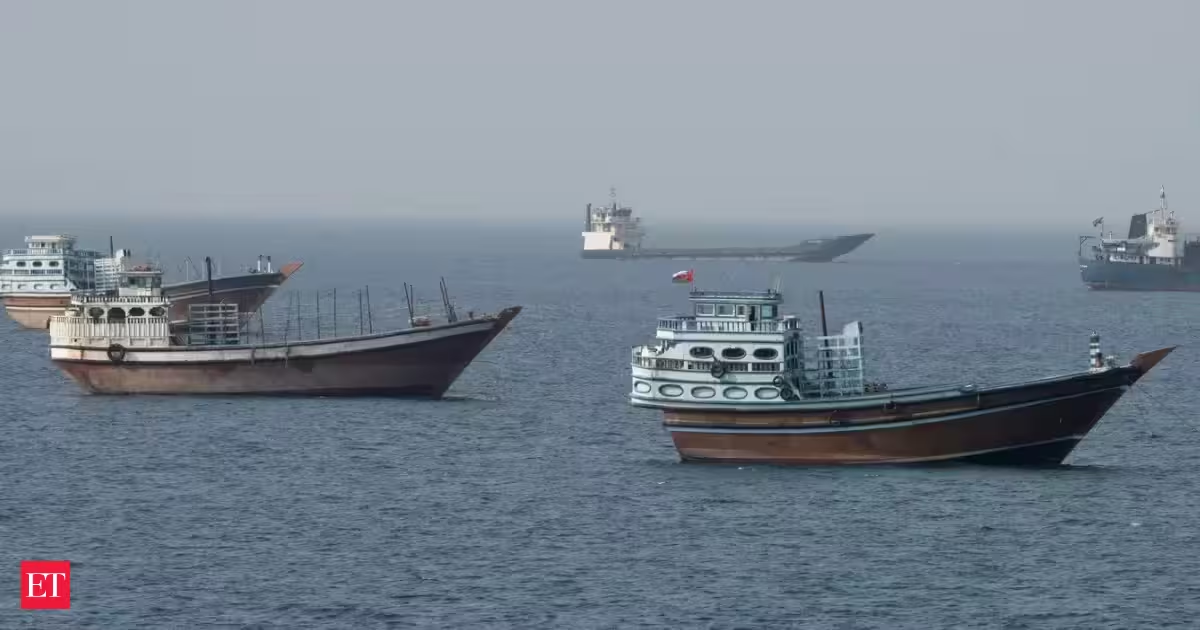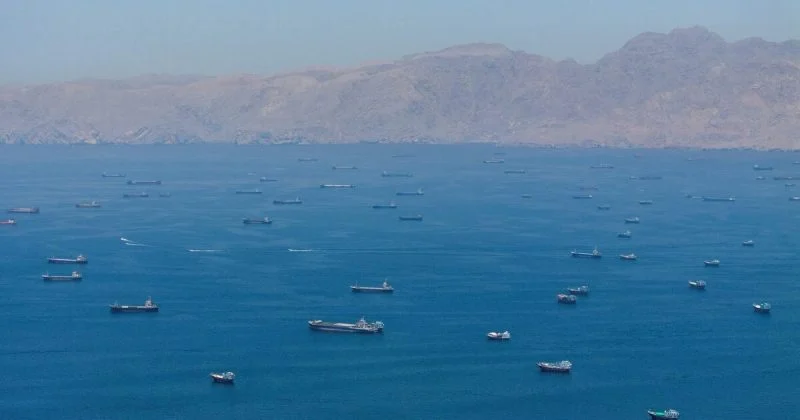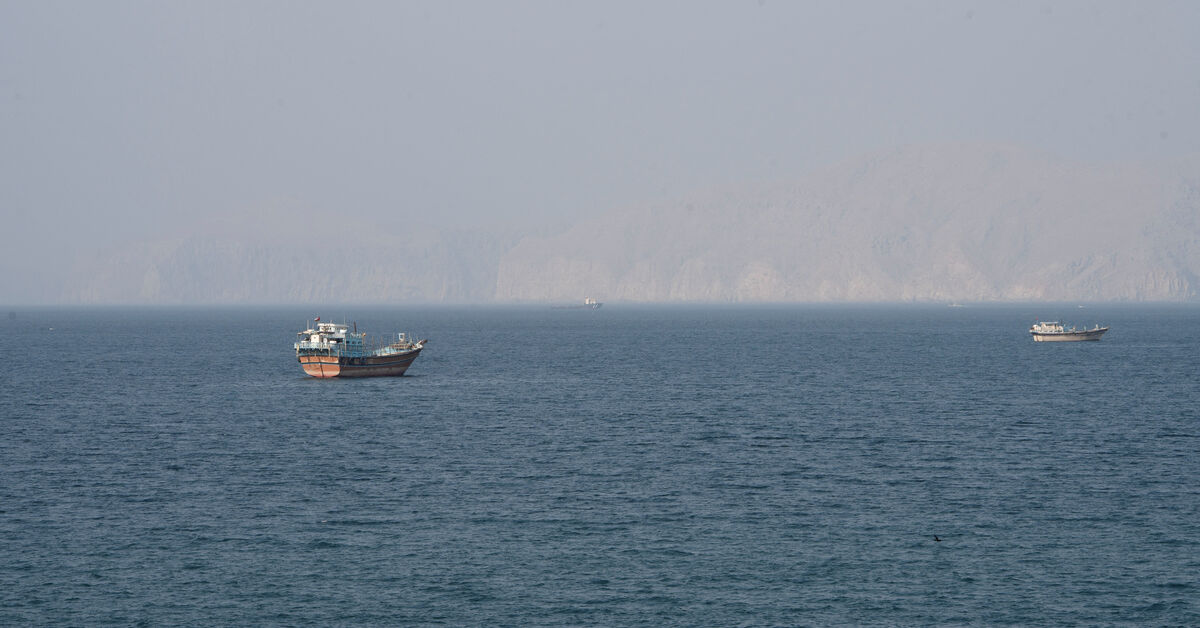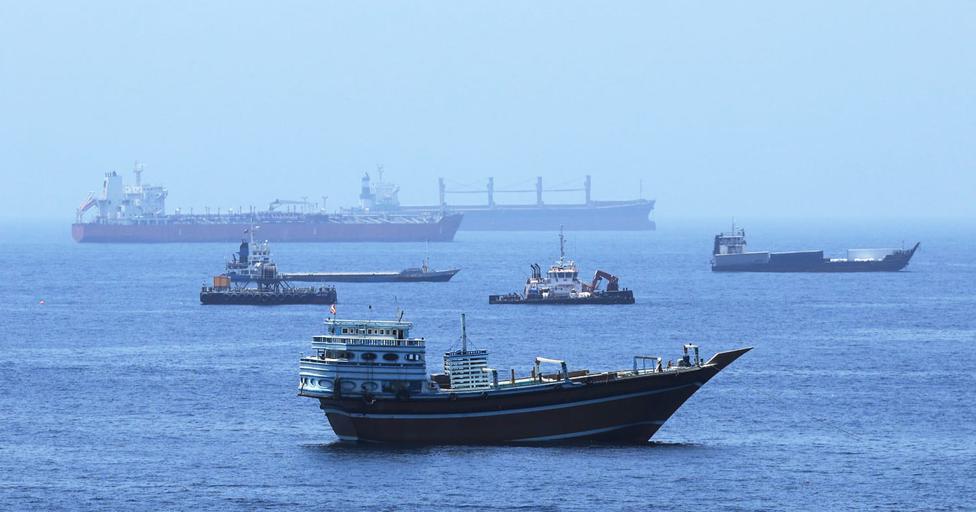
Maritime traffic through the Strait of Hormuz has plummeted to new lows amid the political deadlock in U.S.-Iran negotiations and heightened security concerns over the strategic waterway.
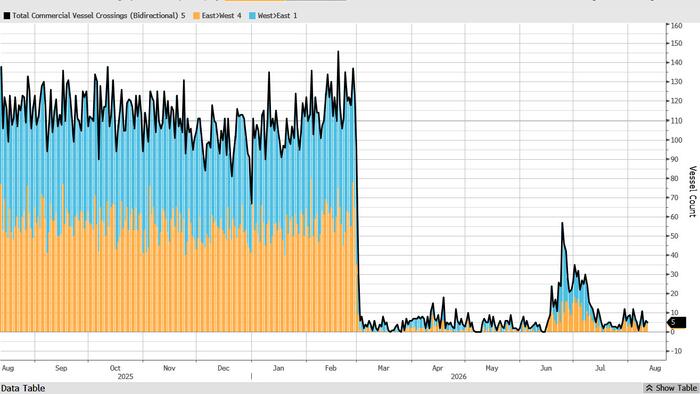
According to data published on Friday, August 21, by commodities intelligence firm Kpler, only seven commercial cargo vessels passed through the Strait of Hormuz on Thursday, August 20. This represents a 50% drop compared with the previous day’s traffic. Of those seven vessels, four entered the waterway while three exited.
The transit log showed a total absence of Very Large Crude Carriers (VLCCs) and Liquefied Natural Gas (LNG) tankers. The only major gas vessel recorded was a single Very Large Gas Carrier (VLGC) carrying propane and butane, which transited via the designated Iranian lane.
This sharp decline in maritime activity severely affects a vital global trade bottleneck; before the outbreak of conflict, the Strait of Hormuz handled nearly one-fifth of the world’s crude oil and LNG shipments. Kpler’s historical tracking highlights a drastic departure from normal transit volumes, noting that average daily vessel passages dropped to approximately 13 during active conflict periods, compared with around 45 vessels per day during ceasefires.