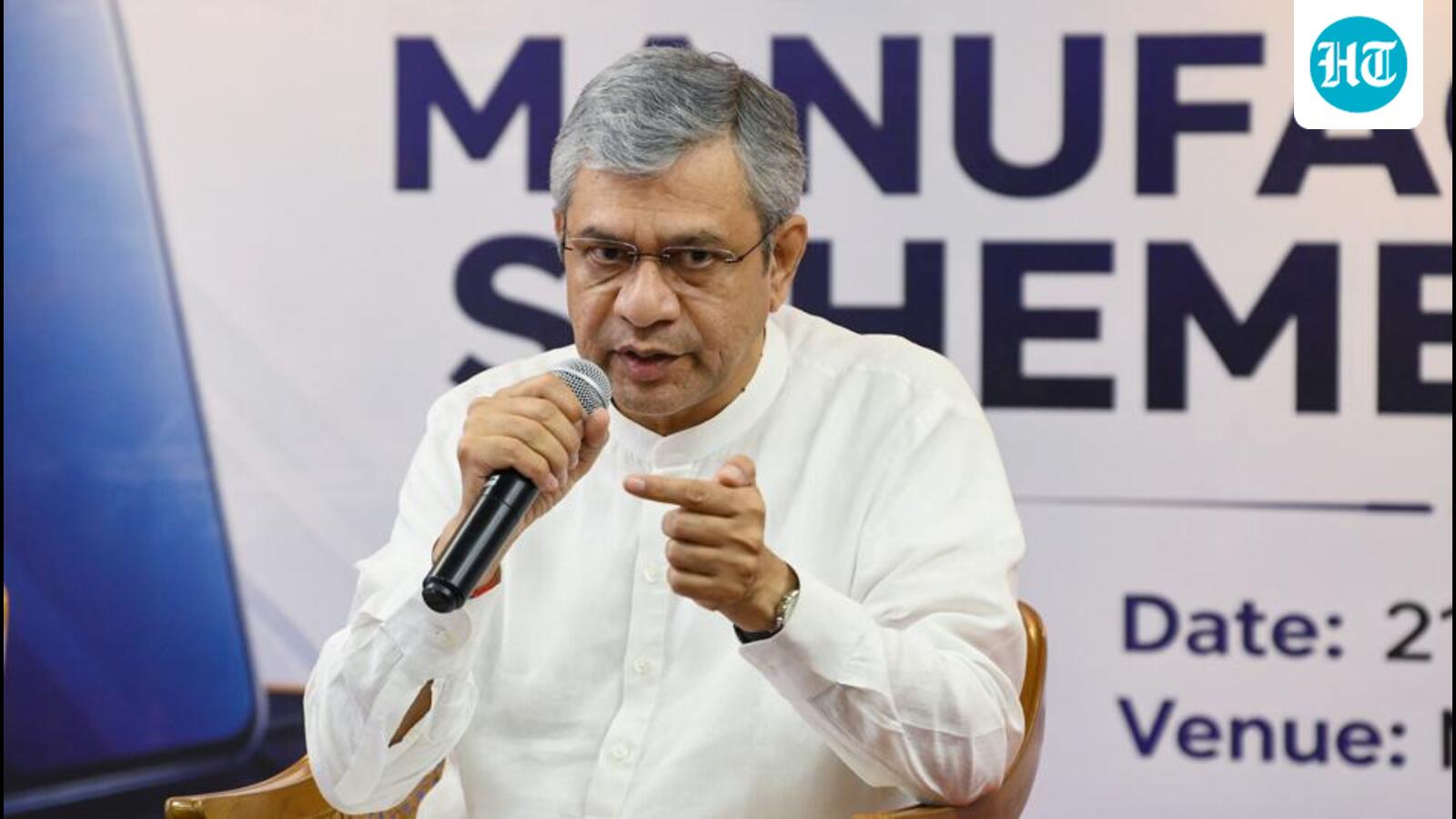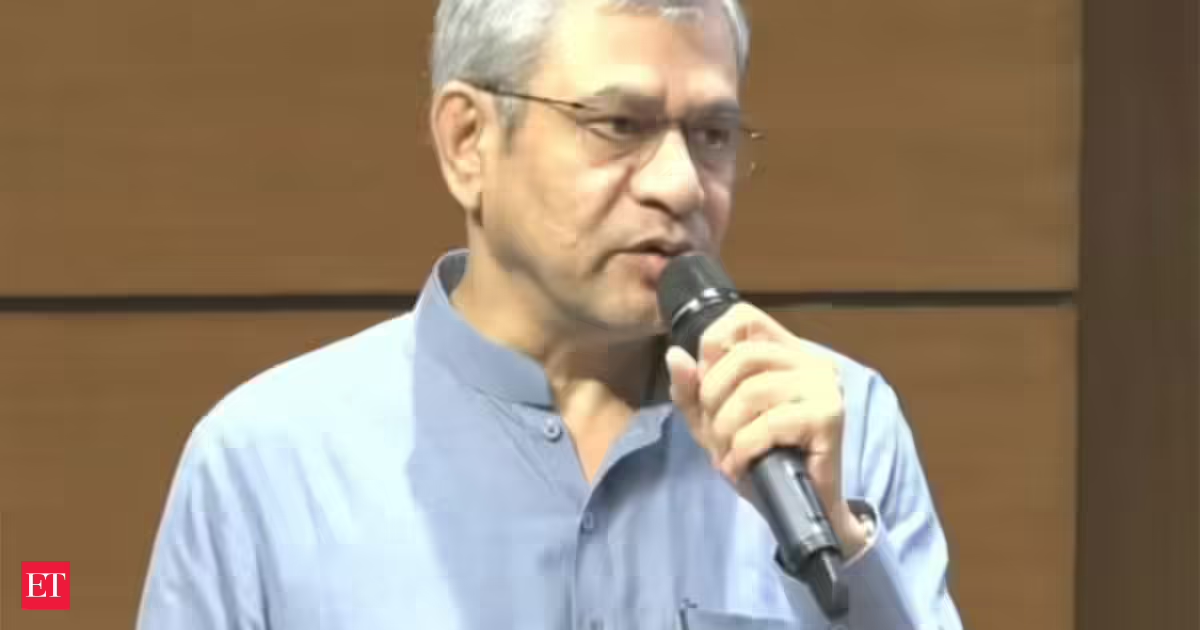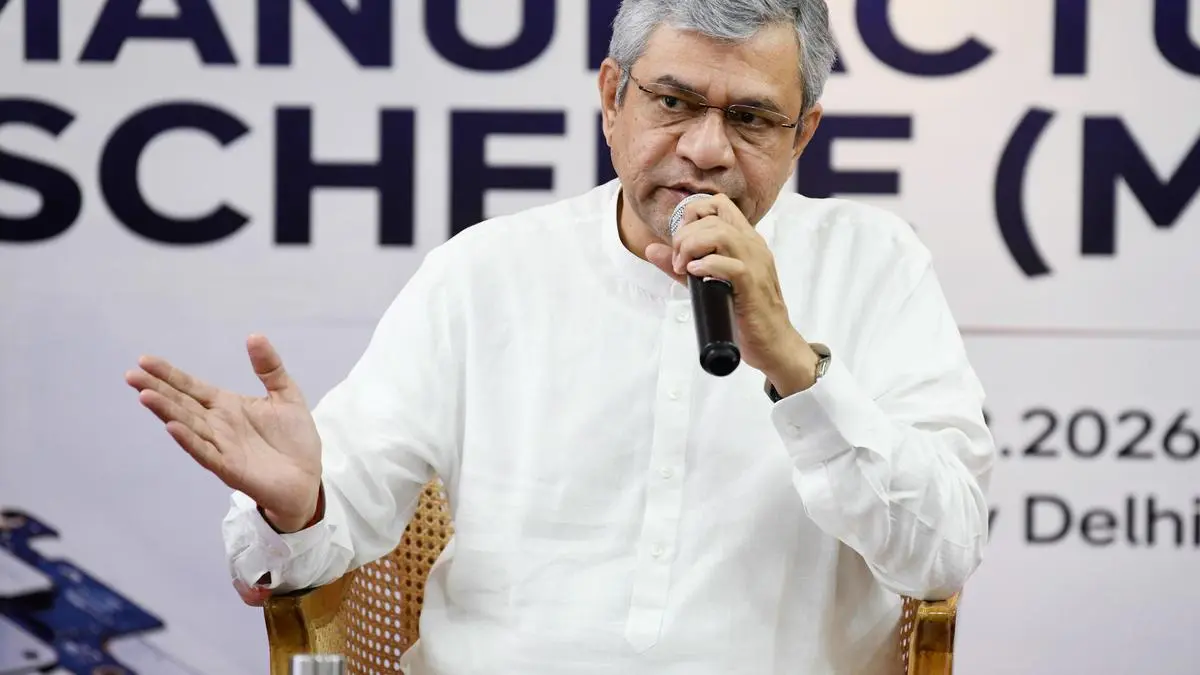
Union Minister for Electronics & Information Technology Ashwini Vaishnaw speaks during the launch of the Mobile Phone Manufacturing scheme at Rail Bhawan in New Delhi on Friday
| Photo Credit:
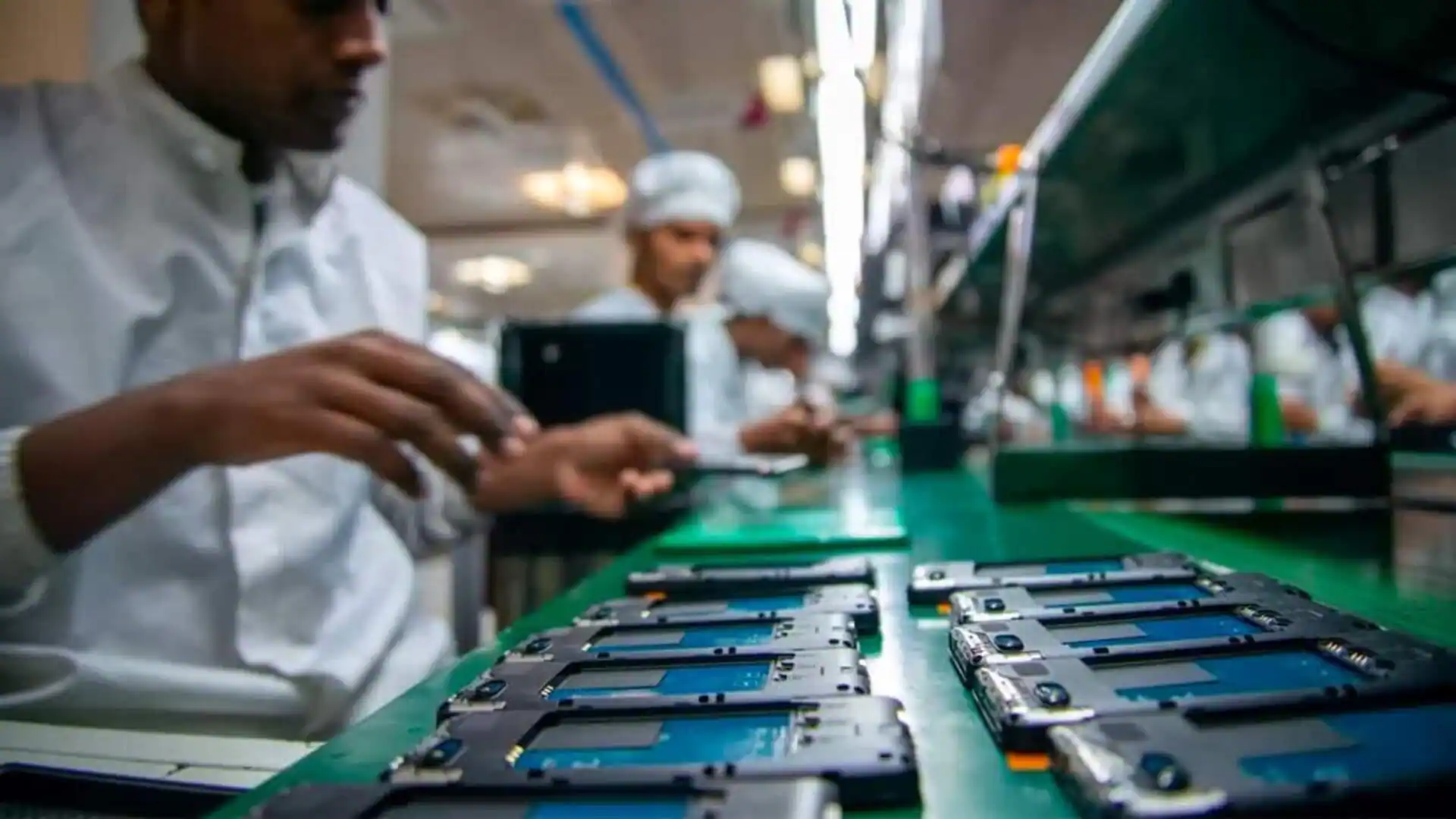
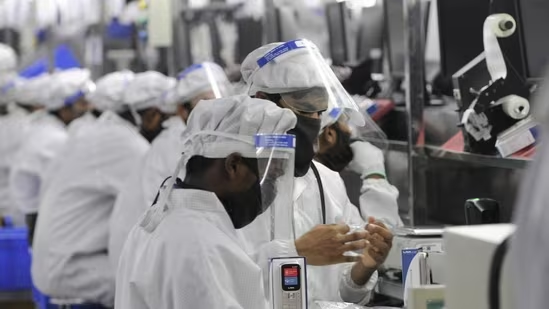
The government on Friday notified the ₹62,500 crore Mobile Phone Manufacturing Scheme (MPMS) to provide production-linked incentives (PLI) for manufacturing mobile phones in India and to support Indian mobile phone brands. The scheme aims to increase global competitiveness by further enhancing scale and deepening the mobile manufacturing supply chain through higher DVA and stronger domestic manufacturing capabilities, Ashwini Vaishnaw, Minister of Electronics and Information Technology, said.The government is targeting two segments under the scheme: target segment 1 (TS1), which incentivises mobile phone manufacturing, and target segment 2 (TS2), which supports Indian mobile phone brands. The scheme will run for five years, effective from April 1, 2026 (FY 2026-27) to FY 2030-31. Applicants under TS2 may be granted a gestation period of one year.Mobile phone manufacturers, including Electronics Manufacturing Services (EMS), registered in India with a minimum turnover of ₹10,000 crore in FY 2025-26, will be eligible under the scheme, the notification said. It also stated that firms with 51 per cent Indian ownership and a turnover of ₹1,000 crore in FY 2025-26 will be eligible as well.“There shall not be any minimum ‘Threshold Sales’ requirement for Indian brands. Selection of the Indian brands for eligibility under the scheme shall be done by the Empowered Committee (EC),” the notification said.To further accelerate domestic manufacturing and ensure Atmanirbharta in the Indian mobile phone manufacturing ecosystem, the scheme also provides an additional incentive of up to 1.5 per cent for the domestic sourcing of key components and sub-assemblies, provided that such components are localised for a minimum of 25 per cent of the total mobile phone units manufactured in a financial year.According to MeitY, cumulative mobile phone production in the country is expected to reach around ₹39 lakh crore, with a significant increase in mobile phone exports during the tenure of the scheme. The MPMS is also expected to generate around 60,000 direct jobs, contributing to economic growth, employment generation, and strengthening India’s position as a global electronics manufacturing hub.“By providing up to a 1.5 per cent additional incentive for localising critical sub-assemblies like camera modules, display assemblies, mechanics, and battery cells, alongside an unprecedented 3 per cent incentive for domestic R&D and product design under TS2 of local brands creation, MPMS creates a direct pathway to scale indigenous IP and foster champion Indian mobile brands,” Ashok Chandak, President, India Electronics and Semiconductor Association (IESA), said.Meanwhile, in response to a question from BusinessLine about the rising prices of smartphones in the recent past and whether such schemes would help control prices in the future, Vaishnaw stated that it was a global phenomenon, as more chips are being allocated to AI data centres.“As we manufacture more and more memory chips, like Micron plant is manufacturing memory chips...there are so many players who are increasing their capacity in memory production...so this will also stabilise,” he added.Published on August 21, 2026