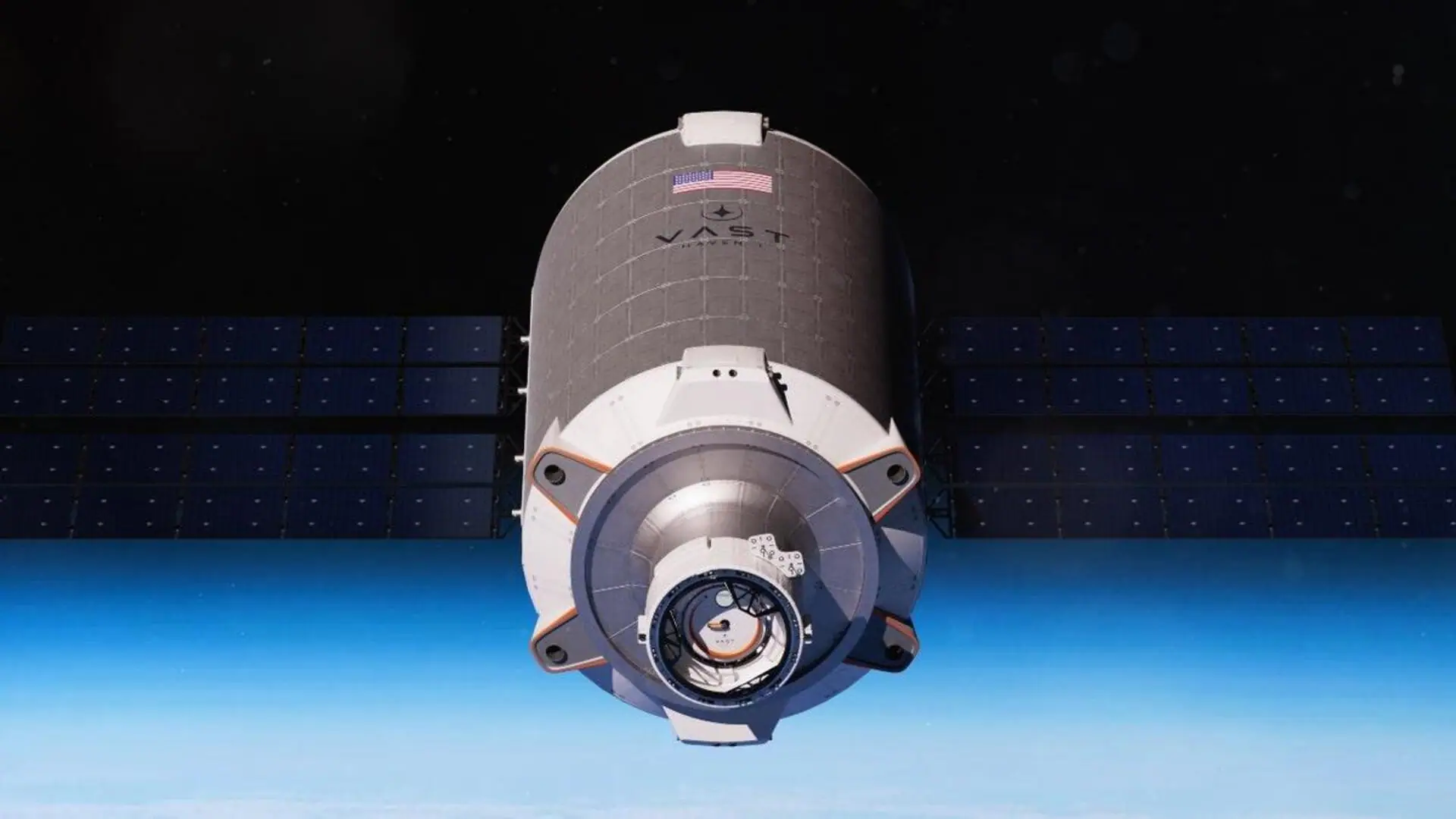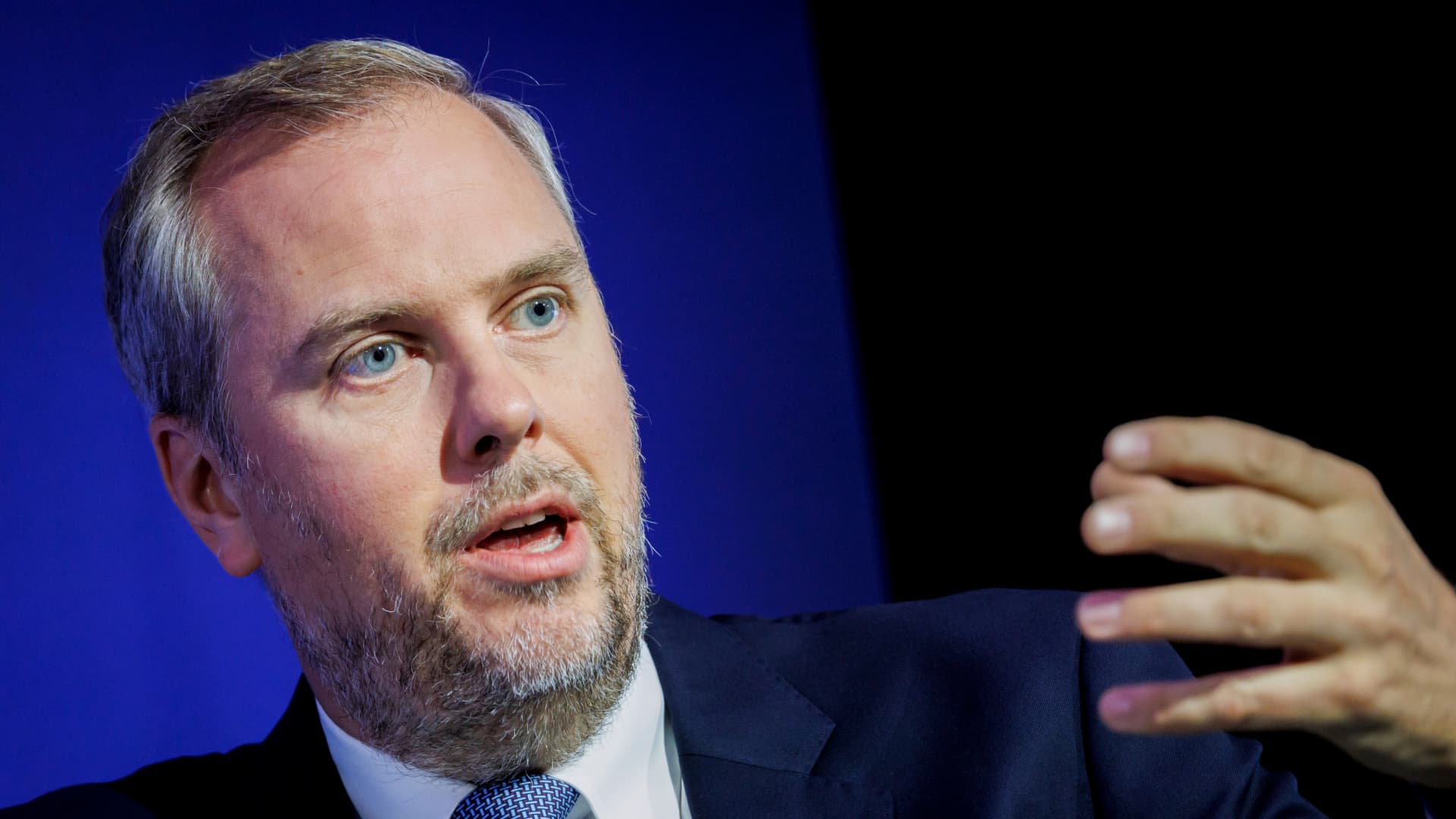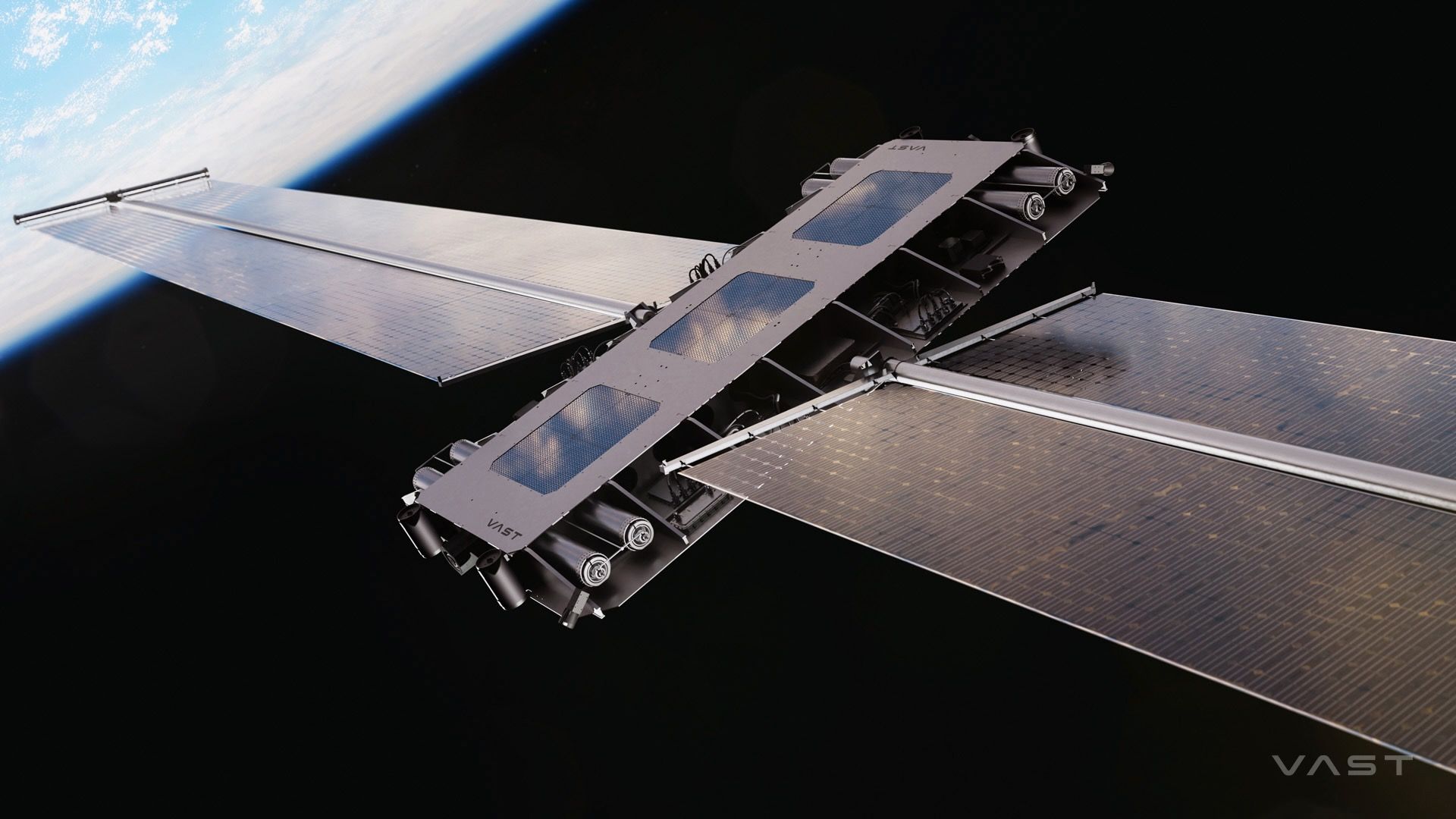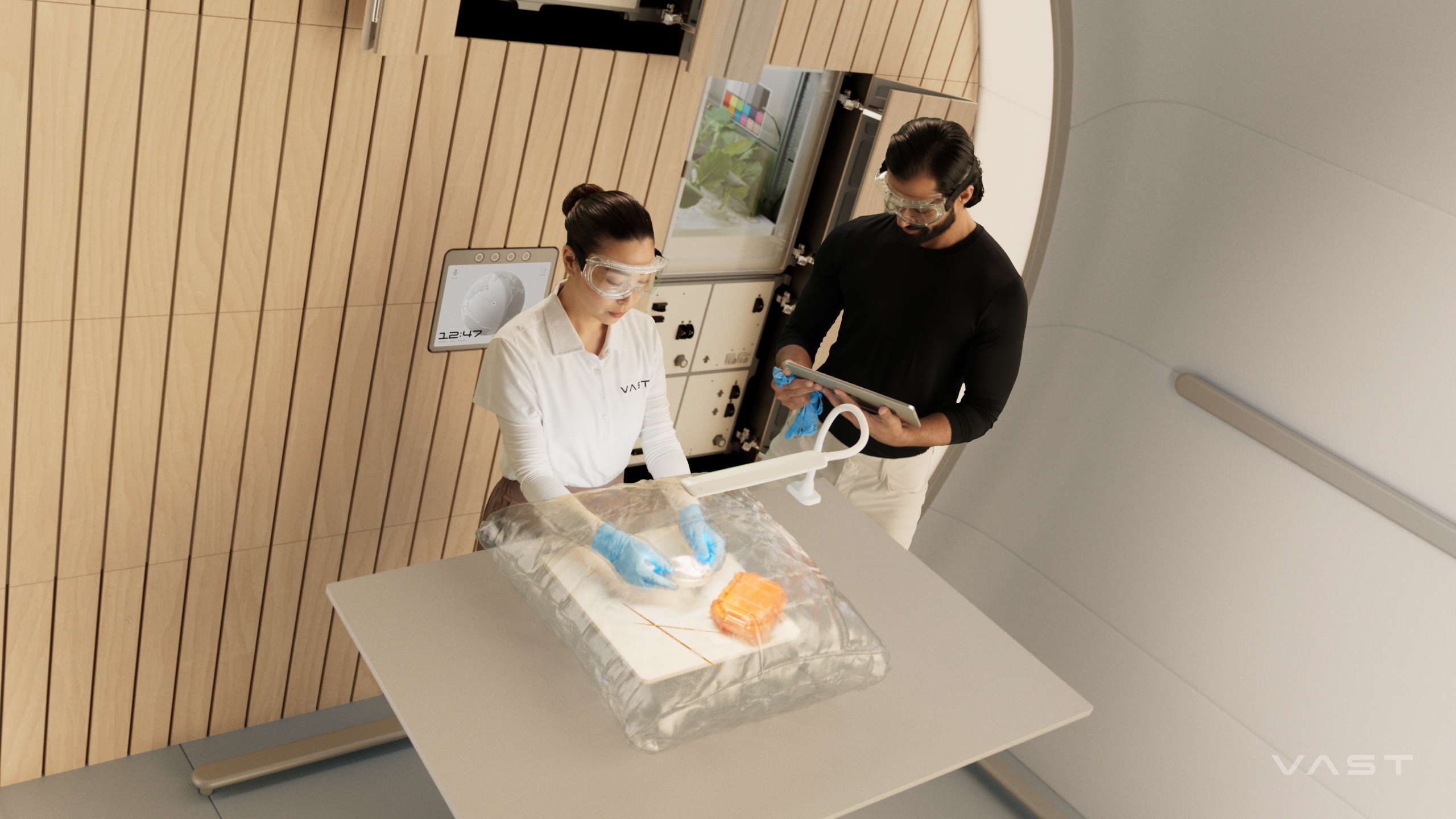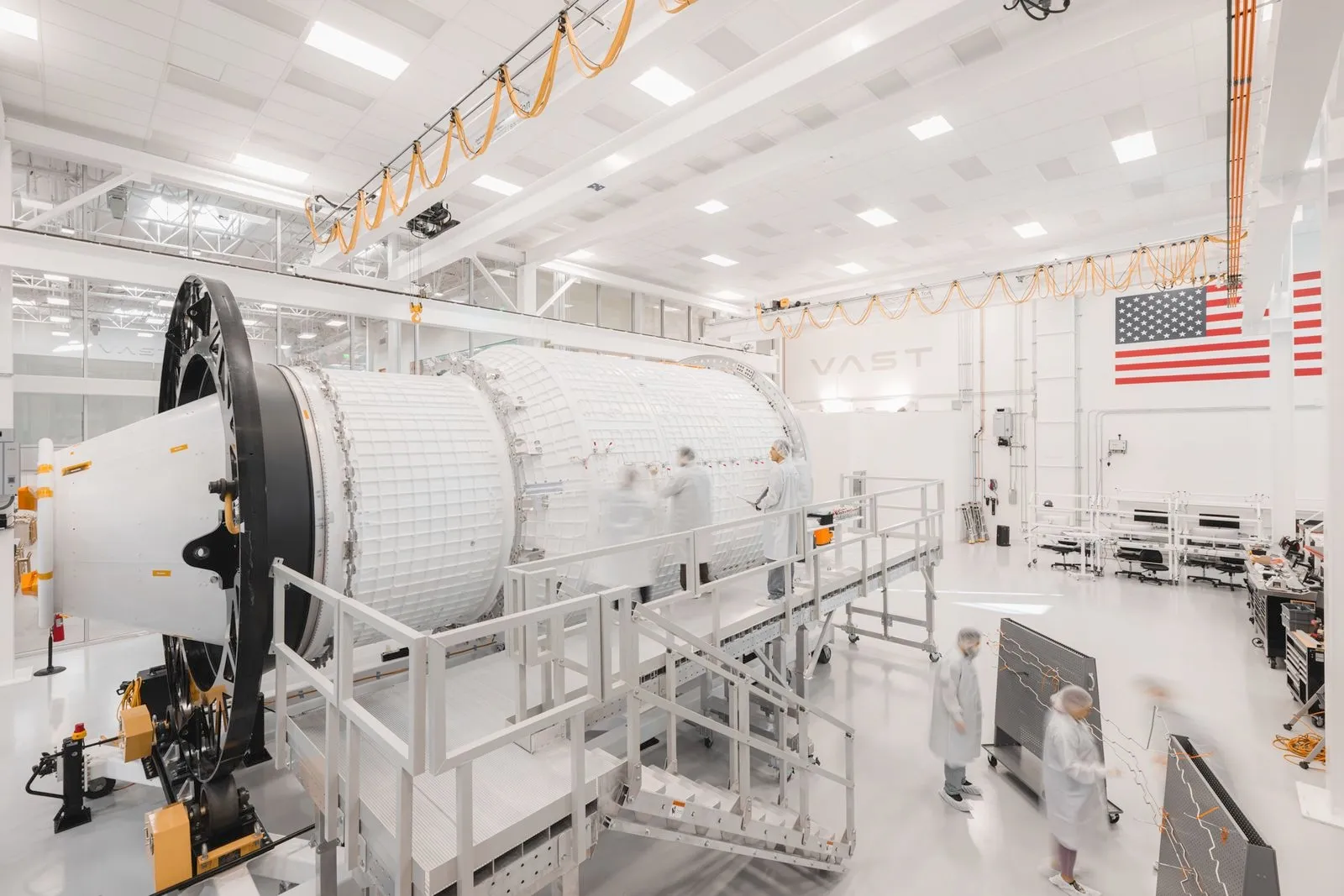
California-based space station startup Vast has cut 46 employees, or about 4% of its workforce, even as the company backed by crypto billionaire Jed McCaleb pushes ahead with plans to build a commercial replacement for the International Space Station. The layoffs come just months after Vast secured $500 million in funding and as competition in the new space race intensifies.ALSO READ: Oracle layoffs August 2026 update: Which employees are at ‘high risk’ as fresh cuts loom and what could the severance package look like?California space startup Vast confirms 46 layoffsVast, the California-based space startup founded in 2021 by crypto billionaire Jed McCaleb, confirmed that it had eliminated 46 positions as part of its mid-year review cycle, according to a report in Business Insider. A company spokesperson said the layoffs were performance-related, while emphasizing that Vast continues to expand its workforce.ALSO READ: Corus layoffs: Canada’s Global News, Global BC and News 640 hit by fresh job cuts just five months after C$500M debt-restructuring bid as broadcaster faces mounting financial pressure“As part of our mid-year review cycle, Vast parted ways with employees who were not meeting expectations. We are backfilling these positions and are continuing to grow and execute,” the spokesperson said.The company said it currently has 277 open roles, suggesting that the job cuts are not part of a broad workforce reduction. However, two employees affected by the layoffs told Business Insider that they had not been warned about concerns regarding their work. They said no issues had been raised about their performance or output during recent one-on-one meetings with managers or performance reviews.Vast layoffs come after $500 million fundingThe Vast layoffs are notable because they arrive only months after the company announced a $500 million funding round designed to accelerate development and production of its Haven space stations.The company is competing in an increasingly crowded commercial space industry, with multiple private companies seeking to build the next generation of space stations before the International Space Station is retired.Vast is preparing to launch Haven-1, its first space station, in 2027 aboard a SpaceX rocket. The company ultimately wants to develop Haven-2, a larger modular station designed to accommodate up to 12 people and eventually serve as part of the commercial infrastructure that succeeds the ISS.Crypto billionaire Jed McCaleb's Vast has ambitious space plansMcCaleb, who founded Vast in 2021, is best known for his involvement in the cryptocurrency industry. His wealth has helped provide Vast with significant financial backing as it pursues an ambitious expansion into space infrastructure.The company's long-term vision goes beyond simply replacing the International Space Station. Vast wants to eventually develop space stations capable of rotating in orbit to create artificial gravity, a concept that could fundamentally change how humans live and work in space.The company has also expanded beyond space stations into satellite manufacturing and recently reached an agreement with the European Space Agency to support missions involving European astronauts traveling to the ISS.Commercial space station race heats upVast is one of several companies attempting to develop commercial space stations as NASA prepares for the eventual retirement of the ISS, which is expected to be deorbited in 2030.The transition has created a new race among private space companies to develop orbital platforms capable of supporting astronauts, research and commercial activities.NASA's plans for the post-ISS era have also faced uncertainty. The agency proposed a new strategy in March centered around a "core module" that commercial space stations could connect to, but withdrew the proposal in June following criticism from across the space industry.For Vast, the latest layoffs come at a crucial point. The company is simultaneously reducing some positions, hiring for hundreds of others and preparing for major space station milestones. Its ability to execute those plans could determine how it fares as the commercial space station race accelerates.
California space station startup Vast cuts jobs after $500 million funding round as crypto billionaire Jed McCaleb’s company races to replace ISS
SpaceX-linked California startup Vast has cut 46 employees, or about 4% of its workforce, months after raising $500 million. The layoffs at Vast comes at a time when crypto billionaire Jed McCalebs company races to launch Haven-1 and develop a commercial replacement for the International Space Station. Vast's long-term plans sound like something pulled from science fiction like Elon Musk's Space-X.
TL;DRAI
Vast eliminated 46 employees (4% of staff) shortly after landing $500M funding for Haven space stations to succeed the ISS by 2030. The timing signals execution pressure—simultaneous layoffs and 277 open roles reflect tension between capital-intensive orbital development and near-term cost efficiency in a crowded commercial space market.
630 words~3 min read