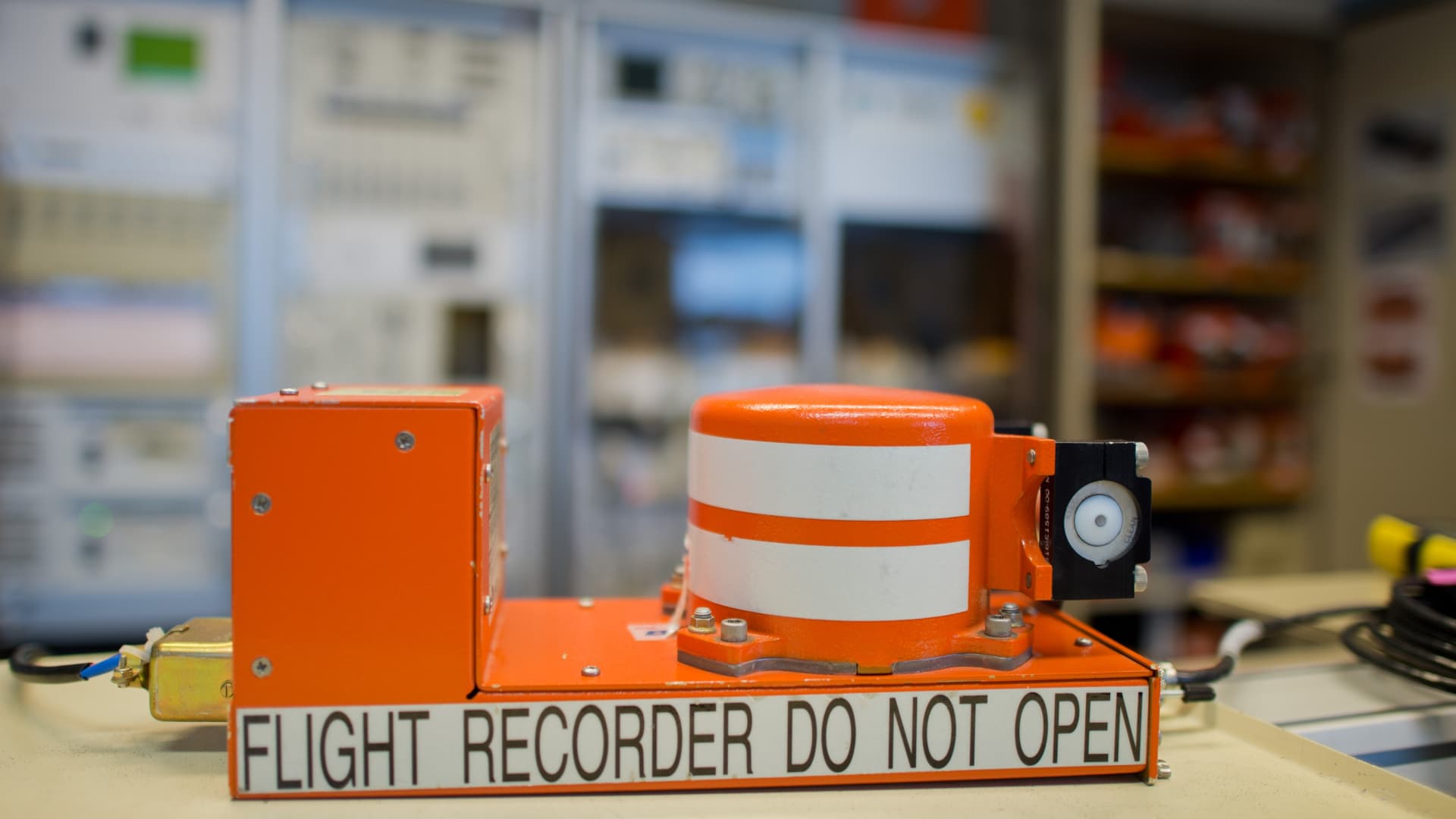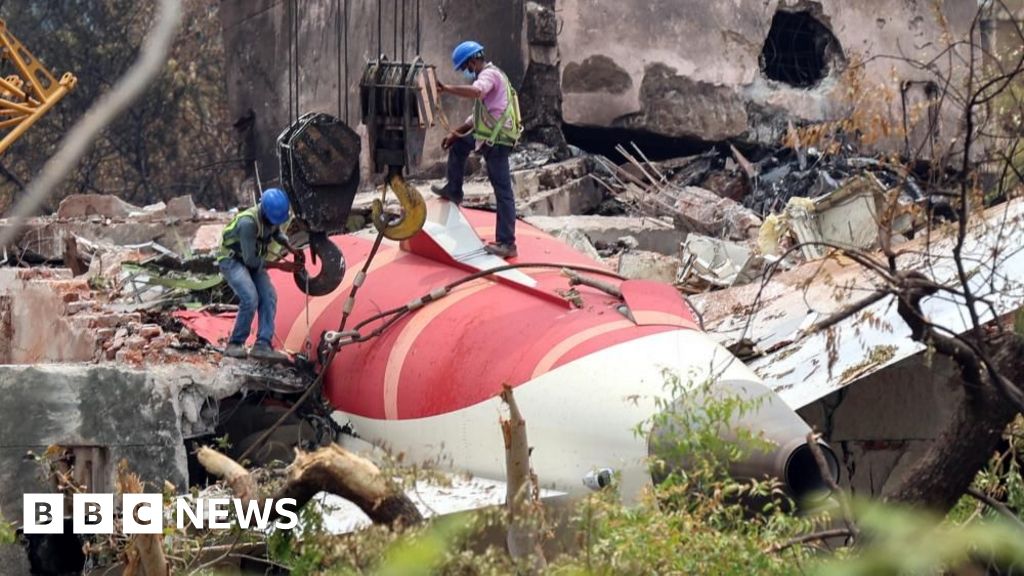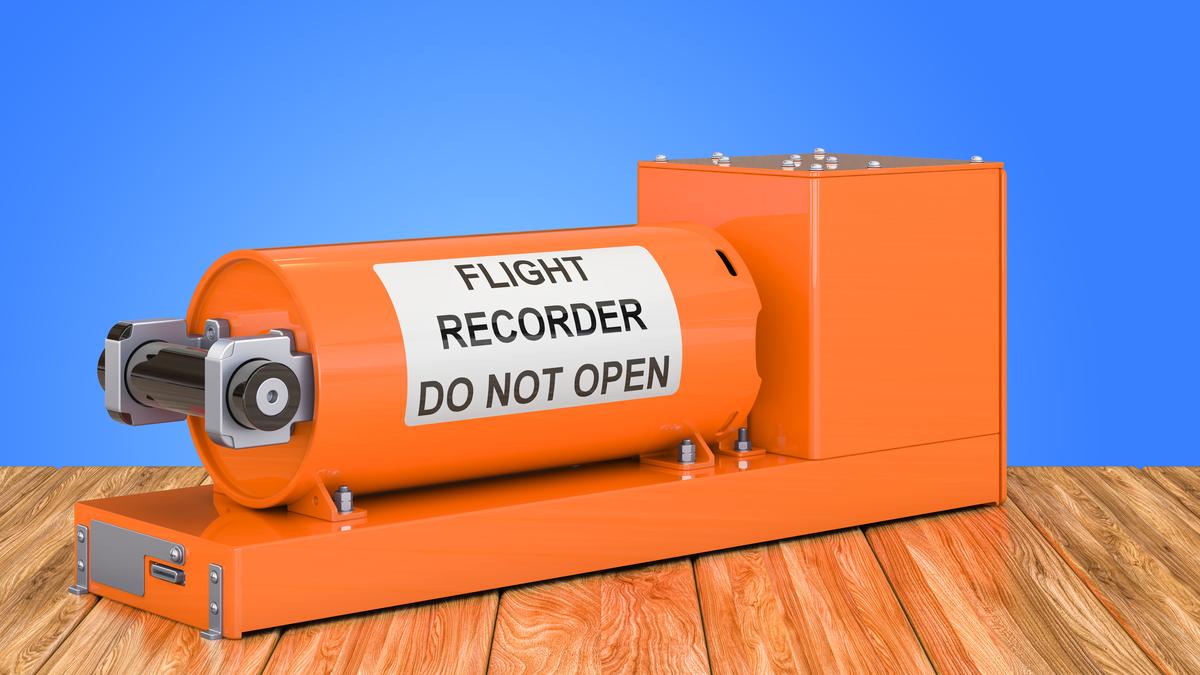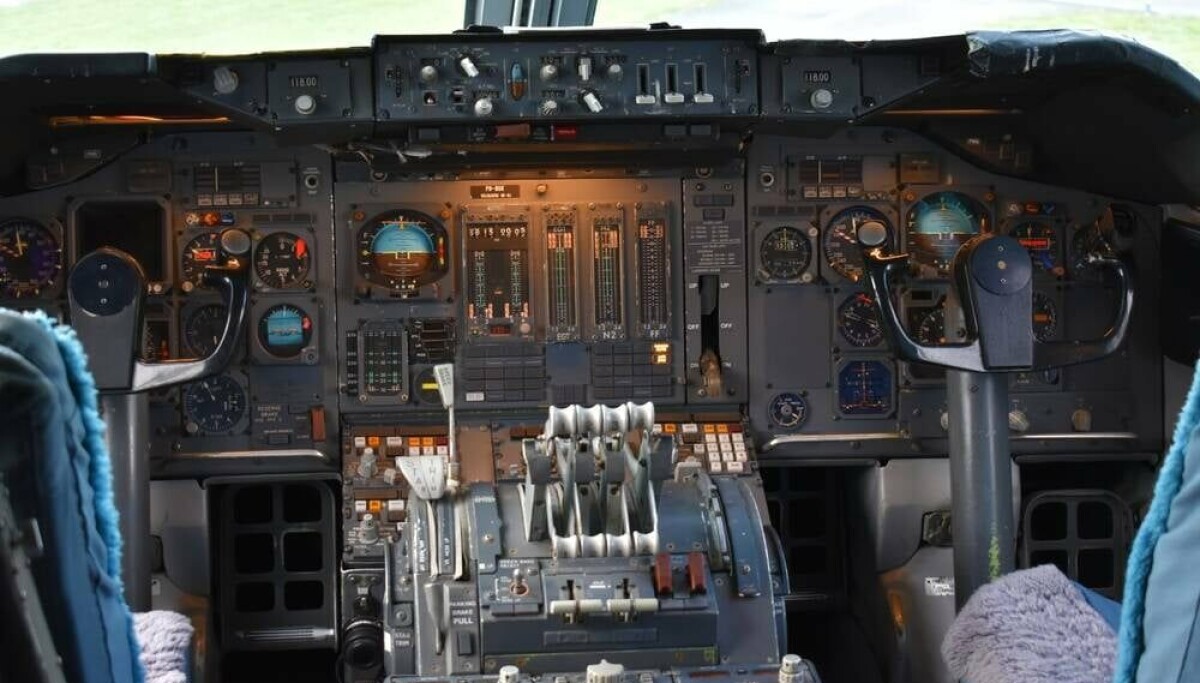
In the uncompromising discipline of air accident investigation, physical evidence tells only part of the story. Twisted fuselage and scorched engines may reveal what happened, but the Cockpit Voice Recorder (CVR) and Flight Data Recorder (FDR) — the so-called black boxes — can help investigators understand why it happened.
They capture the human and technical dimensions of an incident: the stress in a captain’s voice, a missed cross-check on approach, a warning that preceded a critical decision, or changes in aircraft performance that may not be visible from the wreckage.
That is why flight recorders are not forensic luxuries. They are among the most important tools available to investigators and a critical foundation for the safety recommendations that help prevent future accidents.
Yet a troubling vulnerability continues to confront aviation investigators: recorders can be overwritten before investigators have secured them.
In Nigeria, the Nigerian Safety Investigation Bureau has repeatedly raised concerns about the loss of recorder data following serious incidents. In some cases, aircraft may remain powered after an incident, allowing older recordings to be overwritten before the aircraft is secured and the relevant data preserved.