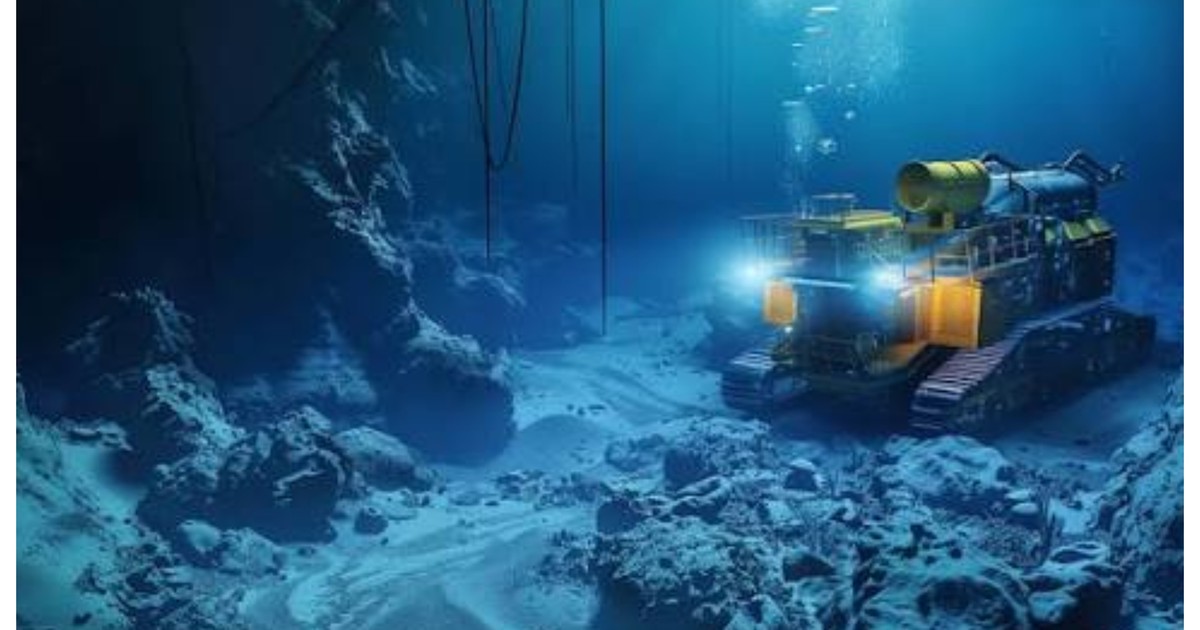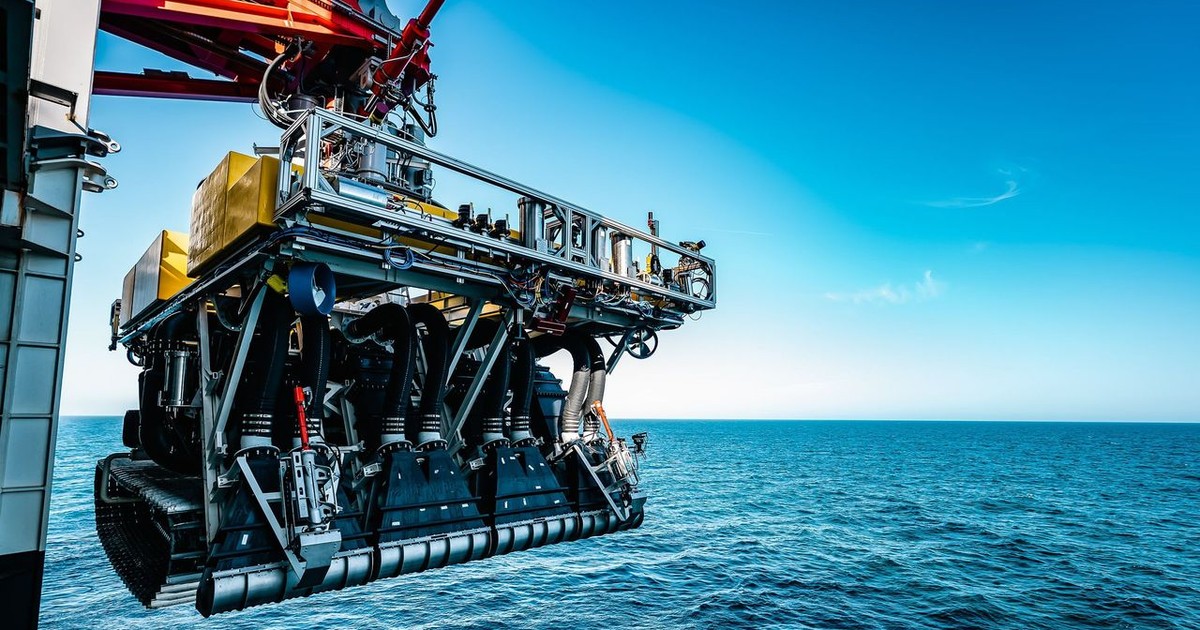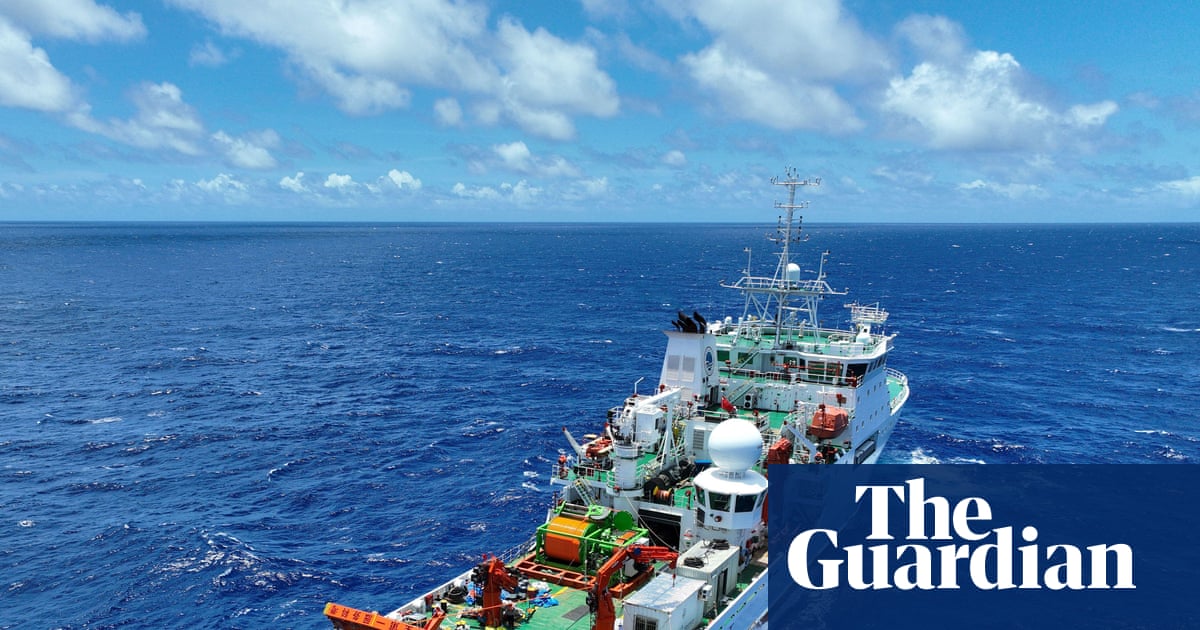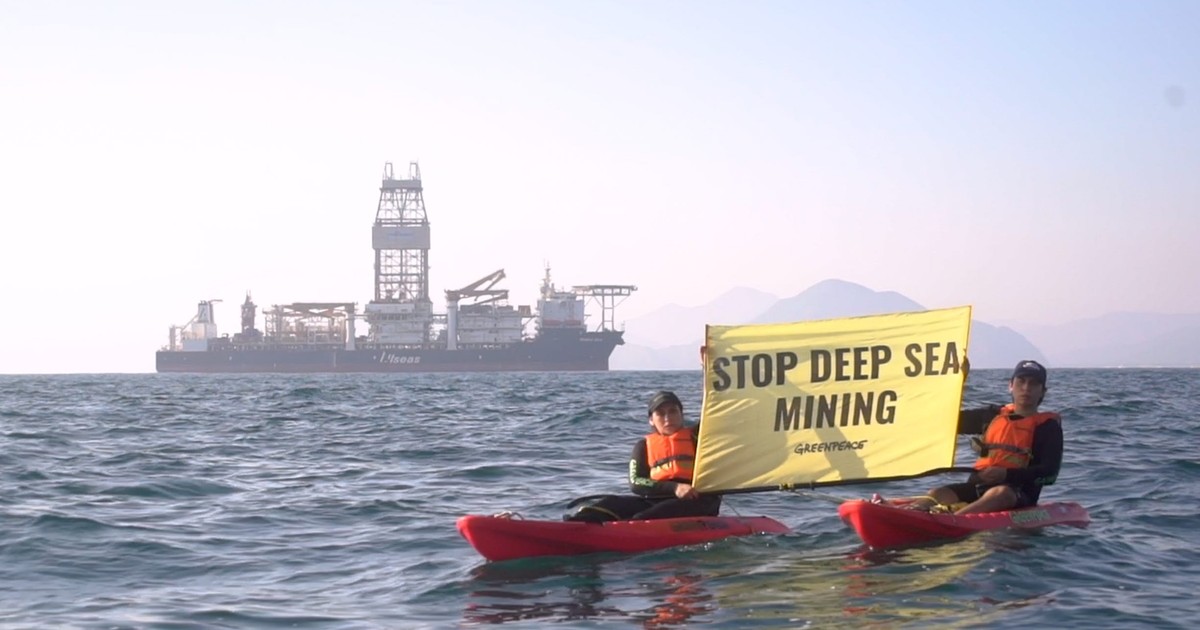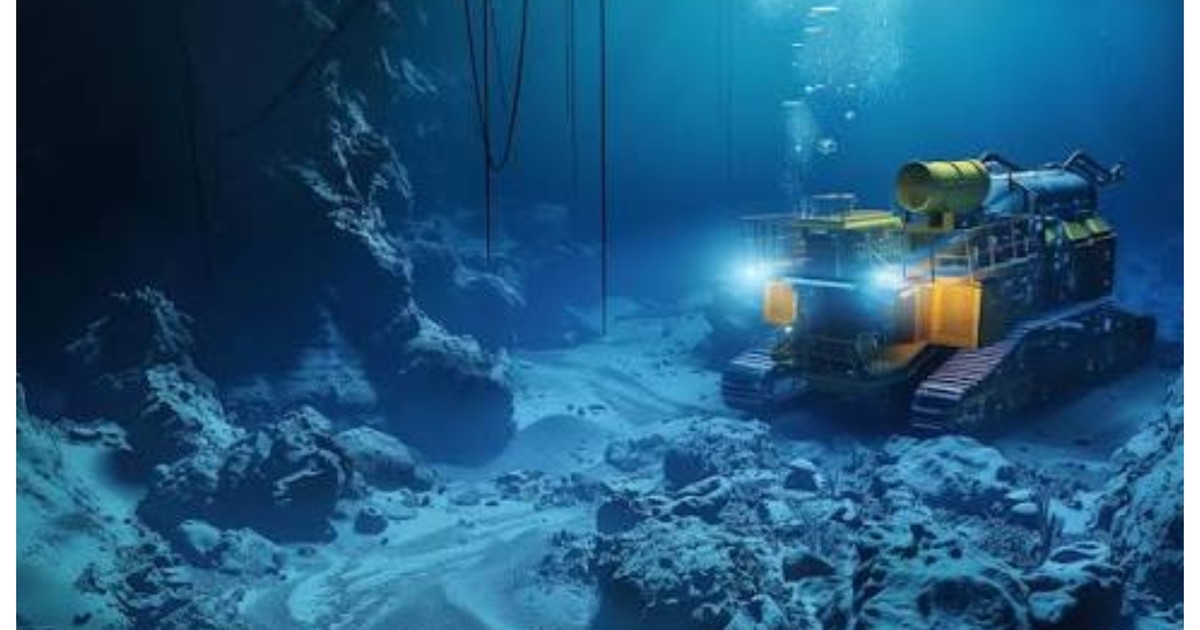
The US and China, the world’s two largest economies, are turning to the seabed for critical minerals estimated to be worth up to $16 trillion, raising concerns in Africa that deep-sea mining could draw attention away from the continent’s land-based mineral wealth.
The deep ocean, often described as the planet’s “final frontier”, is one of the largest and least understood environments on Earth.
Increasingly, its mineral deposits are attracting interest from governments seeking resources to strengthen clean energy supply chains, advanced technologies and defence capabilities.
Research on seabed resources shows that the ocean floor contains three major categories of mineral deposits targeted for exploration: polymetallic nodules, polymetallic sulphides and ferromanganese crusts.
Polymetallic nodules are potato-sized formations found on deep ocean plains that contain manganese, nickel, copper and cobalt, while polymetallic sulphides contain copper, zinc, gold and silver.