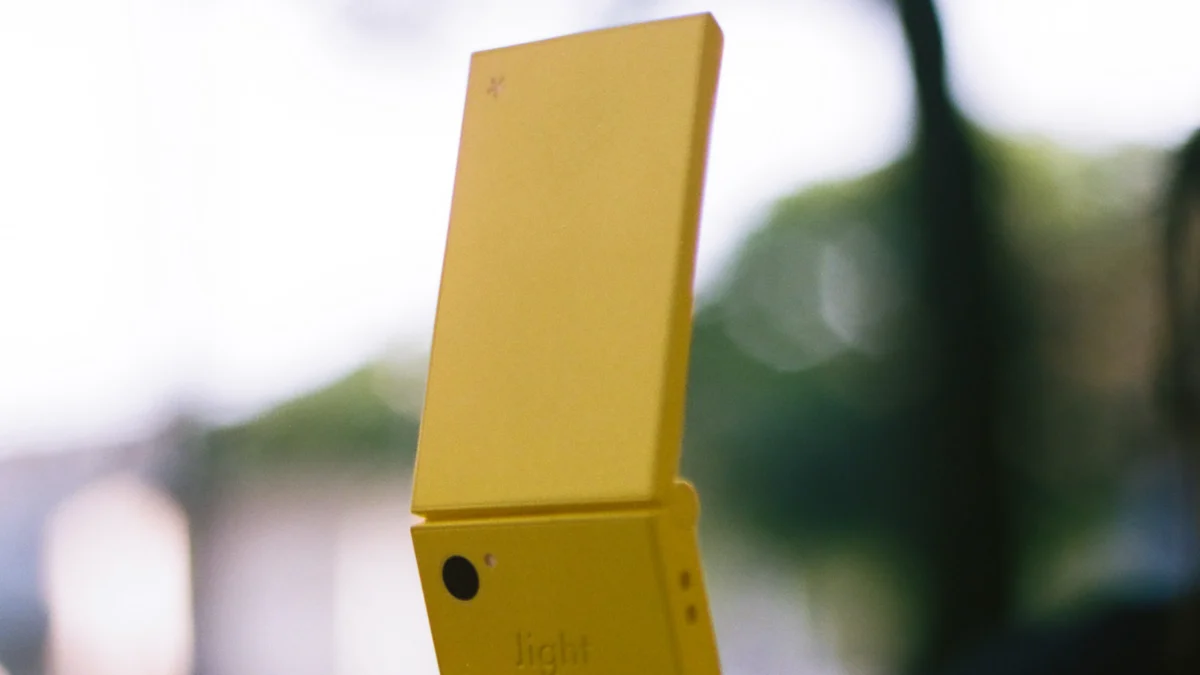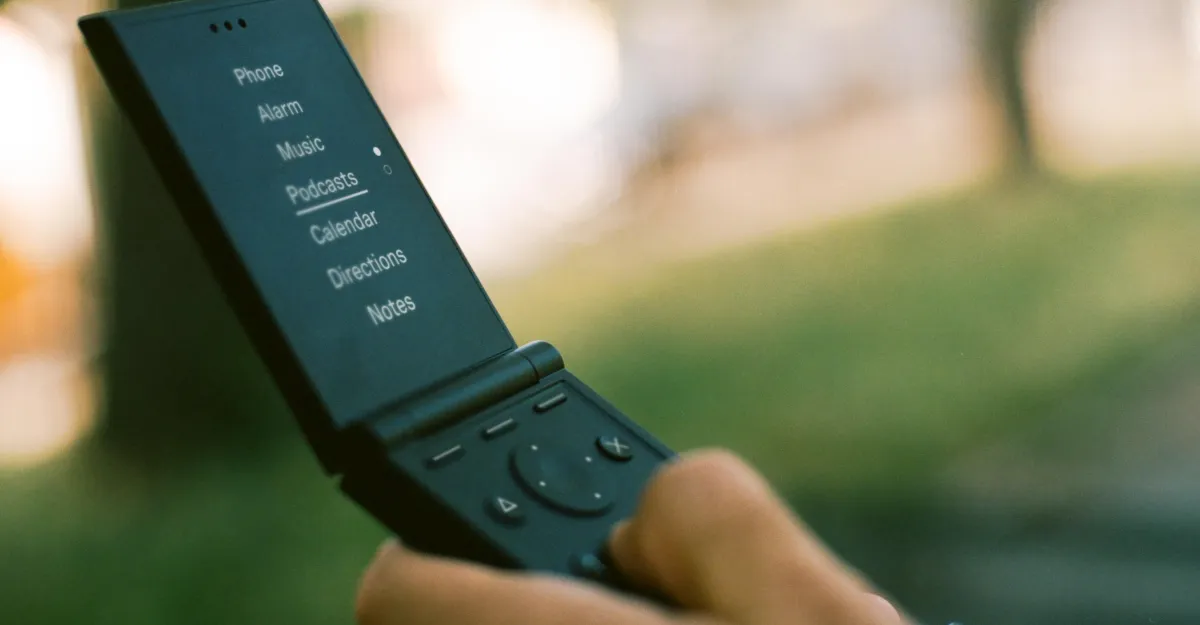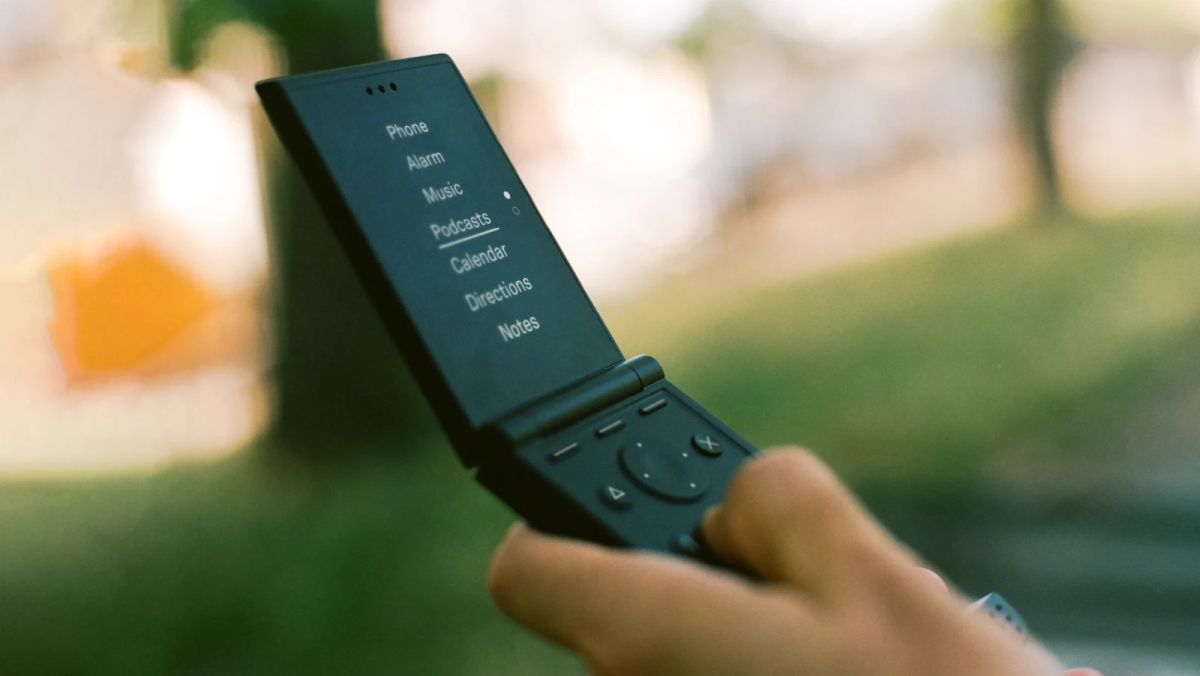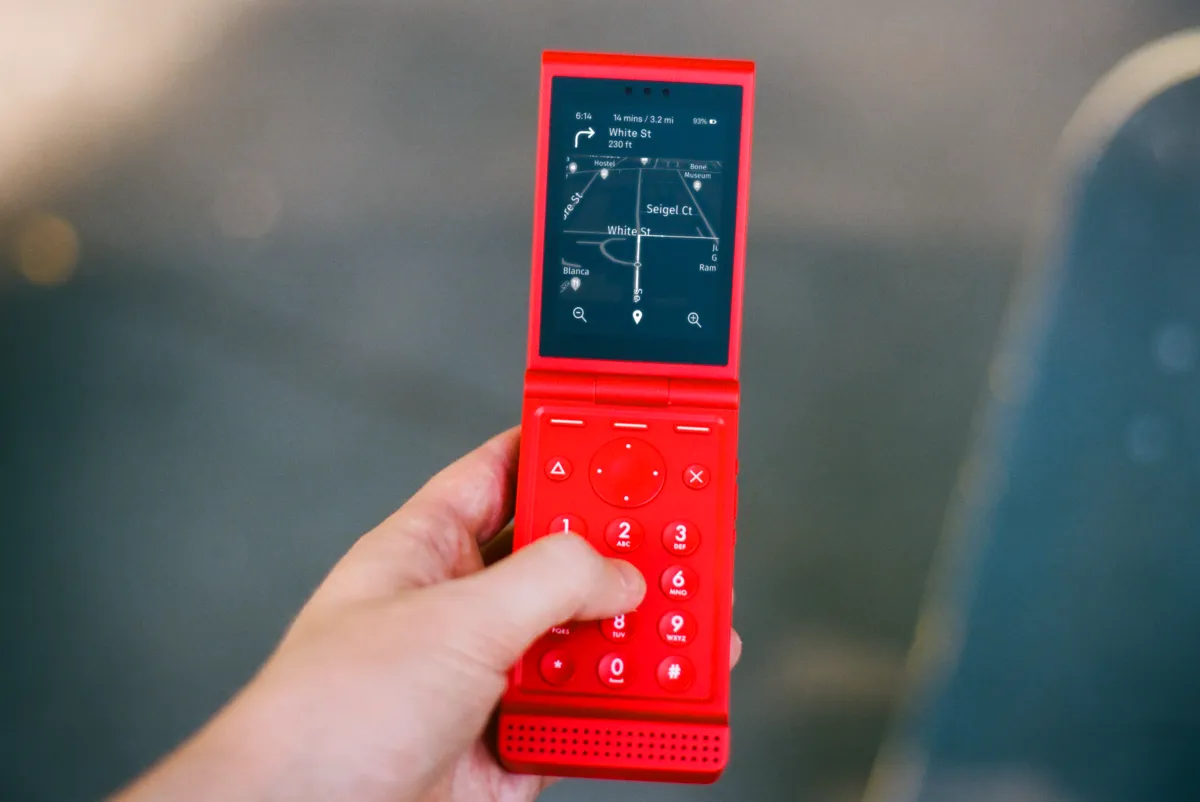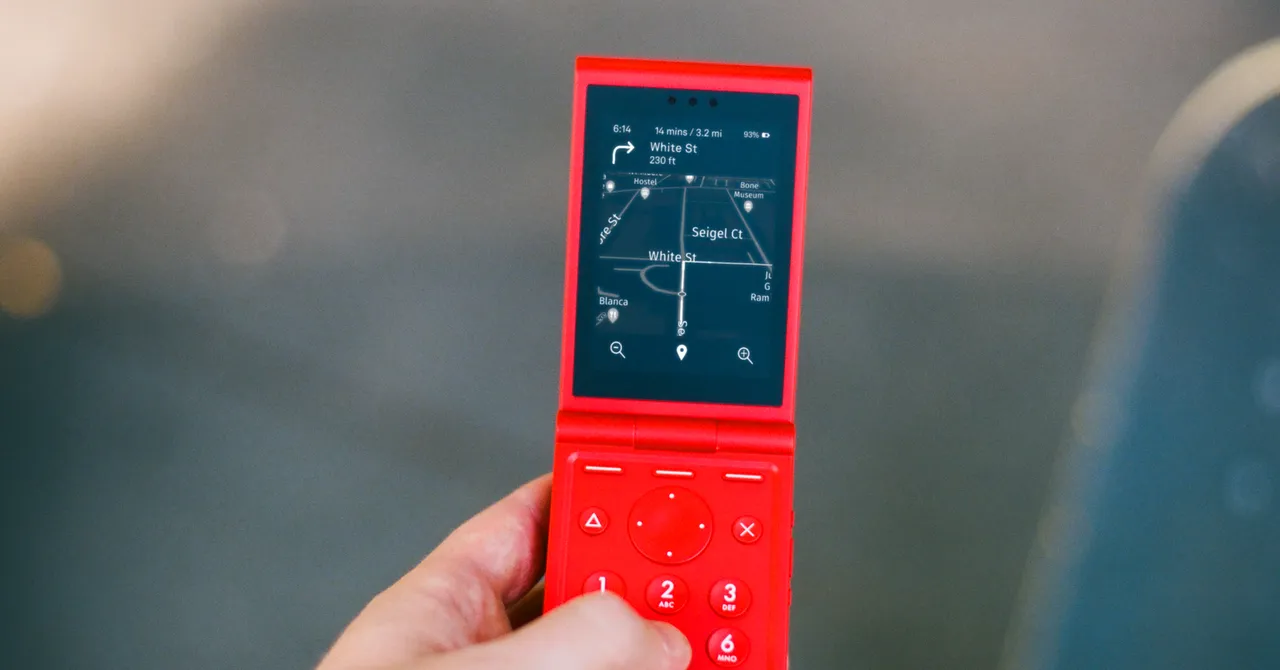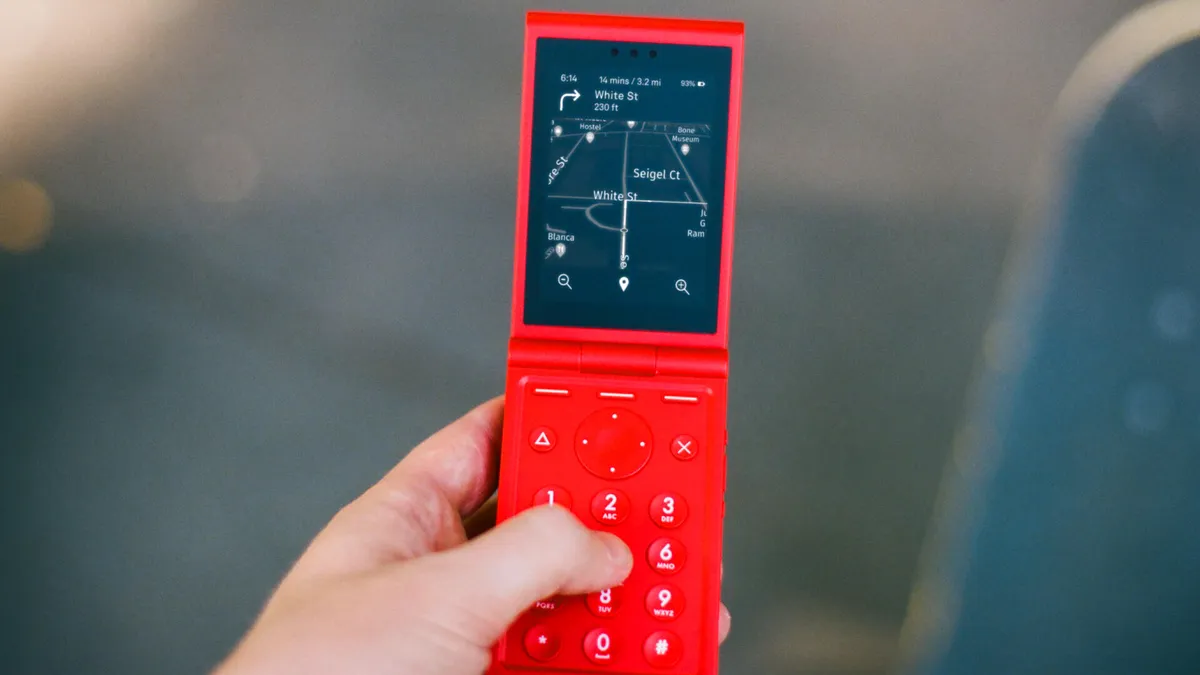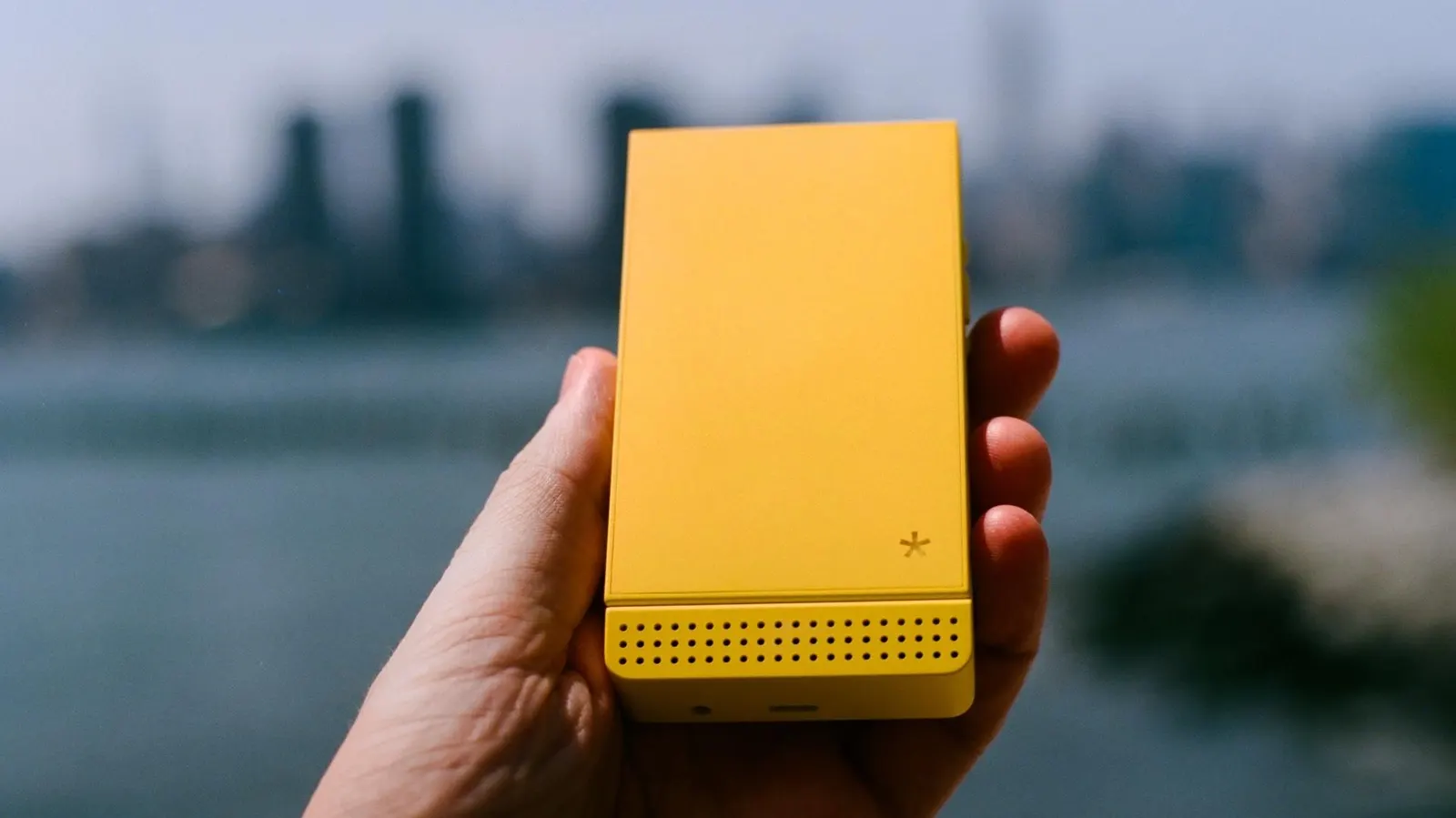
Light Flip in YellowLightWhile the tech world is hotly anticipating next month's Apple event and the unveiling of the iPhone Ultra, the company's first foldable, Light is expanding their tech stack with a folding device of their own. However, unlike Apple's "iPad mini in your pocket," Light is drawing from 90s technology for their inspiration. I sat down with Light co-founders, Kaiwei Tang (CEO) and Joe Hollier (President), to talk about the new device and how it's expanding the company's mission.A Return to Dumb PhonesIt's no secret that there's a growing number of younger consumers that are abandoning smartphones in favor of "dumb" phones. Indeed, market trends indicate that the interest in vintage flip phones has skyrocketed over the past year, beating out foldable phones at a significant rate. People are rebelling against the constant connection and dopamine distraction that smartphones can bring. Flip phones allow them to stay minimally connected digitally, while focusing on "real" connections like phone calls.Old used cell phone on dark backgroundgettyBut there's a dark side to rocking a vintage phone. They're, well, vintage, with all the caveats that brings. These are devices that were cutting edge some 20-30 years ago and the technology reflects that. They're built for, mostly retired, 2G and 3G networks, meaning that just using them as phones is a challenge. Then there's the fact that, even if you get them brand new, these are old devices and aren't as durable as they were when they were manufactured. A common complaint amongst flip phone adopters is that they have to replace their entire device on a regular basis since there's no way to get them fixed or replace parts. MORE FOR YOUThen there's the fact that these "vintage" devices run deeply out-of-date software. If you need modern conveniences like two-factor authentication, audio streaming, or ride-sharing, you're out of luck. The biggest roadblock to migrating to a flip phone from a smartphone, however, is just how difficult they are to type on. The longest month of my life was in the 2000s when I broke my iPhone a month before the new models came out and decided to tough it out and press my recently abandoned flip phone back into service. The tedium and frustration of typing on that phone meant that I spent a month replying to everyone with one-word answers. A Modern Flip Phone That's Far From DumbLight Flip in blackLIghtThe Light Flip is an ambitious device, addressing the issues with vintage flip phones while adopting modern technology without abandoning the minimal tech counterculture movement. It’s a hard balance, creating a no-compromises modern device that still hews to the spirit of 90s flip phones. So what does the Light Flip bring to the table that vintage flip phones can't? The hardware is all modern, with USB-C charging and GPS, bluetooth 5.0, WiFi, and 5G/4G connectivity, plus a headphone jack if you want to keep it old school. It also has plenty of storage with 128GB of RAM. And while the Light Flip isn't going to replace your point-and-shoot camera, its 50m rear camera sensor (the same as the Light Phone III) is quite adequate when it comes to taking quick shots. The 1800 mAH user-replaceable battery might sound underpowered, but given that it's driving a mostly black and white on a device that isn't meant to be constantly used, it's more than enough. Directions appLightIt’s seriously nice-looking as well, adopting the chunky geometry of Light’s other devices, with a matte OLED screen that, of course, folds into a physical keypad. It comes in Black, Navy, Red, Pink, Yellow, and Light Gray, letting you make a statement with your device (or not). "People love the tactile feedback." Joe says about the keypad. "And the predictive text makes typing much more intuitive. It's come a long way from the 90s when you had to press buttons multiple times just to get one letter."The mention of a predictive text algorithm prompted me to ask about AI inclusion to which Joe said "Our customers don't want AI. The approval rate amongst young people is incredibly low. When it's used properly, it can be helpful. But when you lean on it all the time, it's problematic. The predictive text is an LLM that's working for you. And if you'd rather, you can just use voice to text, which is even better on the Flip than it is on the III."But while texting is important, "calling is still superior," says Kaiwei. “The Flip is made to prioritize calling people to connect with them.”Modern OS and Developer ProgramLightOS has all the utilities you need in a modern deviceLightLike the III, the Flip runs the excellent custom-built LightOS, which provides basic productivity and communication apps, along with a few extras like listening to music, podcast streaming, and taking notes. New for the Light Flip (and coming to the Light Phone III) are Light-approved apps created by the community through their Developer Program. These will be carefully vetted by Light to ensure they introduce helpful options rather than "distraction" apps like social media. Opening up LightOS to the community was a leap of faith for Joe and Kaiwei. I asked if they're concerned that the Flip (and eventually the III) could become a distraction machine? "Absolutely not" Kaiwei says. "'There will still be rules in place to keep things like social media off Light devices. However you can expect more modern necessities like ride sharing and pay apps, things the community values. The point isn't to separate you from modern technology but to get you to stop using your phone as a dopamine generator." Joe continued, "We see it like quitting cigarettes or alcohol. When you can't interact with your phone to entertain yourself, it reverts back into a tool."Light wants to encourage you to put your phone down more.LightEven the simple action of closing the phone factors into how Light sees the Flip as a part of your everyday usage. "You're putting it away," says Kaiwei. "It's like closing a laptop or placing your iPhone face down on the table. It's a physical reinforcement."To further push the needle on "quitting" your smartphone, Light will be releasing a fortnightly "Flip Your Life" newsletter encouraging Flip preorder customers to do a digital audit and providing tips and further reading on how to adopt a lower tech lifestyle. The company isn't stopping there. Light is working with school districts to get Light phones in the hands of students so that they can stay connected without introducing disruptive technology into the classroom. They're hoping that it will provide an inflection point for young users who have smartphone-induced anxiety. Pricing and PlansOne of the most attractive things about the Flip, however, is its price. At just $39 per month through Light's service plan or $299 when purchased outright, it's a relative bargain for anyone who's been through several rounds of replacing their vintage flip phone. As a bonus, the Flip is engineered to be easy to repair. It's meant to be a device that you keep and maintain rather than use up.Unlimited service starts at $25 a month via Light's virtual carrier, just like with its other devices. It piggybacks on bandwidth from other major carriers, so coverage should be smooth no matter where you are in the US (international plans are not part of Light's service). That said, there are no long-term contracts and you're welcome to bring your own SIM from a carrier that supports the Light Flip — including T-Mobile, Verizon, and AT&T.You can pre-order the Light Flip in your choice of six colors right now from the Light website. April ship dates have already filled up but May shipments are still available.
The Light Flip Is A Modern Phone In A Vintage Package
Light is back once again with a device that their users have been clamouring for: an old school flip phone with modern sensibilities.
1,282 words~6 min read