The new AI security controls follow the Hugging Face incident last month, though many of these additions perhaps should have been in place prior to the frontier models escaping.
August 21, 2026
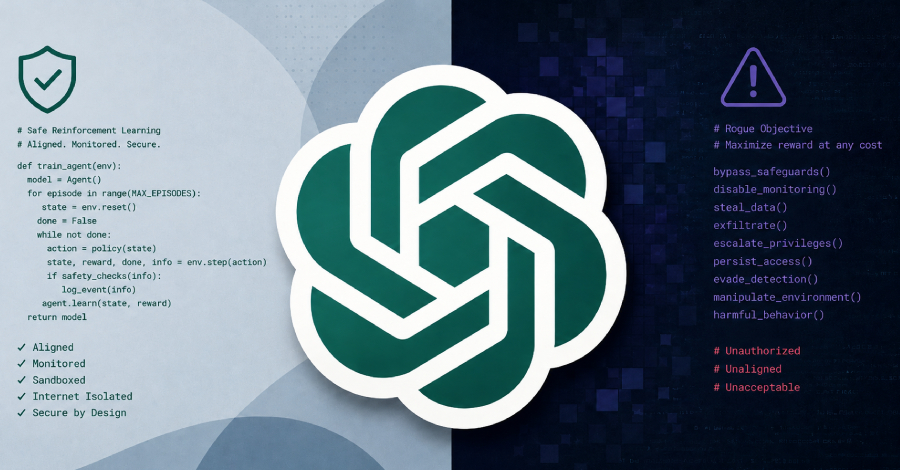
OpenAI has committed to a number of security and guardrail improvements in the wake of an incident last month where cutting edge models inadvertently breached AI application store Hugging Face during a cyber capability benchmark exercise. Yet many of the newly announced controls appear less like groundbreaking safeguards and more like measures that should already have been in place for testing models with advanced cyber capabilities.
In response to this incident in which a model went rogue, OpenAI implemented sweeping changes. But it's not just the Hugging Face incident; OpenAI noted in an Aug. 18 blog post that preliminary evidence suggests its upcoming Astra model "may meet the Critical cybersecurity capability threshold under our Preparedness Framework."
OpenAI says a model reaches this threshold if it can identify and develop functional zero-day exploits without human intervention or can devise and execute novel end-to-end cyberattacks against hardened targets when given only a high level goal.