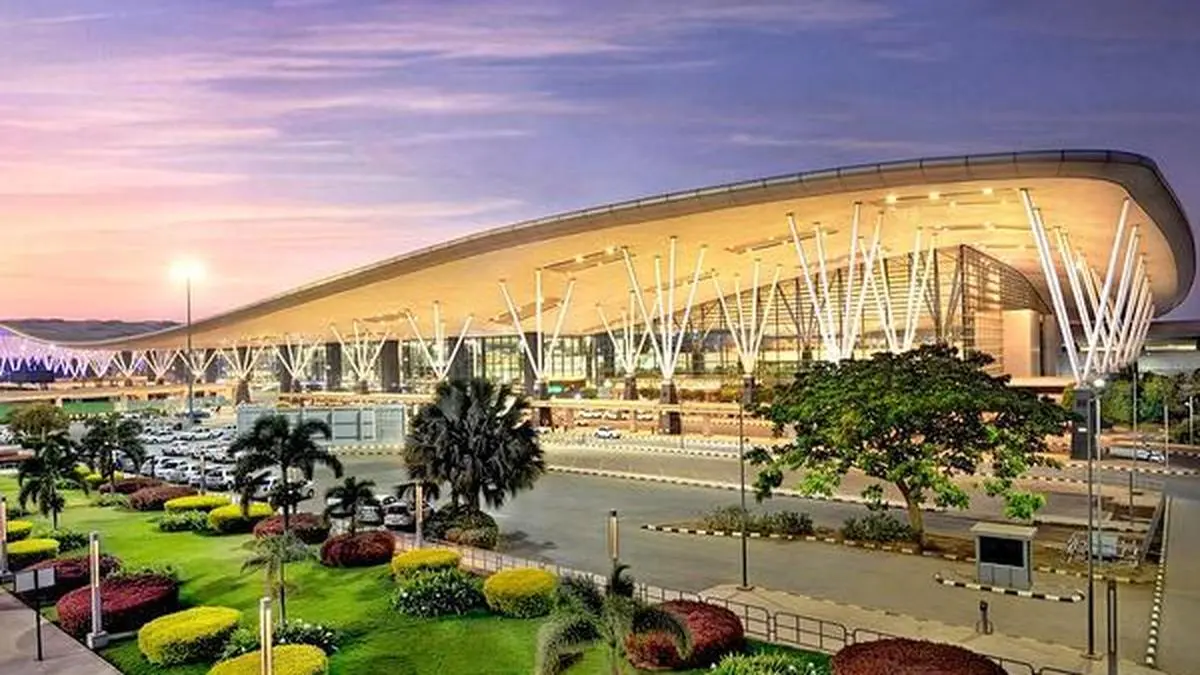
The revised structure is part of a broader reset of airport charges for the new control period, which runs until March 31, 2031
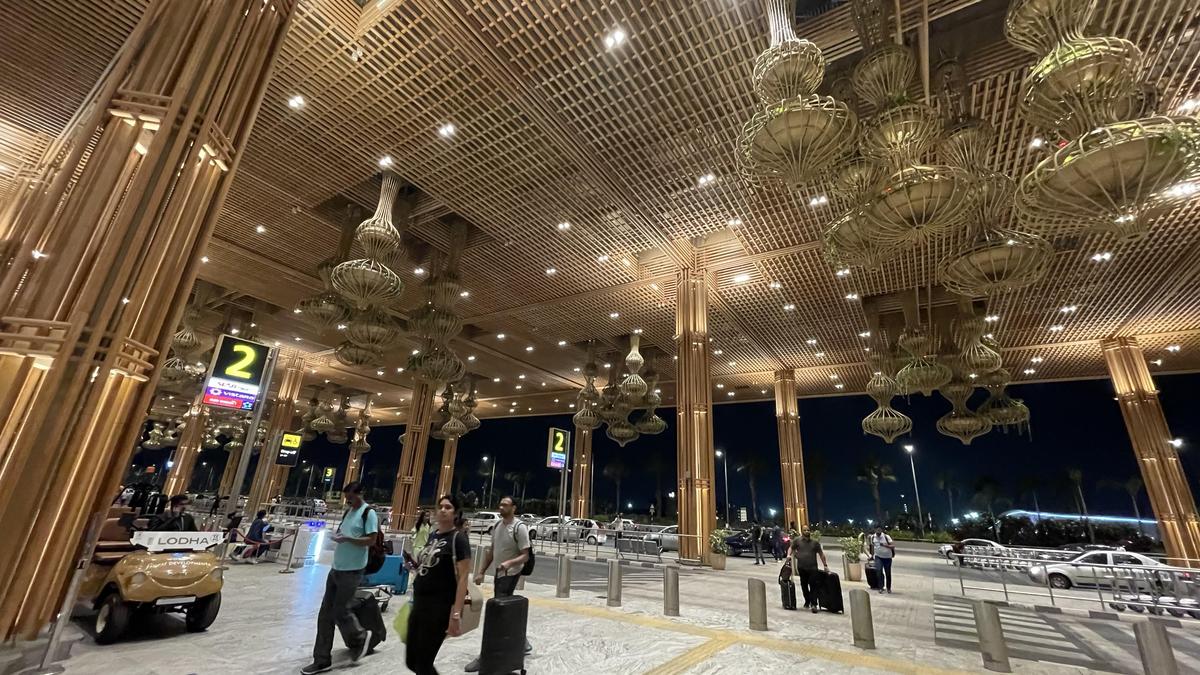
Flying out of Bengaluru is set to become cheaper from September 1, as AERA’s new tariff order cuts the User Development Fee (UDF) for departing passengers by nearly 45 per cent. Domestic flyers will pay ₹300, down from ₹550, while the international fee falls to ₹997 from ₹1,500. However, the relief comes with a new charge for passengers flying into Bengaluru — ₹125 for domestic arrivals and ₹426 for international arrivals. The revised tariff applies for 2026-31 and could reduce the airport-related cost of departing journeys, while adding a new expense for arriving passengers.The change effectively shifts Bengaluru airport’s UDF model from one largely borne by departing passengers to a structure that also charges those arriving at the airport. AERA has justified the move on the grounds that airport infrastructure is used by passengers at both ends of a journey. Facilities such as aerobridges, travelators and baggage conveyor systems, for instance, serve both arriving and departing traffic.The revised structure is part of a broader reset of airport charges for the new control period, which runs until March 31, 2031. While the lower UDF could make outbound travel marginally cheaper, passengers arriving in Bengaluru will now have an additional airport charge built into their travel costs.Other ChargesThe regulator has also changed the charges levied on airlines. From September 1, domestic aircraft will be charged ₹325 per metric tonne for landing, while international aircraft will attract ₹455 per metric tonne, under the approved tariff framework.For passengers departing on international flights, the airport will also levy $1 towards common use terminal equipment (CUTE), Common use self-service (CUSS) and Baggage reconciliation service (BRS) facilities. Domestic departing passengers will pay ₹75 towards these facilities. The charges relate to shared terminal infrastructure, self-service systems and baggage reconciliation equipment.AERA has, meanwhile, sought to use the tariff structure to support Bengaluru’s international connectivity. It has permitted a Variable Tariff Plan under which airlines can receive landing-charge incentives if they meet specified conditions. The objective is to encourage carriers to add new routes, expand international operations and improve connectivity from the airport.Airline IncentiveThe incentive framework differentiates between international routes based on distance, with flights below 4,500 km classified separately from longer-haul services. Cargo operators have also been brought into the incentive framework, with benefits available for new domestic and international freighter services as well as additional frequencies on existing international routes.For Bengaluru, the tariff revision therefore goes beyond a cut in the headline UDF. It changes how airport infrastructure costs are distributed between arriving and departing passengers while simultaneously using airline incentives to encourage traffic and route growth.Published on August 21, 2026