New Delhi: Orders issued by Punjab Police to block a user’s posts on X alleging extrajudicial killings had no basis in law, X Corp has told the Punjab and Haryana High Court, in a reply that also puts on record a purported WhatsApp screenshot police wanted removed—in which the state’s police chief is shown replying to a message supposedly about encounters.
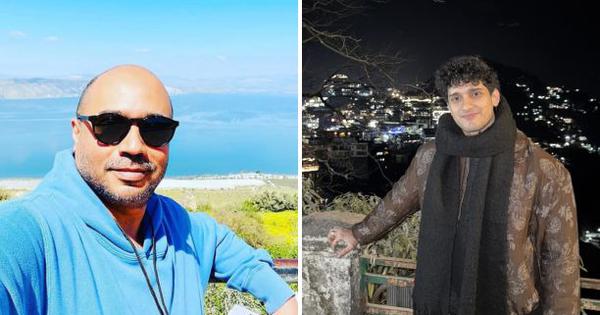
The reply was filed in Nikhil Saraf vs X Corp and Others. Saraf, who writes on police and jail reform, moved the court after his account was blocked, and named X, the state of Punjab and Punjab Police as respondents.X argued the petition is not maintainable against it, since it is not “the State” under Article 12 of the Constitution, and that the relief Saraf seeks runs not against the platform but against the State of Punjab and the Punjab Police. It can be granted, X says, by quashing the police’s blocking orders.
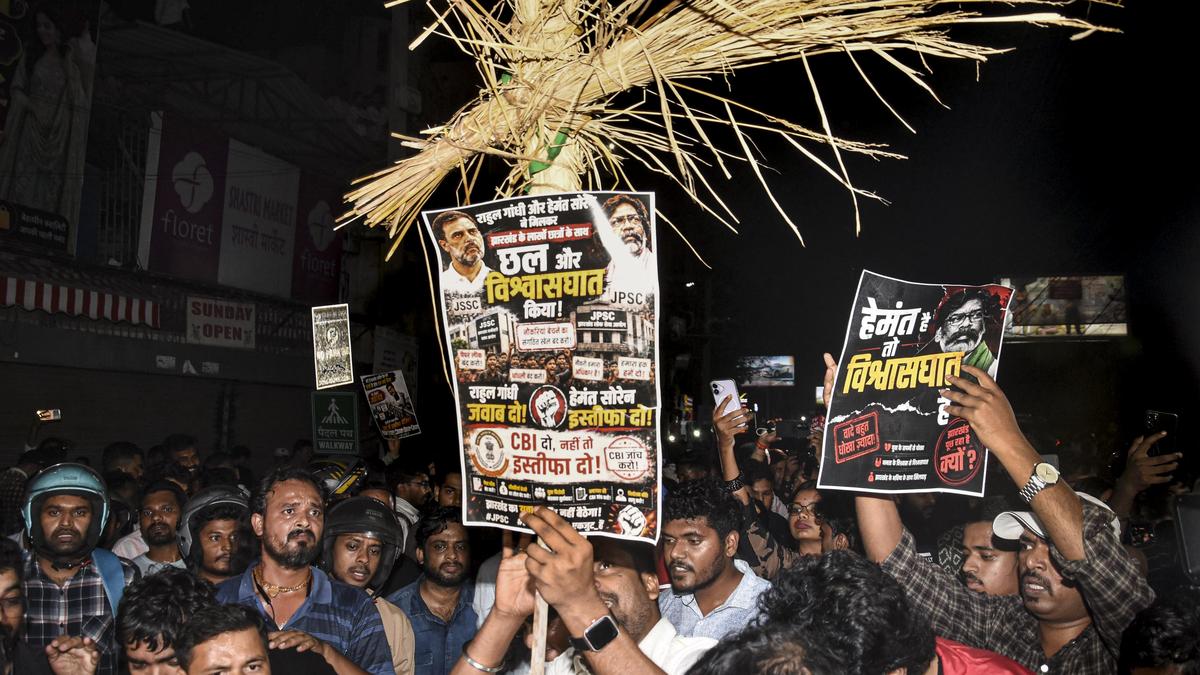
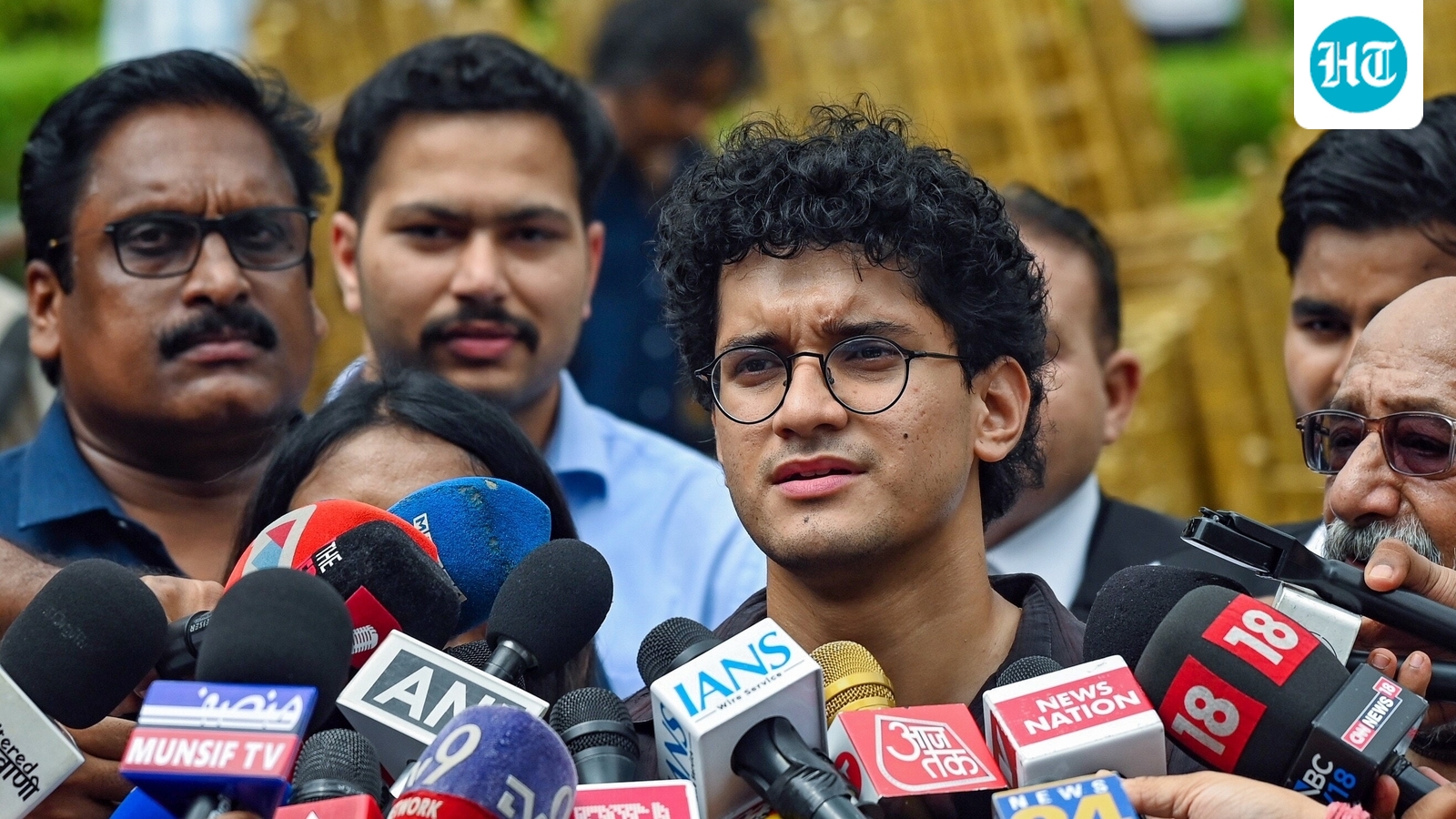
Between late July and early August last year, the Cyber Crime wing of Punjab Police directed X to take down a run of Saraf’s posts, under Section 79(3)(b) of the Information Technology Act. Comply or lose the exemption that shields platforms from liability for what users post or face prosecution, the orders said.X blocked the account, and lifted the block only after being served with Saraf’s petition, months later.Among posts the police wanted removed were one on a reward the force had announced for officers after an encounter in Patiala, a post and video on a policeman’s conduct towards a citizen, and one carrying a screenshot captioned “Police Chiefs Group”.That screenshot now sits in the court file. Messages attributed to “Dgp Gorav Yadav Sir” reply to an officer named Md Sarfaraz Alam, of Barnala. Gaurav Yadav is the Director General of Police, Punjab, and Sarfaraz Alam the Senior Superintendent of Police, Barnala. “Well done Sarfaraz,” reads one message; another, “Some Districts have zero encounters or very few”; a third, “Please don’t be on a slippery wicket.” Saraf, in his post, asked whether the police chief “had ordered Extra Judicial killings” and whether the screenshot was “Geniune (sic) or Manipulated.”The police called it a forgery, saying in their order that the screenshot “appears to be intentionally fabricated”.At the heart of X’s reply is who may order a post taken down. That power lies with a designated officer under Section 69A, X argues, used after the safeguards the Supreme Court set in Shreya Singhal v Union of India, or with a court.Section 79(3)(b), the provision the police used, is an exemption for platforms and carries no power to block. In its reply, X said that by reaching for Section 79(3)(b), the police sidestepped Section 69A.The police cannot pass a blocking order at all, X added, citing a Bombay High Court ruling that “neither the State nor its police force can issue a blocking order”.On the defamation the orders alleged, it said the force had no standing, defamation not being a cognisable offence. Nor, it argued, can a writ be maintained against a platform that is not “the State”.The Punjab orders are not the only takedowns to draw scrutiny. Weeks earlier, after protests by the Cockroach Janta Party (CJP), the Delhi Police sent notices to Facebook, Instagram, YouTube and X, and users reported posts on the crackdown being removed or restricted, through notices that, reports said, may have used Section 79(3)(b) or Section 69A.The question now rests with the Supreme Court.After the Karnataka High Court upheld the Union government’s Sahyog portal and the use of Section 79(3)(b) to route takedown notices, X appealed. The Centre has since moved to bring that case, and challenges by DigiPub, Kunal Kamra and Haresh Jagtiani, before the court together. The bench weighing that plea is headed by Chief Justice Surya Kant, whose remark, later clarified, likening some social media activists to “cockroaches” gave the viral movement its name.Saraf’s posts trace back to Jaspreet Singh who died at Nabha during the rescue of a kidnapped child. His parents say he was unarmed and the encounter staged, and the DGP announced a reward and promotions for the officers.Edited by Amrtansh Arora