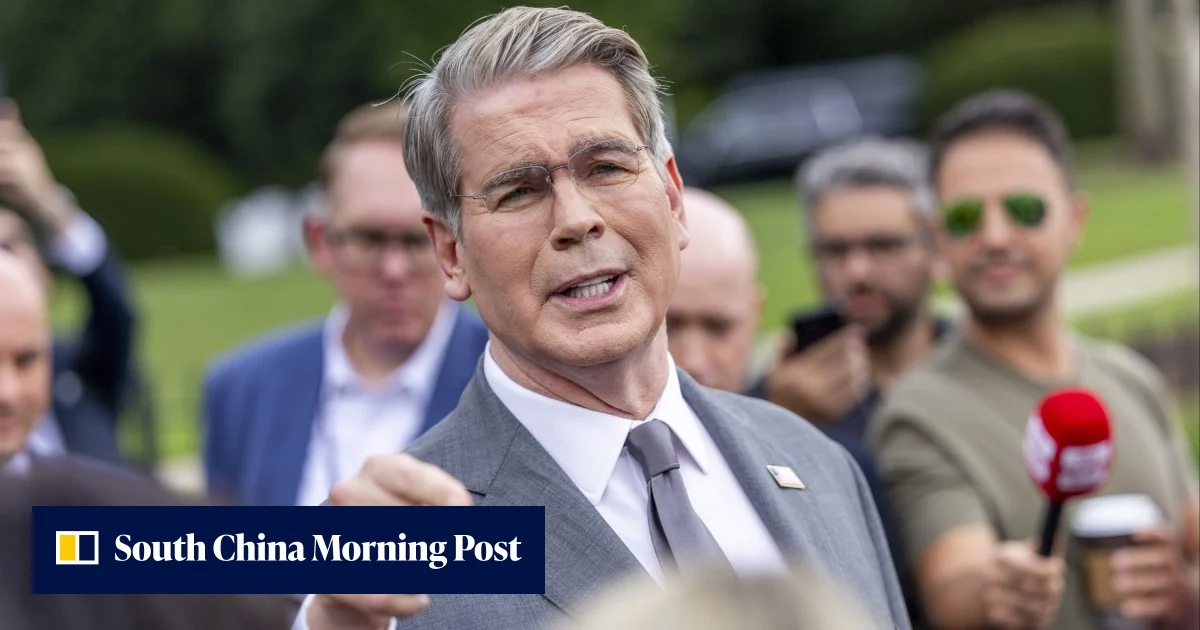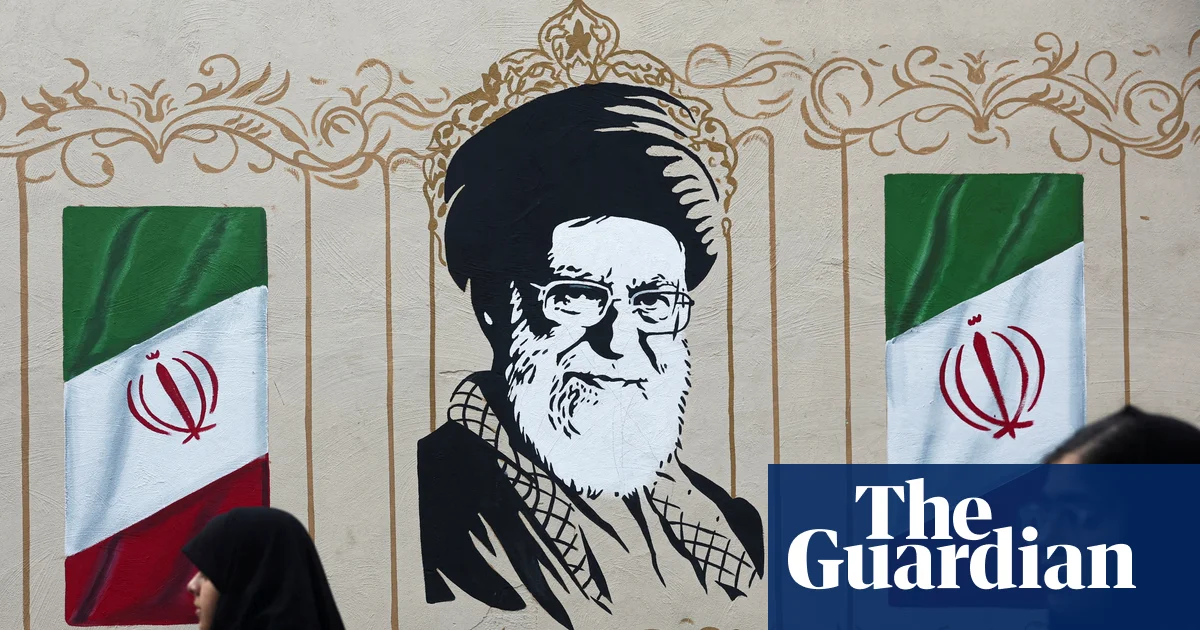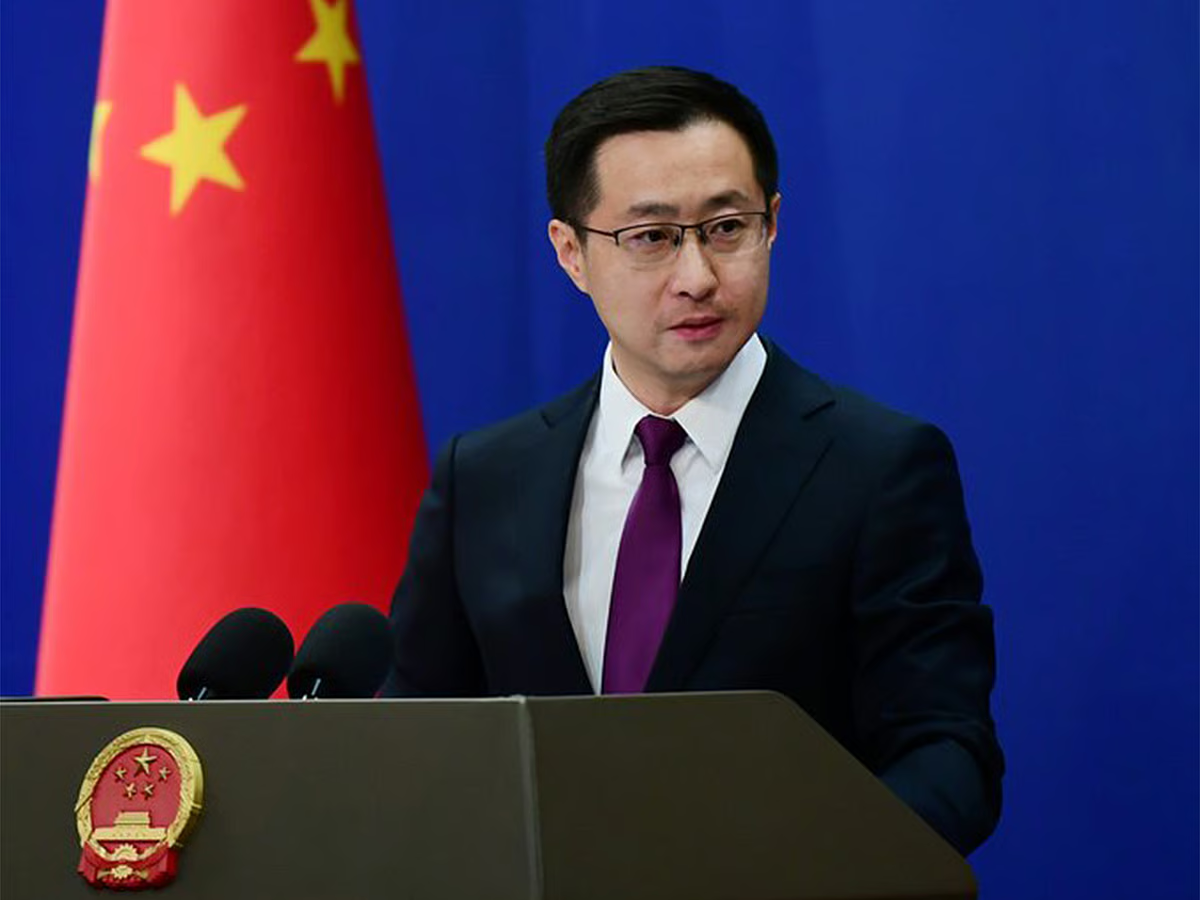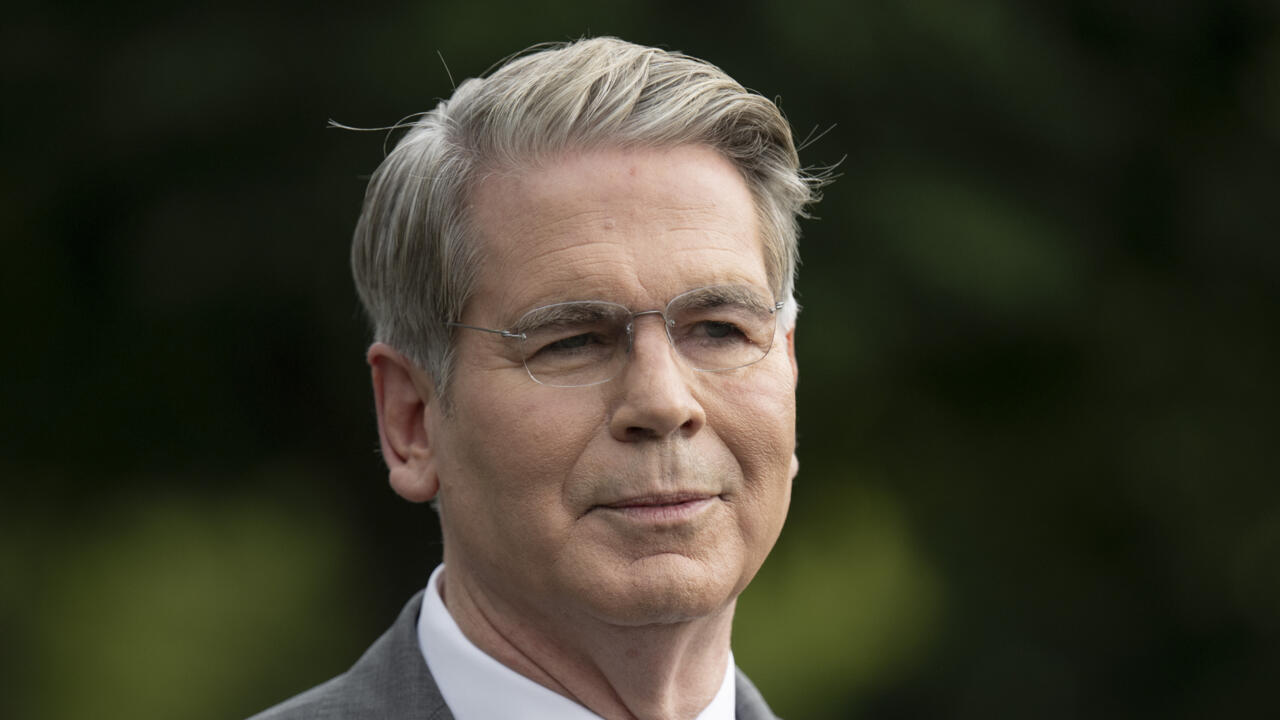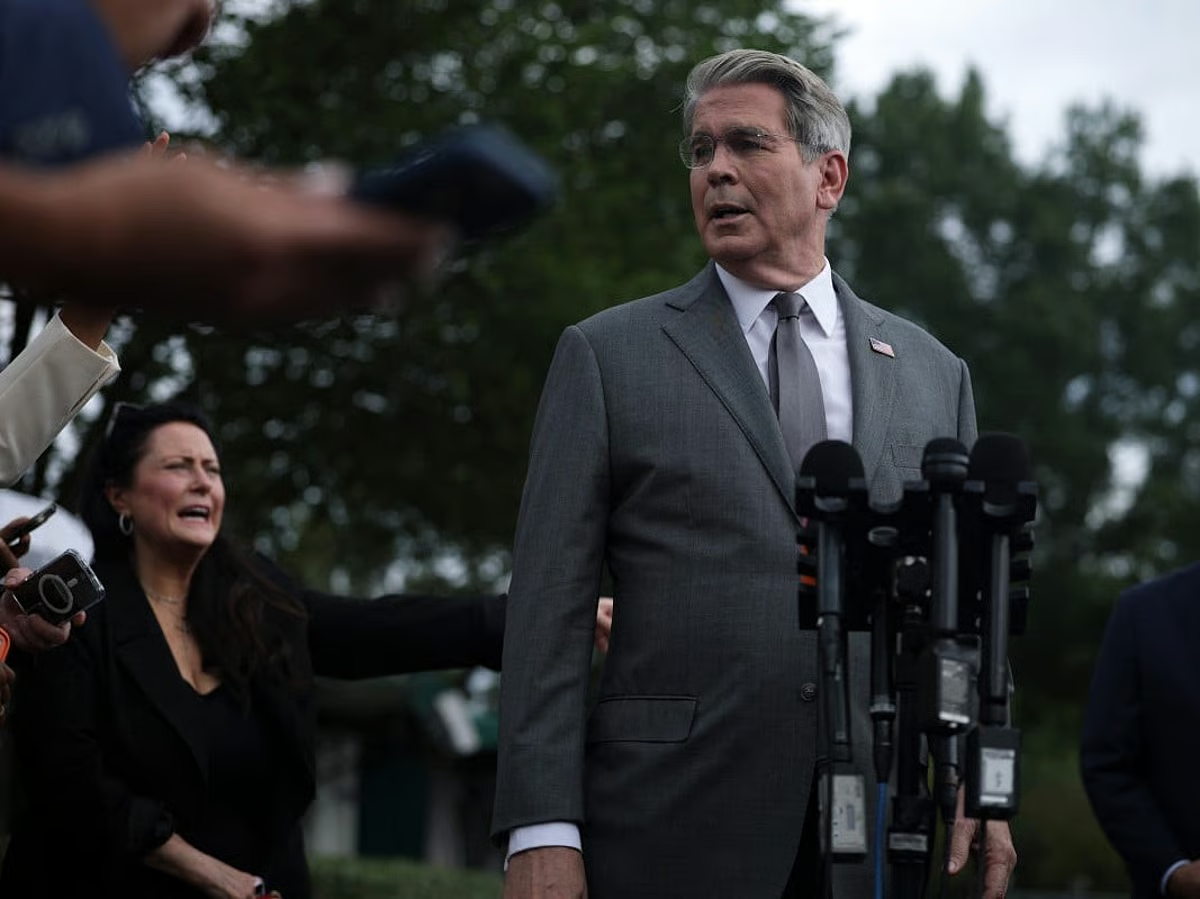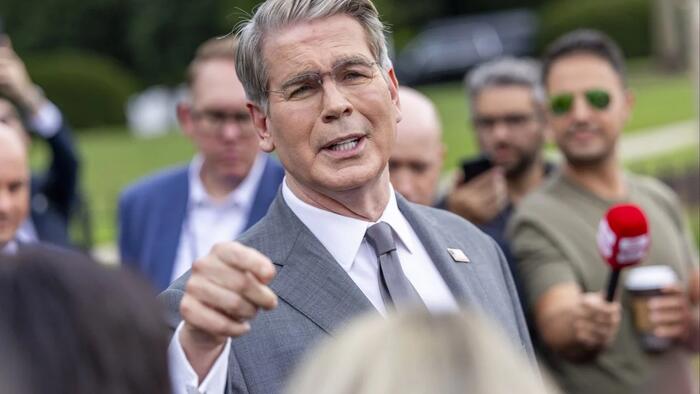
China has firmly rejected Washington's call to join in implementing US sanctions to "squash" Iran's economy, pushing back against Trump administration pressure to be part of the "toughest sanctions in history" which has marked a new phase of conflict focused on extended economic warfare, as a military solution is seen as increasingly unrealistic and unlikely."Regarding the Iran issue, sanctions and pressure do not help resolve the problem," Reuters quoted a representative of the Chinese Embassy in Washington as saying. The White House's new plan is to include heavy reliance on international pressure on external countries to impose extreme isolation on the Islamic Republic.Chinese foreign ministry spokesman Lin Jian said the same to reporters Friday in a regular briefing. "China calls on all relevant parties to take responsible measures and resolve the problem through political and diplomatic means," he said.Asked specifically about the latest comments of US Treasury Secretary Scott Bessent, Lin emphasized the need for all parties to take "responsible measures" in resolving the war. "China opposes illegal unilateral sanctions that have no basis in international law and are not authorized by the UN Security Council," Lin said.via EPABessent had on Thursday told CNBC: "It is a one-two punch. We have the blockade (on Iran), and we are going to have the toughest sanctions in history." He then vowed, "It is going to work in Iran and we are going to collapse this regime."He further invoked some (infamous) words of President George W. Bush issued to allies in the wake of the 9/11 attacks. "You are either with us, or against us," Bessent said in the interview. "This is going to be the greatest coordinated economic isolation in the history of the world."Such back-and-white rhetoric is very unlikely to sway the Chinese, given also that of course they know what happened next after that original proclamation by Bush - American forces got stuck in no less than two quagmires in the Middle East, Afghanistan and Iraq, in what came to be viewed cynically as 'forever wars'. What's more as the blowback in Baghdad was pretty immediate, as a key unintended consequence of the US regime change war was the ascendancy of pro-Iran Shia politicians ruling Iraq. Beijing is all too aware of the US score card in the region, even as Washington decision-makers continue ignoring the glaring lessons of recent history.Bessent seemed perplexed at the reaction in oil prices on Thursday, while he also said that discussions with Beijing would be best done in private:"I think oil markets are misinterpreting what this economic pressure means," Bessent said on Thursday. Oil prices climbed to more than three-week highs on Thursday."We have asymmetric information, and I'm not sure why oil has popped up on this," Bessent said. "If we are doing the maximum economic pressure, then that means that likely there will not be a large-scale kinetic restart."When asked if the U.S. could target China for doing business with Iran, Bessent said many conversations were best to have in private."We are confident that everyone wants the Strait (of Hormuz) reopened, and for energy prices to come back down," he continued. "Keep in mind that the Chinese get 50% (of their) energy from inside the Gulf. So it would do them a big service to get with the program."Still, Bessent has been busy doubling-down on Trump's message shift this week (opting for an economic siege warfare 'solution' as after military strategy hasn't gone so well)...Any remaining tie to Tehran will hasten a nation's economic oblivion, whether that tie be purposefully constructed or willfully ignored. pic.twitter.com/T3vticluAg
China Firmly Rejects US Demand To Back Its 'Most Crushing Economic Operation' Against Iran
Big question ahead of historic Xi visit: "Is WH willing to prioritize this new economic warfare campaign above its China relationship?"
1,037 words~5 min read