Read The Diplomat, Know The Asia-Pacific
The arrest of Burmese-American scholar U Min Zin highlights China’s determination to ensure its role in Myanmar doesn’t come under scrutiny.
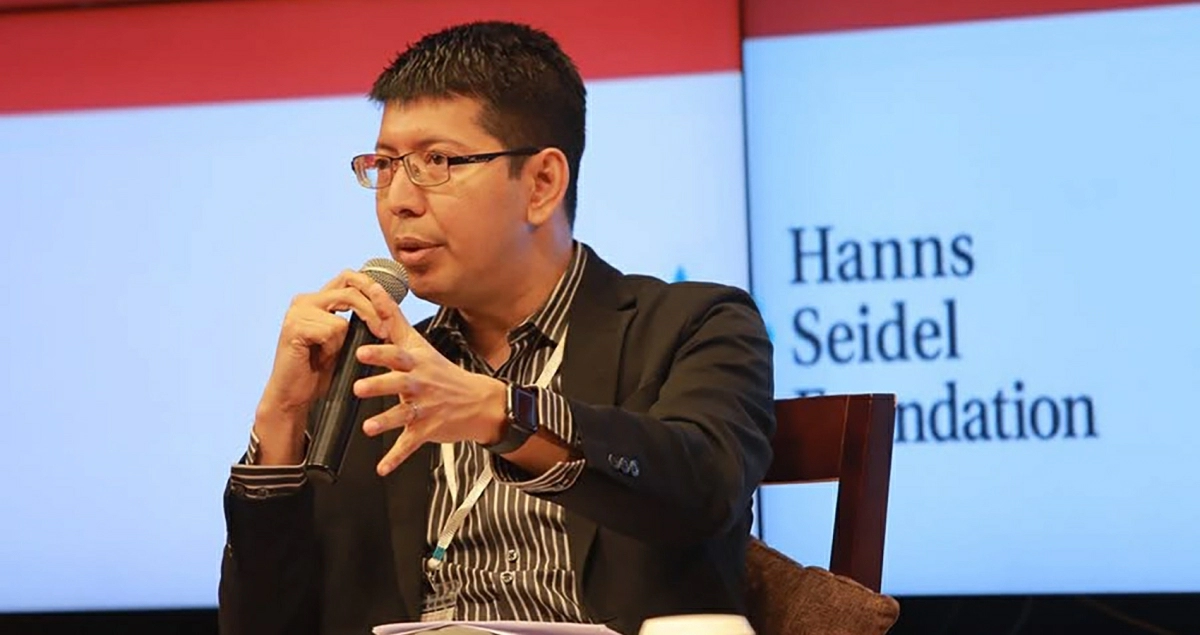
On June 3, Burmese-American scholar U Min Zin disappeared in China’s southwestern province of Yunnan, where he was set to attend an academic conference. On June 12, shortly before Myanmar’s ruler, Min Aung Hlaing, arrived in China for a state visit, Chinese Foreign Ministry Spokesperson Lin Jian confirmed that Zin had been arrested and accused of endangering Chinese national security. No further details were provided.
On August 20, the U.S. State Department officially classified Zin as “wrongfully detained.” Assistant Secretary of State for Global Public Affairs Dylan Johnson pledged that the U.S. government “will continue to advocate for Mr. Zin and call for the release of all U.S. citizens who are arbitrarily detained or exit banned in China.”
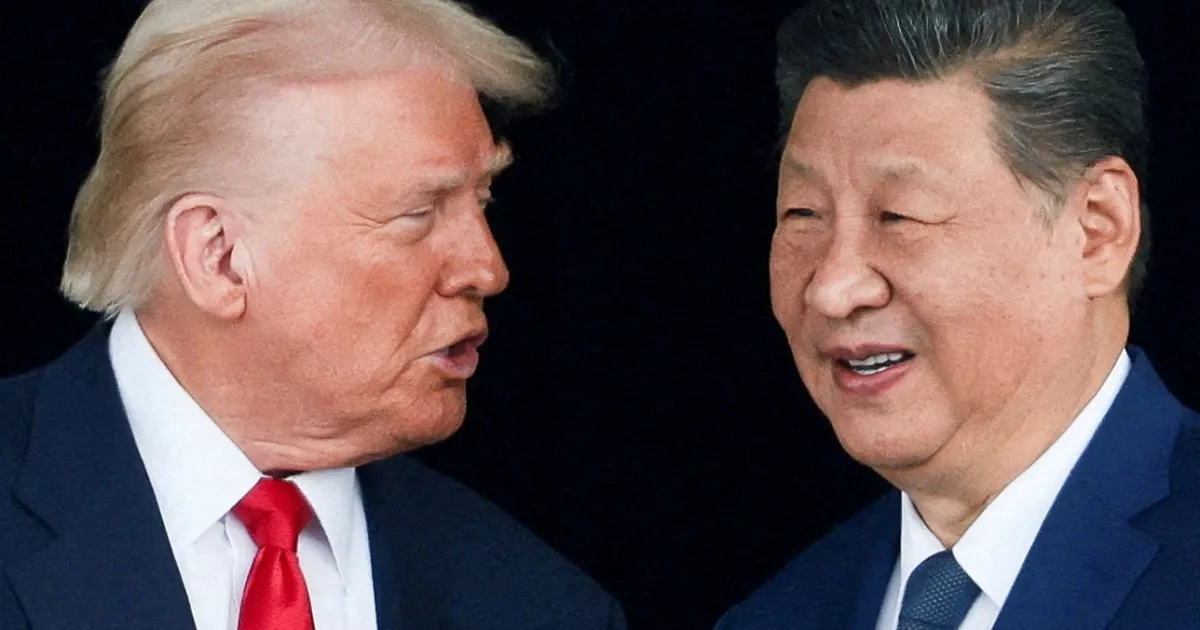
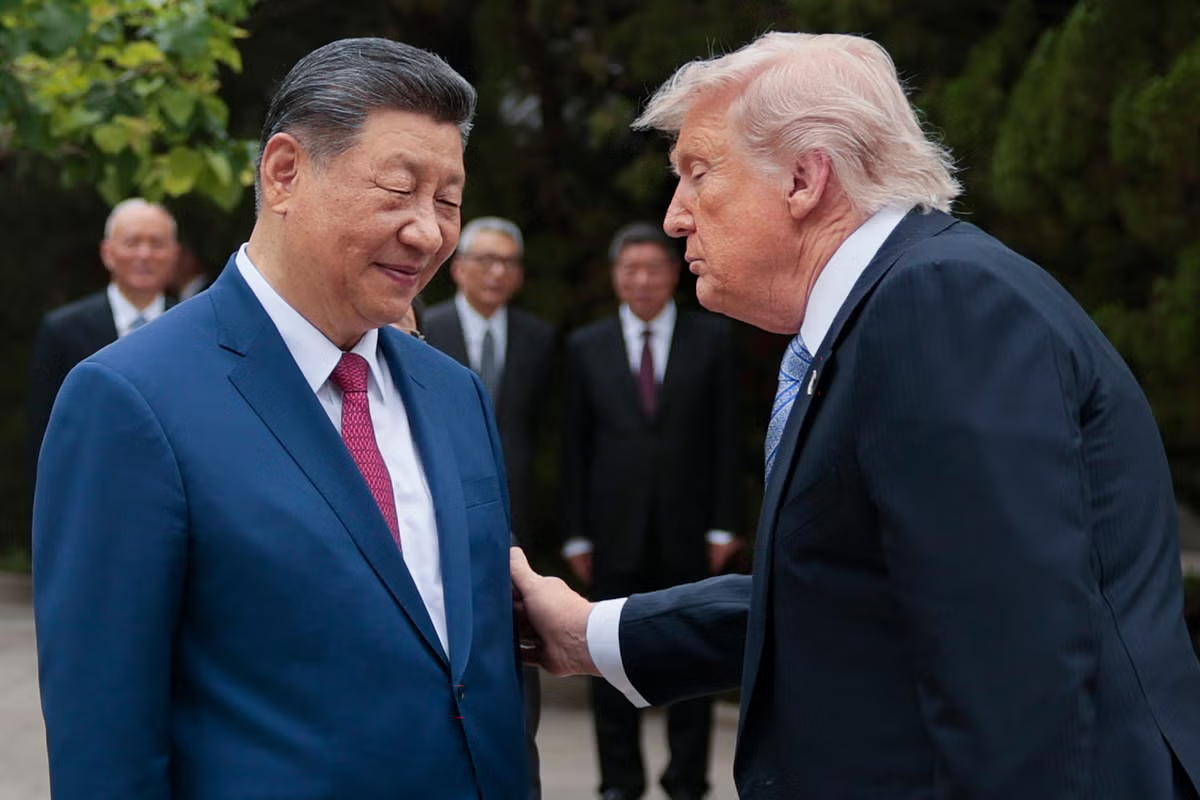
Zin runs the Institute for Strategy and Policy-Myanmar, a think tank in Thailand that is critical of Myanmar’s military government and the 2021 coup that brought it to power. Initially, the arrest of Zin, a U.S. citizen, may seem like another attempt by Beijing to engage in hostage diplomacy and gain the upper hand in any potential negotiations with the United States at the September summit between Xi Jinping and Donald Trump. But Beijing’s arrest of Zin actually has more to do with Myanmar itself. China wanted to remove a potentially destabilizing variable from the already unsteady foundations of Chinese investment in Myanmar, which is key to Beijing’s economic strategy in Southeast Asia.