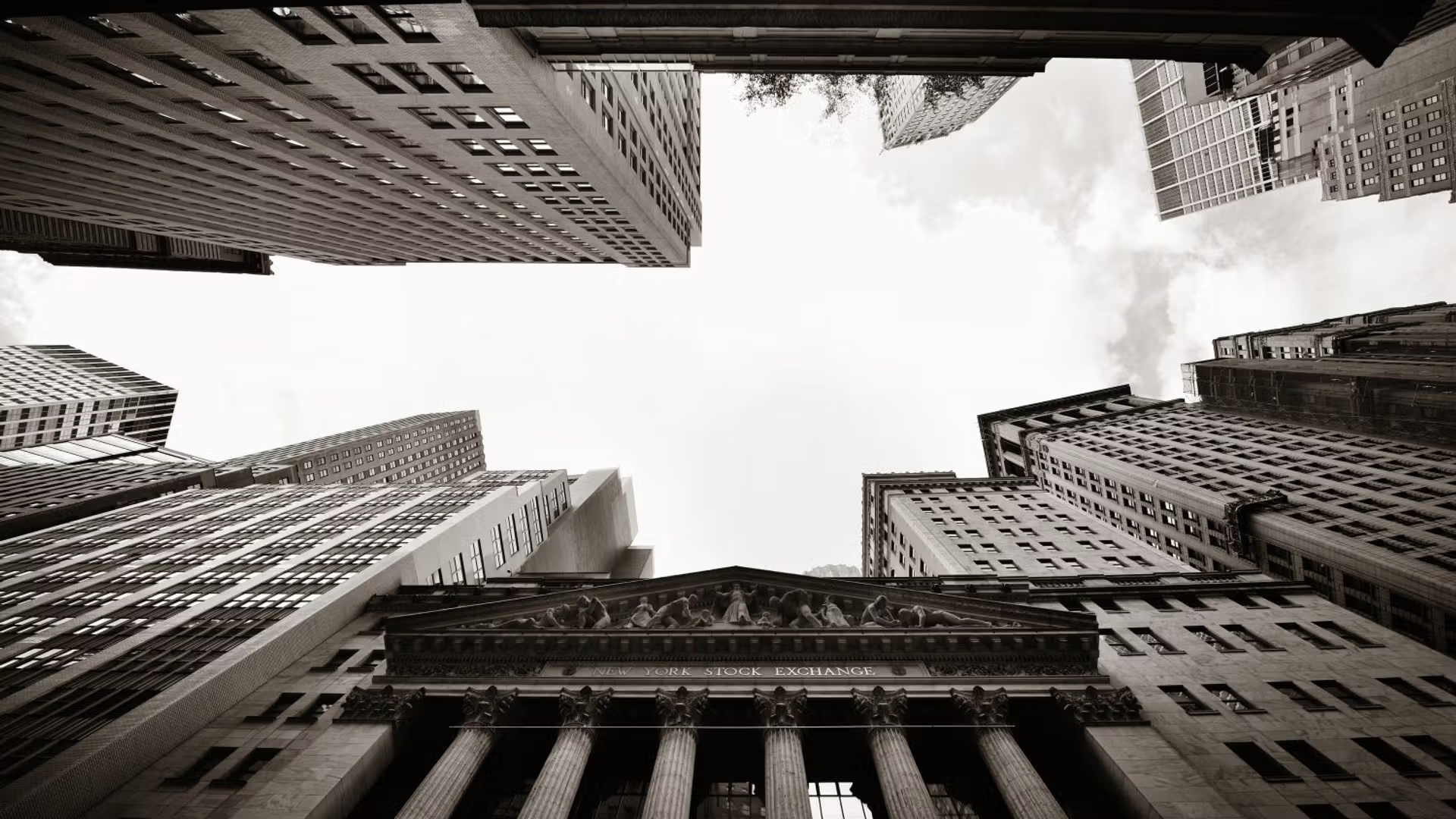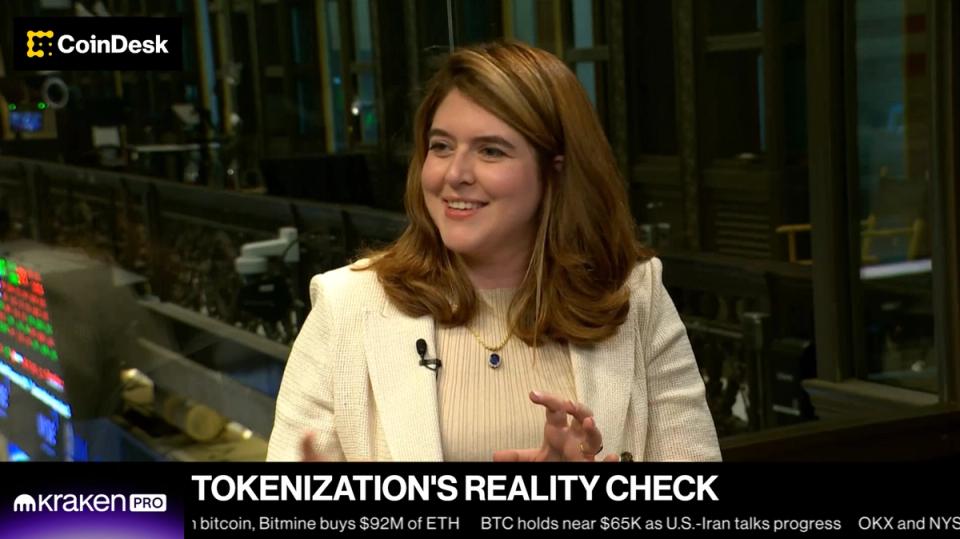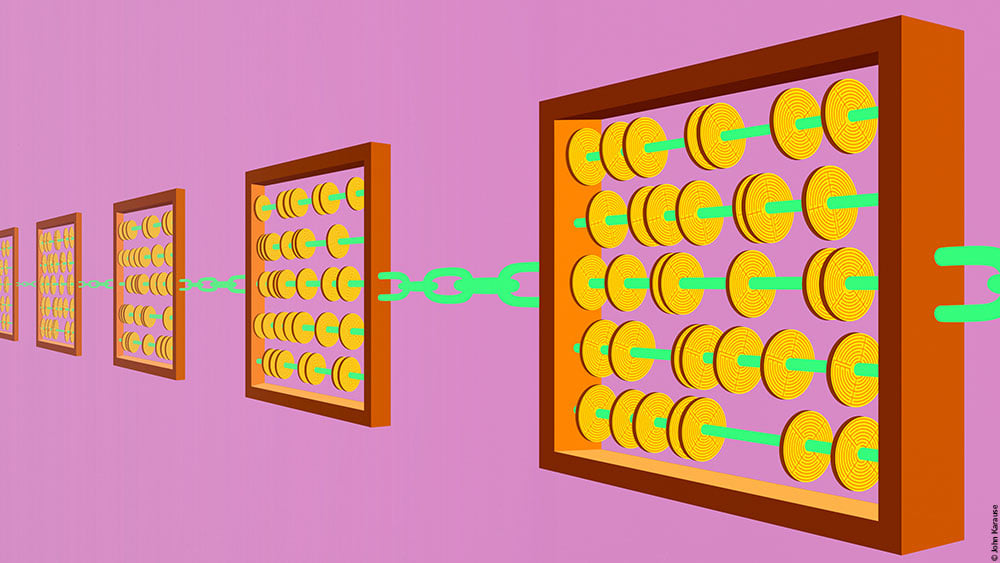
Federico Sendra, CEO and cofounder of SpaceDev, a consultancy and development services company with a focus on blockchain and web3.gettyThose of us who work in blockchain know the frustration of watching strong ideas walk into the world being quickly dismissed for their scam-tainted reputation. A concept that could solve a practical problem will often get presented with grandiose language, ideological baggage or the kind of confidence that puts people off.Tokenization is one of those ideas. In basic terms, it means representing an asset as a digital token on a blockchain or distributed ledger. In finance, that asset could be a stock, a bond or another security. The token acts as a digital wrapper for ownership and movement, with the record kept on infrastructure that multiple parties can share.The same operations involved in tokenization—ownership, transfer, settlement and recordkeeping—are the backbone of Wall Street. Although its public image was built around saturated trading desks, agitated shouting and sudden price moves, it runs on a system that requires assets to be identified, cash delivered and ownership updated. If Wall Street already runs on ledgers, what can tokenization do for it?Back OfficeI think one of the best cases for tokenization begins after the trade, in the long chain of actions that turn a market decision into a settled fact. A transaction can be agreed in a second, while the surrounding machinery still needs to confirm, reconcile and update what happened.The U.S. move to T+1 settlement is a good example of how much value can be found in compressing time. By shortening the standard settlement cycle from two business days to one, the industry aims to reduce risk and improve the use of capital and resources. That change didn't require anyone to fall in love with new language; it was a practical upgrade to the rhythm of the market.Much of finance still depends on institutions keeping separate records and then checking those against one another, yet every confirmation, reconciliation and manual update creates another seam. A shared digital record can reduce repeated proof of the same event while keeping the surrounding legal and institutional protections in place.SettlementInstitutions need capital, controls, systems and people to manage the gap between when a trade is agreed and the asset plus the payment are transferred. With tokenization, the security and the payment side of a transaction can coordinate in the same digital environment, losing fewer hours to the choreography of separate systems.That's why tokenized deposits, stablecoins and wholesale central bank money increasingly belong in the same architectural discussion, even though they serve different roles. Through the Bank for International Settlements' Project Agorá, large financial institutions are exploring whether money and assets can move together with greater certainty in a world where payments still navigate time zones, cutoff hours and layers of intermediaries.TrustTokenization forces you to think about the distinction between trust and clutter. Some steps in finance exist because someone needs to safeguard an asset or enforce a rule; others because systems have grown around one another without sharing a clean record. Tokenization has the most value when it removes the second kind while preserving the first.That difference also makes the technology easier to explain to people outside the industry: the goal is cleaner coordination among parties that already have responsibilities. Tokenized markets will still need custody, disclosure, compliance and regulator oversight.StocksTokenized stocks will likely attract the most attention because public equities are familiar. People understand the idea of owning a share in a company, and they can easily imagine those shares moving around the clock on digital rails. This is also where the need for clarity becomes most intense, because familiarity creates expectations around such fine-print processes as dividends.If a token represents a public stock, the structure has to explain which rights the investor receives, how corporate actions are handled and how price discovery is protected if liquidity spreads across venues. Those details are the product. Without them, the token becomes a glossy interface over legal uncertainty.Naturally, Commissioner Hester Peirce has emphasized that tokenized securities remain securities because blockchain doesn't transform the nature of the underlying asset. She has also pointed to the risks of third-party token structures, including counterparty risk, when an unaffiliated player issues a token tied to securities it holds or to security entitlements held against a custodian.Use CasesFor companies trying to understand where blockchain fits, I would begin with a narrow diagnostic. Look for places where ownership, transfer, settlement or recordkeeping slows down because too many systems need to agree after the fact.A company issuing debt could benefit from cleaner servicing. A fund manager could handle subscriptions, redemptions and investor records with fewer manual steps. A multinational could eventually manage cash and collateral with fewer constraints from banking hours and disconnected systems. In each case, the value comes from coordination around assets, records and obligations.Just as people don't think about email protocols when a message arrives, most users won't need to know that blockchain is involved, and that's usually the sign of infrastructure doing its job. Tokenization will reach its most useful stage when the technology recedes and the improvement remains visible in the process.Better RailsWall Street doesn't need to dress itself in a blockchain costume, but it could certainly benefit from a more efficient management of assets that already move through a maze of ledgers, intermediaries, cutoff times and reconciliations. Tokenization brings that maze into view and offers a way to redesign parts of it with greater clarity, speed and coordination.That may be one of blockchain’s more mature promises after a trajectory plagued by not-so-favorable twists and turns: a financial system where fewer people spend their days proving what the system should already know.Forbes Technology Council is an invitation-only community for world-class CIOs, CTOs and technology executives. Do I qualify?
Tokenizing Wall Street
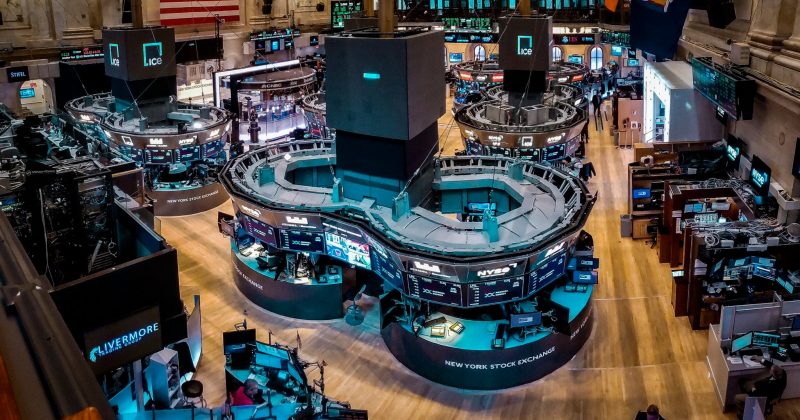
The same operations involved in tokenization—ownership, transfer, settlement and recordkeeping—are the backbone of Wall Street.
TL;DRAI
Tokenization enables shared ledgers for settlement, compressing cycles and cutting institutional reconciliation overhead. For tech leaders, this signals infrastructure modernization: unified asset movement reduces operational friction and capital lockup while preserving compliance.
957 words~4 min read