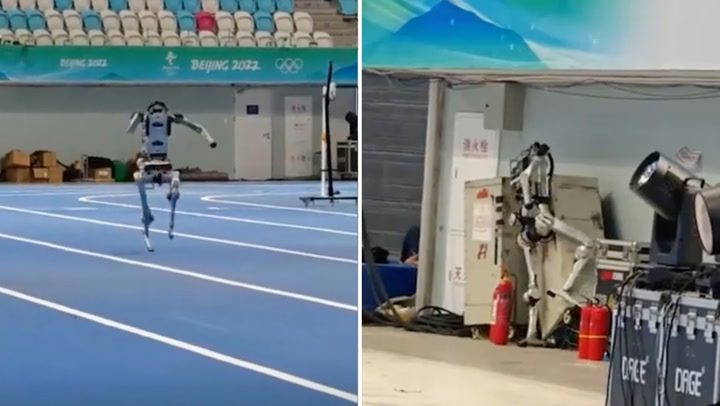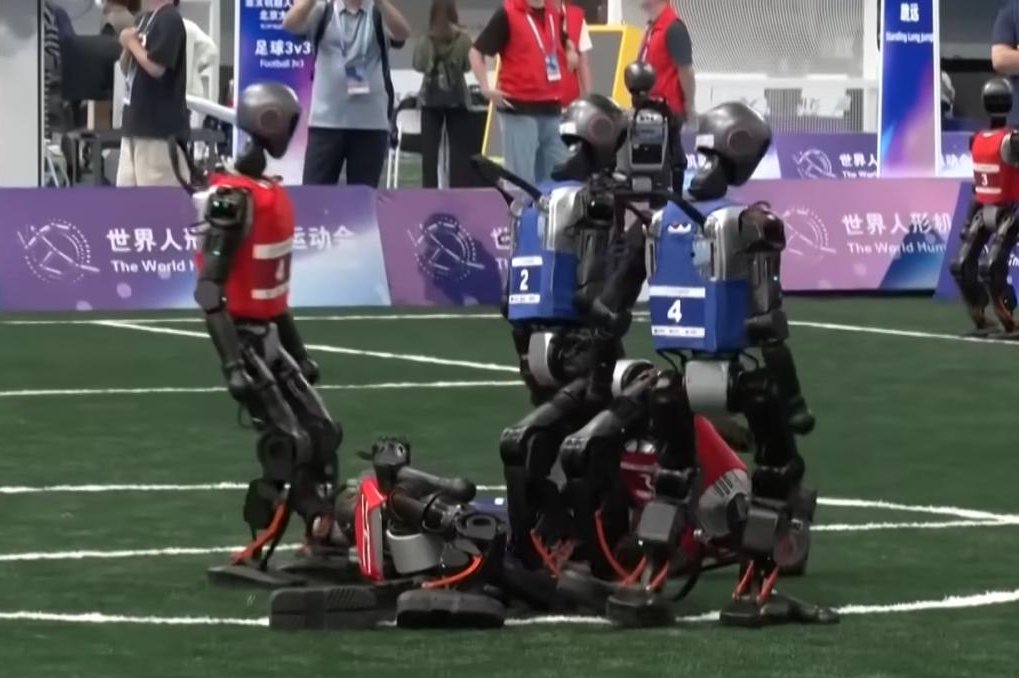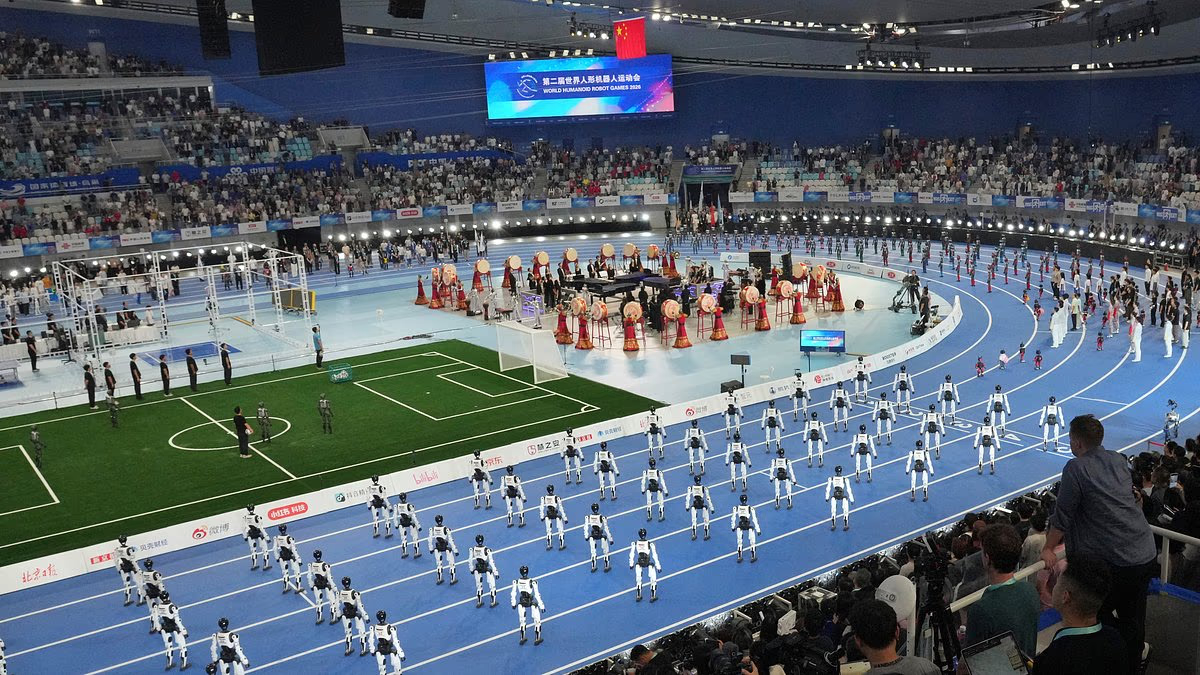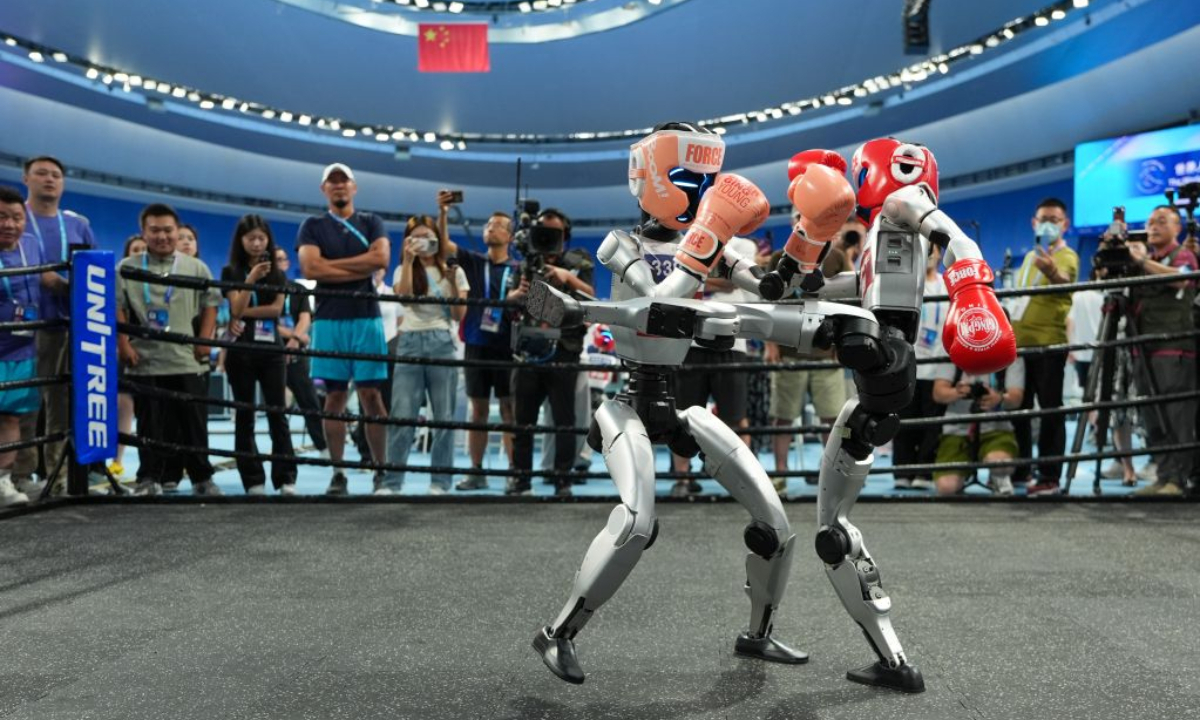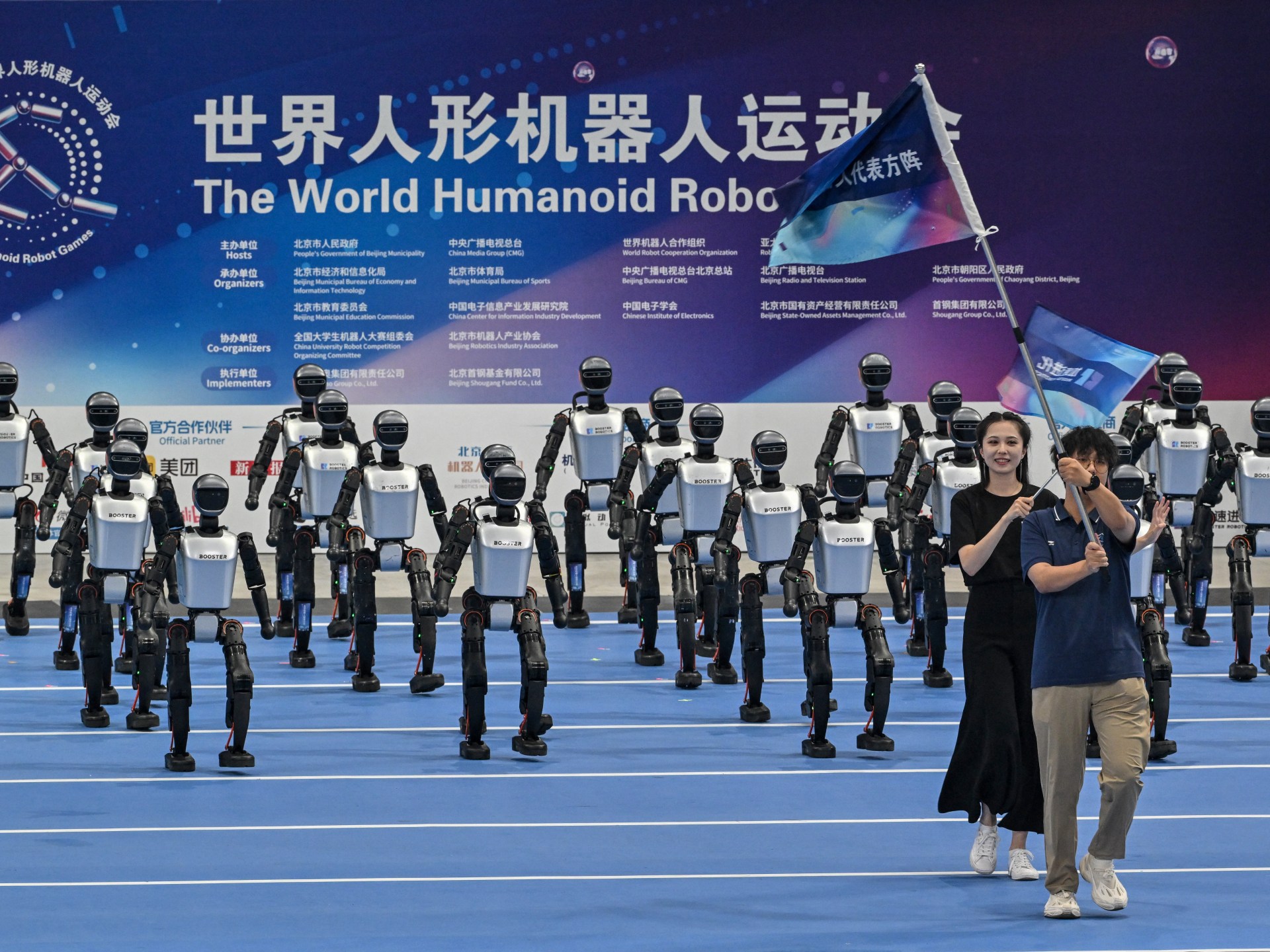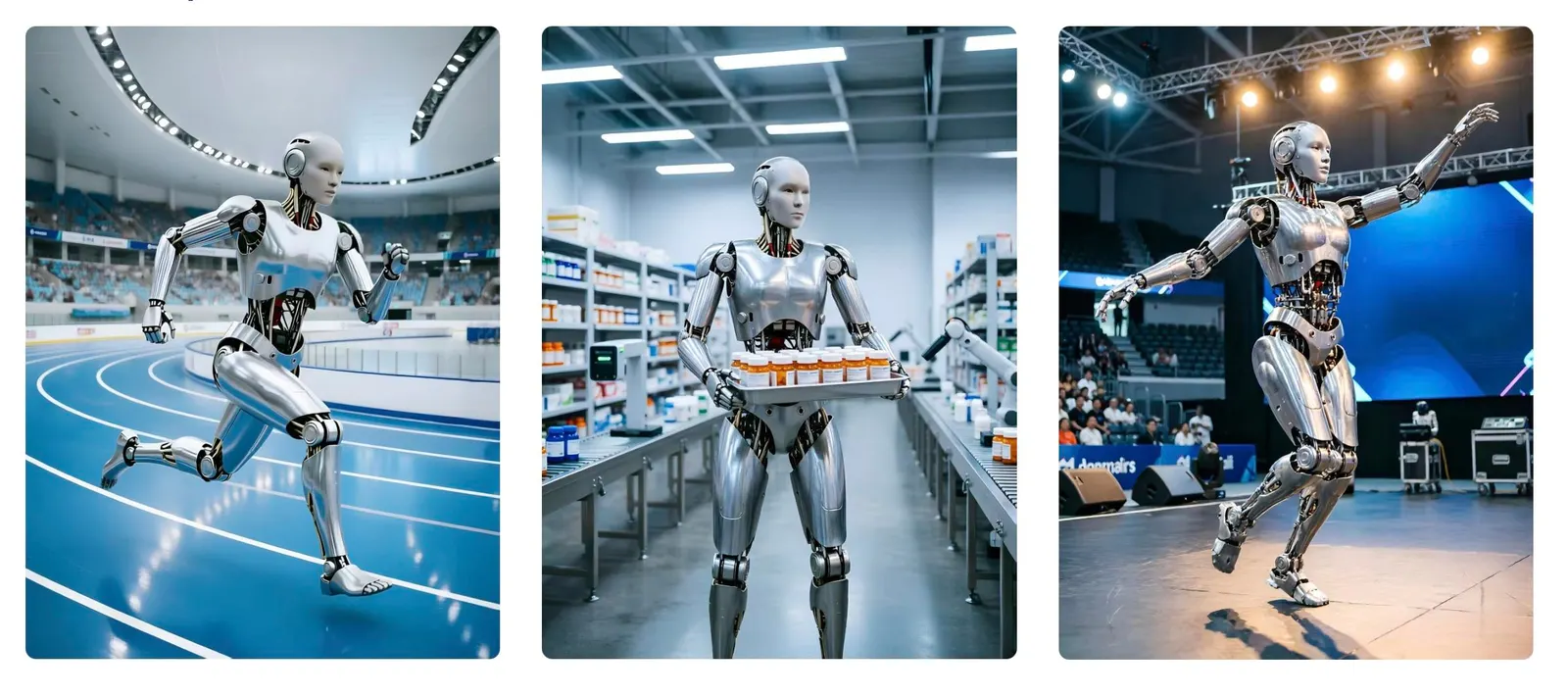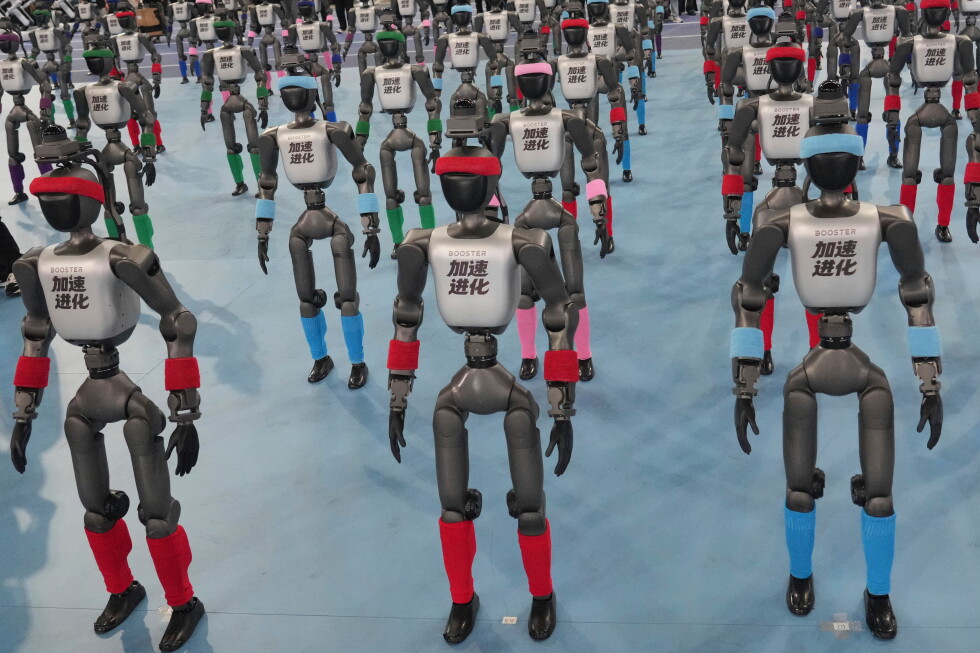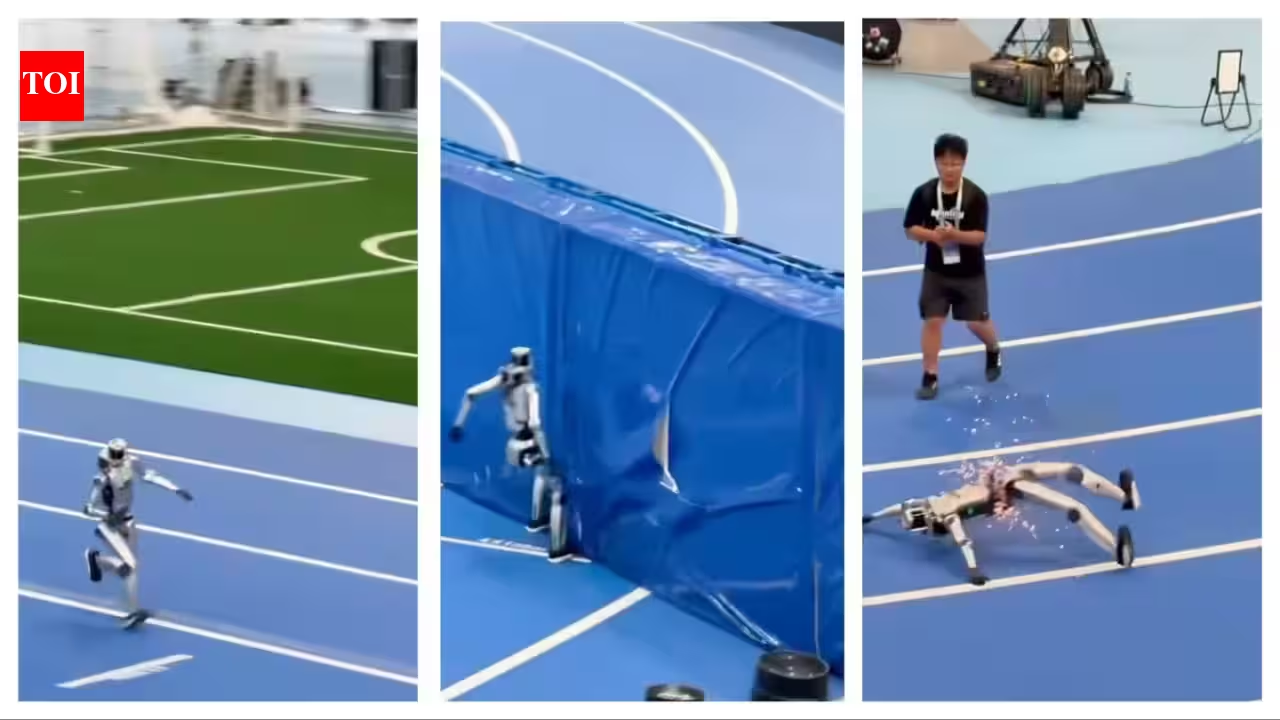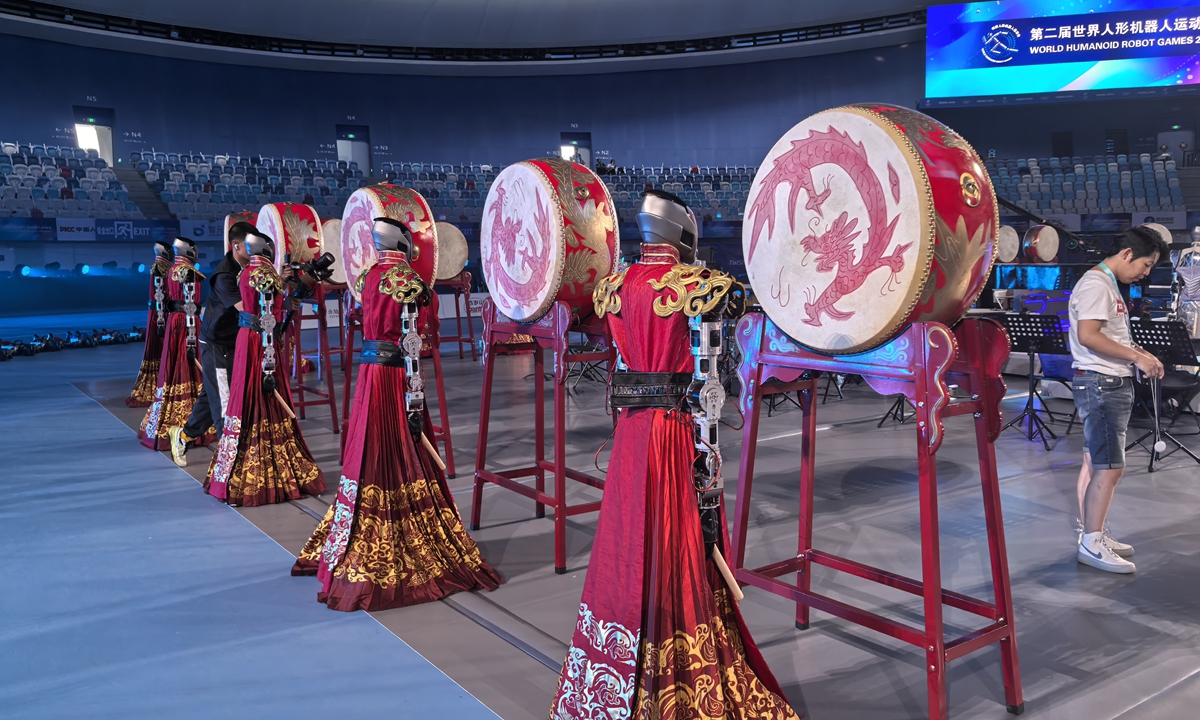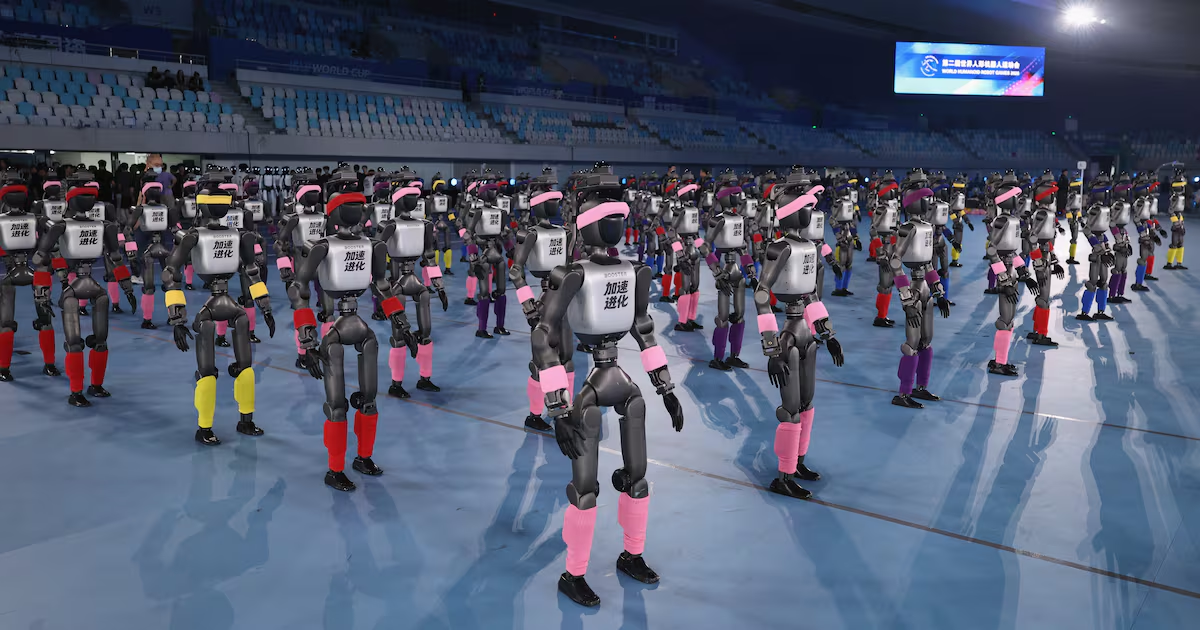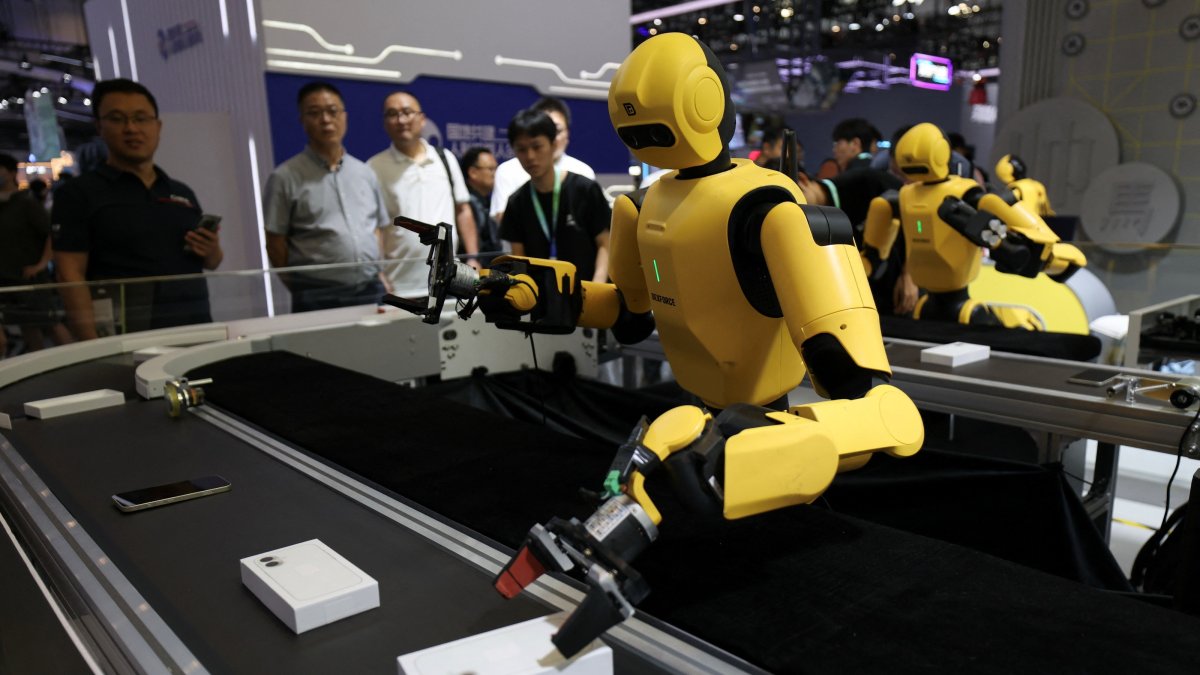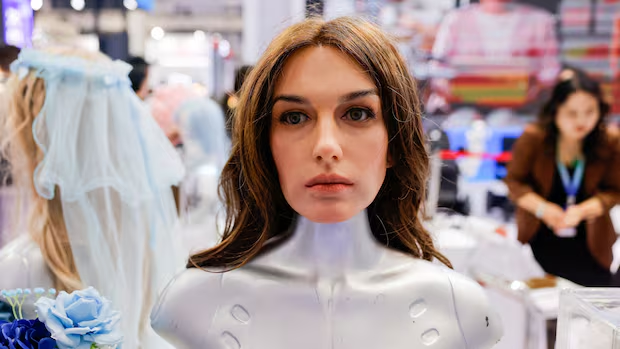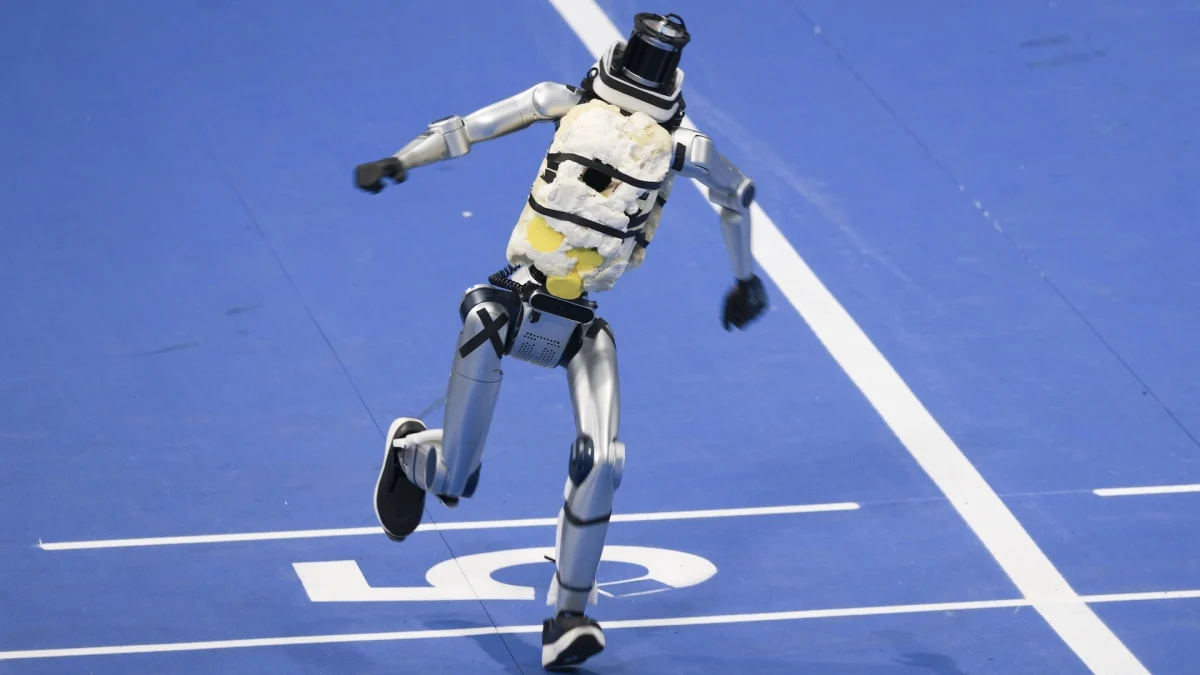
The second World Humanoid Robot Games will kick off this weekend in Beijing, China, gathering tech companies and university groups from around the world to test their robots across 50 events. As such, entrants have been running last-minute tests in preparation for the competition, showcasing some impressive feats — and amusing failures.Last year's inaugural Games featured over 500 robots from 280 teams, competing in 26 events. These not only included sports such as floor gymnastics and soccer, but also competitions designed to test the robots' capabilities when working in hotel, factory, and hospital scenarios.
The Games have grown considerably this year, involving 2056 robots presented by 666 teams from across 16 countries. New athletic events such as table tennis, tug of war, and weightlifting have been added, alongside expanded "scenario-based events" like assembling power tools, conducting a fire rescue, and charging an electric car.They also have varying automation requirements. While human operators are permitted in sporting events like long jump and kickboxing, the humanoid robots are required to act independently in ones such as breakdancing, cheerleading, and the 4x100-metre relay. Though the rules for scenario-based events are less strict, allowing both automation and remote control, the scores for the latter are halved. As such, entrants who submit fully autonomous robots have a definite edge.