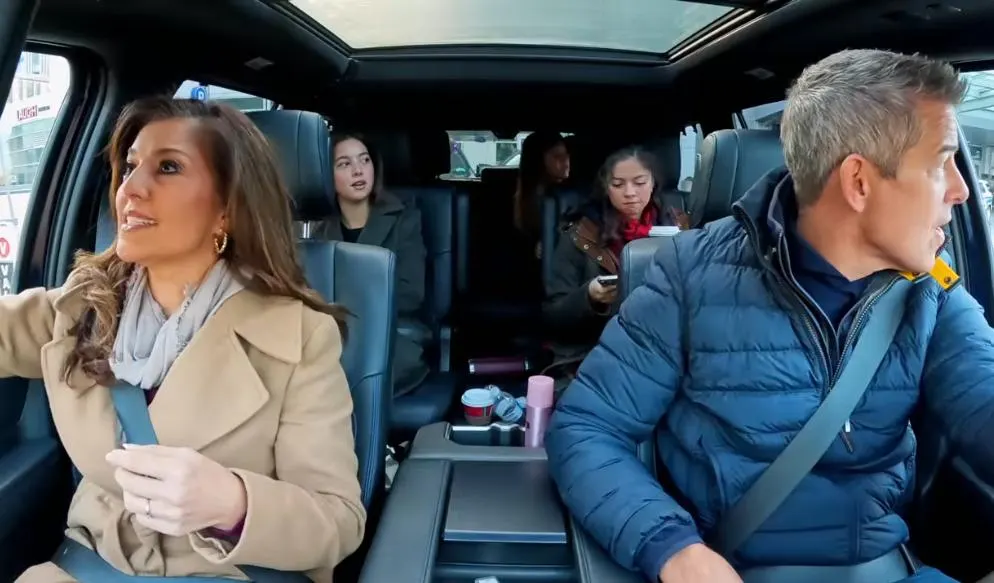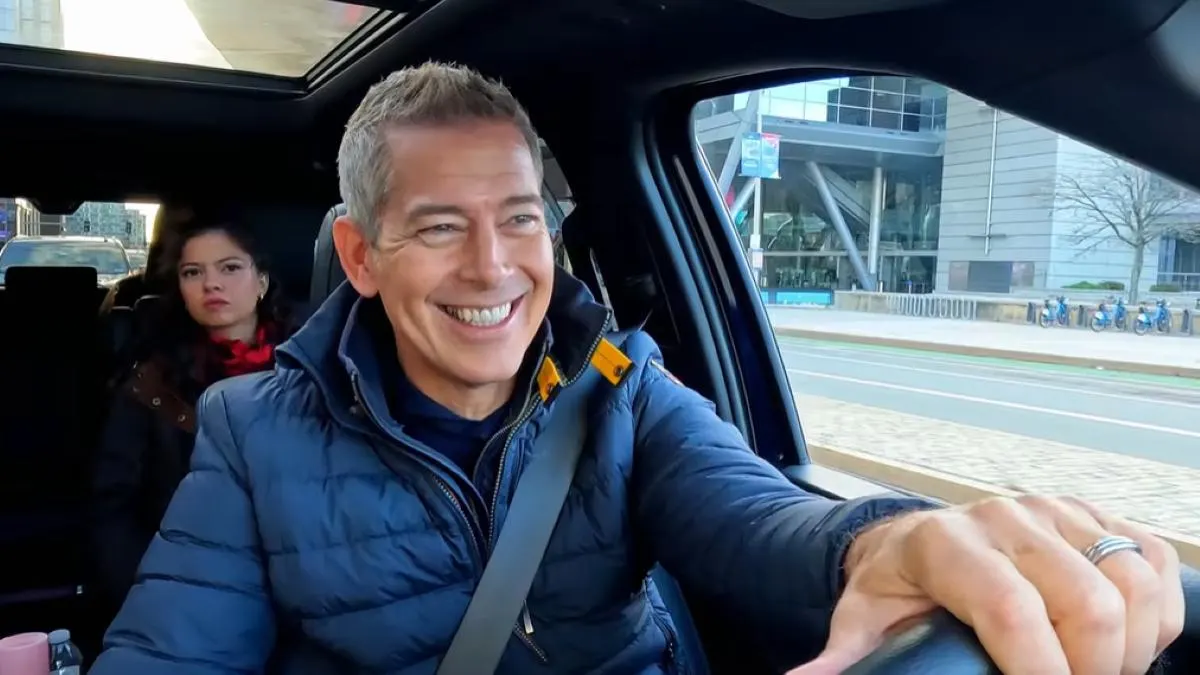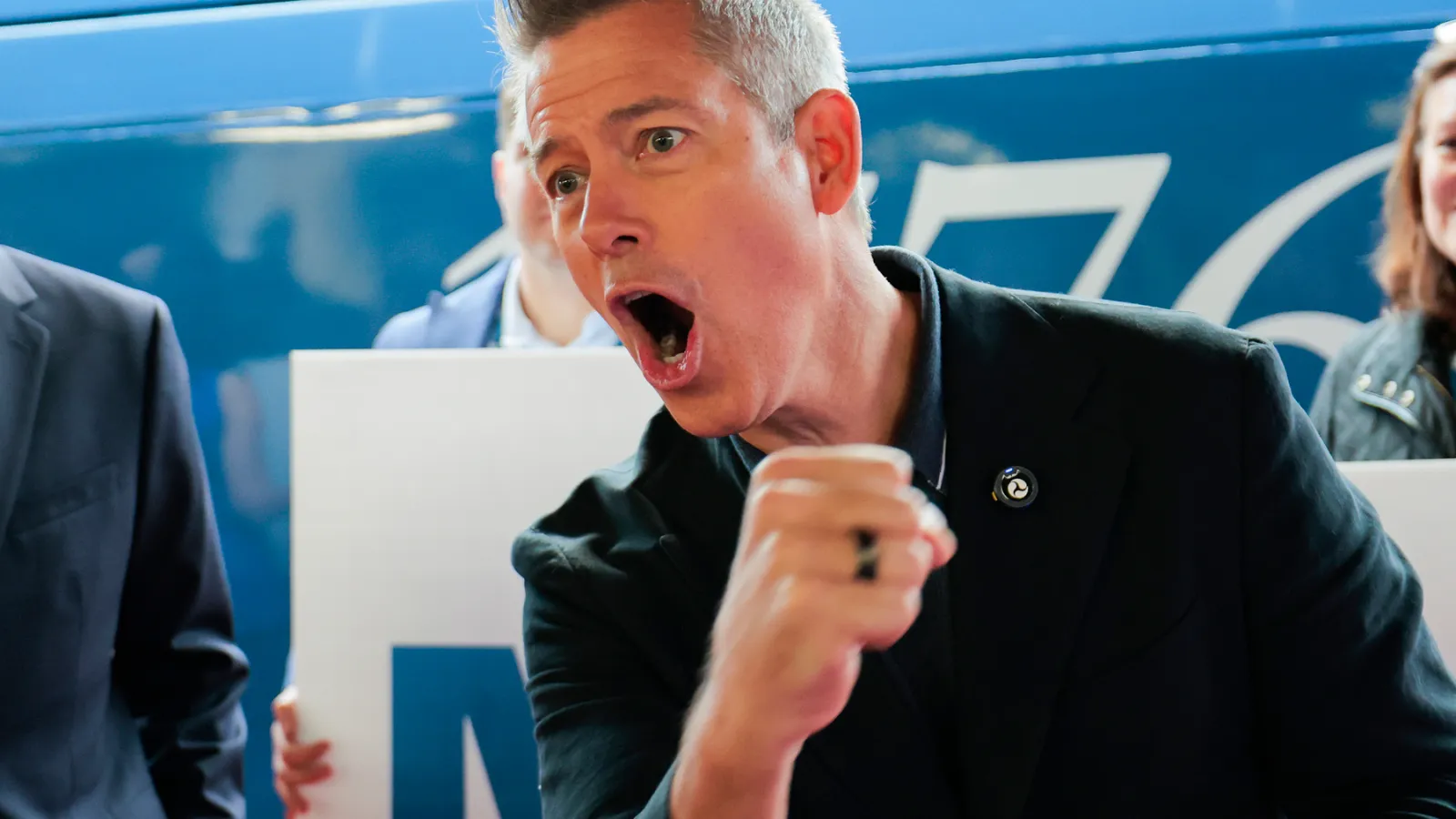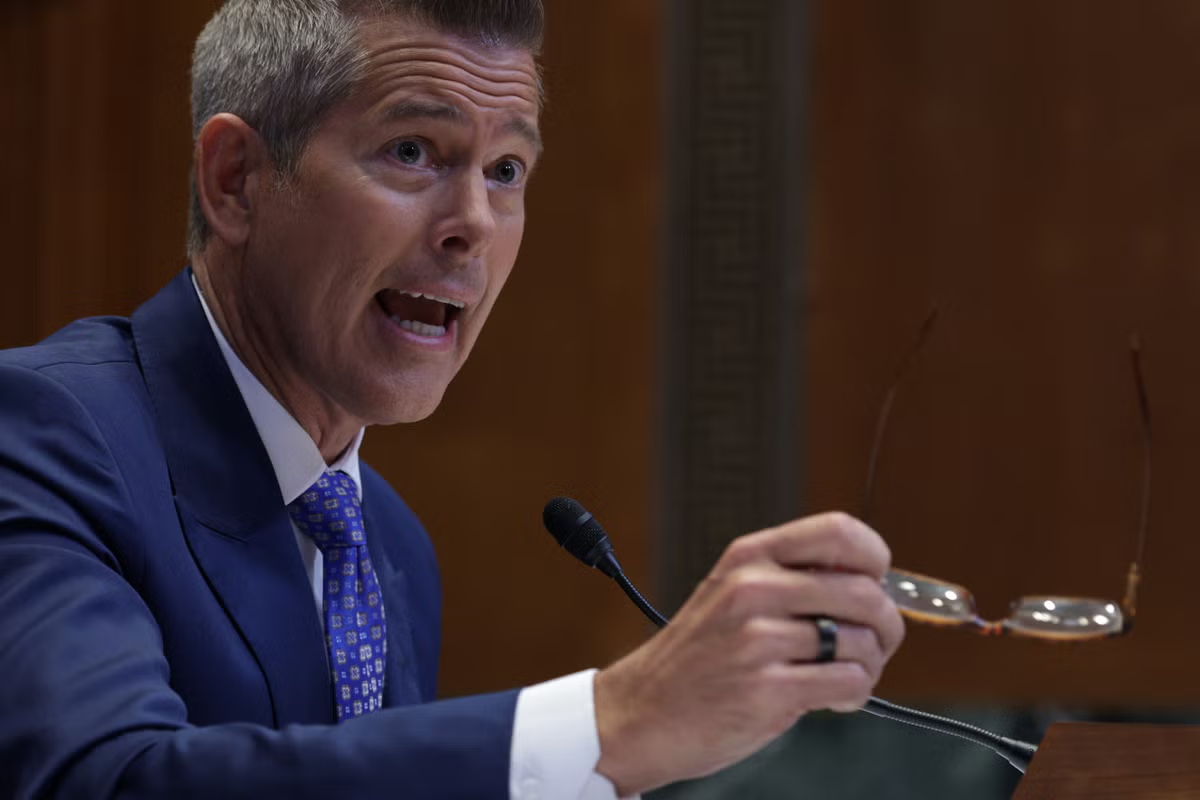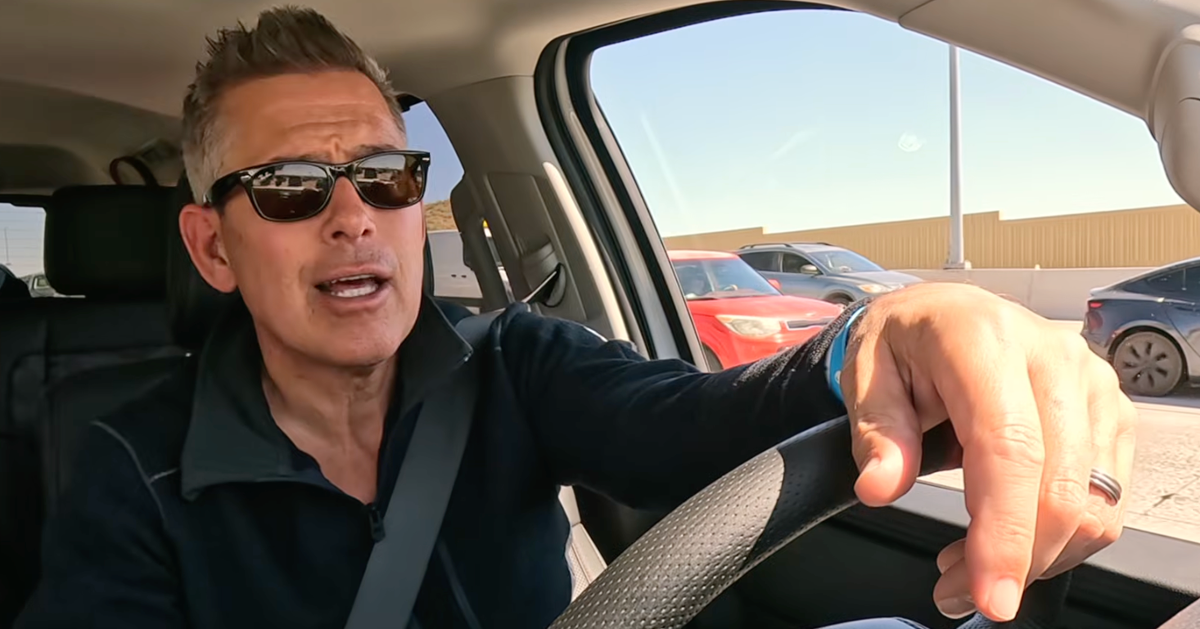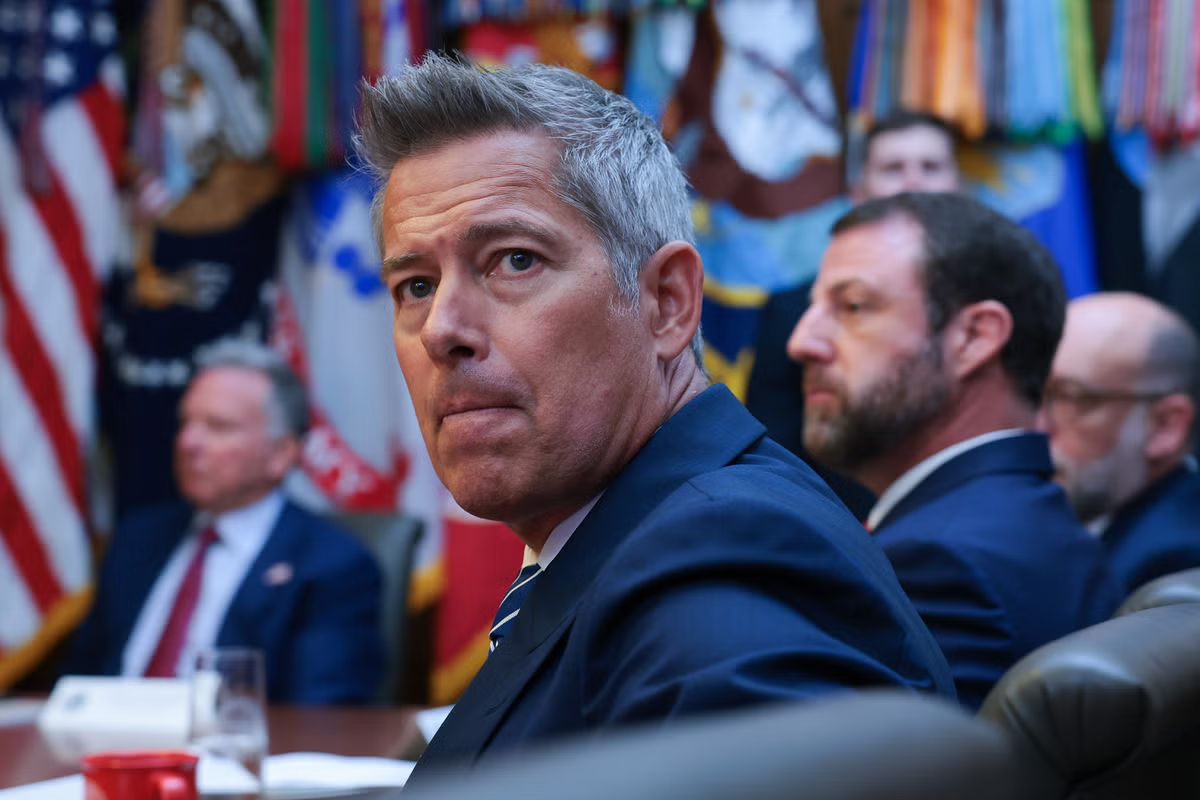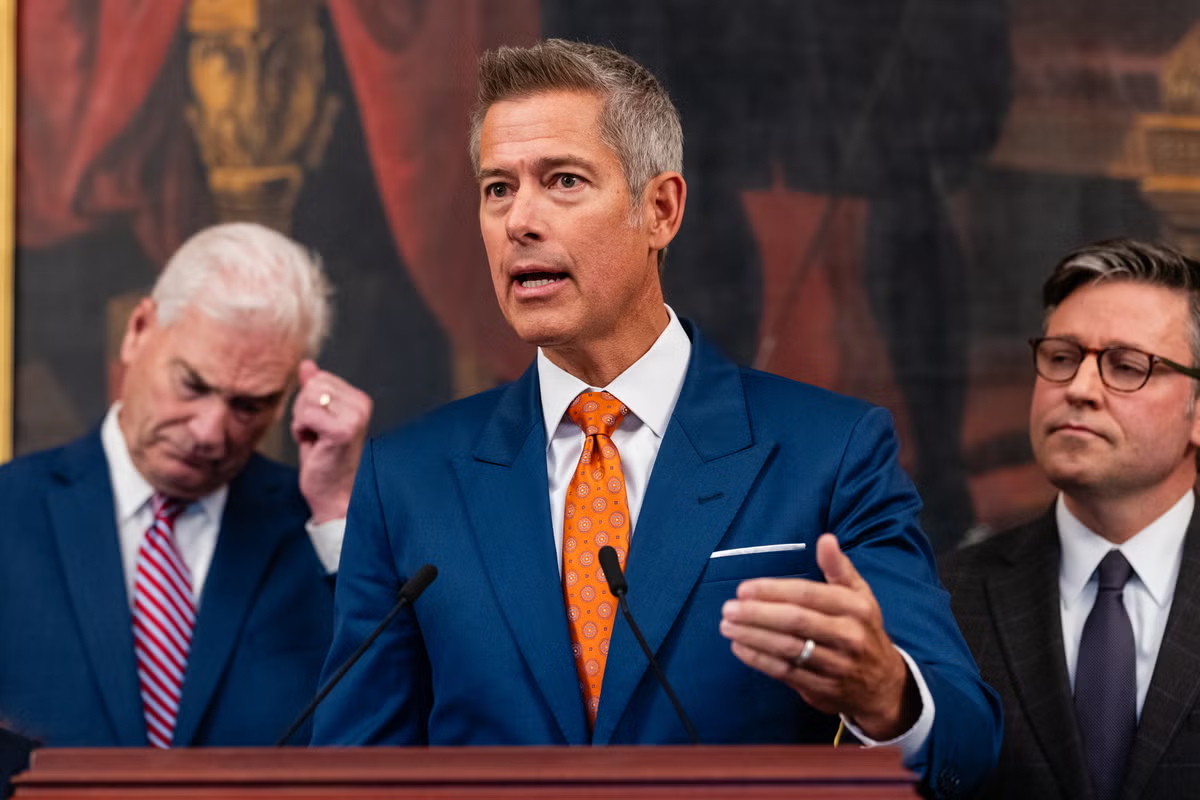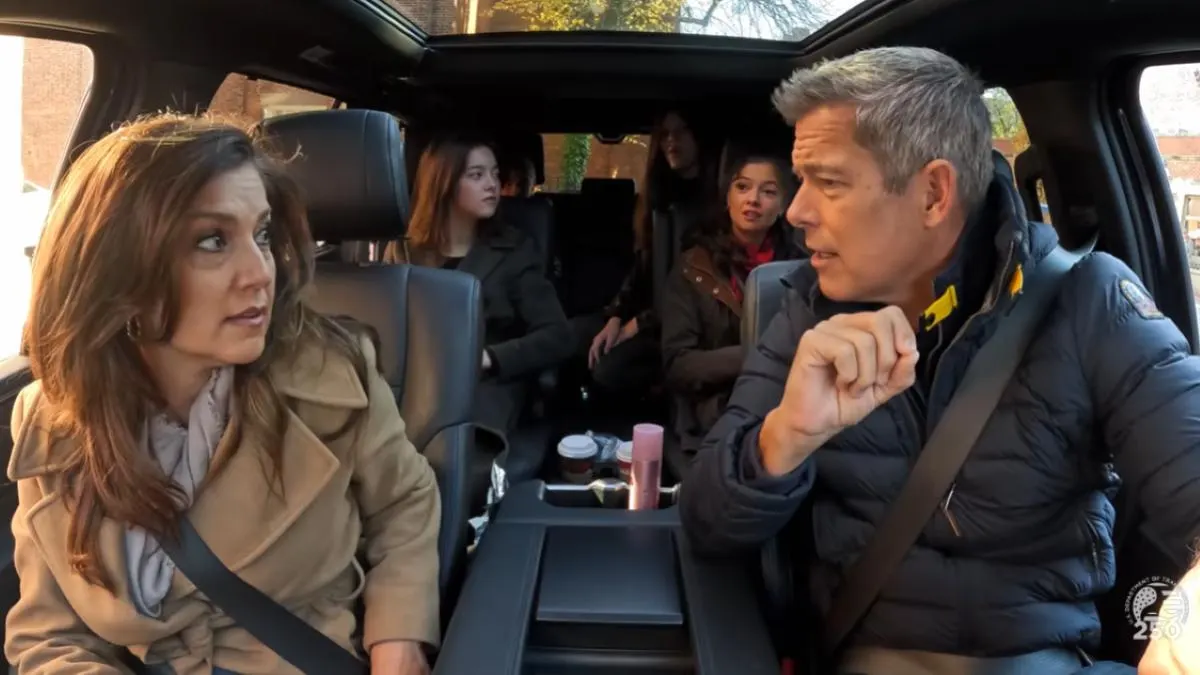
ToplineThe series starring Transportation Secretary Sean Duffy and his family of 11 was supposed to encourage families to take summer road trips—but more than half of U.S. schoolchildren are already back in class.After months of delays, Transportation Secretary Sean Duffy's road trip reality show has launched on YouTube.Great American Road Trip/ScreenshotKey FactsOriginally promoted to kick off in June, Transportation Secretary Sean Duffy’s Great American Road Trip reality show finally launched on YouTube Wednesday afternoon.As of Thursday morning, the six-part series collectively had garnered just over 5,100 views.Neither the Great American Road Trip, Inc., the non-profit organization set up to produce the show, nor the Department of Transportation responded to Forbes’ queries as to why the series launch was delayed for most of the summer.The series sponsors collectively spent more than $100 million in federal lobbying in 2025, according to a Forbes review of quarterly LD-2 filings.Crucial Quote“This show is an ethical catastrophe,” Adam Zuckerman, senior clean vehicles campaigner with Public Citizen’s Climate Program, said in a statement. “No amount of editing can correct the major ethical failure associated with filming a reality TV show and accepting vacations paid for by the companies Secretary Duffy is supposed to regulate.” Key BackgroundThe Great American Road Trip was filmed over eight separate mini trips from September 2025 to April 2026. The six episodes follow the Duffy family in Philadelphia, Boston, Montana and Wyoming, Charleston, Texas and Arizona. The first episode includes cameo appearances from President Donald Trump and Interior Secretary Doug Burgum as well as Duffy’s son-in-law, Michael Alfonso, who is running for Congress in Wisconsin. Why Was The Series Delayed?An email from Great American Road Trip announcing the launch of the series said the aim was to encourage travelers “to hit the open road as a family.” But the series ended up launching when a majority of U.S. public schoolchildren have already returned to class, according to a Pew Research Center analysis. Neither the Great American Road Trip, Inc., the non-profit that produced the show, nor the Department of Transportation, has given a reason for the delay. Why Is Sean Duffy’s Road Trip Series Controversial?Each of the episodes begins with a disclaimer that no taxpayer dollars were used to pay for the production of the series: “Production costs—including filming, crew, food, fuel, lodging and activities—were paid for by the Great American Road Trip, Inc. and accepted as a gift by the Department.” But critics say the Duffy family was compensated in corporate-sponsored perks, including flights, hotel and resort stays, a cruise, whitewater rafting, snowmobiling and skiing. Moreover, many of the road trip’s corporate sponsors—including Boeing, United Airlines, Royal Caribbean, Toyota, Shell, Enterprise Rent-A-Car and Lyft—are regulated by the department Duffy oversees. An analysis by Forbes earlier this month found that the project’s sponsors collectively spent more than $100 million lobbying the federal government last year. Consumer watchdogs have questioned what the sponsors got from working with Duffy on this project. After Toyota sponsored Duffy’s project, “he worked with the automaker to decimate our fuel efficiency standards, making it even more costly for American families to take the road trips he’s calling on them to take,” Zuckerman said. In June, a group of six Democratic U.S. senators led by Patty Murray, D-Wash., called on the Department of Transportation inspector general to open an official investigation into Duffy’s involvement in the show due to “potential misconduct and violations of federal laws, rules, and regulations” and alleging Duffy accepted travel gifts “from a non-profit funded by the very companies the Secretary regulates.” Last month, a Department of Transportation spokesperson told Forbes “career ethics officials cleared every aspect of the Secretary’s participation in the Great American Road Trip.”What We Don’t KnowHow much it cost to produce the series. The Great American Road Trip, Inc. and the Department of Transportation have consistently declined to answer Forbes’ questions about the project’s finances. But it’s reasonable that the corporate sponsors collectively contributed as much as $5 million toward the project. The show sold top-tier “platinum” partnerships for $1 million, with “gold” ($500,000), “silver” ($250,000) and “bronze” ($100,000) levels also available. Two of the top three “platinum” sponsors—Boeing and Toyota—spent $1 million each, according to a Wall Street Journal report. The series website shows the logo of the British multinational oil and gas company Shell on the same tier, indicating a similar level of spend. Electronic Payments Coalition, a lobbying group representing the interests of major payment card networks, confirmed to Forbes it “was a sponsor of the road trip” but would not say how much it had contributed. Google, Royal Caribbean Cruise Line, United Airlines, Lyft and CRH, a provider of building materials for highways and other critical infrastructure, did not respond to Forbes’ inquiries on how much they contributed to the road trip. The American Bus Association confirmed it was a bronze-level ($100,000) sponsor, while other organizations displayed at the same level told Forbes they had provided logistical support as “in-kind contributions” in lieu of financial contributions.Further ReadingSean Duffy’s Road Trip Sponsors Spent $100 Million Lobbying Congress Last Year (Forbes)
Sean Duffy’s Family Road Trip Series Launches Too Late For Summer
The series was meant to encourage families to take summer road trips—but more than half of U.S. schoolchildren are already back in class.
842 words~4 min read