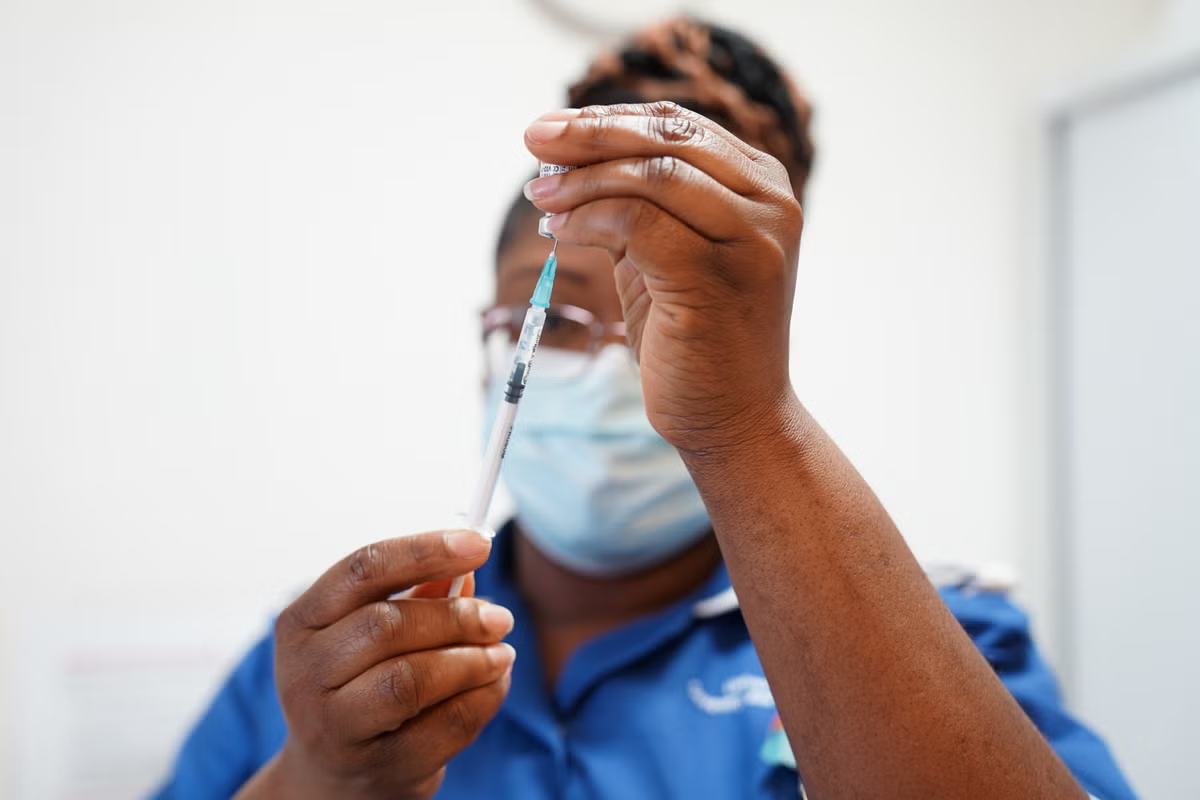
Vaccines prevent serious illness for many people, but the immune protection they produce can differ substantially from one person to another. New research led by Arizona State University offers clues about what may be behind those differences.
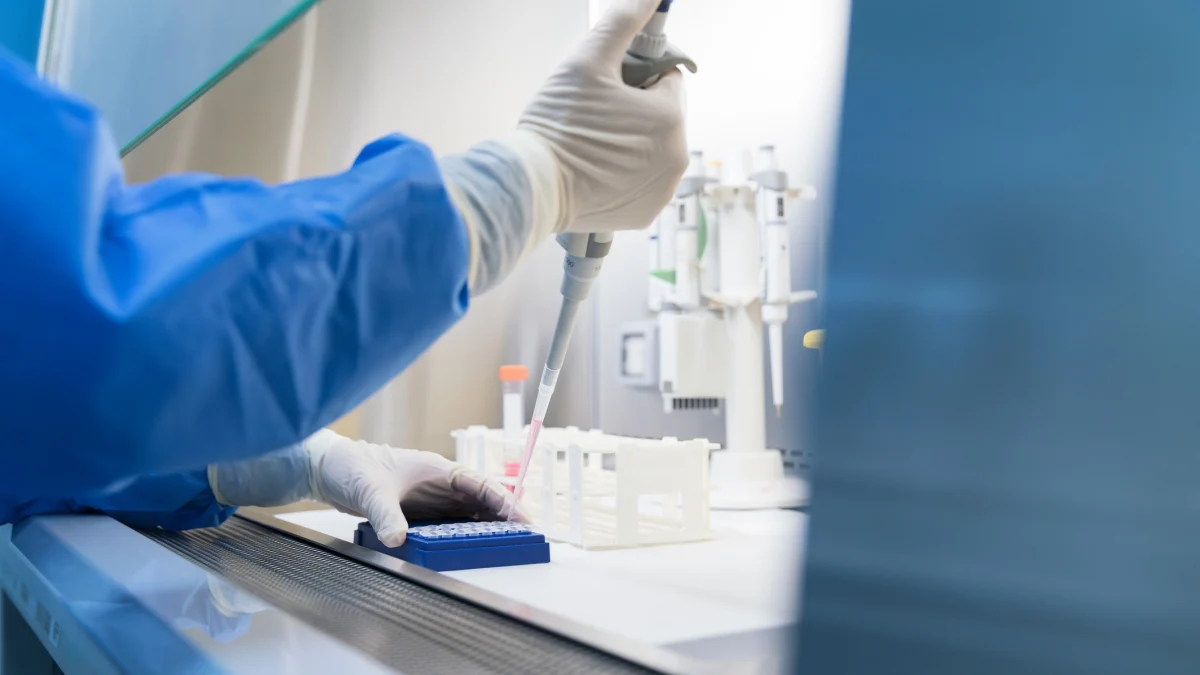
The immune system may show signs of how strongly it will react even before vaccination. Researchers at ASU and collaborating institutions examined blood samples from more than 4,000 people, measuring antibodies that recognized 185 antigens. Those immune targets included common viruses and bacteria, along with targets connected to autoimmune diseases.
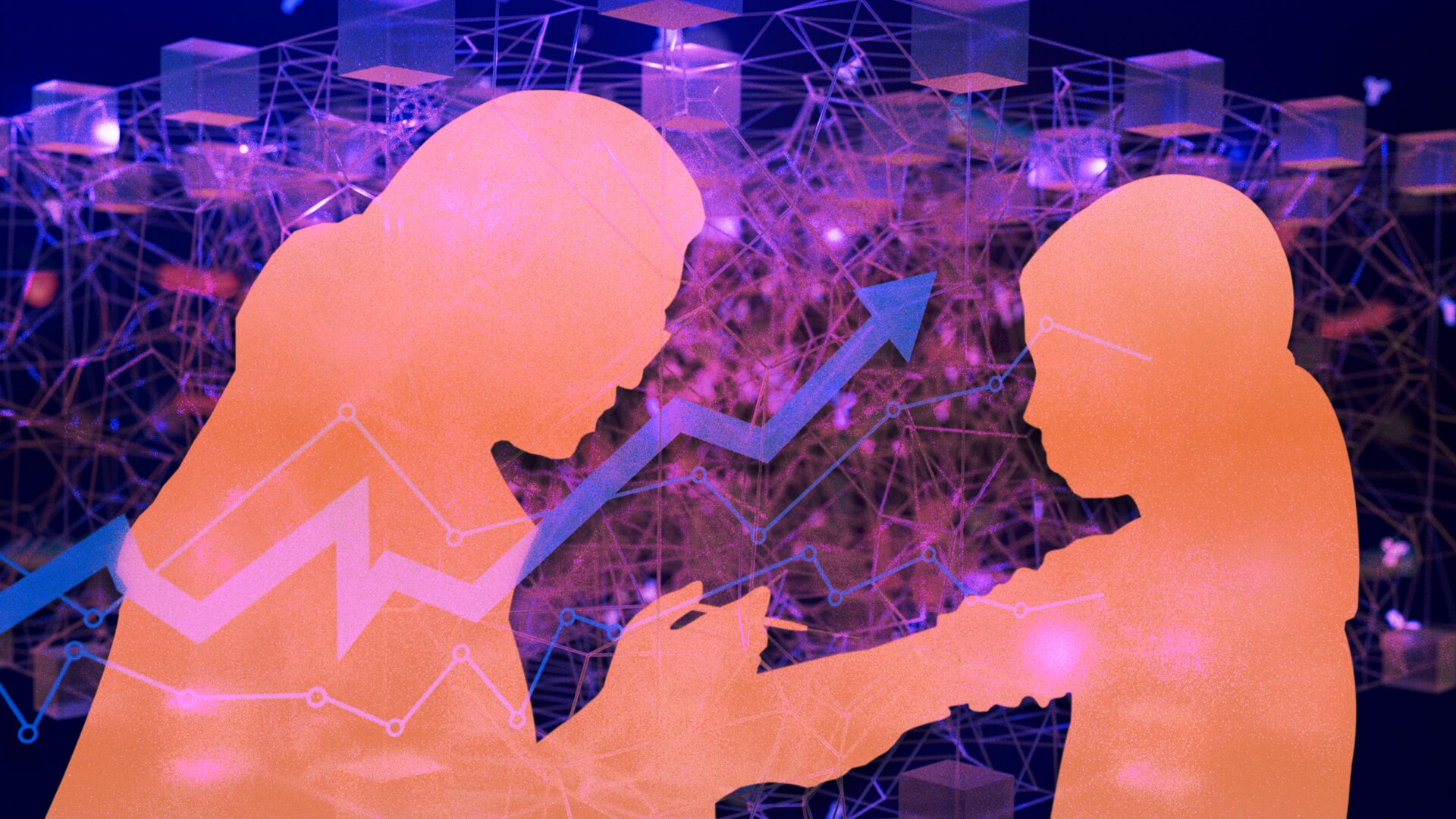
Artificial intelligence was then used to search for patterns in blood samples taken before and after COVID-19 vaccination. The analysis uncovered antibody signatures that could help separate people who produced strong vaccine responses from those whose responses were weaker.
The findings could eventually contribute to vaccination strategies tailored more closely to an individual's immune system.
"What our study found is that certain biomarkers, when analyzed with AI, can predict who is likely to respond well to a vaccine, even before they receive it. This suggests that some people may be more immune-ready than others," says Joshua LaBaer, who led the study.